Why is Japan abandoning its post-WWII pacifism?
Tensions with China and US unpredictability are factors

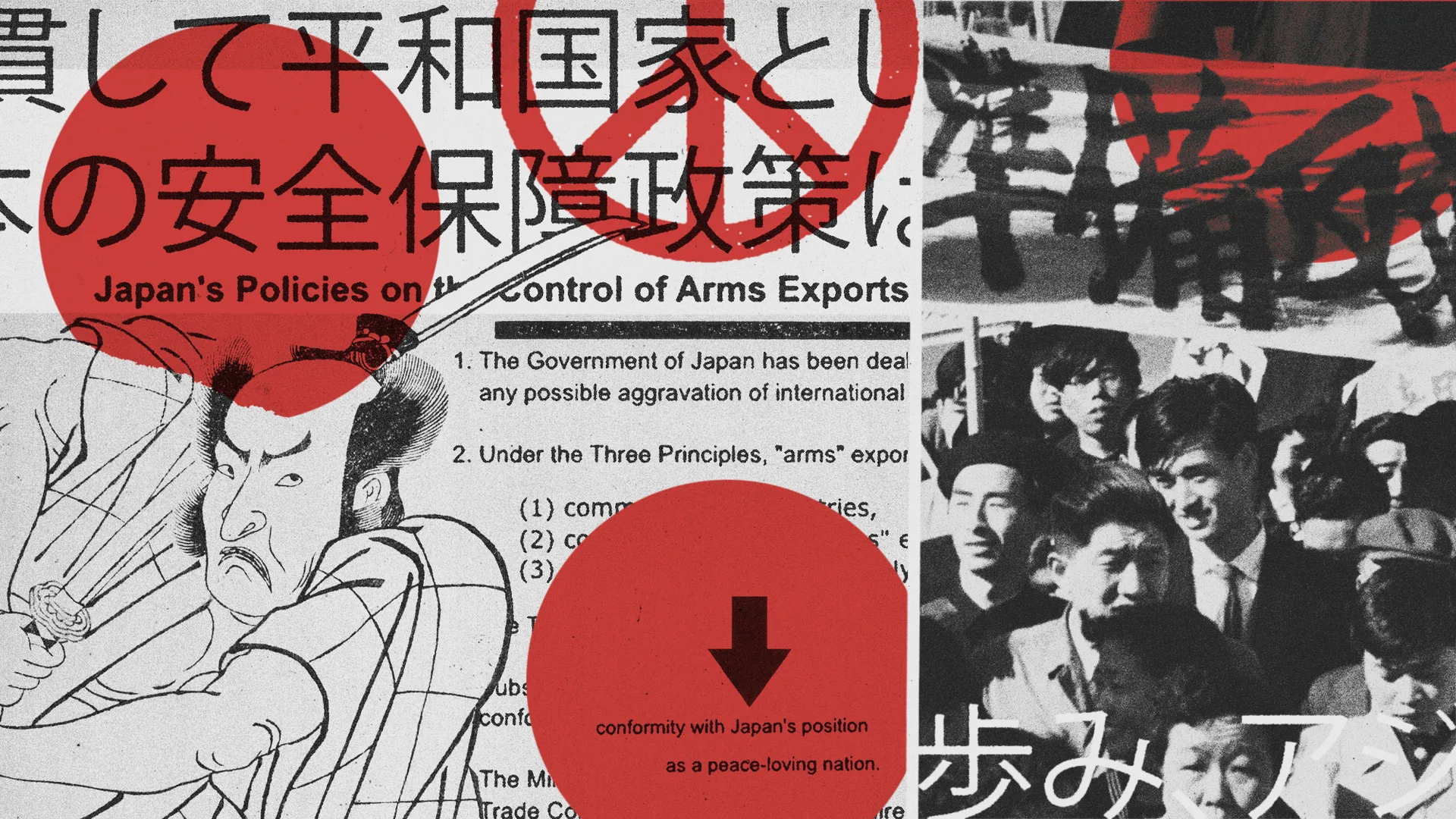
Japan wrote pacifism into its constitution and culture following World War II, but that era may be coming to an end. Prime Minister Sanae Takaichi last week moved to allow arms sales to foreign countries, signaling a pivot toward a more hawkish stance.
Many Japanese felt pride in the country’s postwar commitment to “never resort to force to settle international disputes,” said The Wall Street Journal. Pacifism “has been our moral compass after the tragedy,” 87-year-old Michiko Yagi said to the outlet. But growing tensions with China have sharpened a sense of alarm and increased support for Takaichi’s efforts to build the country’s defenses. Japan cannot expect the U.S. to come to the country’s defense “when our own people aren’t even defending our own country,” said Nagasaki resident Masashi Kajiyama.
The Week
Escape your echo chamber. Get the facts behind the news, plus analysis from multiple perspectives.

Sign up for The Week's Free Newsletters
Join more than 350,000 subscribers and keep yourself informed with a selection of The Week’s most interesting, enlightening and entertaining stories - plus daily puzzles.
Join more than 350,000 subscribers and keep yourself informed with a selection of The Week’s most interesting, enlightening and entertaining stories - plus daily puzzles.
What did the commentators say?
What next?

-
-
 talking pointsAfter Pike disaster, is it time to rethink death penalty?
 -
 QUOTE OF THE DAY‘What it actually means in the American context is you want to replace American workers with foreign workers and you want boys to play in girls’ sports.’
 -
 the explainerJustice Dept. launches largest-ever effort to strip citizenship
-
-
-
talking pointsAfter Pike disaster, is it time to rethink death penalty?
-
QUOTE OF THE DAY‘What it actually means in the American context is you want to replace American workers with foreign workers and you want boys to play in girls’ sports.’
-
the explainerJustice Dept. launches largest-ever effort to strip citizenship
-