The Week The Week
flag of US
US
flag of UK
UK
https://cdn.mos.cms.futurecdn.net/flexiimages/jacafc5zvs1692883516.jpg

SUBSCRIBE & SAVE

Less than $3 per week

Sign in
  • View Profile
  • Sign out
  • The Explainer
  • The Week Recommends
  • Newsletters
  • Cartoons
  • From the Magazine
  • The Week Junior
  • Student Offers
  • More
    • Politics
    • World News
    • Business
    • Health
    • Science
    • Food & Drink
    • Travel
    • Culture
    • History
    • Personal Finance
    • Puzzles
    • Photos
    • The Blend
    • All Categories
  • Newsletter sign up Newsletter
  • The Week Evening Review
    The ballroom solution, South Korea’s energy crisis, and the beta-blocker boom 

     
    TODAY’S BIG QUESTION

    How is Trump turning WHCA attack into an opportunity?

    Following an assassination attempt at the White House Correspondents’ Association dinner on Saturday, President Donald Trump wasted little time in framing the still-ambiguous episode to support his legally dubious ballroom construction efforts. He also used the opportunity to attack a familiar list of political adversaries, including Democrats and members of the press. 

    What did the commentators say?
    After the attempted shooting, Trump and his allies “coalesced” around the embattled ballroom construction project as their “solution for presidential security,” said The New York Times. Trump’s plans for the White House ballroom include a secure bunker. But the administration’s “coordinated effort” to connect the WHCA shooting to the ongoing “tug of war” over the ballroom “ignored the realities of the annual dinner and the circumstances of the breach.” 

    Trump has a history of using attempts on his life as a “political symbol” to “rally his supporters and strengthen his grip on state affairs,” said South Korea’s Chosun Daily. Even during a “crisis that could have led to a disaster,” Trump has been able to display his “signature showmanship.”

    There’s a “pattern” at play here, said Politico. After an attempt on Trump’s life, there are “calls from both sides to turn down the temperature and then a pivot.” After initially pushing for Americans to “resolve” their differences, it took “less than 24 hours” for Trump to insist in a “60 Minutes” interview with CBS’s Norah O’Donnell that the “hate speech of the Democrats” is “very dangerous.” 

    As in previous instances where Trump has asked for bipartisan calm after facing violence, such calls “proved to be short-lived,” said The Associated Press. He also accused the Washington press of “being in league with Democrats and covering him unfairly,” said CNN.

    What next?
    Acting Attorney General Todd Blanche has already begun using the episode to “pressure a preservation group to drop a lawsuit seeking to halt the construction” of Trump’s ballroom, said The Guardian. Trump has “experience” with the “opportunities presented by such moments,” said Reuters. “No one can turn danger into a political asset better than this president,” said one White House official to the outlet.


    QUOTE OF THE DAY

    ‘I’m a hygiene freak. There was no freaking way I was getting in my new tux on the dirty Hilton floor. It was not happening.’

    Michael Glantz, a senior agent at Creative Artists Agency and guest at the WHCA dinner, to The New York Times on why he appeared unfazed and ate his salad during the attack. Elsewhere, former Goldman Sachs CEO Lloyd Blankfein asked his seatmate, “Are you going to finish that salad?” 


    IN THE SPOTLIGHT

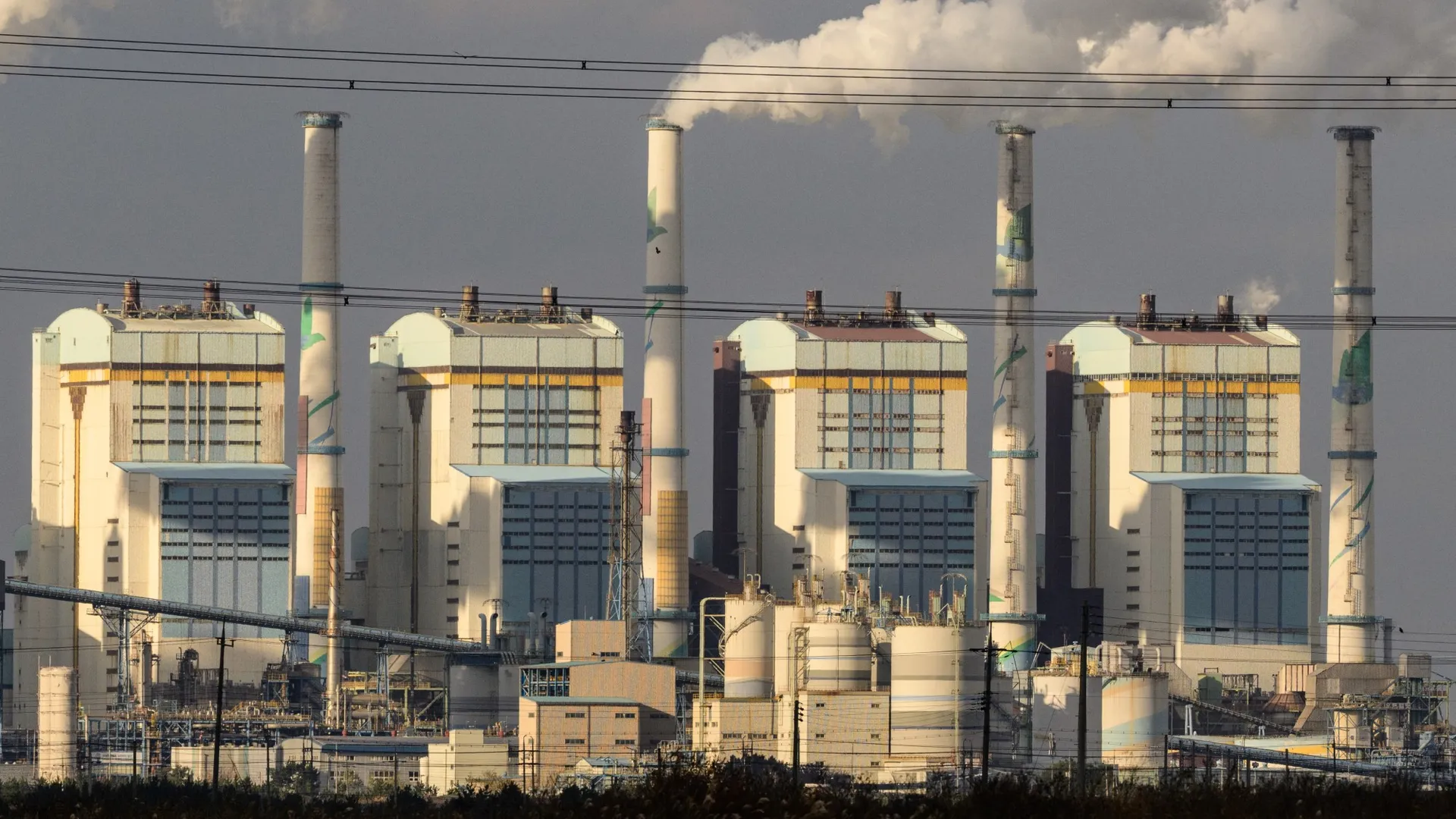
    South Korea’s ‘war-like’ energy crisis

    The Iran conflict represents a “war-like situation” for South Koreans, President Lee Jae Myung said earlier this month. Rising oil prices and the weakening of the won against the dollar are “dealing a double blow” to the Korean economy, said The New York Times. Oil reserves are dwindling, and it would take a long time for supplies to catch up even if normal service in the Strait of Hormuz were to resume. 

    ‘Uniquely lacking in natural resources’
    The “brightly illuminated” satellite images of South Korea at night, set alongside the “sea of blackness” in the North, have long been seen as a “wider triumph of capitalism and democracy,” said The Telegraph. But due to the Iran war, these lights could be extinguished “in a matter of weeks.”

    Compared with fellow developed countries, South Korea is “almost uniquely lacking in natural resources,” relying on imports to meet “90% of its energy needs,” said The Telegraph. Around 70% of its crude oil shipments and 20% of its natural gas come from the Gulf. 

    South Koreans are now facing surging fuel prices, a ban on driving one day per week, and orders to reduce shower times and to charge electric cars and phones only in the daytime. And much more draconian measures could be weeks away.

    ‘Catnip’ calls
    South Korea must face a “difficult home truth,” said Bloomberg. Behind the “sleek modern society” is an “insatiable appetite for fossil fuels that’s undermining its economy.”

    The war is “serving as a significant turning point” for South Korea to shift to renewable energy, said Kim Sung-hwan, the minister of climate, energy and environment, to CNBC. Energy targets predating the war include generating 20% of the country’s electricity from renewables by 2030 and phasing out coal by 2040. 

    But the “catnip” calls to transition to renewables have “no chance of being met,” said Bloomberg. For instance, state utility Korea Electric Power Corporation has “effectively banned” all new generators in the “renewables-rich” east until 2032, because its “crumbling grid is supposedly incapable of accepting new connections.” These kinds of decisions will do “nothing to advance South Korea’s energy transition.” Society as a whole needs to fight against those who have kept them “hooked on polluting power.”


    Statistic of the day

    87 million: The number of lives that could have been saved globally with the $2 billion a day Trump has spent on the Iran war, according to Tom Fletcher, the head of the U.N.’s humanitarian agency. “We could have funded that in less than a fortnight of this reckless war,” he said at the U.K. think tank Chatham House.


    THE EXPLAINER

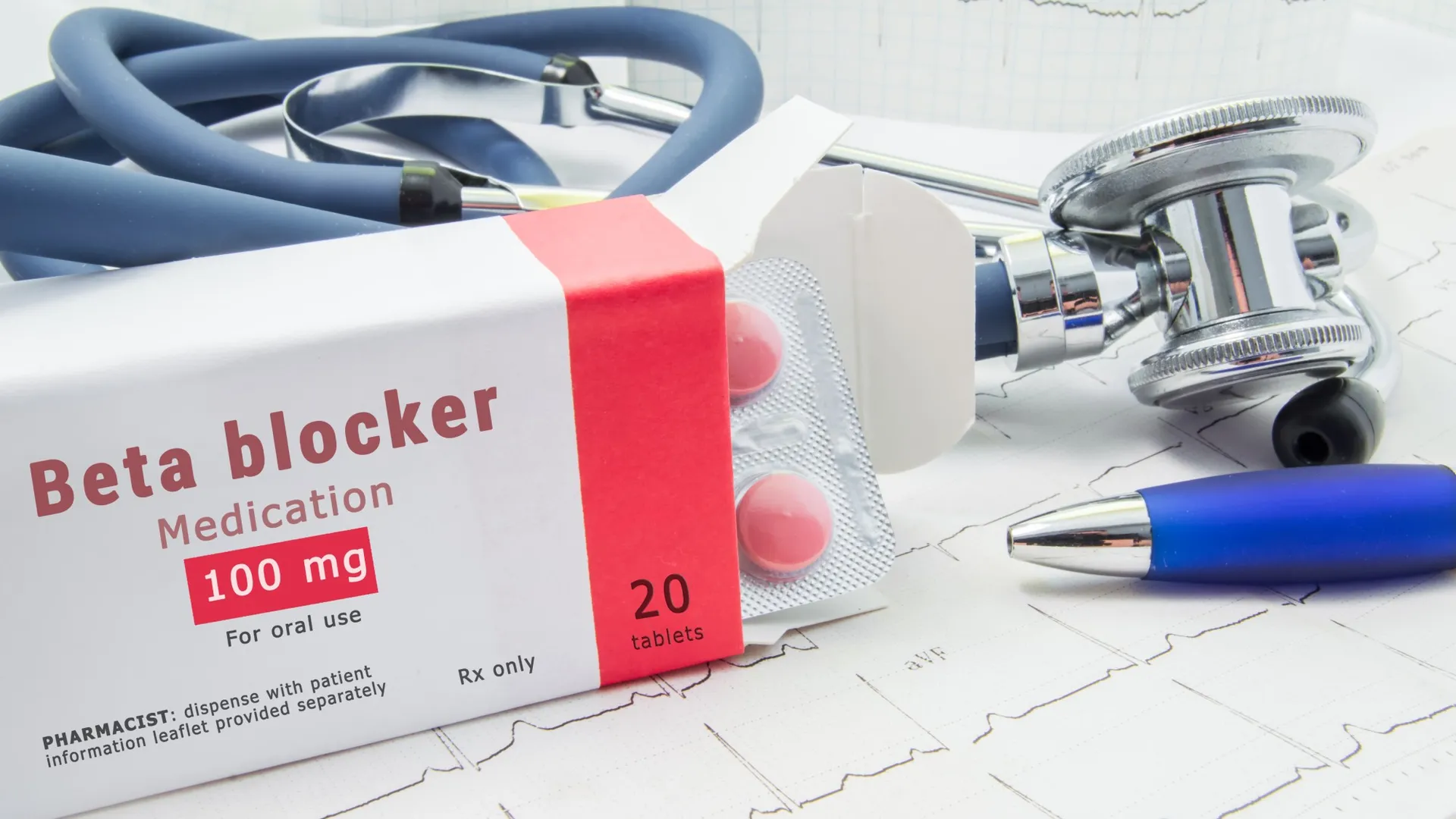
    How a beta-blocker became the ‘magic pill’ for anxiety

    “A little blue pill is creating a stir in Hollywood,” said pharmaceuticals expert Dipa Kamdar at The Conversation. “And no, it’s not Viagra.” Celebrities have been singing the praises of propranolol, a beta-blocker originally designed for heart conditions that also helps with anxiety. Kristen Bell, Rachel Sennott and Natasha Rothwell have mentioned taking the pill at red-carpet events over the past year.

    These A-lister endorsements have helped to fuel a surge in demand for propranolol prescriptions, especially among young women and girls. It’s now the “go-to pill for dealing with all sorts of stressful situations, from public speaking to first dates,” said The Wall Street Journal. In the U.S., propranolol prescriptions are up by 28% from 2020, according to global IQVIA data, per the Journal. 

    How do they work?
    Beta-blockers were approved by the Food and Drug Administration in 1967 for the treatment of heart problems, including high blood pressure, arrhythmia (irregular heart rate) and angina. But the drugs were also found to reduce physical responses to anxiety, such as high heart rate, sweating, nausea and trembling hands. And while other medications prescribed for anxiety can take weeks to work, beta-blockers like propranolol (brand name Inderal, among others) can take effect within an hour.

    Unlike drugs such as alprazolam (brand name Xanax, among others) or diazepam (brand name Valium, among others), which “act directly on the brain and can leave people feeling sedated, foggy or zoned out,” propranolol and six other beta-blockers like it don’t address anxiety’s “underlying roots,” said The Boston Globe. Instead, they block the physical symptoms by slowing down the heart rate and lowering blood pressure.

    Are there any risks?
    Compared to alprazolam and diazepam, propranolol is a nonaddictive and low-risk medication. However, it’s “not without risks or side effects,” said Kamdar. Because propranolol reduces blood pressure and heart rate, common side effects include dizziness, fatigue, cold hands and feet, and vivid dreams. “More serious risks, though rare, include heart failure, breathing difficulties and allergic reactions.”


    Good day 🏃🏿‍♂️

    … for breaking more records. Two London Marathon runners have smashed the 2-hour barrier for a legal race. Kenya’s Sabastian Sawe won in 1 hour, 59 minutes, 30 seconds, “shattering the previous men’s world record by an astonishing 65 seconds,” said ESPN. Ethiopia’s Yomif Kejelcha finished 11 seconds later, also completing the 26.2-mile course in under 2 hours.


    Bad day 🤐

    … for making conversation. The number of words we speak aloud to another person fell by nearly 28% between 2005 and 2019, according to research from the University of Missouri-Kansas City and the University of Arizona. Younger people are slightly more likely to speak less than those over 25. Our increasingly online lives are, not surprisingly, to blame.


    Picture of the day

    Piece of cake

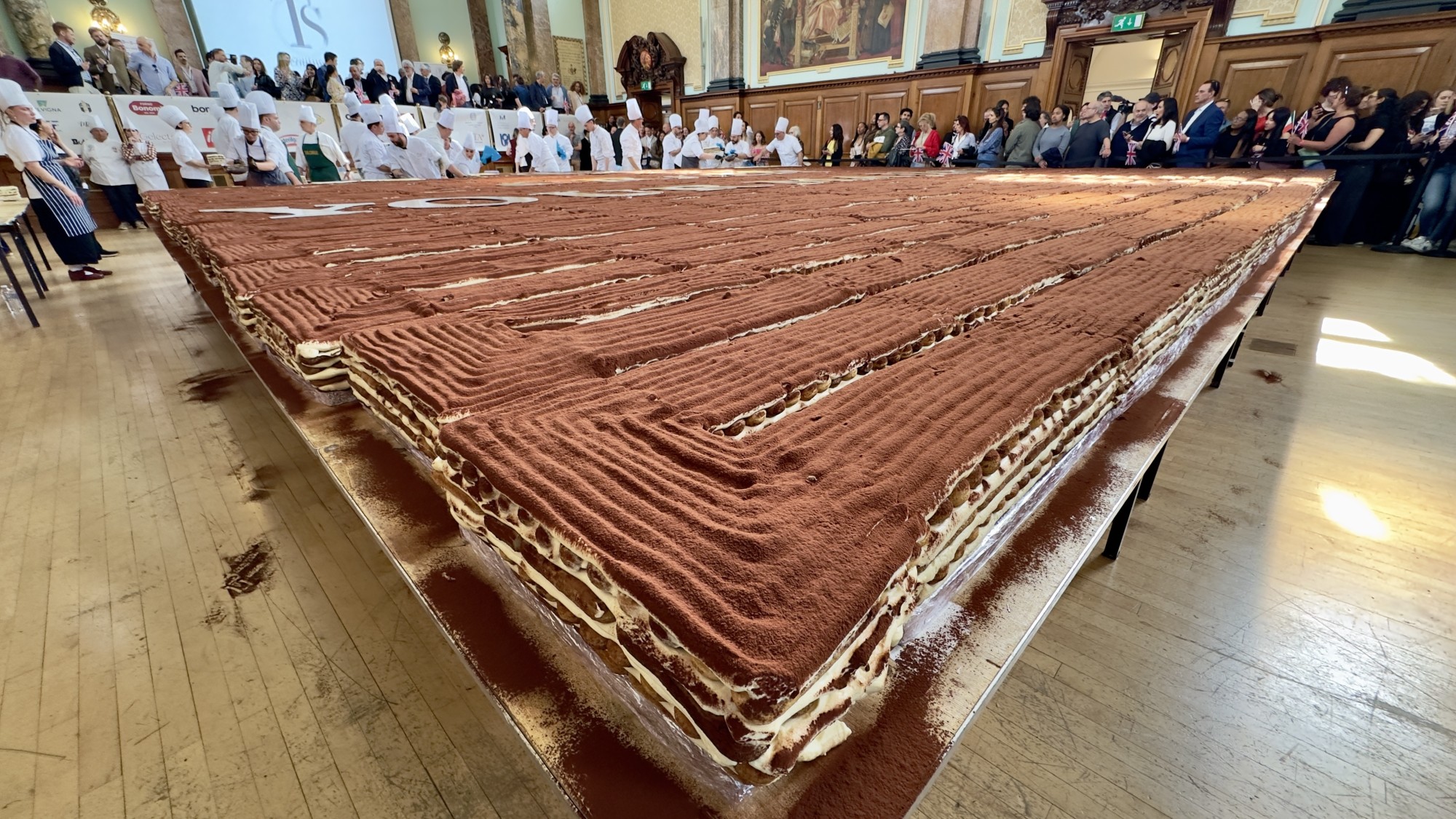
    The world’s longest tiramisu in history is on display at Chelsea Old Town Hall in London. Around 100 Italian chefs used 3,000 eggs and 50,000 ladyfinger biscuits to make the 1,445.5-foot-long dessert, toppling the record of 897.3 feet set in Milan in 2019. 
    Muhammed Yaylali / Anadolu / Getty Images


    Puzzles

    Daily sudoku

    Challenge yourself with The Week’s daily sudoku, part of our puzzles section, which also includes guess the number

    Play here


    The Week recommends

    A guide to Arizona’s spectacular national parks

    Arizona’s three parks show off the state’s beauty in different ways. The Grand Canyon offers jaw-dropping views, while Saguaro celebrates the iconic native cactus, and the Petrified Forest showcases ancient fossils and vibrant badlands. Each park has its own story, millions of years in the making.

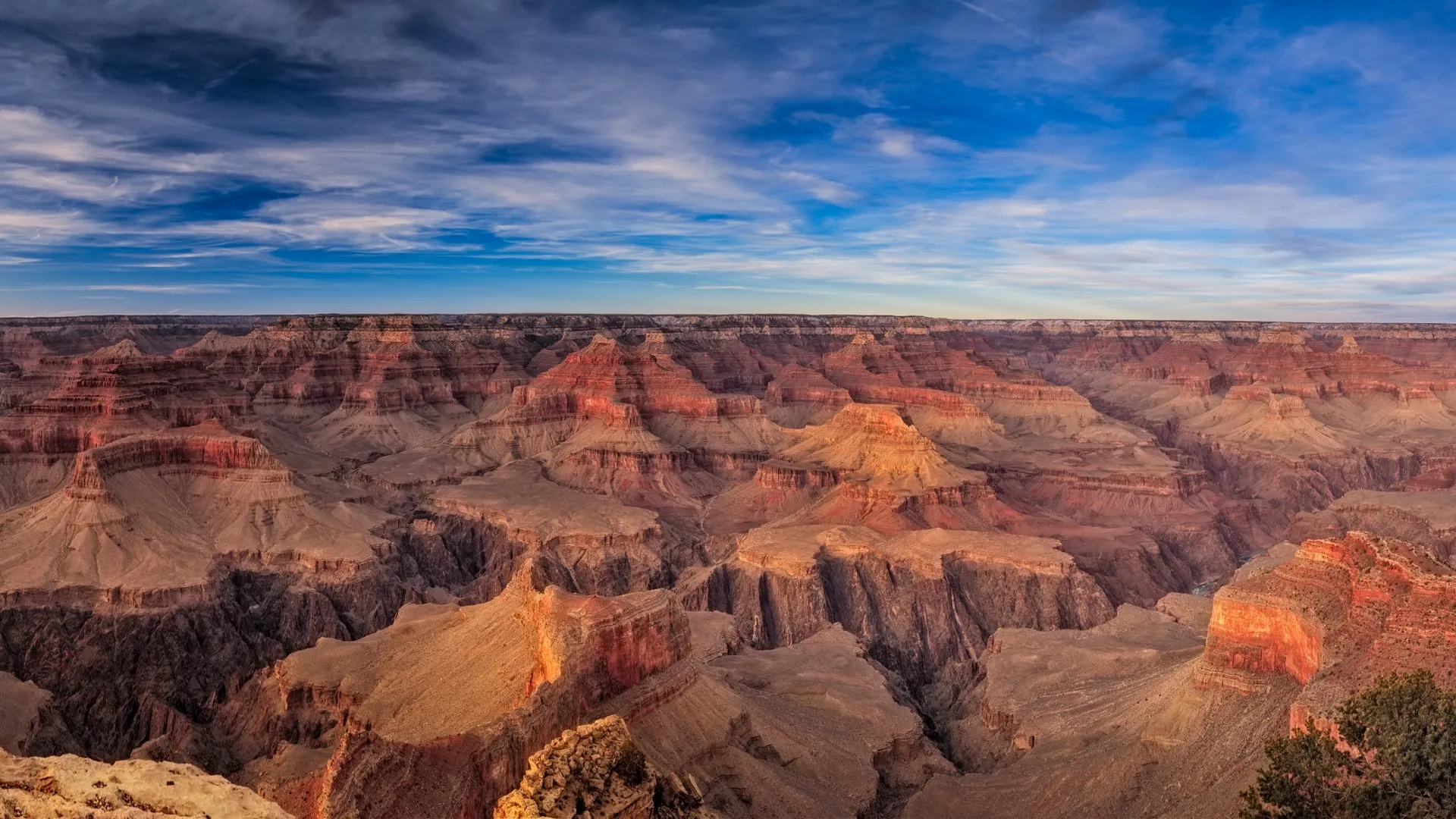
    Grand Canyon 
    This mile-deep canyon is 278 river miles long and 18 miles across at its widest point. The ever-popular South Rim is open year-round and has the “greatest number of viewpoints, visitor services and hotels,” said Afar. Mather Point, extremely popular at sunrise and sunset, has a stunning perspective of the canyon, and on clear days, you can see at least 30 miles to the east and 60 miles to the west. 

    Petrified Forest 
    The 200,000-acre Petrified Forest, part of the greater Painted Desert, provides a “remarkable example” of how this region, a primeval tropical forest, has “radically evolved through the ages,” said National Geographic. Badlands, grasslands, ancestral Pueblo sites, and tons of petrified logs make up the park, along with an “amazing array” of wildlife.

    Saguaro 
    The saguaro cactus is native to the Sonoran Desert, and more than 2 million can be found spread across Saguaro National Park West, in the Tucson Mountains, and Saguaro National Park East, in the Rincon Mountains. The two districts are “nearly an hour’s drive apart,” but both have “towering cacti, captivating desert scenery and outdoor recreation opportunities,” said Travel and Leisure.


    Poll watch

    Most Americans receiving tax refunds this year plan to save or pay off debt rather than spend, according to a survey of 1,000 U.S. consumers from Experian. About 40% will save or invest their refund, and 20% will pay down debt. Only 6% will spend it, down 3 percentage points from last year.


    INSTANT OPINION

    Today’s best commentary

    ‘Millions of clicks on sexual assault — where’s the outrage?’ 
    Jodi Bondi Norgaard at Newsweek
    According to “CNN’s reporting, one porn site, Motherless.com, hosts 20,000 videos of so-called sleep content,” with men “logging on to learn how to drug and violate their wives, their partners, the women sleeping beside them, the people who trust them most,” says Jodi Bondi Norgaard. This is “not a niche crime or a fringe corner” of the internet. This is a “global network that teaches men how to drug and rape women, and it’s met with near silence.”

    ‘Don’t look to my patients for Medicaid fraud. Look at Dr. Oz.’
    Tyler Evans at USA Today
    Mehmet Oz posted a video “accusing New York state of running a fraud-ridden Medicaid program,” but the people “being targeted by these claims are not fraudsters,” says Tyler Evans. The “personal care services Oz attacked in New York are the clinical alternative to nursing home placement.” Oz is “constructing a caricature to make the public comfortable with cutting their care.” This is the person “now running the largest health care financing program” in the U.S.

    ‘This degree changed my life. And it’s essential to a changing America.’
    Thurka Sangaramoorthy at The Washington Post
    Anthropology is a “discipline that teaches students to do something remarkably difficult and remarkably rare: to move between close attention to individual lives and systemic analysis of the structures that shape them,” says Thurka Sangaramoorthy. Americans are “living in what’s called the age of big data,” but the “hardest problems facing institutions, governments and companies right now are not technical ones. They are human ones.” Anthropology is an “essential skill in the age of big data.”


    WORD OF THE DAY

    geophagy

    Eating soil or mud, a practice that has been observed in Gibraltar’s macaques. They snatch “so much junk food from tourists” that they resort to geophagy to “quell their upset stomachs,” said The Telegraph. The monkeys try to “buffer their digestive system,” said Sylvain Lemoine, a biological anthropologist at the U.K.’s University of Cambridge, in a study published in Scientific Reports.


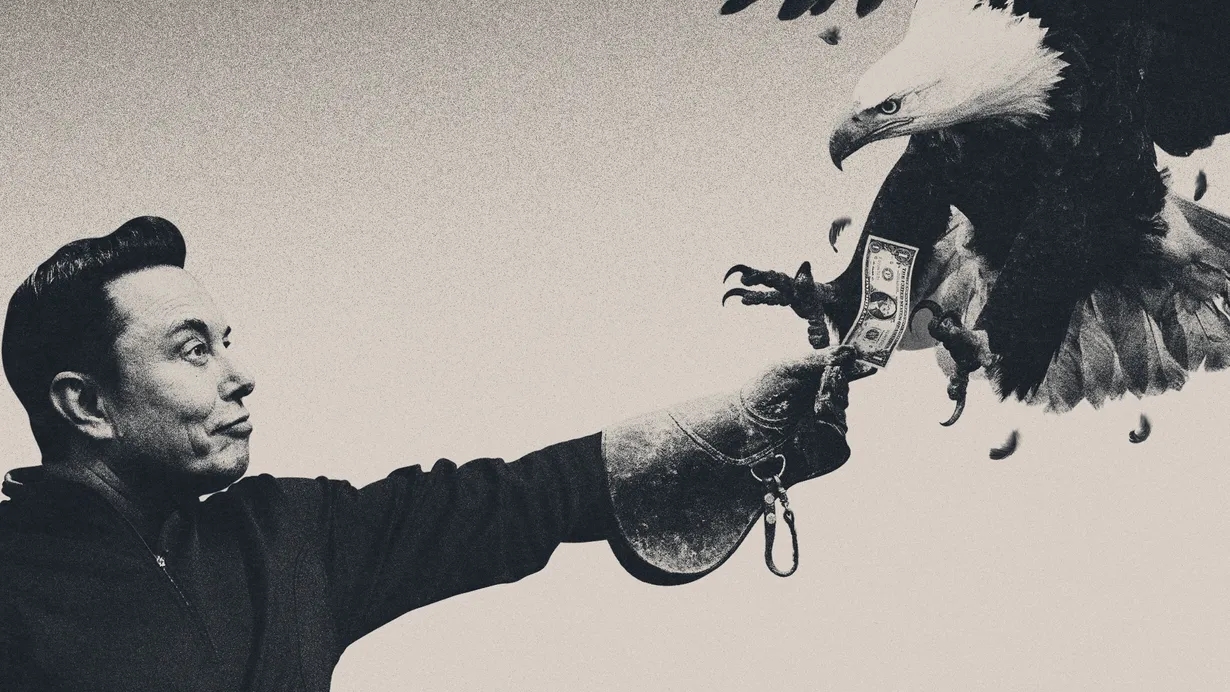
    Evening Review was written and edited by Will Barker, Theara Coleman, Nadia Croes, Catherine Garcia, Scott Hocker, Anya Jaremko-Greenwold, Justin Klawans, Joel Mathis and Rafi Schwartz, with illustrations by Stephen Kelly.

    Image credits, from top:  Illustration by Stephen P. Kelly / Getty Images; Anthony Wallace / AFP / Getty Images; Shidlovski / Getty Images; James Yu / Getty Images
     

    Recent editions

    • Morning Report

      Seeking a motive for press gala attack

    • Sunday Shortlist

      Hathaway goes pop

    • Saturday Wrap

      Is Congress cleaning up its act?

    VIEW ALL
    TheWeek
    • About Us
    • Contact Future's experts
    • Terms and Conditions
    • Privacy Policy
    • Cookie Policy
    • Advertise With Us
    • FAQ
    Add as a preferred source on Google Add as a preferred source on Google

    The Week is part of Future US Inc, an international media group and leading digital publisher. Visit our corporate site.

    © Future US, Inc. Full 7th Floor, 130 West 42nd Street, New York, NY 10036.