The Week The Week
flag of US
US
flag of UK
UK
https://cdn.mos.cms.futurecdn.net/flexiimages/jacafc5zvs1692883516.jpg

SUBSCRIBE & SAVE

Less than $3 per week

Sign in
  • View Profile
  • Sign out
  • The Explainer
  • The Week Recommends
  • Newsletters
  • Cartoons
  • From the Magazine
  • The Week Junior
  • Student Offers
  • More
    • Politics
    • World News
    • Business
    • Health
    • Science
    • Food & Drink
    • Travel
    • Culture
    • History
    • Personal Finance
    • Puzzles
    • Photos
    • The Blend
    • All Categories
  • Newsletter sign up Newsletter
  • The Week Evening Review
    The scourge of antisemitism, saving British steel, and the lowdown on SNL UK

     
    TODAY’S BIG QUESTION

    Antisemitism in the UK: how prevalent is it?

    Keir Starmer has condemned last night’s “horrific antisemitic attack” on four ambulances run by Jewish volunteers in north London. As police pursue three suspects for criminal damage and hate crime, the prime minister said Britons must “all stand together at a moment like this”.

    The attack took place less than a week after two men were charged with spying on London’s Jewish community for Iran, and less than six months after the Yom Kippur attack on Manchester’s Heaton Park synagogue. 

    What did the commentators say?
    “The Jews of Britain are facing conditions not seen in my lifetime,” said Danny Cohen in The Telegraph. “There is a whiff of the 1930s in the air.” We’re facing constant harassment, “violent attacks on property” and “cold-blooded attempts to kill”. People in positions of power “must speak up consistently and unapologetically in support of Britain’s Jews”. 

    “Anti-Jewish hatred is now clear, present and mortally dangerous,” said Jonathan Freedland in The Guardian. Incidents of antisemitism are “through the roof”.  Of course, “every minority faces discrimination”, but “next to no other diaspora community goes through this”. Vladimir Putin’s invasion of Ukraine does not mean Russian Orthodox churches require “round-the-clock protection”, and while people may “loathe” Donald Trump’s aggression in the Middle East, “US-branded stores on UK high streets are not smashed and daubed”. Yet “Israel and Jews are the exception”.

    At British universities, “campus antisemitism has been a problem for decades”, said Stephen Pollard in The Spectator. But now it is a “critical problem that is out of control”. The “sheer scale of the hate” is borne out by last week’s Union of Jewish Students report that one in five students wouldn’t share a house with a Jew, and that 47% think the 7 October attacks were “justified”.

    What next?
    Counter-terror police are investigating a claim from an Iran-aligned group that it was responsible for the ambulance attacks. “This will raise concerns that Tehran is mounting a concerted campaign of attacks across Europe,” said The Telegraph.

    Simply taking “measures to ensure the safety of Jewish people” is not enough, said Prospect. They must be “supplemented by a politics that promotes broad alliances against racism, of which antisemitism is one example, and by the practice of anti-racist solidarity”.


    THE EXPLAINER

    A new steel tariff strategy for Britain

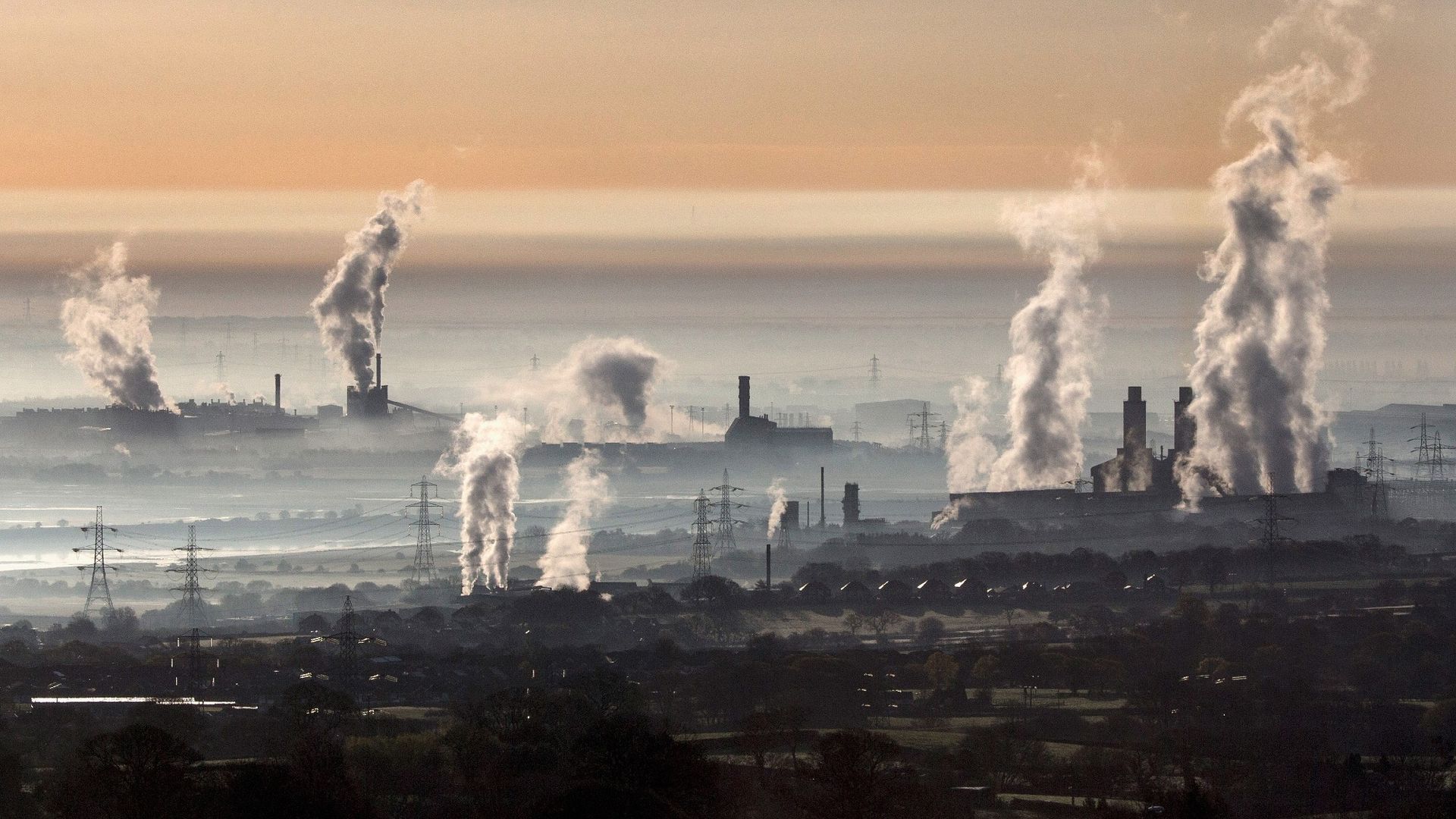
    At least half of the steel used in Britain will be made in the country under a new government strategy for the struggling sector. This is a “watershed moment”, said Sky News, and, in “economic and historical terms”, it’s “dynamite”.

    What are they?
    The government’s “ambition” is to raise the proportion of domestically produced steel from the current record low of 30%, said the Department for Business and Trade. The new strategy proposes a new tariff on many steel imports and a reform of quotas on those imports. Imported steel quotas will be reduced by 60%, and anything brought in above that level will be subject to a 50% tariff.

    Up to £2.5 billion will be given to steel producers that have effectively been nationalised and to support private steelmakers around the UK in their quest to produce lower-carbon metal.

    Why are the tariffs so important?
    These are “probably the biggest increases” in trade barriers imposed by a British government in “at least a generation”, said Sky News. Other countries, “most glaringly” the US under Donald Trump, have raised many of their tariff barriers, but Britain had “held firm”. For many ministers, it was a “matter of national pride”, because they “felt that to raise tariffs, even in an environment where everyone else was, would be an abomination”. But now, Britain is “dipping its toes into the waters of protectionism”.

    Will they work?
    A leading HS2 contractor has warned that raising tariffs on foreign steel imports will “exacerbate” cost pressures for the UK construction industry. With energy costs rising and an already depressed construction sector, the move is “ill-timed and unhelpful”, Mark Reynolds, chair of construction company Mace, told The Guardian.

    But Gareth Stace, director general of UK Steel, has argued that “with global markets distorted by overcapacity and subsidy, a clear and ambitious domestic strategy is exactly what is required to ensure steelmaking not only survives in the UK but thrives”.


    QUOTE OF THE DAY

    “The United States of America and the country of Iran, have had, over the last two days, very good and productive conversations regarding a complete and total resolution of our hostilities in the Middle East.”

    Donald Trump announces that US airstrikes on Iranian power plants and energy infrastructure are being postponed for five days, in a Truth Social post this morning. Iran had threatened to “completely destroy” essential infrastructure across the Middle East in retaliation. 


    Poll watch

    A majority of Brits look at their mobile phone at least some of the time while watching shows (64%) or films (56%) on TV, according to a YouGov poll of 2,004 adults. Of those who “rarely” or “never” do, 39% said they sometimes miss key plot events or details, compared with 60% of the most committed “second screeners” – those who are on their phone “most times” or “every time” they watch.  


    TALKING POINT

    Saturday Night Live UK: laugh like no one’s watching?

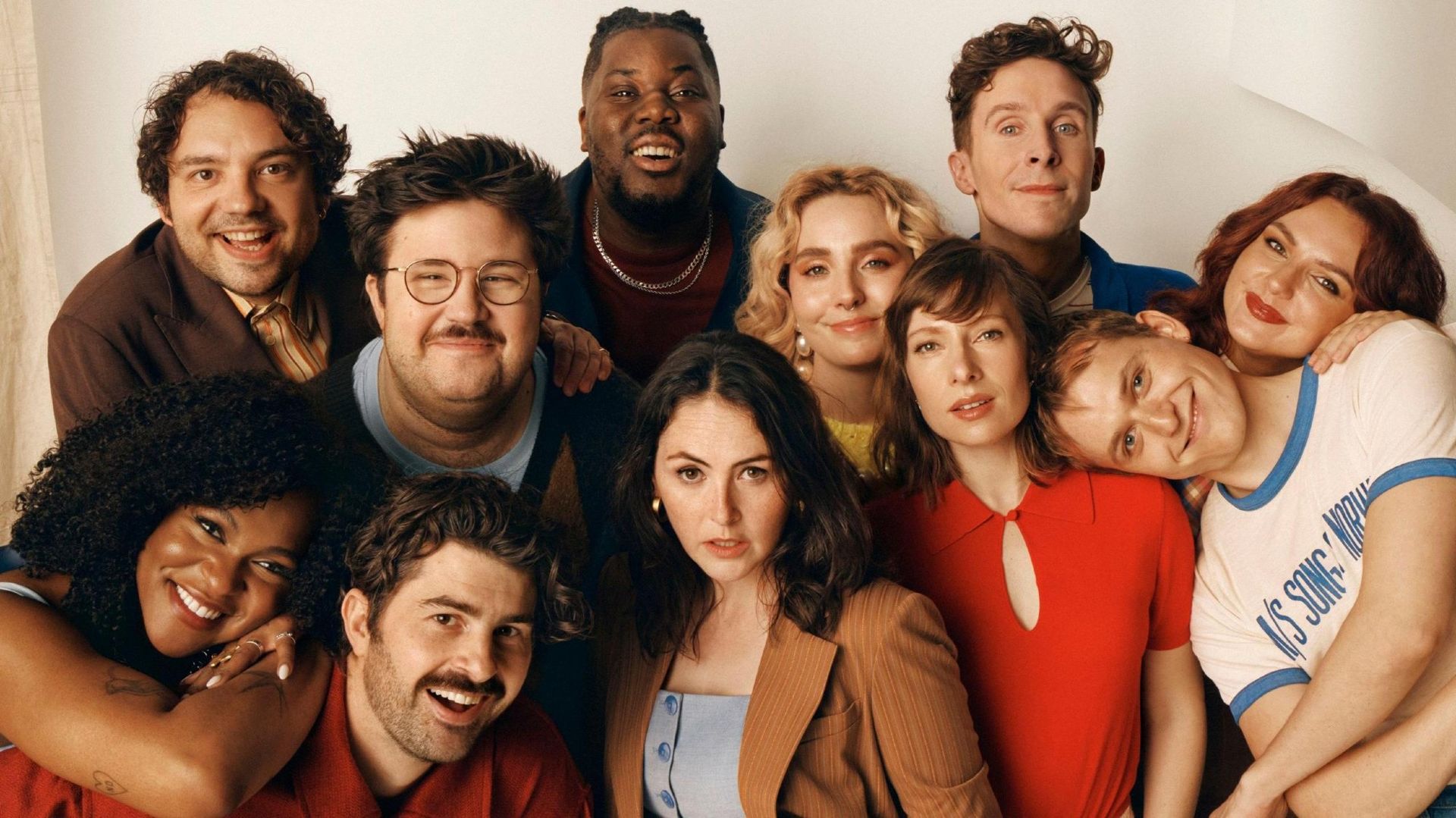
    It clearly tickled Donald Trump’s fancy. The debut episode of live sketch comedy “Saturday Night Live UK” went down so well with the US president that he treated his Truth Social followers to a clip mocking Keir Starmer for being scared to talk to him about the war in Iran. British reviewers were not so amused by the UK version of the long-running US show, however.

    ‘Tepid cosplay’
    “I do not want to condemn this whole endeavour outright,” said Charlotte Ivers in The Times. “But the spark is not there yet.” We and “our US cousins” have “wildly differing senses of humour”, and watching this, you feel it “like a physical ache”.

    No one “cried” or “fluffed their lines”, said Alison Rowat in The Herald, but “you could almost smell the tension in the studio”. There was “good” but also “bad” and “so-so”. Nothing was “hilarious”, but “some sketches raised a smile”.

    SNL “represents the quintessence of the American comedic establishment”, but its name doesn’t have “much Clapham omnibus cut-through here in Britain”, said Nick Hilton in The Independent. So “it’s a bit of a shame” that the team “plays it so safe” with the imported formula. It seemed like “tepid cosplay”.

    ‘Stinging gags’
    “It could have been a lot, lot worse,” said Lucy Mangan in The Guardian. And the show’s likely to become “a lot, lot better” as the team find their feet over the coming weeks. It was “refreshing” that “an ambition/piece of madness like retooling a legacy US brand for this septic isle” is “even being attempted”, so “let’s hope it can build towards real success”.

    The first episode was “competent, untroubled by either annoying American-isms or annoying Americans – and occasionally hilarious”, said Ed Power in The Telegraph. Guest host Tina Fey was “effortlessly commanding”, thanks to her “visible ease with the format”, but the “real highlight was the Weekend Update section”, with its “stinging and completely non-woke gags” about Andrew Mountbatten-Windsor, Trump and the Strait of Hormuz. The schadenfreude with which social-media users were predicting it would “crash and burn” was “wide of the mark”. I’d say it “was off to a flying start”.


    Good day 🚂

    … for rail north of the border, where Glasgow Central station is to fully reopen on Wednesday, more than two weeks after a massive fire destroyed a neighbouring building. Scotland’s busiest railway station partially reopened last week with a limited timetable.


    Bad day 🚆

    … for rail south of the border, where the planned HS2 high-speed trains may not be so speedy after all. In a bid to reduce costs and construction delays, the government is to order the company building the network to consider reducing the proposed maximum speed of 360km/h (224mph) on the line between London and Birmingham.


    PICTURE OF THE DAY

    Up and over

    Hot air balloons decorated with traditional and cultural motifs take flight during a festival in Wonosobo, Central Java, Indonesia. The annual event is a celebration of Eid al-Fitr, which marks the end of the Islamic holy fasting month of Ramadan.

    Devi Rahman / AFP / Getty Images


    Puzzles

    Guess the number

    Try The Week’s daily number challenge in our puzzles and quizzes section

    Play here


    THE WEEK RECOMMENDS

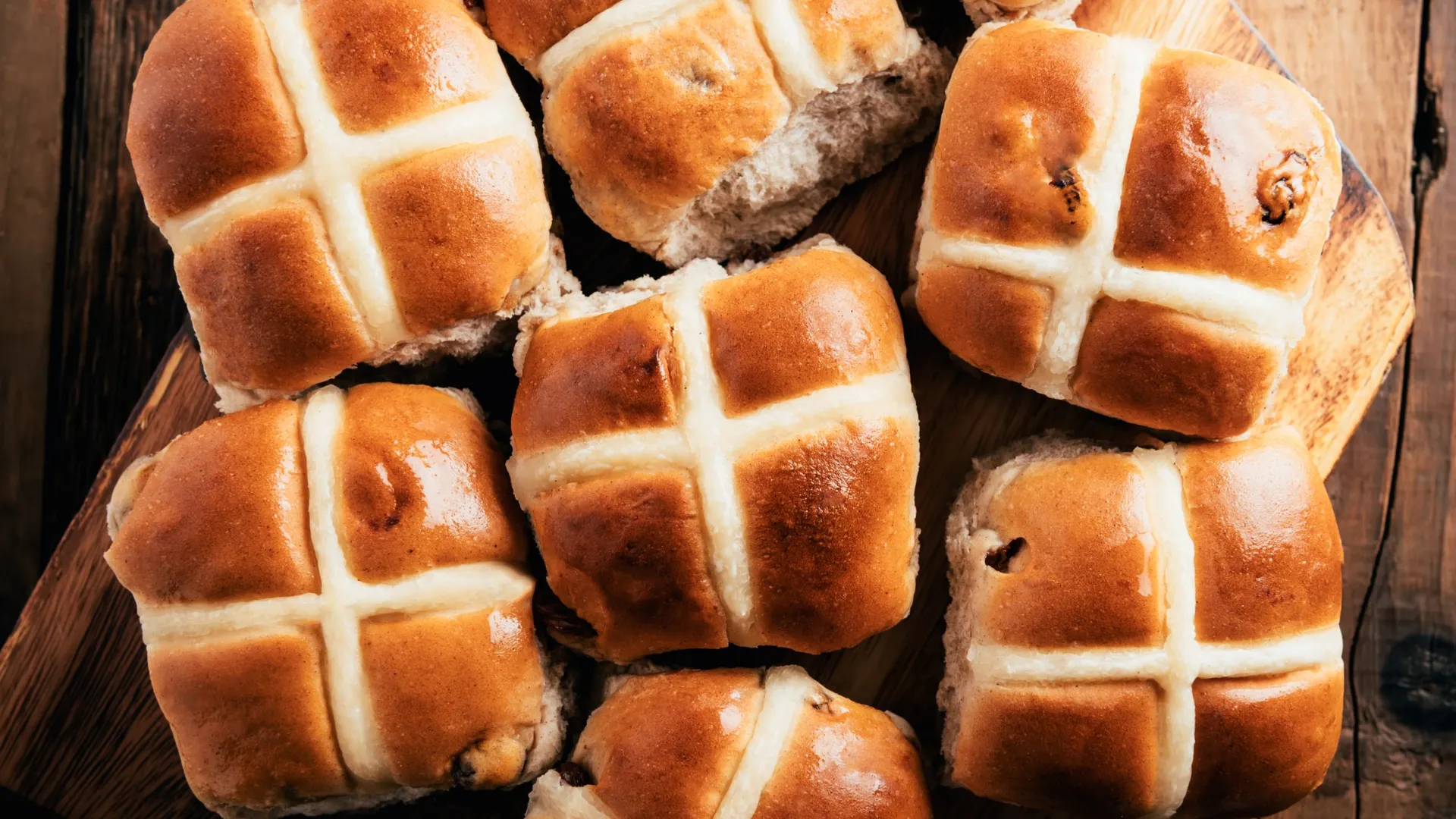
    Best classic hot cross buns for Easter

    Supermarkets have long been obsessed with the “novelty” hot cross bun, filling shelves with versions “that skew from genuinely delicious to properly weird”, said Sadhbh O’Sullivan in The i Paper. This year’s “array” includes everything “from Cheddar and carrot cake to tiramisu, Neapolitan ice cream and Marmite”, but many of us just want the traditional “lightly spiced, sweet bun, studded with currants and candied peel, and topped with a cross”. Here are some of the best classics.

    Honey & Co. Hot Cross Buns
    These “utterly delightful” buns are flavoured with “deep and warming” spices and the “subtle nuttiness” of spelt, said The i Paper’s O’Sullivan. The dried fruits are “generously shared” and “the crumb is light and fluffy”. I scored them a solid 10 out of 10.

    Aldi Specially Selected Luxury Fruited Hot Cross Buns
    Aldi’s buns are “neat, fat” and “square”, said Xanthe Clay in The Telegraph. With “lovely chewy heft” and “heady mix of citrus and spicy flavours”, they’re the “perfect bun to scoff after a long country walk”.

    Costa Classic Hot Cross Bun
    “When a hot cross bun craving strikes, make a beeline for Costa,” said Stacey Smith in Good Housekeeping. According to our panel of expert tasters, the coffee chain’s buns are the “tastiest classic”: the “cinnamon-spiked” dough is dotted with a “generous helping of juicy dried fruit” and candied lemon peel.

    Asda Exceptional Extra Fruity Hot Cross Buns
    Asda’s buns had the “most appetising appearance” of all those we tasted, said Which? tester Brianna Watson, and the flavour, texture and amount of fruit were all “spot on”. A “great flavour at a great price”.

    Gail’s Hot Cross Buns
    Gail’s buns are “hard to beat”, said Alice Reynolds in The Independent. They look “stunning”, with a darker, heavier look than most supermarket offerings. The “artisanal” cross perches on a “crispy” shell of clove, star anise and nutmeg syrup “that’s oh so moreish”. And the dough inside is “perfectly” spiced, with candied orange peel adding a “complex citrus hit”. Stand-out buns that bring a “ray of sunshine on each bite”.


    Statistic of the day

    £2,000: How much less savers with student loans are putting aside each year for house deposits, compared with those without the debt. Research for Barclays found that 44% of student loan holders believe the repayments limit their ability to build long-term financial stability.


    instant opinion

    Today’s best commentary

    The sickening reason Trump is treating a real war like a video game
    Robert Fox in The Independent
    The US administration’s social media messaging about the Iran war overlays “footage of strikes” with video game soundtracks and cartoon characters, writes Robert Fox. This shift to “gamifying” the conflict is designed to “dehumanise war and its consequences”, and turn it into a spectator sport. But “for all the kapow and wham” from the White House, “back down in the real world of the bombing and blood, the Iranians seem pretty well prepared for their battle of survival”.

    Is Prince William really a shy Christian?
    Theo Hobson in The Spectator
    “There is an air of vagueness” in Prince William’s “not-quite-statement” about “his commitment to the Church”, writes theologian Theo Hobson. The “ambiguous” wording means he can be viewed both as “a deep but shy Christian” and “an honest agnostic”. It’s “an odd fate, to inherit a role that requires a certain specific religious allegiance”, but his refusal “to claim to be a Christian for convenience’s sake” is laudable. “Our age prizes authenticity and rightly so goddammit.”

    Young people are longing for the low-tech 90s – and so would I, if I could only remember them
    Emma Beddington in The Guardian
    Gen Z is “vibe-mining” the 1990s, “feeling they missed out on a golden age of analogue freedom”, writes Emma Beddington. “Good on them” for wanting to appreciate offline living. As a Gen Xer, I should offer pointers, but “addled by overexposure to a digital culture my analogue brain struggles to process”, I remember nothing. “I was there” but it’s a “murky” blur. “I need a diary reminder to put on deodorant; obviously I have no idea what 1992 was like.”


    word of the day

    Headbutting

    What sperm whales have been caught doing on camera, 200 years after such an attack inspired Herman Melville’s “Moby-Dick”. Previously, there was only anecdotal evidence of sperm whales using their heads to push and strike objects, but now researchers using a drone have filmed young whales headbutting each other in the eastern Atlantic Ocean, according to a study in the journal Marine Mammal Science.


    Evening Review was written and edited by Jamie Timson, Chas Newkey-Burden, Will Barker, Irenie Forshaw, Helen Brown, David Edwards and Kari Wilkin, with illustrations from Stephen Kelly.

    Image credits, from top: illustration by Stephen Kelly / Shutterstock / Getty Images; Christopher Furlong / Getty Images; Charlotte Rutherford / Sky TV; Devi Rahman / AFP / Getty Images; Anna Denisova / Getty Images

    Morning Report and Evening Review were named Newsletter of the Year at the Publisher Newsletter Awards 2025
     

    Recent editions

    • Sunday Shortlist

      A science teacher saves the universe

    • Saturday Wrap

      A lack of homeland security?

    • Evening Review

      Are the US and Israel fighting the same war?

    VIEW ALL
    TheWeek
    • About Us
    • Contact Future's experts
    • Terms and Conditions
    • Privacy Policy
    • Cookie Policy
    • Advertise With Us
    • FAQ
    Add as a preferred source on Google Add as a preferred source on Google

    The Week is part of Future US Inc, an international media group and leading digital publisher. Visit our corporate site.

    © Future US, Inc. Full 7th Floor, 130 West 42nd Street, New York, NY 10036.