The Week The Week
flag of US
US
flag of UK
UK
https://cdn.mos.cms.futurecdn.net/flexiimages/jacafc5zvs1692883516.jpg

SUBSCRIBE & SAVE

Less than $3 per week

Sign in
  • View Profile
  • Sign out
  • The Explainer
  • The Week Recommends
  • Newsletters
  • Cartoons
  • From the Magazine
  • The Week Junior
  • Student Offers
  • More
    • Politics
    • World News
    • Business
    • Health
    • Science
    • Food & Drink
    • Travel
    • Culture
    • History
    • Personal Finance
    • Puzzles
    • Photos
    • The Blend
    • All Categories
  • Newsletter sign up Newsletter
  • The Week Evening Review
    Iran’s new ‘shakedown’, solar savings, and a French aristocrat on the run

     
    TODAY’S BIG QUESTION

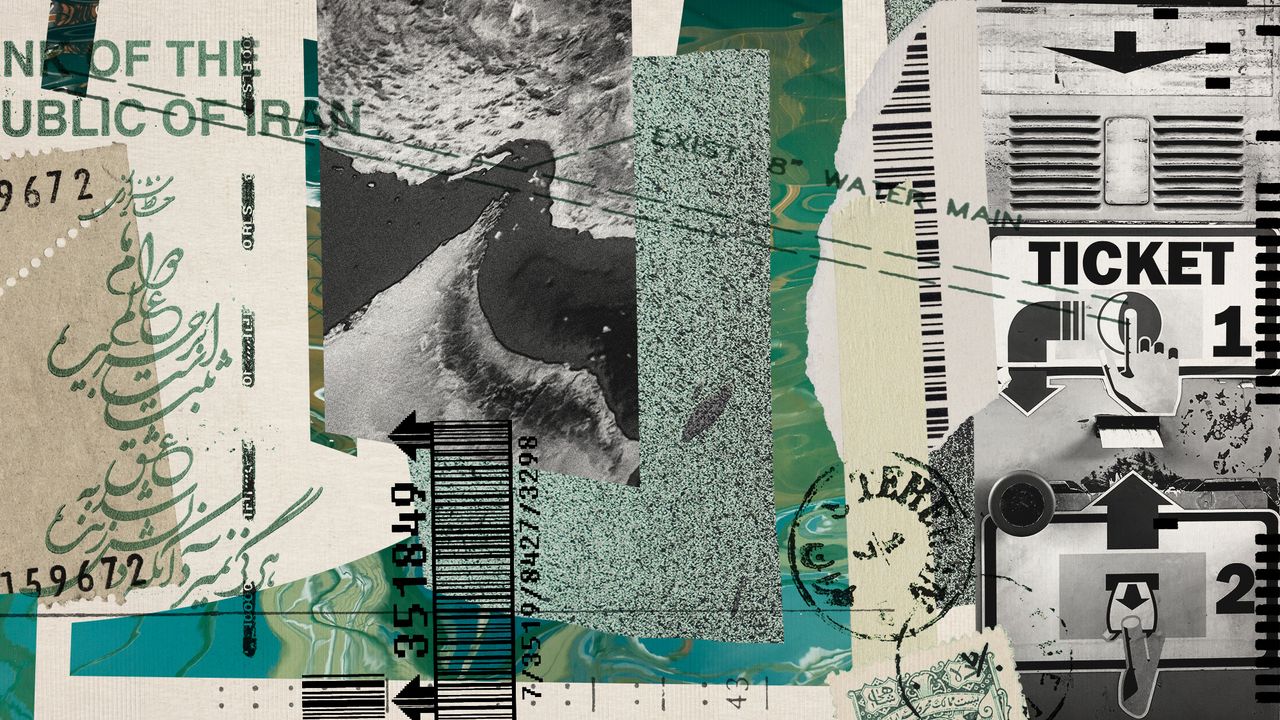
    Will the ‘Tehran Tollbooth’ upend Trump’s war plans?

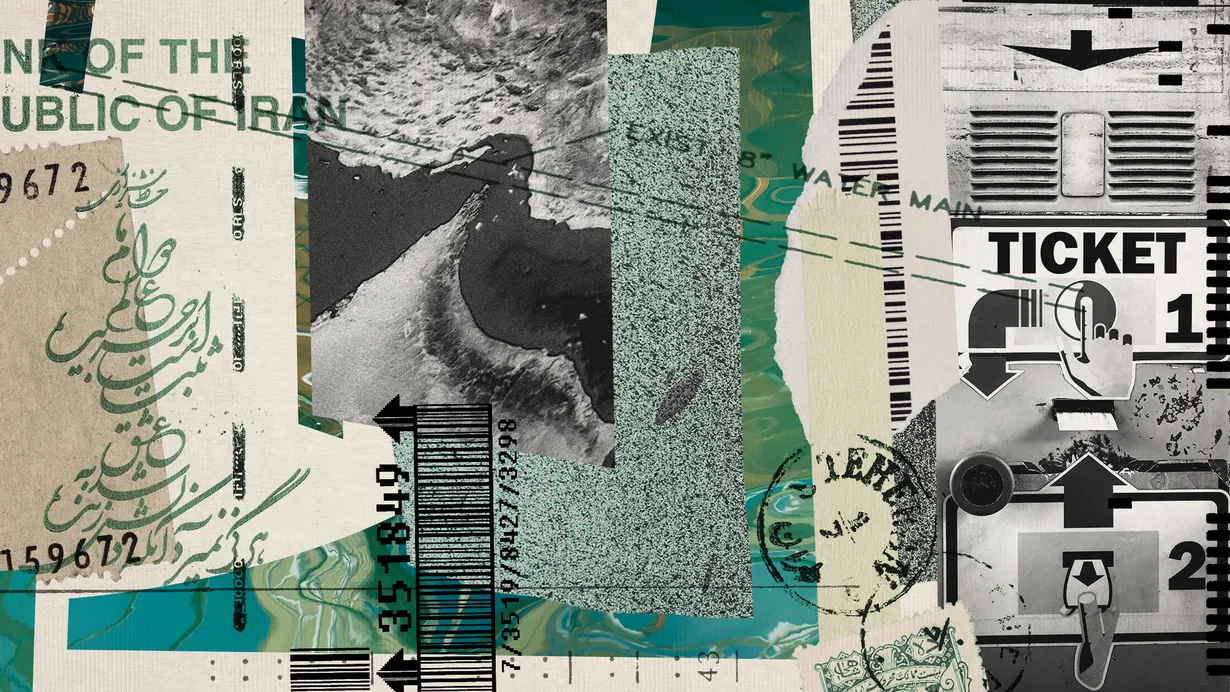
    Iran has begun allowing approved oil tankers through a narrow part of the Strait of Hormuz, but some ships are being charged high fees for the privilege. With what has been dubbed the “Tehran Tollbooth”, Iran is “setting itself up as the gatekeeper” for the strait, said The Associated Press, and cementing its “de facto chokehold over the crucial waterway” while keeping “its own oil flowing to China”. This success in throttling its enemies’ fuel shipments is forcing Donald Trump to reframe his war in petrochemical terms. 

    What did the commentators say?
    Charging selective fees on ships hoping to move through the Strait of Hormuz is “another sign” of Tehran’s dominance over the world’s “most important maritime energy channel”, said Bloomberg. Although the current payment system is being applied on a “case-by-case basis”, Iran has “floated the idea of formalising the charges as part of a broader postwar settlement”.

    Countries including India, Pakistan, Iraq, Malaysia and China are “understood to be discussing vessel transit plans directly with Tehran”, said Lloyd’s List. Iran has created a “de facto ‘safe’ shipping corridor through its territorial waters”, providing passage for approved ships in exchange for, “in at least one case, a reported $2 million payment”.

    “It’s a shakedown” but “tankers are happy to pay”, said the Foundation for Defense of Democracies. And the dynamic is “only exacerbated” by the Trump administration’s decision to lift sanctions on some Iranian oil. Iran’s chokehold on the Gulf has forced the White House to explore previously unimaginable fuel futures, including what a “potential spike” of up to $200 per barrel in oil prices would “mean for the economy”, Bloomberg said. So far in the US, the “most visible impact” of the growing fuel crisis is an estimated 30% increase in the retail gasoline cost, which has wiped away declines that Trump had “touted as a key economic achievement”.

    What next?
    No one thought the Strait of Hormuz would be closed for almost a month “with no end in sight”, said Lloyd’s List, nor that Iran’s oil exports could “keep flowing” even when the waterway was shut to its enemies. “Not only are they still flowing, they are doing so with America’s blessing.”

    Some will hope that “‘the world’ will not allow the Tehran Tollbooth to persist, and that the US military will intervene”. But the latest events in the Middle East “have not followed the predicted course, so don’t be too sure”.


    THE EXPLAINER

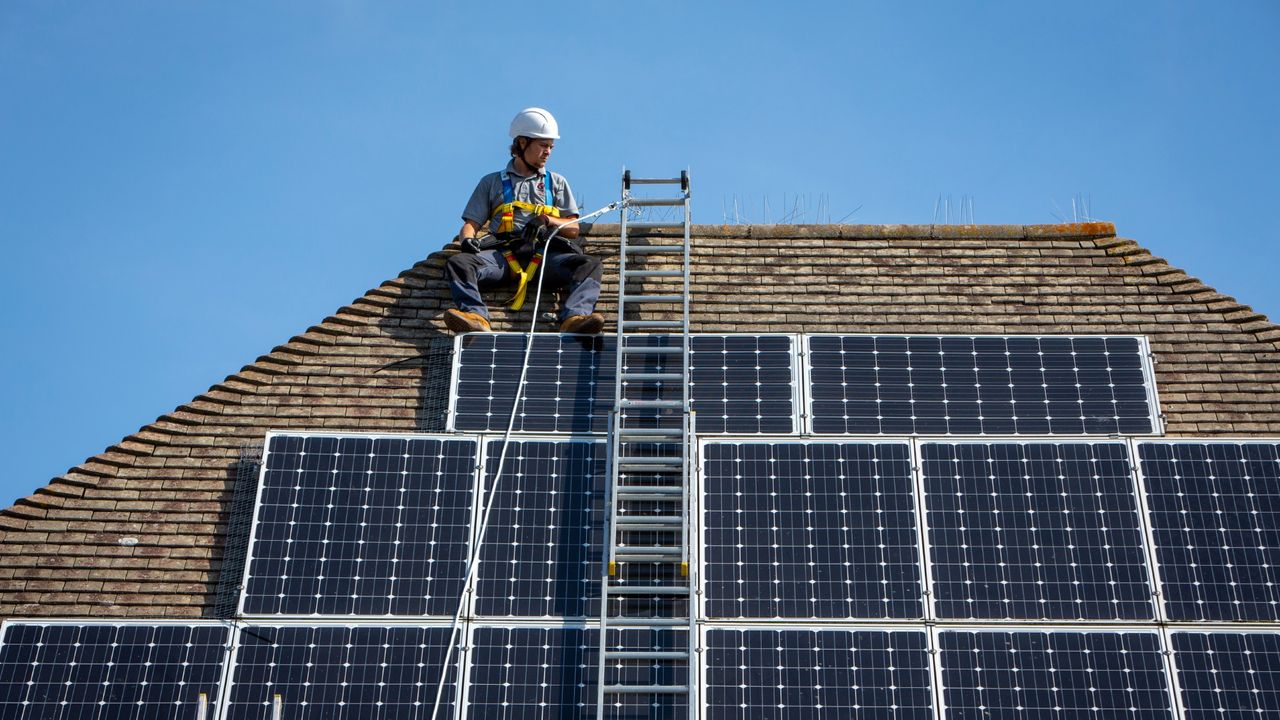
    Can solar panels save you money?

    Britain’s largest energy company, Octopus Energy, has reported a 50% surge in solar panel sales as the war in Iran pushes up oil and gas prices, leading to fears that energy bills will spike when Ofgem sets its next price cap. Meanwhile, the government is in talks to relax current restrictions that ban the sale of plug-in solar panels, which it has said could be available in shops “within months”.

    How much do solar panels cost?
    Traditional solar panels cost an average of £6,100. “Various financing options” are available, said The i Paper, although the interest payments mean this would “cost you more in the long term”. A solar battery, which can store excess power generated by your solar panels for use later, would add around £4,500 to the set-up costs, although that would be offset by the additional electricity.

    If restrictions are relaxed on plug-in solar panels, they will be a more affordable option, retailing for a single up-front cost of around £400. The panels can be placed in sun-exposed areas such as gardens and balconies, or on external walls.

    Are they suitable for all homes?
    The location and orientation of your house makes a difference. The further south you live, the greater the potential savings, as southern homes generally enjoy slightly more daylight than those in the north. South-facing roofs are ideal for maximum sunlight, while north-facing or overshadowed roofs will be less efficient. And if your property is listed or is in a conservation area, you might need to get approval from your council’s building control team.

    How much could you save?
    Savings will depend on individual circumstances, but according to Energy Saving Trust estimates, a typical household could save between £190 and £350 a year at current Energy Price Cap rates.

    Smaller and cheaper plug-in panels “could cut around £100 off household bills each year”, said The i Paper, meaning that the purchase price “could be covered within about four years by the savings they generate, with any additional electricity they produce being effectively free”.


    QUOTE OF THE DAY

    “You’d better answer that. It might be someone important.”

    The late Queen Elizabeth’s favoured quip if someone’s phone rang while she was talking to them, according to a new book. She “had a good sense of humour, though it was all too often contained”, Hugo Vickers said in an excerpt of “Queen Elizabeth II” adapted for the Daily Mail.


    Poll watch

    Half of Britons have asked a neighbour for help in the past year. Of 3,000 adults surveyed by neighbourhood network Nextdoor, 36% had asked a neighbour to check on their home, while 24% had asked for assistance moving heavy items and furniture. More than a third (37%) know someone on their street by name and regularly stop to chat.


    IN THE SPOTLIGHT

    The manhunt for the ‘French Lord Lucan’

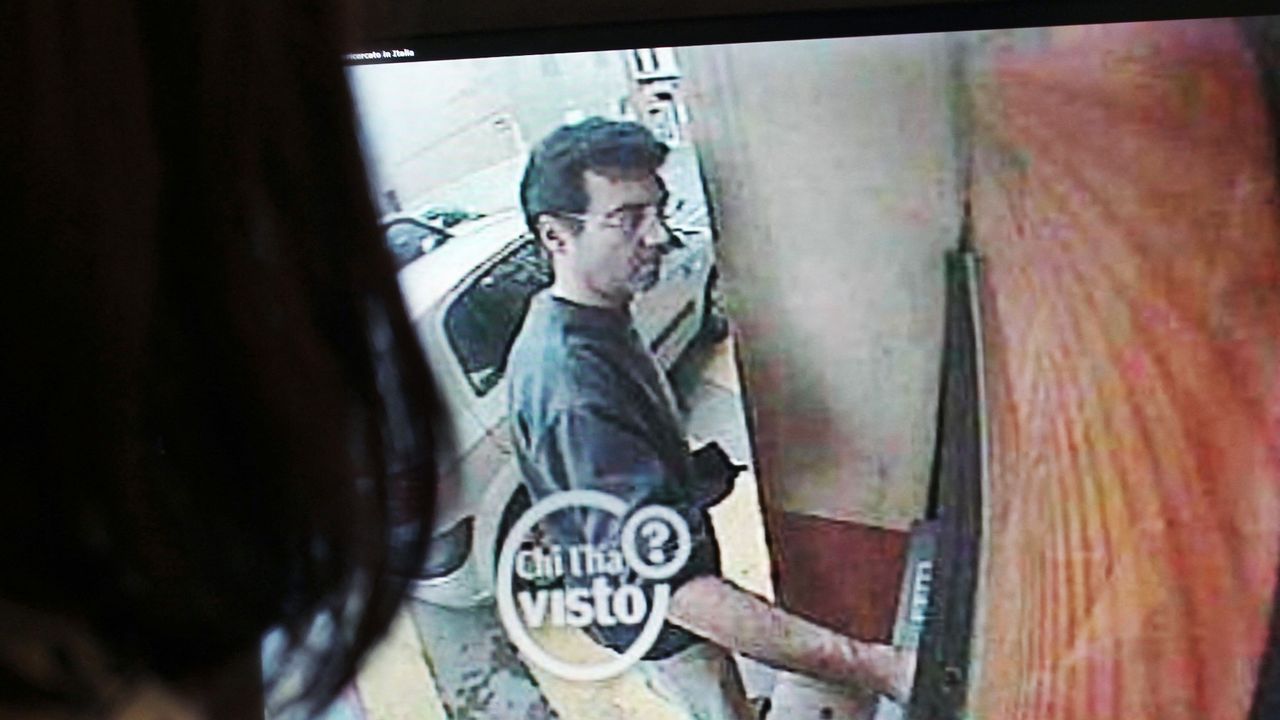
    West Texas isn’t an obvious hiding place for a French aristocrat who disappeared 15 years ago after his family were found murdered. But the Sheriff’s Office of Brewster County last week posted a request for information about Xavier Dupont de Ligonnès, following a tip-off from an investigative news team that he had been seen in the south of the region in 2020, accompanied by a black Labrador.

    Ligonnès (pictured above in 2011) “had previously travelled to Brewster County and reportedly claimed it was one of his favourite places”, the sheriff said on the office’s Facebook page. The post was “enough to stir a frenzy” among French “amateur sleuths and crime fans”, said The Times. Their “favourite mystery” echoes the enduring controversy around the UK’s “elusive Lord Lucan”.

    Last confirmed sighting
    Ligonnès was 50 when the bodies of his wife, Agnès, and his children – Arthur, 20, Thomas, 18, Anne, 16, and Benoît, 13 – were discovered under the patio at their home in Nantes in April 2011. They had all been shot, wrapped in sheets, covered in quicklime and buried, along with the two family dogs. The last confirmed sighting of Ligonnès was two weeks after the bodies were discovered, at a motel near Saint-Tropez. His car was later found abandoned in the car park.

    Initial investigations revealed that, in the days before the killings, Ligonnès had bought cement, digging tools and four bags of lime in various locations in the Nantes area. He also owned a .22 rifle similar to the one used in the killings, and had recently bought ammunition and gone to practise at a local shooting club.

    False leads
    Ligonnès, who had an aristocratic lineage, was a “failed businessman”, said The Times. He “lived a fantasy life in which he claimed he was, among other things, a US intelligence agent”. But by the time of his disappearance, he had accrued significant debts and was struggling to maintain his family’s outwardly comfortable lifestyle.

    Reports subsequently emerged that Ligonnès had written to friends up to a year before the killings, warning that he was contemplating “suicide, alone or collective” and “shooting up the house while everyone is sleeping”. In the months and years since, hundreds of sightings of Ligonnès have been reported to police, but all have so far proved to be false leads. 


    Good day 🎤

    … for fans of Celine Dion, who has announced her first full-length concerts since being diagnosed with the rare and incurable stiff-person syndrome in 2022. The French-Canadian singer was forced to cancel her world tour as a result of the neurological disorder, but is now planning 10 comeback shows in Paris in September and October.


    Bad day 🤡

    … for Bolivia’s clowns, who have been protesting this week against a government decree limiting extracurricular activities in schools. The new mandate demands 200 days of lessons a year, leaving little time for schools to host festivities that the entertainers rely on for employment.


    PICTURE OF THE DAY

    Welcome change

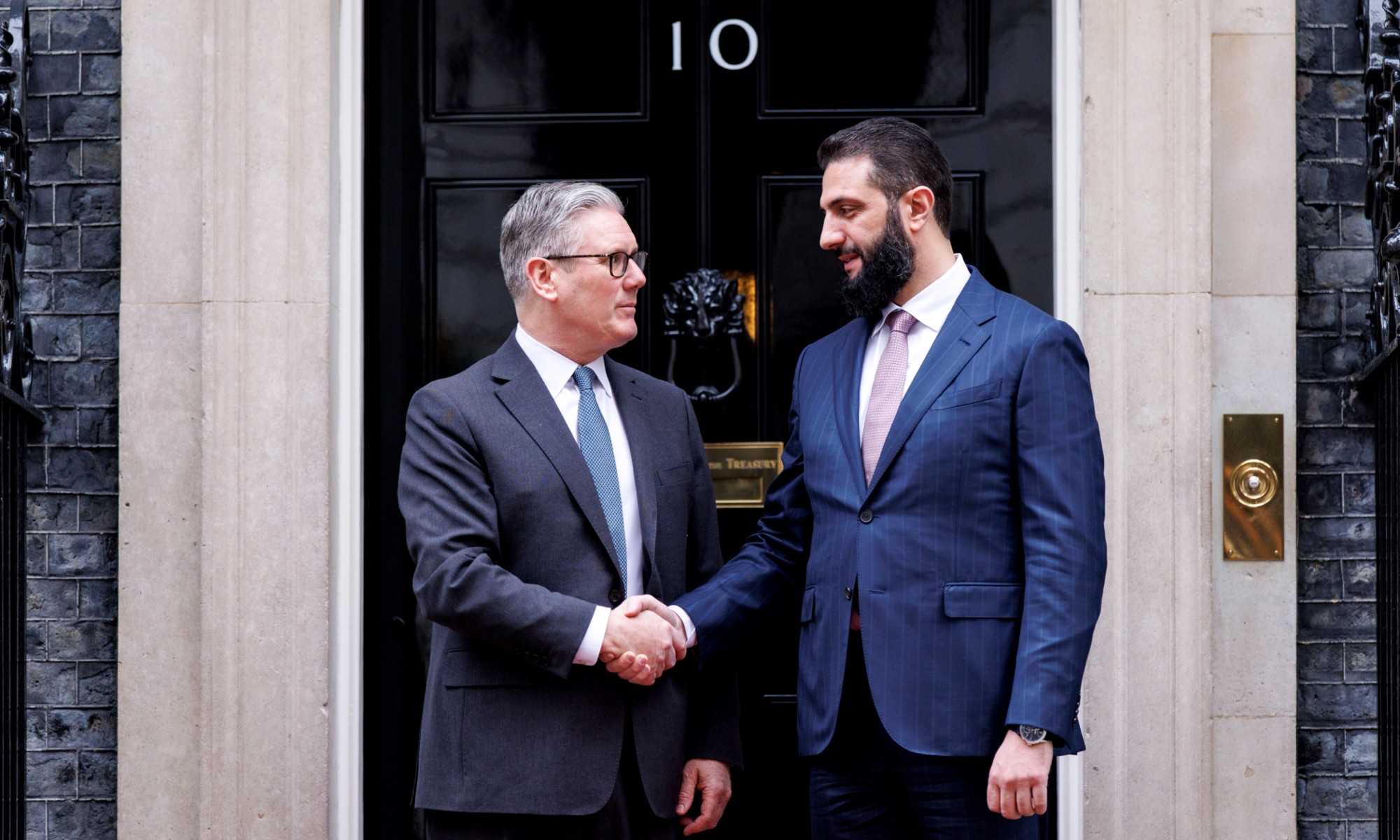
    Keir Starmer greets Syria’s President Ahmed al-Sharaa outside Downing Street during his first official trip to the UK. The Syrian British Consortium described the visit as a “new chapter in UK-Syria relations” following the fall of the Assad regime in 2024.

    Tolga Akmen / EPA / Shutterstock


    Puzzles

    Guess the number

    Try The Week’s daily number challenge in our puzzles and quizzes section

    Play here


    THE WEEK RECOMMENDS

    Spectacular walks along the King Charles III Coastal Path

    Spanning 2,700 miles, the “gorgeous” new King Charles III Coastal Path will be the “longest managed coastal path in the entire world” once fully open, said Amy Houghton in Time Out.

    The project was initiated in 2008, when Gordon Brown was prime minister. Almost two decades later, King Charles has finally inaugurated the footpath, with 80% now open to the public, and the remainder to be completed by the end of the year. Once finished, the trail will stretch around the entire coast of England, joining up with the existing 870-mile coastal path in Wales. The new route is a “path of spectacular beauty” that weaves along “cliff edges and across chalk downs, through dunes and around estuaries, linking castles, smugglers’ villages and seaside resorts”, said Andrew Eames in The Sunday Times.

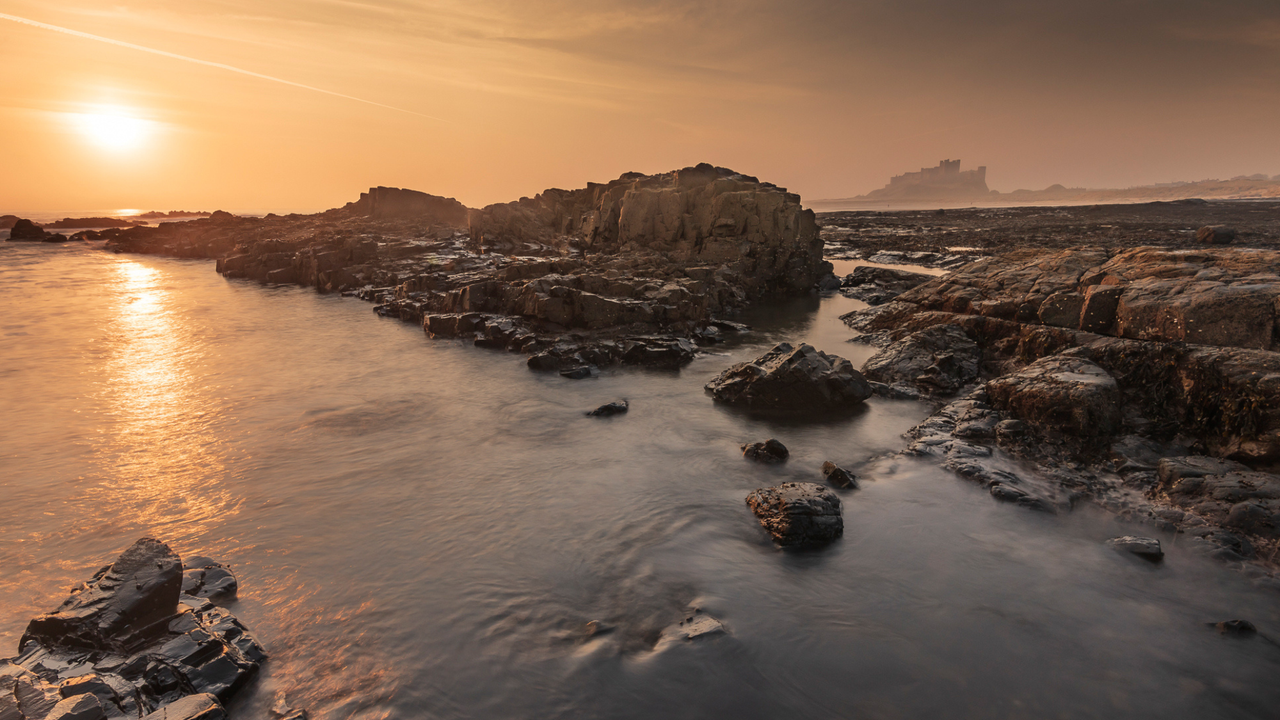
    Among the most “memorable” sections is the 14-mile stretch from Bamburgh Castle to Lindisfarne Causeway along Northumberland’s “jaw-dropping” shore, said Paul Bloomfield in The Telegraph. Along the way, you pass “beach after beach as you skirt golden Budle Bay” with plenty of chances to spot seabirds, seals and dolphins. Or, for a child-friendly shorter route, set out from the Isle of Wight’s Compton Bay, keeping your “eyes peeled for dino footprints” and the “blustery viewpoint over the famous chalk stacks of The Needles”. The 7.4-mile walk concludes with a chairlift ride down to the “multicoloured sands” of Alum Bay.

    The “adventurous stretch” between Hurlstone Point and North Hill in Somerset is also well worth trying, said The Times. Formerly a “little-used alternative to the main track”, the challenging eight-mile route is now a “fantastically undulating” part of the King Charles III Coastal Path.


    Statistic of the day

    Three: How many minutes it took four thieves to steal paintings by Renoir, Cézanne and Matisse from a museum near the Italian city of Parma. The masked gang were interrupted by the alarm after breaking into the Magnani Rocca Foundation villa on 22 March, but still got away with an estimated £7.8 million worth of art, officials have revealed.


    instant opinion

    Today’s best commentary

    Tony Blair is an extremist
    Ben Sixsmith on The Critic
    It really “must be time for” Tony Blair “to leave public life”, writes Ben Sixsmith. The former PM is a “war hawk who has never learned” the lessons of Afghanistan and Iraq, and now he’s “rebuking Keir Starmer for not supporting Donald Trump over Iran”. Having seen how the War on Terror “fuelled and spread Islamic extremism”, Blair’s current “posturing about extremism is absurd”. Could we just “pay him to go away? I’ll set up a GoFundMe.”

    Scrapping non-crime hate incidents is disrespectful and dangerous
    The Mirror’s editorial board
    Stephen Lawrence’s father is “right to be alarmed” by plans for police to stop recording non-crime hate incidents, says The Mirror. Lawrence’s murder “forced Britain to confront institutional racism” and “put victims at the heart of policing”. Records of non-crime hate incidents can provide “early warnings” and “help police identify patterns, protect communities and prevent escalation”. But if they “aren’t recorded, they aren’t seen. And if they aren’t seen, they are not stopped.” We can’t let prejudice “go unchecked”.

    I ​don’t regret not being a mother – I knew it wouldn’t make me happier
    Polly Vernon in The Times
    Yet “another study” has shown that having children doesn’t make you happier or more fulfilled, writes Polly Vernon. But the “idealisation of motherhood” has never been “so unhinged”: without a child, a woman is just an “empty, joyless simulacrum of femaleness”. I’ve never “felt so much as a tinge of regret about” not breeding. I know “that motherhood is not the only way for women to proceed through life and there are now even more statistics to prove it”.


    word of the day

    Wonka’d

    The organisers of a Barbie Dream Fest in Florida are offering refunds following “very unflattering” comparisons to Glasgow’s “infamous” Willy Wonka event, said Sky News. The Fort Lauderdale event promised roller-skating parties, fashion fun and an interactive dream house, but after paying up to £340 for tickets, disillusioned fans posted photos showing a few pink attractions in an otherwise “dour-looking convention centre”. “We got Wonka’d!” wrote one.


    Evening Review was written and edited by Hollie Clemence, Rebecca Messina, Rafi Schwartz, Chas Newkey-Burden, Irenie Forshaw, Helen Brown, David Edwards and Kari Wilkin, with illustrations by Julia Wytrazek.

    Image credits, from top: illustration by Julia Wytrazek / Getty Images; Andrew Aitchison / In pictures / Getty Images; Thomas Coex / AFP / Getty Images; Tolga Akmen / EPA / Shutterstock; PhotoPlus Magazine / Getty Images

    Morning Report and Evening Review were named Newsletter of the Year at the Publisher Newsletter Awards 2025
     

    Recent editions

    • Evening Review

      Iran’s Hormuz ‘tollbooth’

    • Morning Report

      Pope Leo speaks out

    • Sunday Shortlist

      Are you an AI ‘apocaloptimist’?

    VIEW ALL
    TheWeek
    • About Us
    • Contact Future's experts
    • Terms and Conditions
    • Privacy Policy
    • Cookie Policy
    • Advertise With Us
    • FAQ
    Add as a preferred source on Google Add as a preferred source on Google

    The Week is part of Future US Inc, an international media group and leading digital publisher. Visit our corporate site.

    © Future US, Inc. Full 7th Floor, 130 West 42nd Street, New York, NY 10036.