The Week The Week
flag of US
US
flag of UK
UK
https://cdn.mos.cms.futurecdn.net/flexiimages/jacafc5zvs1692883516.jpg

SUBSCRIBE & SAVE

Less than $3 per week

Sign in
  • View Profile
  • Sign out
  • The Explainer
  • The Week Recommends
  • Newsletters
  • Cartoons
  • From the Magazine
  • The Week Junior
  • Student Offers
  • More
    • Politics
    • World News
    • Business
    • Health
    • Science
    • Food & Drink
    • Travel
    • Culture
    • History
    • Personal Finance
    • Puzzles
    • Photos
    • The Blend
    • All Categories
  • Newsletter sign up Newsletter
  • The Week’s Sunday Shortlist
    An AI close-up, three standout IPAs, and a history of wartime Berlin 

     
    FILM REVIEW

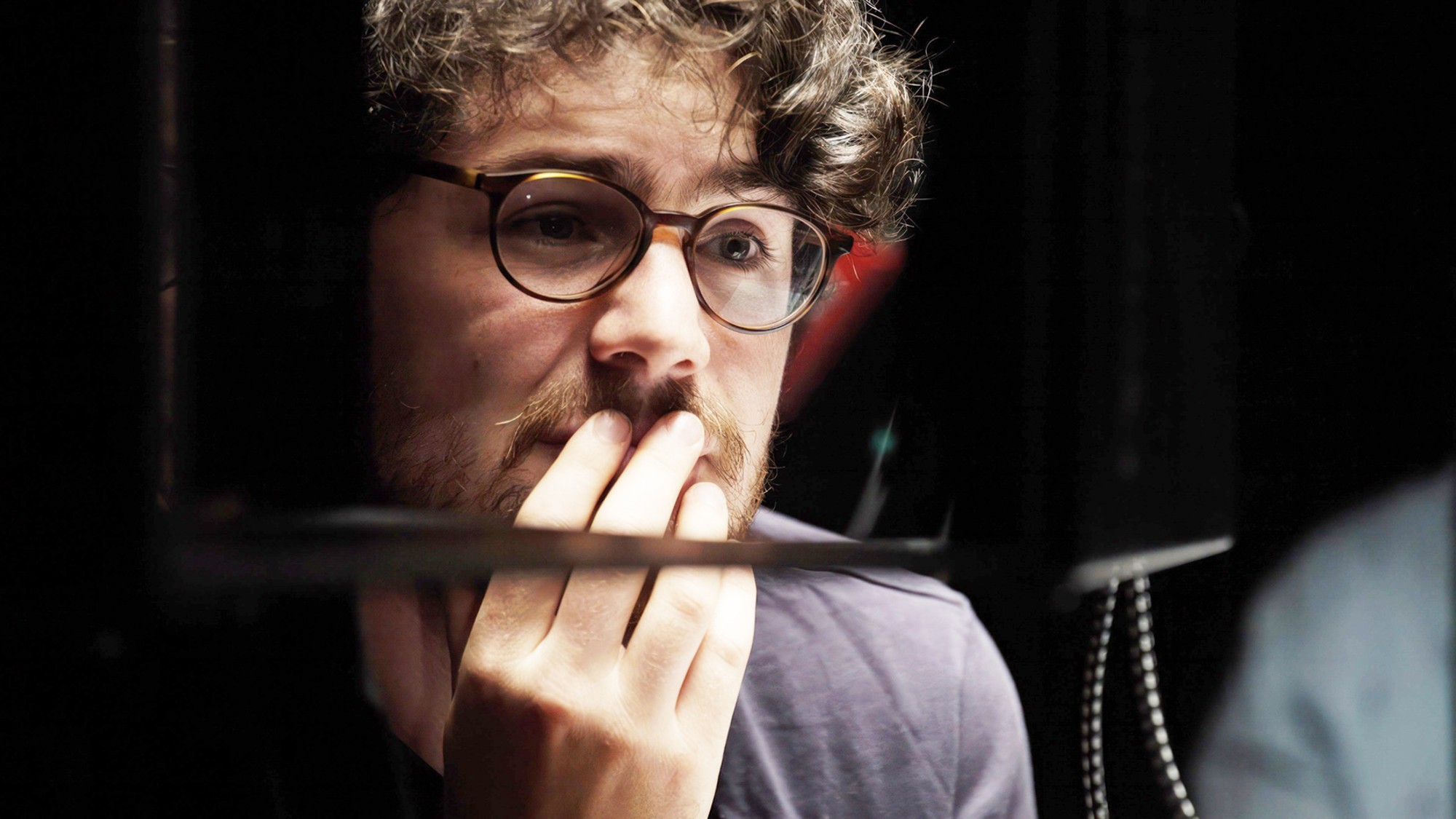
    The AI Doc: Or How I Became an Apocaloptimist

    A dive into the technology’s dramatic pros and cons

    “Daniel Roher never claims to have AI figured out, which is partially why his film is worth watching,” said Christian Zilko in IndieWire. The documentarian who made 2022’s Oscar winning Navalny is, like many of us, worried about AI, but he ends the journey he makes onscreen with “a world view that could be described as cautiously optimistic about AI technology but bearish on humanity’s ability to use it for good.” The movie’s busy visual style and use of Roher as viewer surrogate “make it more engaging and livelier than you might expect,” said Caryn James in The Hollywood Reporter. Roher starts by talking to doomsayers who are convinced AI will eliminate all jobs, and maybe all life. But after his wife learns she’s pregnant with their first child and encourages him to be more hopeful, he shifts his focus to AI champions like Open AI CEO Sam Altman. Altman “glibly says nothing useful,” but he and others argue that, if used right, the technology could create a post scarcity utopia in which no one has to work. The enormous political obstacles to such a happy ending are discussed only briefly. In the end, said  William Bibbiani in The Wrap, letting each side argue their points at length and unchallenged leaves too many questions. We wind up with an AI primer that “opens with desperation, then tries to instill hope, then finally comes around to a generic South Park episode conclusion,” the kind in which we learn both sides have problems and “we all just have to do our best.”


    tv review

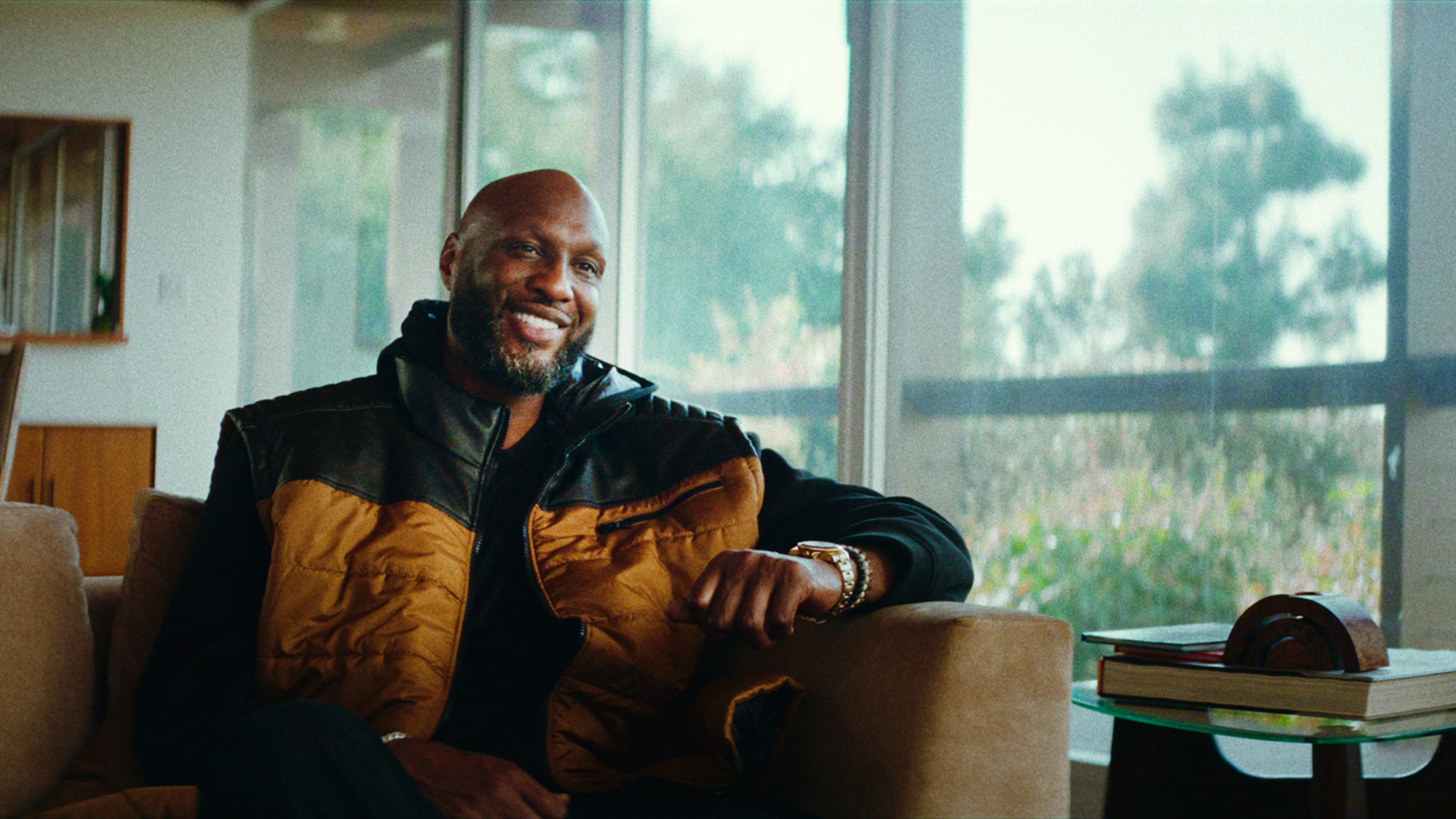
    Untold: The Death & Life of Lamar Odom

    Lamar Odom went from making buckets with an NBA championship team to nearly kicking the bucket in a Nevada brothel. A new season of the sports documentary series Untold opens with an episode tracing Odom’s precipitous downfall. An integral player on the Los Angeles Lakers’ 2009 and 2010 championship teams, Odom spiraled during his tumultuous marriage to Khloe Kardashian, which made him a reality TV star, then hit bottom in 2015 in a drug- fueled, near-death incident at Crystal, Nev.’s Love Ranch. 
    Tuesday, March 31, Netflix


    FOOD & DRINK

    Everyday IPAs: A top three

    “Would most people who say they prefer Lagunitas over Sierra Nevada really be able to tell the difference?” asked Dylan Garret in Food & Wine. Over the past 20 years, IPAs and similar pale ales have become “as ubiquitous as mass-market lagers,” so we thought we should put nine of the most widely sold options to a taste test. Below are the top finishers. 

    Dogfish Head 60 Minute IPA 
     At 6% ABV, our panel’s No. 1 choice is an easy- drinking, relatively light IPA that balances “good upfront bitterness” with “subtle citrus notes that don’t overstay their welcome.”  

    Elysian Space Dust IPA 
    Tasters who favor bolder IPAs preferred this 8.2% ABV offering from  Seattle-based Elysian Brewing. It’s “savory but fruity,” with a tanginess that bounces off the bitterness in an appealing way. 

    Bell’s Two Hearted IPA
    The longest established of this trio at nearly 30 years old, this 7% ABV Michigan ale still impresses. It’s “a touch bitter” but complex and refreshing, with “notable citrus and pine notes.”


    BOOK OF THE WEEK

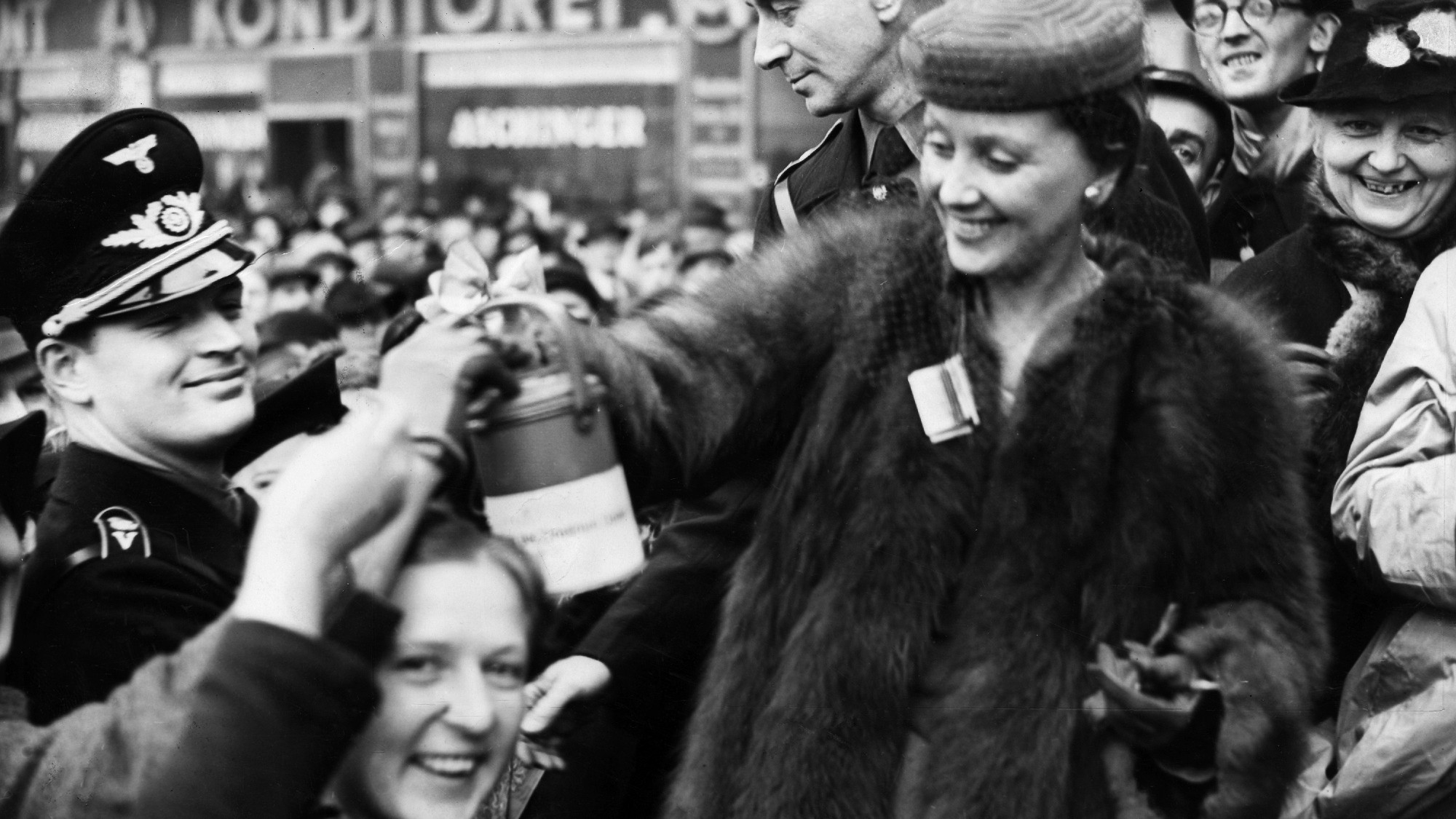
    Stay Alive: Berlin, 1939–1945

    by Ian Buruma

    “Dictators thrive not on love but on indifference,” said Kevin Peraino in The New York Times. That’s the underlying message of Ian Buruma’s “crisply told and uncomfortably relevant” new history of wartime Berlin. The veteran author and journalist has pulled from letters, diaries, interviews with aging survivors, and many other sources to chart how life and behavior shifted in the German capital from 1939 to 1945. During most of those years, “Berliners turned looking away into an art form,” first by flocking to concerts and movies as if nothing had changed, later by ignoring the danger of Allied air raids while filling soccer stadiums.  Jewish citizens had no such choice, of course, though not because their neighbors were all committed Nazis. Buruma’s book, by detailing the moral compromises they made, mounts “a passionate challenge to the corrosive power of indifference.”

    The book’s diary-style structure “lets Buruma incorporate a wide variety of view points,” said Elizabeth Kolbert in The New Yorker. “Students, Nazi maidens, and members of the resistance are all allowed to speak for themselves,” and we see both the hard choices some people had to make and how prone others are to evasions. British bombing of the city of 4.3 million began in August 1940. By that point, the 80,000 or so Jewish residents who hadn’t fled were being herded into segregated housing. A year later, deportations were escalating, and one elderly Jewish woman is quoted as saying that in every subsequent encounter with an acquaintance, the first question asked was “Are you going to commit suicide, or will you let them deport you?” By 1944, when much of the city lay in ruins, the terror spread. Nazi “snatch squads” began roaming the streets, shooting or hanging citizens deemed to be “defeatists.” 

    “Of course, no descent into moral darkness is total,” said Katja Hoyer in the Financial Times. Buruma finds a few heroes, including a woman who ran a resistance group and who spent the last days of the war roaming the streets surreptitiously scribbling “Nein”—“no” to Hitler’s entire project—on walls and houses. More typical is Buruma’s own Dutch father, Leo, one of hundreds of thousands of citizens of nations occupied by Germany who were forced to work in Berlin. Twenty-year-old Leo didn’t support the Nazis, but he enjoyed the aspects of city life that he could, and was left burdened with guilt. Though the author is sympathetic, he admits that his father made compromises to survive. And though he calls his book a love  letter to Berlin, “the depressing moral of Stay Alive is that most people don’t challenge the circumstances they find themselves in. They adapt to them.”


    OBITUARY

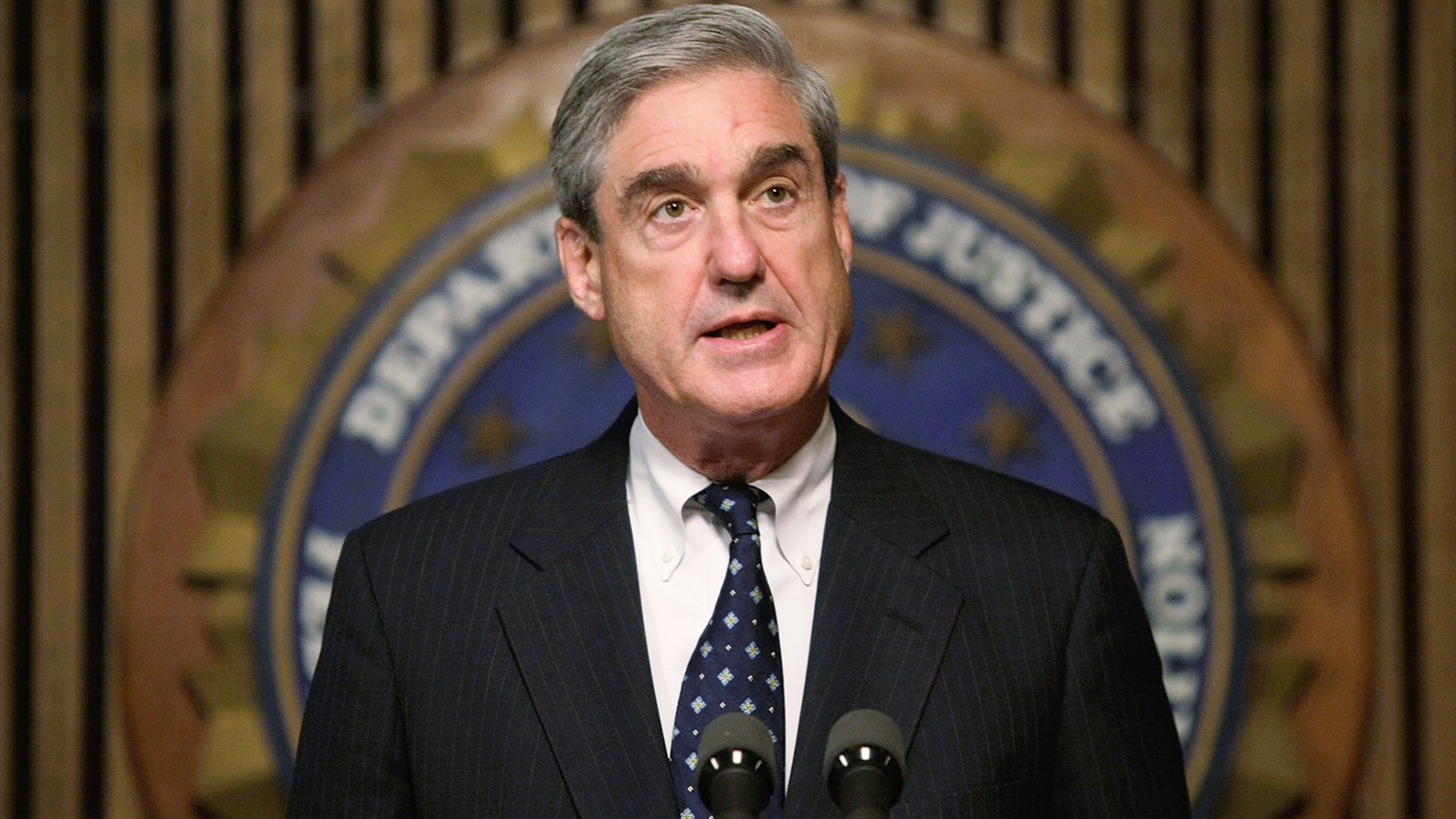
    Robert Mueller 

    The respected FBI chief who investigated Trump

    Robert Mueller began his term as FBI director on Sept. 4, 2001, just a week before the 9/11 terrorist attacks that refocused the agency’s mission. A decorated Vietnam veteran who’d spent years prosecuting major cases as a U.S. attorney—and earned a reputation as a by-the-book lawman of the highest  integrity— Mueller knew right away that the bureau faced a new era. Over a 12-year term under Republican and Democratic presidents, he expanded its focus from domestic crime to thwarting terrorism. Four years after that term ended, Mueller became a household name as the special counsel investigating ties between President Trump’s 2016 campaign and Russia. Issued in 2019, the resulting Mueller Report found numerous links between Trump’s team and Russia but stopped short of declaring a criminal conspiracy. Trump said the report was the work of “Trump haters.” But pursuing justice was Mueller’s “only lifetime motivation,” said biographer Garrett M. Graff in 2017. He “might just be America’s straightest arrow.” 

    Raised in a “stately manor” outside Philadelphia, Mueller was “born into privilege,” said The New York Times. He attended the “elite boarding school” St. Paul’s, where he captained the hockey and lacrosse teams, and then went to Princeton. 

    Upon graduating, he volunteered to join the Marines and led a rifle platoon in Vietnam, earning a Bronze Star and a Purple Heart. He then studied law at the University of Virginia and became a federal prosecutor. Stationed in San Francisco and then Boston, he “rose swiftly through the ranks,” and in 1990 headed the Justice Department’s criminal division, where he oversaw winning prosecutions of Panamanian dictator Manuel Noriega and mob boss John Gotti. Tapped by George W. Bush as FBI chief, he “built a reputation for nonpartisan rectitude and stonefaced reserve,” said The Washington Post. When the Bush administration proposed to extend a secret wiretapping program on U.S. citizens, he threatened to  resign—and Bush backed down. 

    As special counsel in the Trump investigation, the tight-lipped Mueller maintained his “oldschool, buttoned-down style” as he led a probe that riveted the nation, said the Associated Press. In the end, he brought charges against six Trump associates, but his “nebulous” report—which left to Congress the question of whether Trump obstructed  justice—“did not deliver the knockout punch” Democrats hoped for. Still, Mueller did explicitly refute the president’s claim that there was no substance to the Russia investigation. “Absolutely,” he said, “it was not a hoax.”


    Sunday Shortlist was written and edited by Susan Caskie, Ryan Devlin, Chris Erikson, Chris Mitchell, and Matt Prigge.

    Image credits, from top: Focus Features/Everett, Netflix, Getty, Getty
     

    Recent editions

    • Saturday Wrap

      The high price of war

    • Evening Review

      Iran war insider trading

    • Morning Report

      The TSA funding fight endgame

    VIEW ALL
    TheWeek
    • About Us
    • Contact Future's experts
    • Terms and Conditions
    • Privacy Policy
    • Cookie Policy
    • Advertise With Us
    • FAQ
    Add as a preferred source on Google Add as a preferred source on Google

    The Week is part of Future US Inc, an international media group and leading digital publisher. Visit our corporate site.

    © Future US, Inc. Full 7th Floor, 130 West 42nd Street, New York, NY 10036.