The Week The Week
flag of US
US
flag of UK
UK
https://cdn.mos.cms.futurecdn.net/flexiimages/jacafc5zvs1692883516.jpg

SUBSCRIBE & SAVE

Less than $3 per week

Sign in
  • View Profile
  • Sign out
  • The Explainer
  • The Week Recommends
  • Newsletters
  • Cartoons
  • From the Magazine
  • The Week Junior
  • Student Offers
  • More
    • Politics
    • World News
    • Business
    • Health
    • Science
    • Food & Drink
    • Travel
    • Culture
    • History
    • Personal Finance
    • Puzzles
    • Photos
    • The Blend
    • All Categories
  • Newsletter sign up Newsletter
  • Brand Logo
    Pope’s protest, DHS deal blowup and Cuba’s oil reprieve

     
    TODAY’S RELIGION story

    Pope Leo decries leaders who invoke Jesus to ‘justify war’

    What happened
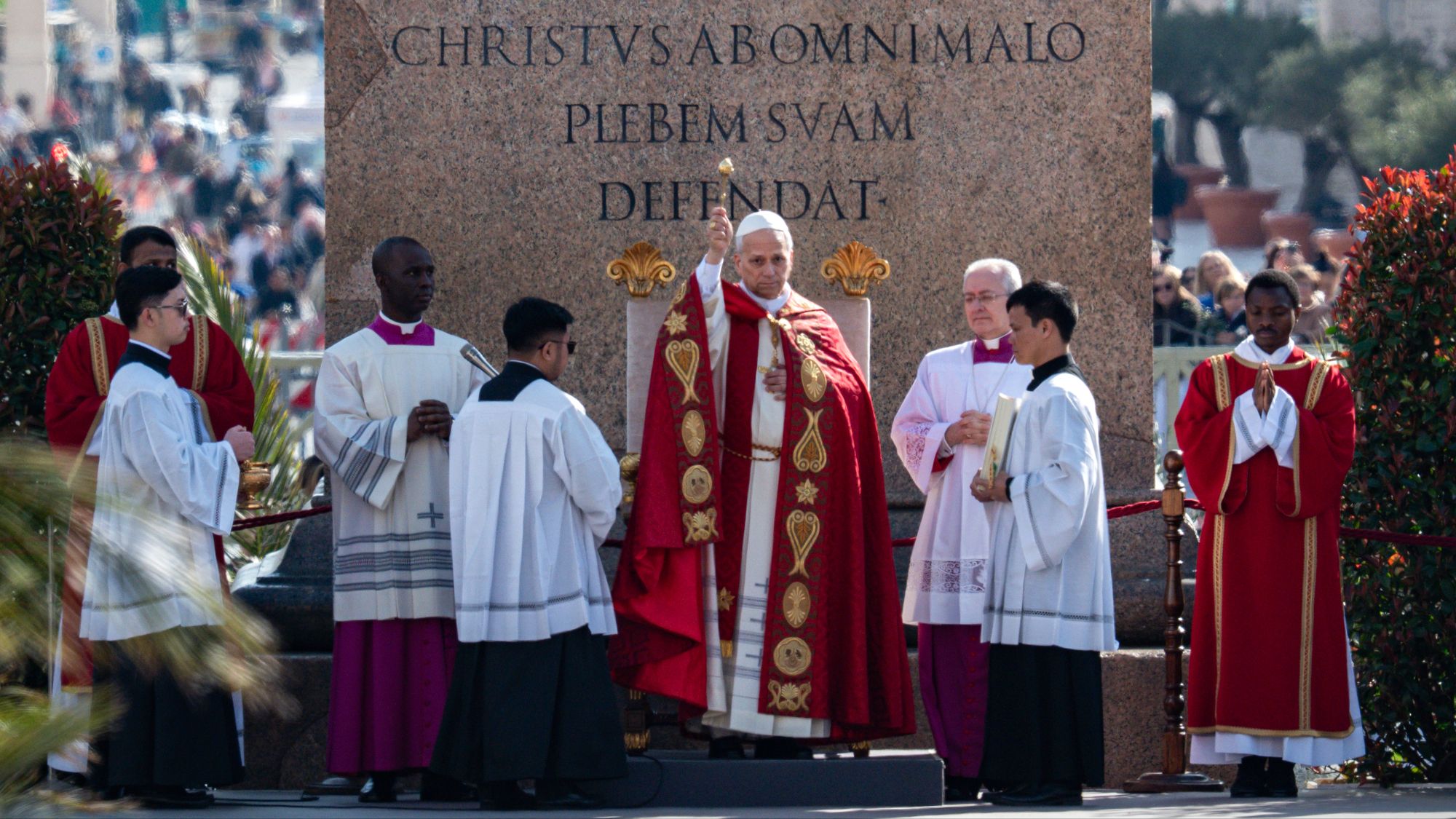
    Pope Leo XIV yesterday began his first Holy Week as pope by criticizing leaders who invoke Jesus to “justify war.” Christians throughout the Middle East are “suffering the consequences of an atrocious conflict,” including by not being able to “live fully the rites of these holy days,” he said at a Palm Sunday Mass at the Vatican. Hours earlier, Israeli police had blocked the top Catholic leader in Jerusalem, Cardinal Pierbattista Pizzaballa, from celebrating Mass at the Church of the Holy Sepulchre, drawing widespread criticism from Western leaders and diplomats. 

    Who said what
    “This is our God: Jesus, King of Peace,” the pope told tens of thousands gathered in St Peter’s Square. “He does not listen to the prayers of those who wage war, but rejects them, saying: ‘Even though you make many prayers, I will not listen: your hands are full of blood.’” Pope Leo is “known for choosing his words carefully,” Reuters said, and while he did “not specifically name any world leaders,” he has been “ramping up criticism of the Iran war.”

    “Leaders on all sides of the Iran war have used religion to justify their actions,” but “especially Defense Secretary Pete Hegseth,” The Associated Press said. His “proselytizing Christian campaign” in the U.S. military has alarmed military, legal and religious experts, The Washington Post said, and the “war with Muslim-majority Iran has only made Hegseth’s approach more stark.” Last week at the Pentagon, Hegseth invoked the “mighty and powerful name of Jesus Christ” in a prayer to inflict “overwhelming violence of action against those who deserve no mercy.” 

    What next?
    The Latin Patriarchate of Jerusalem said that Israel’s “manifestly unreasonable” and “fundamentally flawed decision” to block Pizzaballa from the Church of the Holy Sepulchre marked the “first time in centuries” that Catholic prelates were prevented from celebrating Palm Sunday at the site where Christians believe Jesus was crucified and buried before his Easter resurrection. Israeli authorities said all religious buildings in Jerusalem’s Old City, home to some of the most sacred Christian, Muslim and Jewish sites, have been closed amid Iranian missile threats, and Pizzaballa was turned back for his own safety.

    But “as criticism poured in from close allies, top Israeli leaders went into damage-control mode,” The Times of Israel said. Last night, Prime Minister Benjamin Netanyahu said he had ordered the police to give Pizzaballa “full and immediate access” so he can “hold services as he wishes” during Christianity’s holiest week.


    TODAY’S NATIONAL story

    DHS funding in limbo but TSA agents to be paid

    What happened
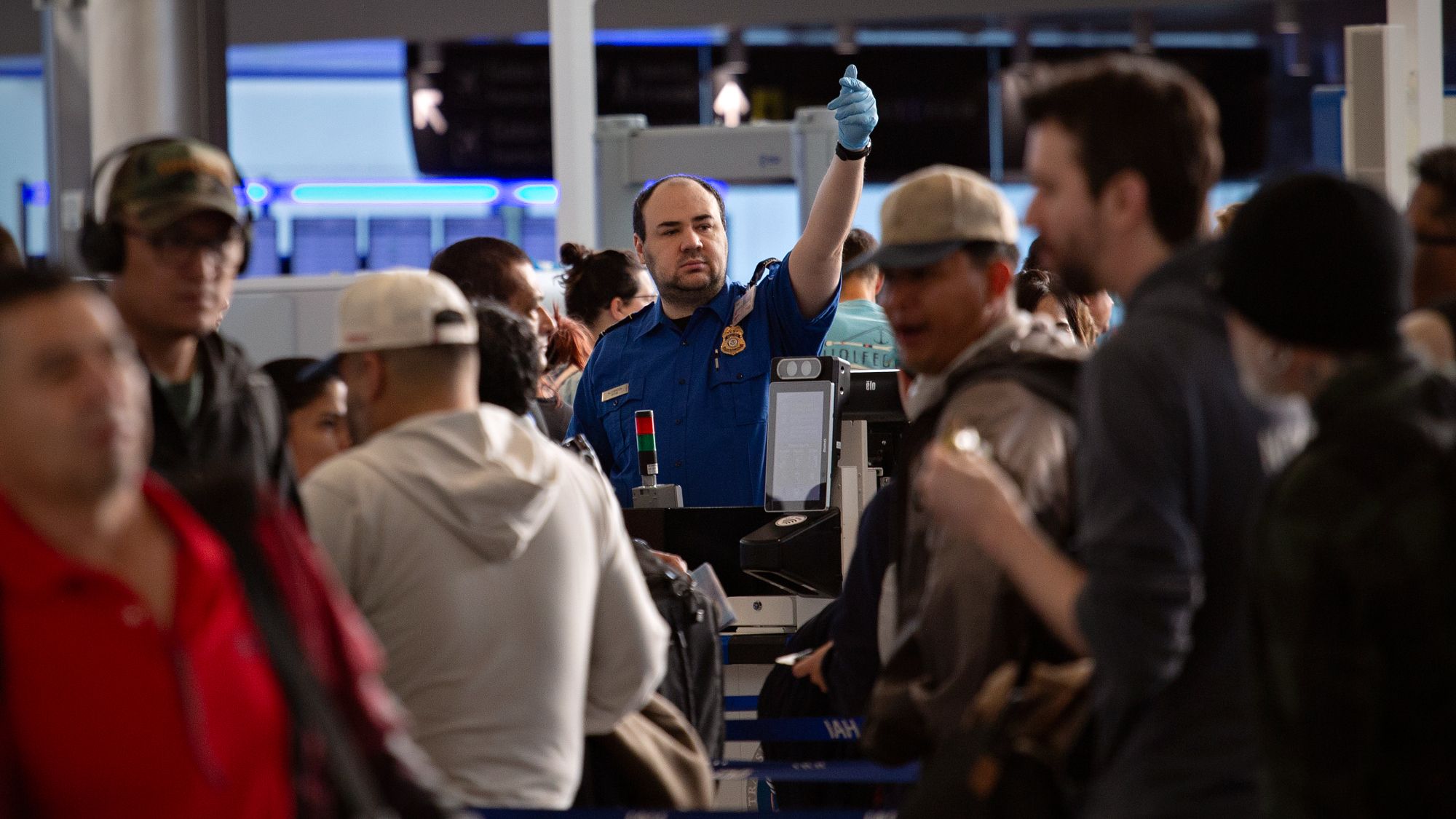
    White House border czar Tom Homan said yesterday that TSA agents may receive overdue paychecks today or tomorrow, after President Donald Trump signed an executive order on Friday to redirect other Department of Homeland Security funds to pay airport security workers. House Republicans on Friday rejected a bipartisan Senate bill to fund DHS except for the agencies responsible for Trump’s mass deportation push, then approved their own stopgap funding bill and adjourned for a two-week Easter-Passover break. Some airports remained clogged by hourslong security lines over the weekend.

    Who said what
    The Senate “appeared to have finally figured out” how to fund DHS, The Associated Press said, only for the deal to collapse “spectacularly” in an acrimonious split with House Republicans. House Speaker Mike Johnson (R-La.) called the compromise worked out by Senate Majority Leader John Thune (R-S.D.) a “joke,” then pushed through legislation that would fund all of DHS for eight weeks. House Democrats said they would have backed the Senate compromise if Johnson had allowed a vote. “This shutdown should have ended,” Sen. Andy Kim (D-N.J.) told CNN yesterday.

    Homan told CBS’s “Face the Nation” he “hopes” Trump will force lawmakers to return early from their break to pass a DHS funding bill. It’s “good news” the “struggling” TSA officers will be paid, he told CNN. But “it’s ridiculous” that they are “sitting there right now, working very hard, not being paid by members of Congress out on vacation getting paid.”

    What next?
    Homan said the ICE agents deployed to aid TSA workers will stay on “as long as they need us, until they get back to normal operations.” In the DHS funding fight, it’s “not clear what the Senate will do next,” the AP said, but “nothing ahead is likely to be easy.”


    TODAY’S INTERNATIONAL Story

    US allows Russian oil tanker to reach Cuba

    What happened
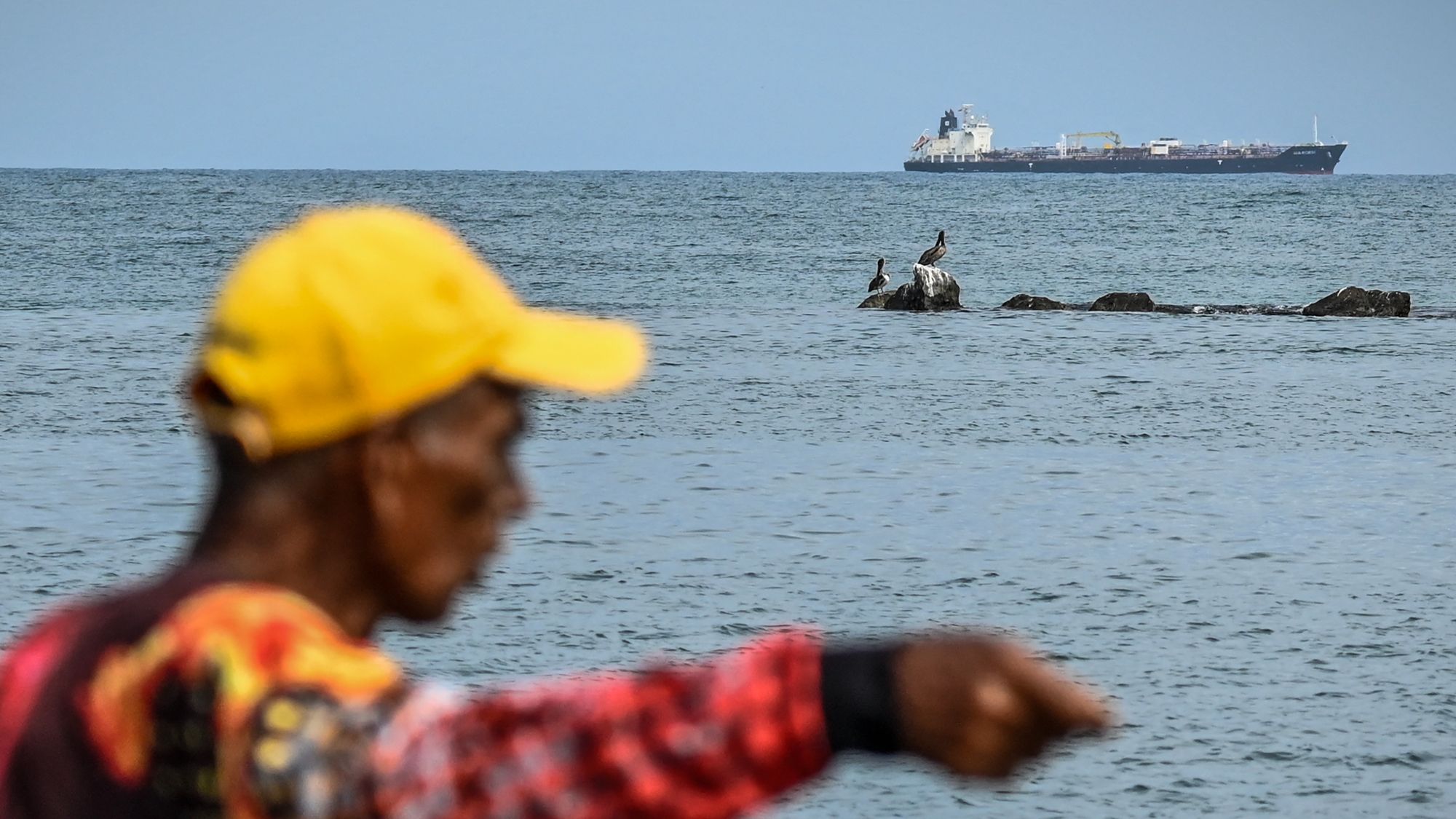
    The U.S. is allowing a sanctioned Russian “shadow fleet” tanker to deliver oil to Cuba, President Donald Trump said yesterday, effectively breaking his de facto blockade. “If a country wants to send some oil into Cuba right now, I have no problem with that, whether it’s Russia or not,” he told reporters on Air Force One. 

    Who said what
    Trump’s administration has gone after Cuba “more aggressively than any U.S. government in recent history,” The Associated Press said. The oil blockade was “an effort to force regime change,” but it’s had “devastating effects” on civilians, “leaving many desperate.” The delivery of the roughly 730,000 barrels of oil on the Anatoly Kolodkin tanker will “reduce pressure” on Havana as it faces “a looming economic collapse,” The New York Times said. It was “unclear why the White House” is allowing the tanker to reach the island, but the decision “avoids a potential thorny confrontation with Russia just off the coast of Florida.” 

    Trump’s Cabinet was “limited in what it could legally do to stop the tanker,” The Washington Post said. “Seizing or boarding a Russian vessel while simultaneously managing an active military conflict in Iran” would also “pour fuel on already volatile energy markets,” said Brett Erickson at Obsidian Risk Advisors.

    What next?
    The Anatoly Kolodkin was expected to dock in Cuba tonight or tomorrow morning. Erickson told Reuters that the “two and a half weeks of oil” on the Kolodkin “can be extended to about a month in total.” The 730,000 barrels “buys them time” in Havana, University of Texas oil expert Jorge Piñón told the Times. “But this is not a magic wand.” 


    It’s not all bad

    A bronze sculpture was recently unveiled in Almaty, Kazakhstan, honoring five bystanders who saw a dog in distress and stopped to help. The incident occurred in 2016, when a man spotted a dog struggling to get out of a reservoir. He climbed down the steep walls to get him, and four other people formed a human chain to safely pull them both back up. Another passerby recorded the rescue and shared the video online, where it immediately went viral.


    Under the radar

    South Africa’s anti-migrant movement

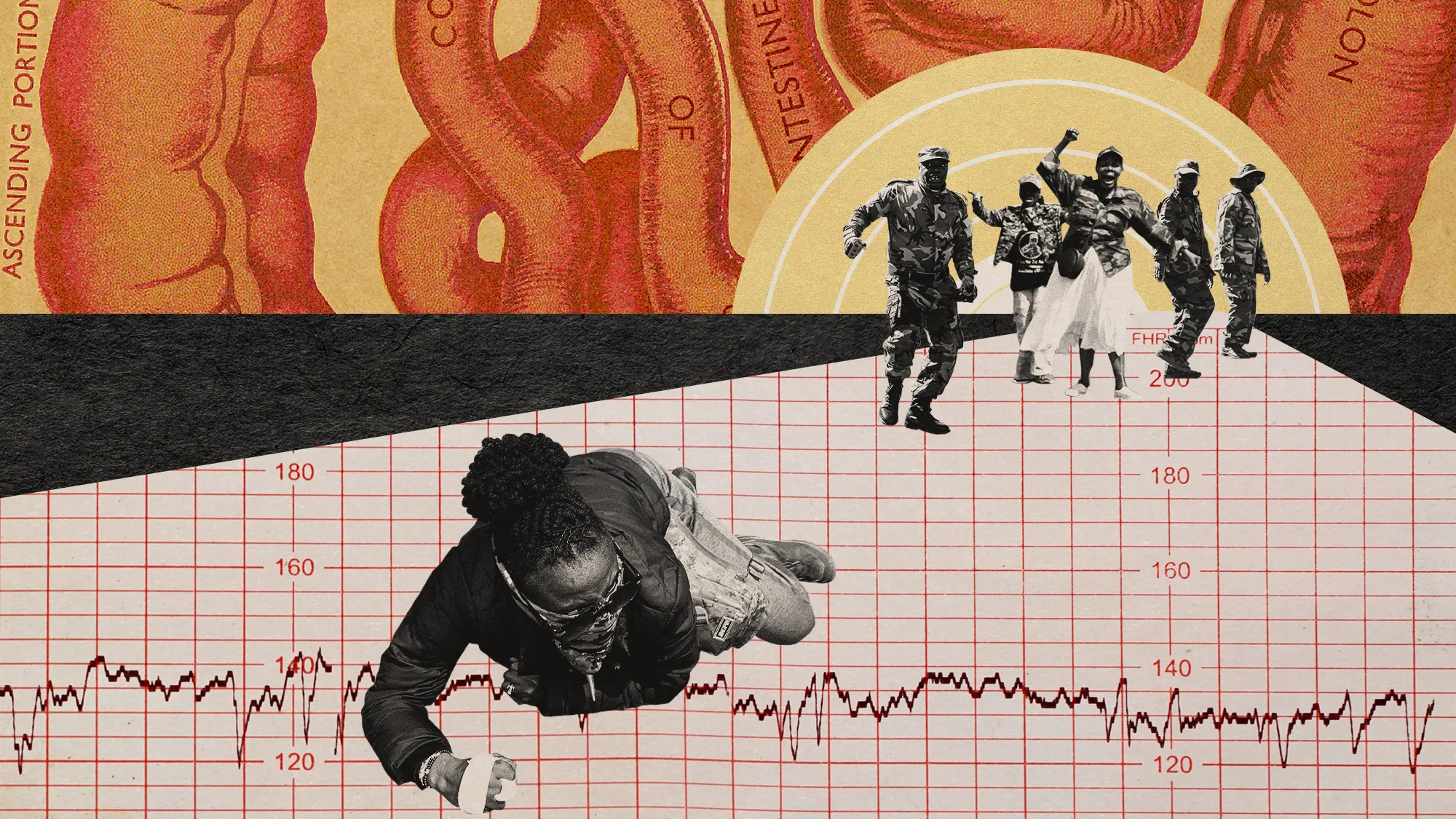
    Activists have returned to court in South Africa to try to enforce an order banning an anti-migrant group from blocking foreign nationals from accessing public health facilities and schools. Migrants and their children are still being barred from two Johannesburg clinics by the controversial Operation Dudula organization, according to campaigners, despite a judge ordering authorities to “stop the harassment” in December, said News 24.

    In the Zulu language, “dudula” means “to remove something by force.” The “populist movement” was founded in 2021 as a vigilante group to fight crime and drug trafficking in the township of Soweto, just outside Johannesburg, said Deutsche Welle.

    Operation Dudula, now registered as a political party, also campaigns against the 2.4 million migrants in South Africa who make up just under 4% of the population. They come mainly from neighboring countries such as Lesotho, Mozambique and Zimbabwe. The group’s supporters are known for “aggressive tactics,” including “forcing their way into residential buildings, searching for migrants, checking their ID cards and blocking access to public services,” DW said.

    Many of Operation Dudula’s claims are based on exaggerations about the number and effect of foreign nationals in South Africa, including “false claims that immigrants commit the most crimes or overload public services,” said a 2022 report from the Institute for Security Studies in Pretoria. But the “fringe movement poses no real threat” to the country’s democracy, said Lizette Lancaster, one of the report’s authors, to DW, because “most South Africans, over 90%, do not support violence against migrants in their communities.”


    On this day

    March 30, 1867

    The U.S. signed the treaty to purchase the territory of Alaska from Russia for $7.2 million, or $158.9 million in 2026 dollars. The agreement, brokered by Secretary of State William Seward, was ridiculed by critics as “Seward’s folly.” The territory became the 49th state — and largest, by area — in 1959. 


    TODAY’S newspaperS

    ‘Red flare for Trump’

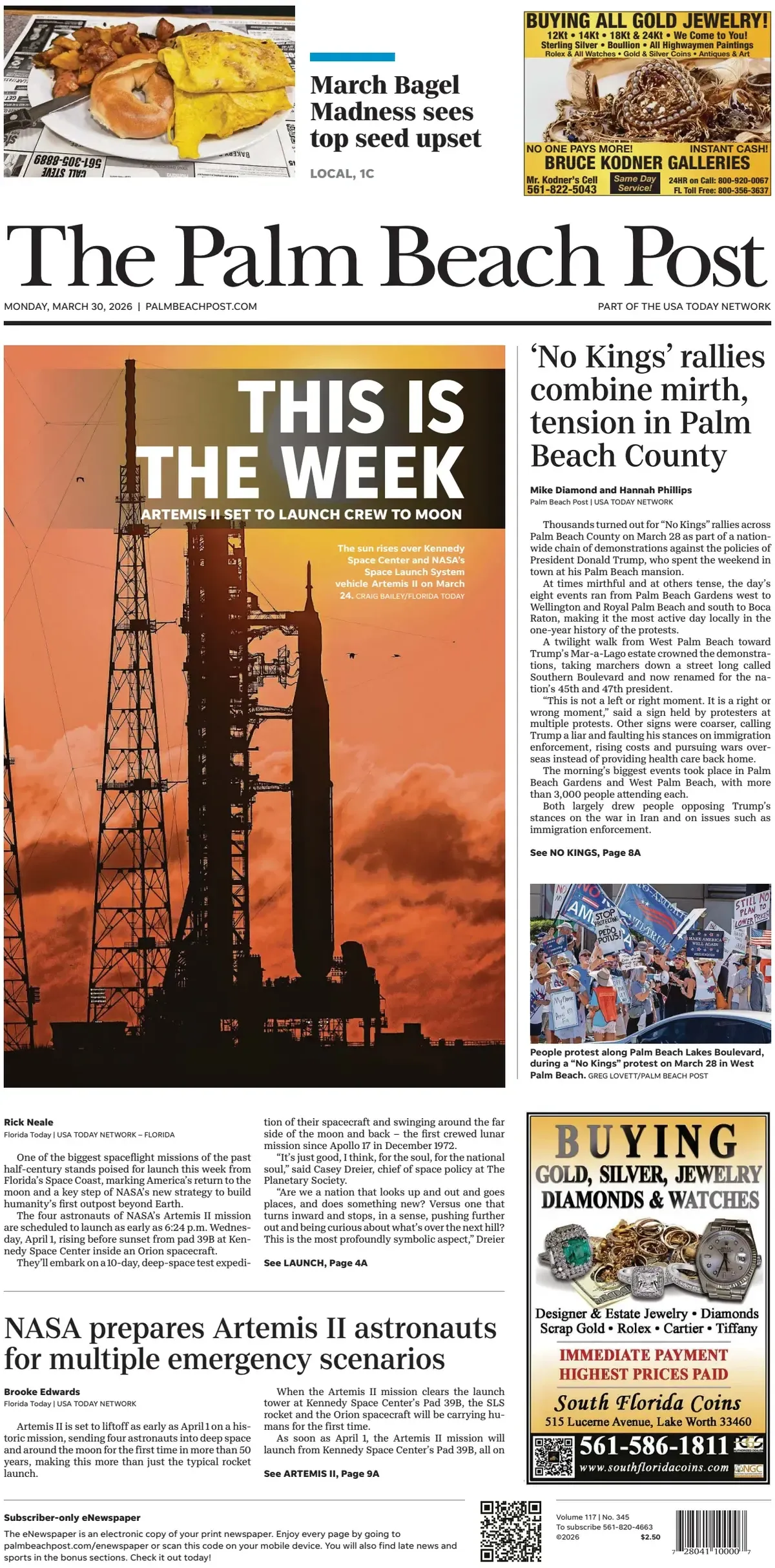
    “Political force on display at No Kings,” and “protests’ broad reach a red flare for Trump,” USA Today says on Monday’s front page. “Bay Area rallies draw huge crowds,” the San Francisco Chronicle says. “Thousands turn out for ‘No Kings’ protests,” The Columbus Dispatch says. “‘We’re not alone,’” says The Oklahoman. “‘No Kings’ rallies combine mirth, tensions” in Palm Beach County,” The Palm Beach Post says. “Trump ratings fall to a new low, polls say,” the Los Angeles Times says. “Pentagon prepares for ground operations in Iran,” The Philadelphia Inquirer says. “Trump considers operation to seize uranium,” The Wall Street Journal says. “More die in ICE custody as critics charge neglect,” The New York Times says. “Artemis II crew set to orbit moon,” says the Austin American-Statesman.

    ► See the newspaper front pages


    Tall tale

    Real estate fakery

    A Canadian man’s real estate license was canceled after investigators discovered that his relative had impersonated him in an online ethics class. Ang “Leon” Li signed up to take the continuing education course, organized by the B.C. Financial Services Authority, but staff noticed the man who claimed to be Li didn’t match his photo. The man refused to confirm his identity, then said his phone didn’t work and went offline. An investigation was launched, and after months of denials, Li finally admitted to the ruse.


    Morning Report was written and edited by Nadia Croes, Catherine Garcia, Scott Hocker, Anya Jaremko-Greenwold, Justin Klawans, Rafi Schwartz, Peter Weber and Kari Wilkin, with illustrations by Stephen Kelly and Julia Wytrazek.

    Image credits, from top: Massimo Valicchia / NurPhoto via Getty Images; Danielle Villasana / Getty Images; Maryorin Mendez / AFP via Getty Images; Illustration by Julia Wytrazek / Getty Images
     

    Recent editions

    • Sunday Shortlist

      Are you an AI ‘apocaloptimist’?

    • Saturday Wrap

      The high price of war

    • Evening Review

      Iran war insider trading

    VIEW ALL
    TheWeek
    • About Us
    • Contact Future's experts
    • Terms and Conditions
    • Privacy Policy
    • Cookie Policy
    • Advertise With Us
    • FAQ
    Add as a preferred source on Google Add as a preferred source on Google

    The Week is part of Future US Inc, an international media group and leading digital publisher. Visit our corporate site.

    © Future US, Inc. Full 7th Floor, 130 West 42nd Street, New York, NY 10036.