The Week The Week
flag of US
US
flag of UK
UK
https://cdn.mos.cms.futurecdn.net/flexiimages/jacafc5zvs1692883516.jpg

SUBSCRIBE & SAVE

Less than $3 per week

Sign in
  • View Profile
  • Sign out
  • The Explainer
  • The Week Recommends
  • Newsletters
  • Cartoons
  • From the Magazine
  • The Week Junior
  • Student Offers
  • More
    • Politics
    • World News
    • Business
    • Health
    • Science
    • Food & Drink
    • Travel
    • Culture
    • History
    • Personal Finance
    • Puzzles
    • Photos
    • The Blend
    • All Categories
  • Newsletter sign up Newsletter
  • The Week Evening Review
    Violence in US politics, holidays in peril, and Nicole Kidman’s life-changing role

     
    TODAY’S BIG QUESTION

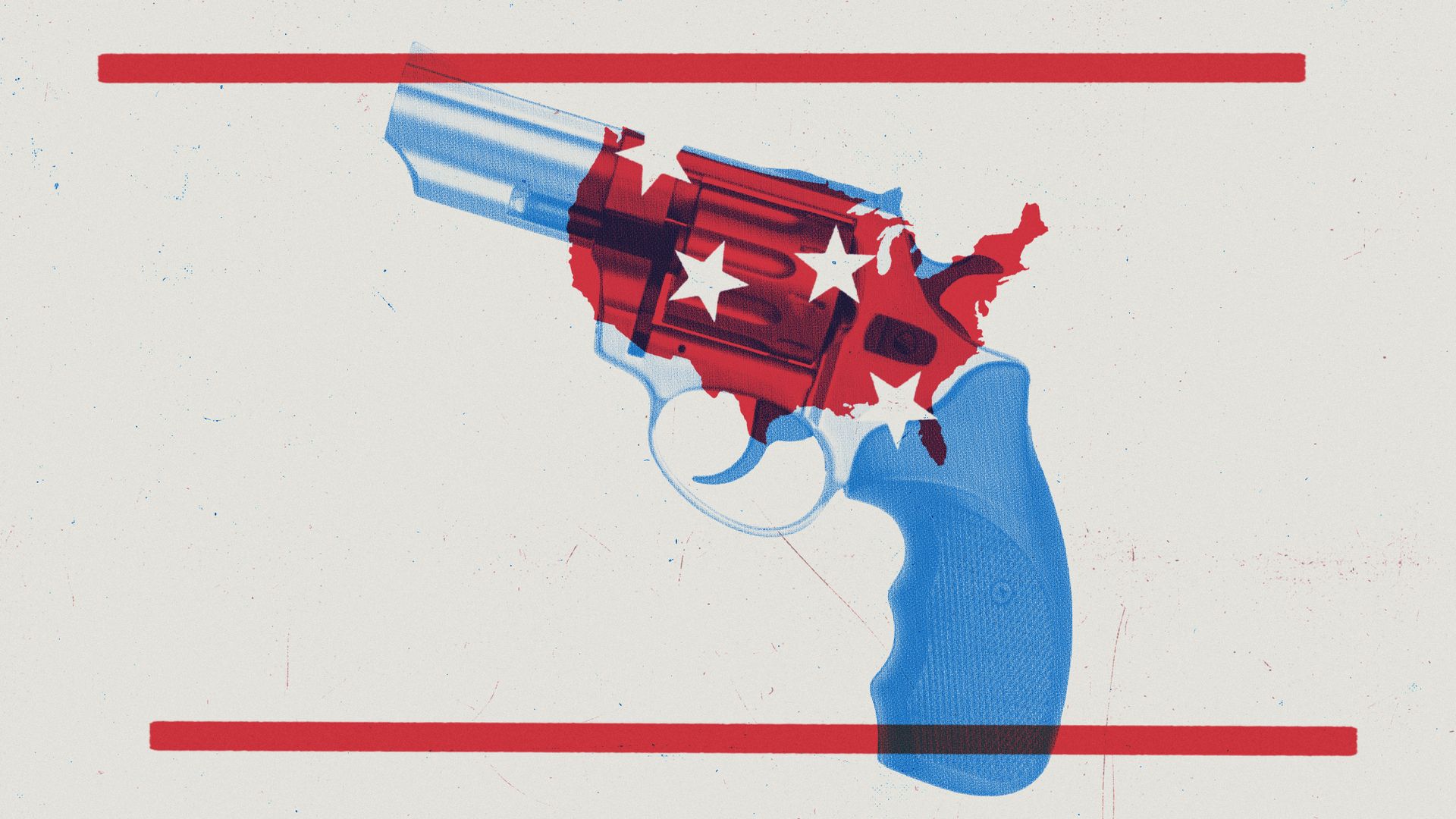
    How did America’s political violence get so bad? 

    For many Americans, the events at Saturday’s White House Correspondents’ Dinner were “at once shocking and familiar”, said Lisa Lerer in The New York Times. Politically motivated violence has become a “routine intruder” into our lives, bringing a “numbing narrative of assaults, bomb threats and assassination attempts”.

    What did the commentators say?
    Attacks like these are “convulsing” American politics from both sides of the partisan divide, said Guy Chazan in the Financial Times. The suspected gunman at this weekend’s gala in Washington had barely been apprehended before “ranks of Maga influencers” were blaming Democrats, while left-leaning conspiracy theorists claimed it was a “staged” hoax to “advance Trump’s political agenda”.

    So-called “conflict entrepreneurs” are “getting rich by making us angry at one another”, fuelled by a “loss of trust in democratic institutions that makes it easier to see illegal violence as a solution”, counterterrorism expert William Braniff told the paper. Modern assassination attempts are “backed by a growing public acceptance of the use of violence in the pursuit of political ends”, said Chazan. “Things could get even worse.”

    Saturday’s events highlight how “dangerous” US politics has become over the last few years, said Penn State political science professor James Piazza on The Conversation. Intense polarisation is making people “suspicious and hostile” of others with different views, whom they increasingly regard as “evil or immoral”. Violence has become more “normalised”, and because public backlash is “dampened” with each attempt, further violence becomes “more likely”. 

    Even with America’s “grim history of political violence”, Trump “seems to attract a higher share than others of would-be assassins”, said Edward Luce in the Financial Times. But let’s not forget that eight children were killed in Louisiana last week, yet it “only briefly made the headlines”. mass shootings are now “part of the texture of American life”.

    What next?
    It is “absolutely critical” that both Democratic and Republican politicians “unite to condemn this attack and all political violence”, said Piazza on The Conversation. Commentators should condemn any violence with political aims, and political elites should “adopt rhetoric that does not normalise this sort of behaviour”. If the message is united from all across the political spectrum, “it will be that much more effective at reducing the public attitudes that nurture political violence”.


    THE EXPLAINER

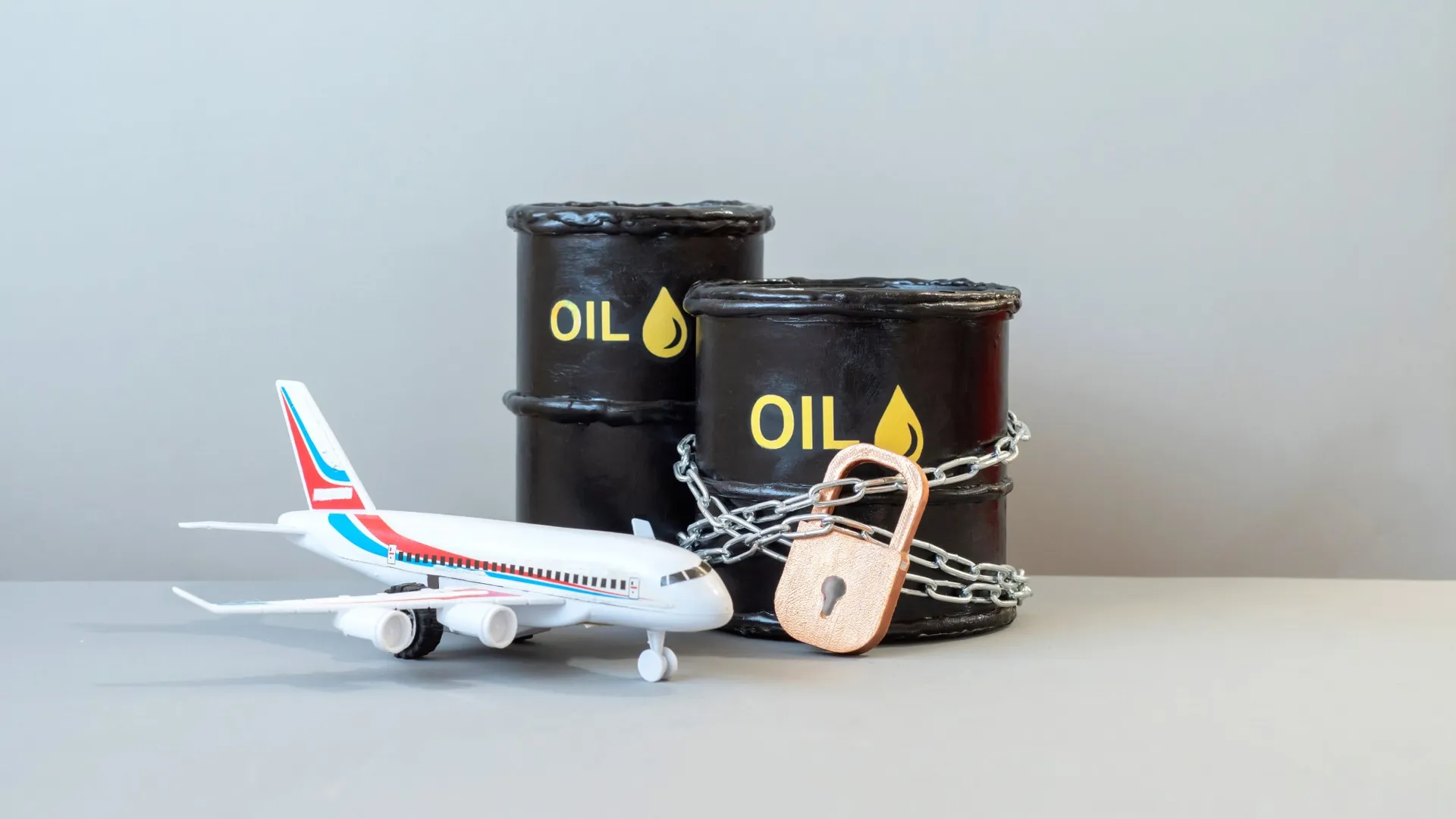
    Jet fuel crisis: UK plans to save the summer holiday

    Plans to allow airlines to consolidate flight schedules are being finalised by the government, in a bid to stave off a summer of travel disruption caused by a shortage of jet fuel.

    How bad is the shortage?
    Refineries in the Middle East usually supply around 75% of Europe’s jet fuel, but production is “basically now almost zero”, Fatih Birol of the International Energy Agency said last Thursday. The week before, he warned that the continent had “maybe six weeks of jet fuel left”. European countries are trying to replace supplies from the Gulf with imports from the US and Nigeria, but if they cannot do so in sufficient quantities, energy experts predict shortages at some airports, resulting in flight cancellations. 

    Many airlines had already secured much of their summer-season jet fuel before the Iran conflict doubled the market price. But others are now having to take emergency measures to counter spiralling fuel costs.

    What is the UK government doing?
    The British government is trying to get ahead of any peak-season flight disruption by giving airlines “rare freedoms to change flight schedules” well in advance, said The Times. The plan is to temporarily relax laws that require airlines to operate part-full flights from UK airports, or risk losing their lucrative take-off and landing slots. Allowing airlines to consolidate flight schedules now, “before any potential fuel shortages”, is intended to minimise disruption and last-minute cancellations in the summer. Of course, it “may mean fewer available flight options than normal”, but those flights are “less likely to be cancelled”.

    When will the threat to air travel end?
    Should US-Iran hostilities restart or the Strait of Hormuz remain completely blocked to shipping through the summer, the landscape will completely change, said Politico. In this “worst-case scenario”, there would be outright fuel rationing, and many more flights would be cancelled.


    QUOTE OF THE DAY

    “The Kelpers are English people who live in Argentine territory; they are not part of the discussion.”

    Argentina’s vice president urges the Falkland Islands’ inhabitants, nicknamed after the seaweed surrounding the disputed territory, to “go back” to England. The islands “are Argentine”, Victoria Villarruel wrote on social media, after Donald Trump suggested the US might back her country’s claims of sovereignty.


    Poll watch

    Just over half (51%) of Brits support the use of nuclear power, while 29% are opposed, according to YouGov polling in the run-up to the 40th anniversary yesterday of the Chernobyl nuclear disaster. Of 2,123 adults surveyed, 45% said they believed nuclear energy is typically safe, while 39% feared it was unsafe.


    IN THE SPOTLIGHT

    Nicole Kidman and the rise of the death doula

    “Dying people in California could soon get support from a familiar face,” said The Times, after Nicole Kidman revealed she was training to become a death doula. During her mother’s final days before she died in 2024, the Oscar-winning actor said, she had realised there was “only so much the family could provide”.

    “That’s when I went, ‘I wish there was these people in the world that were there to sit impartially and just provide solace and care’,” Kidman told an audience at the University of San Francisco.

    Bridging the gap
    A death doula works in a “similar capacity” to a birth doula, said PhD candidate Syman Braun Freck on The Conversation. Instead of assisting a mother during pregnancy and childbirth, a death doula is a “community partner offering support to the dying”. They act as a “neutral third party”, inhabiting a space between family, medical professionals and funeral directors.

    Death doulas aren’t medically trained. They provide practical, spiritual and emotional support for clients, helping them “navigate fear and uncertainty about death and what might come after it”, said The New York Times. They also assist people expressing their wishes for end-of-life care, help to facilitate “meaningful conversations with their families”, and provide guidance for loved ones left behind.

    Meaningful ends
    There has been a “rapid” rise in the number of people training to become death doulas in recent years, Dr Emma Clare, chief executive of End of Life Doula UK, told The Times. And the service isn’t only used by those with terminal illnesses: since the pandemic, some “healthy 30-somethings” have also been seeking death doulas to plan a meaningful end to their life when the time comes. 

    “I wasn’t surprised” that Kidman chose to embark on her new venture after losing her mother, said death doula Anna Lyons in the same paper. “People often enter into this line of work following grief. You suddenly understand what kind of support is needed.”

    It is a “lovely thing that everybody should have the opportunity to utilise”, said Eva Wiseman in The Observer. And the “true benefit” of a celebrity doula could lie not in helping people to find peace in their final days, but instead in bringing “distraction from it”. 


    Good day 💵

    … for Roman Dubowski,  a retired IT analyst from Stockport who has become the seventh “Who Wants To Be A Millionaire?” jackpot winner. Dubowski said he “had to have a cup of tea” to recover after scooping £1 million on the ITV show by correctly choosing “Bass Ale” as the answer to the question: “Used since 1876, which trademarked logo is described in the James Joyce novel ‘Ulysses’ and depicted in works by Manet and Picasso?” 


    Bad day 🌞

    … for thrifty fashionistas, who are being warned that “when you buy fake sunglasses, you are gambling with your sight”. As the UK’s sunny spell continues, Moorfields Eye Hospital consultant Alex Day told The Guardian that counterfeits usually feature “absolutely zero UV protection”, while the dark-tinted lenses cause the pupils to dilate, allowing in more UV radiation, so wearing them is “significantly worse than wearing no sunglasses at all”.


    PICTURE OF THE DAY

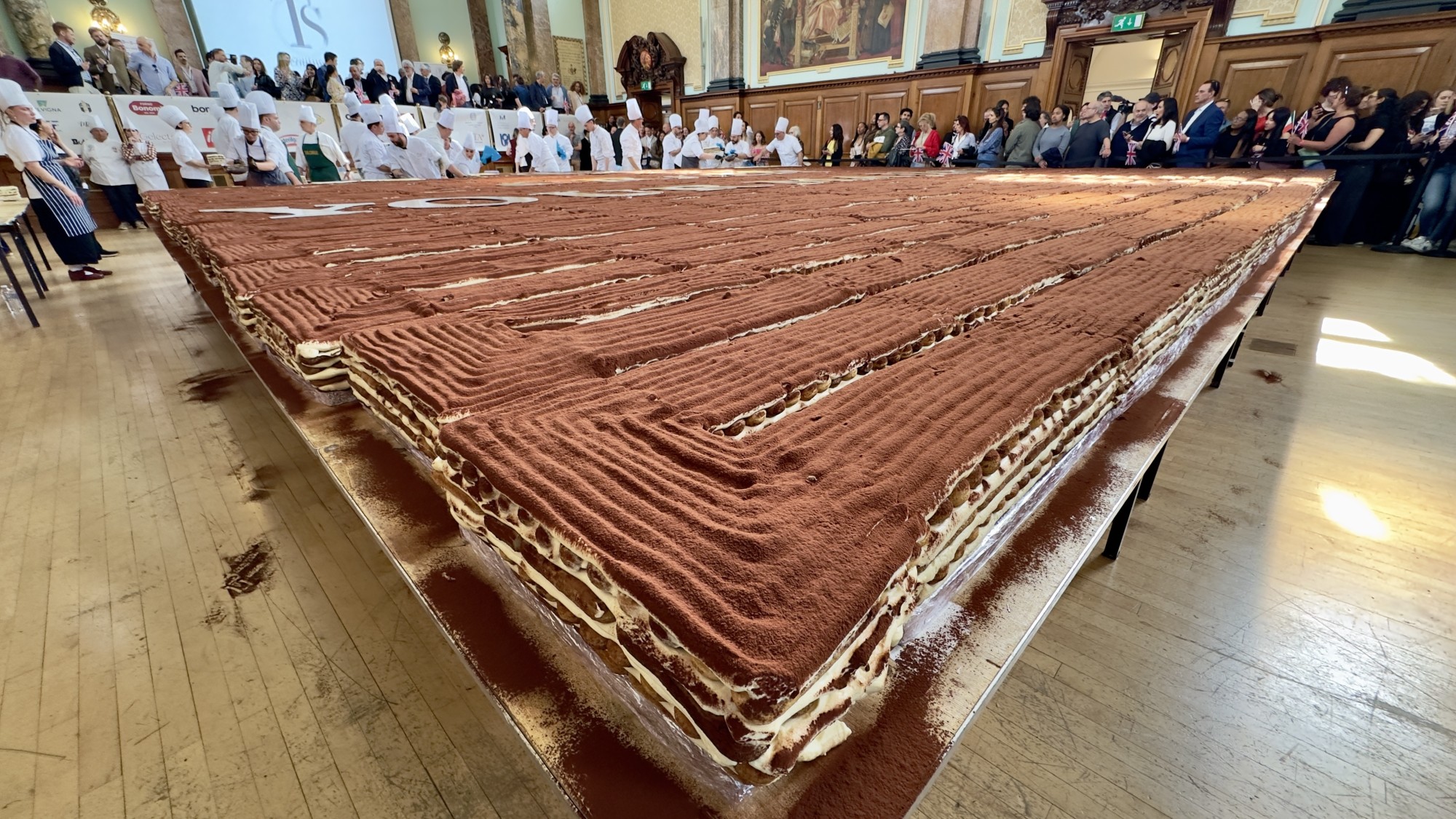
    Piece of cake

    The world’s longest ever tiramisu is displayed at Chelsea Old Town Hall in London. Around 100 Italian chefs used 3,000 eggs and 50,000 ladyfinger biscuits to make the 440.6-metre dessert, toppling the record of 273.5 metres set in Milan in 2019. 

    Muhammed Yaylali / Anadolu / Getty Images


    Puzzles

    Chain word

    Try The Week’s daily word challenge in our puzzles and quizzes section

    Play here


    THE WEEK RECOMMENDS

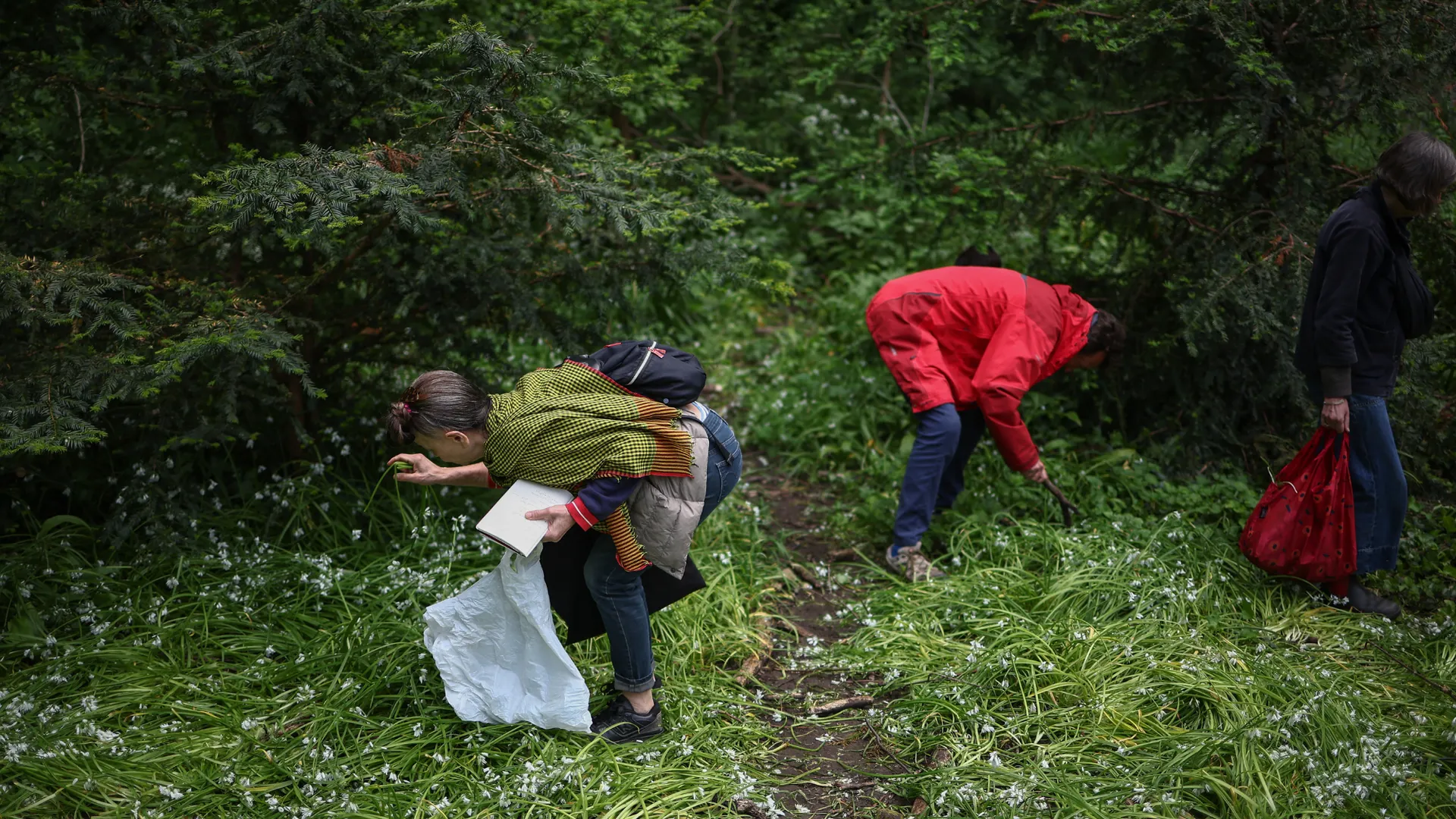
    A spring guide to foraging in the UK

    “There are few better ways to immerse yourself in the great outdoors than to forage,” said Connor McGovern in National Geographic. As the countryside springs back to life with an abundance of edible plants, now is a great time to start keeping an eye out for ingredients during walks.

    April is “peak nettle season”. Packed with minerals and vitamins, the herbaceous perennial is surprisingly versatile and can be added to soups or used to make tea. Best harvested “sooner rather than later”, make sure you wear gloves to avoid getting stung, and only pick the “top few leaves”.

    Also keep an eye out for wild garlic, which “often grows in dense clusters on the floor of damp woodland and along shaded hedgerows”, said Helen Keating on the Woodland Trust. The leaves and flowers of the native bulb have an “unmistakable” garlicky smell, and can be used to whip up a “wild garlic pesto”, or mixed with butter to make a “delicious version of garlic bread”.

    Cow parsley, also known as wild chervil, is an “excellent all-round” ingredient. The perennial herb features tiny white flowers in “umbrella-like clusters” and “fern-like” leaves, and can be used in the same way as parsley when cooking. A word of warning: be careful not to confuse it with poison hemlock, which has distinctive purple blotches at the base of its stems, and an unpleasant musty odour.

    Now is also the time when dandelions “explode across fields, verges, scrubland and any patch of your garden they can set down roots in”, said Carys Matthews on BBC Countryfile. The petals of the bright yellow wildflower can be used to make desserts and “look lovely sprinkled on a cake”.


    Statistic of the day

    20: How many more years of good health Brits in the wealthiest 10% of areas can expect than those in the poorest. The average healthy life expectancy across the UK has dropped by around two years over the past decade, to just under 61, according to analysis by The Health Foundation.


    instant opinion

    Today’s best commentary

    Zombie politics is the new norm and Starmer’s dying premiership is the latest instalment
    Nesrine Malik in The Guardian
    Keir Starmer was once “sanctified as the Labour saviour”, writes Nesrine Malik. Now, “the broad conclusion” is that the PM “is beyond rehabilitation”. But the lack of an obvious challenger for the Labour leadership, and the drifting state of our “aimless, scandal-beset government”, is pushing us into a “zombie era”. Our prime minister remains in post out of sheer “inertia”. And “distracted, listless, unambitious and uncreative” leaders fuel “broader political paralysis, and public frustration and disengagement”.

    The Scottish election is becoming a farce
    Chris Deerin in The New Statesman
    Scotland needs a “smack of hard-headed leadership” and “a show of intellectual rigour”, writes Chris Deerin. Instead, the SNP is offering “nutty policies”, including a cap on supermarket food prices that are “already among the cheapest in Europe”. The Holyrood election “has become a bidding war of giveaways” from rival parties, even as economists warn that “a crunch is coming”. With such “momentous challenges” ahead, for party leaders to indulge in “fantasy politics” is a “dereliction of duty”.

    The joy of the London Marathon shows it’s possible to outrun the memory of school PE
    Kat Brown in The Independent
    Watching the London Marathon is an “annual exhale”, writes Kat Brown. For people like me who were put off exercise for life “by enforced school PE lessons”, it’s a reminder that “sport is for everyone”, including “the lopers, the loafers, the ungainly, those without the right trainers”. There’s “no one type of runner” – “blind, in a wheelchair, amputee, thin, fat, tall, small, black, white or brown”, thousands lace up their trainers each year, united by “the determination to do it”.


    word of the day

    Infrasound

    Acoustic vibrations with frequencies below 20 Hz, which is too low to be audible to most humans. But infrasound may still make people feel uneasy even if they can’t hear it. According to research from Canada’s MacEwan University, subsonic waves like those created by ageing pipes in supposedly haunted old buildings can raise levels of the stress hormone cortisol.


    Evening Review was written and edited by Jamie Timson, Rebecca Messina, Will Barker, Irenie Forshaw, Elliott Goat, David Edwards, Helen Brown and Kari Wilkin, with illustrations from Stephen P. Kelly and Julia Wytrazek.

    Image credits, from top: illustration by Stephen P. Kelly / Getty Images; Tatiana Rico / Getty Images; illustration by Julia Wytrazek / Getty Images; Muhammed Yaylali / Anadolu / Getty Images; Henry Nicholls / Getty Images

    Morning Report and Evening Review were named Newsletter of the Year at the Publisher Newsletter Awards 2025
     

    Recent editions

    • Sunday Shortlist

      Hathaway goes pop

    • Saturday Wrap

      Is Congress cleaning up its act?

    • Evening Review

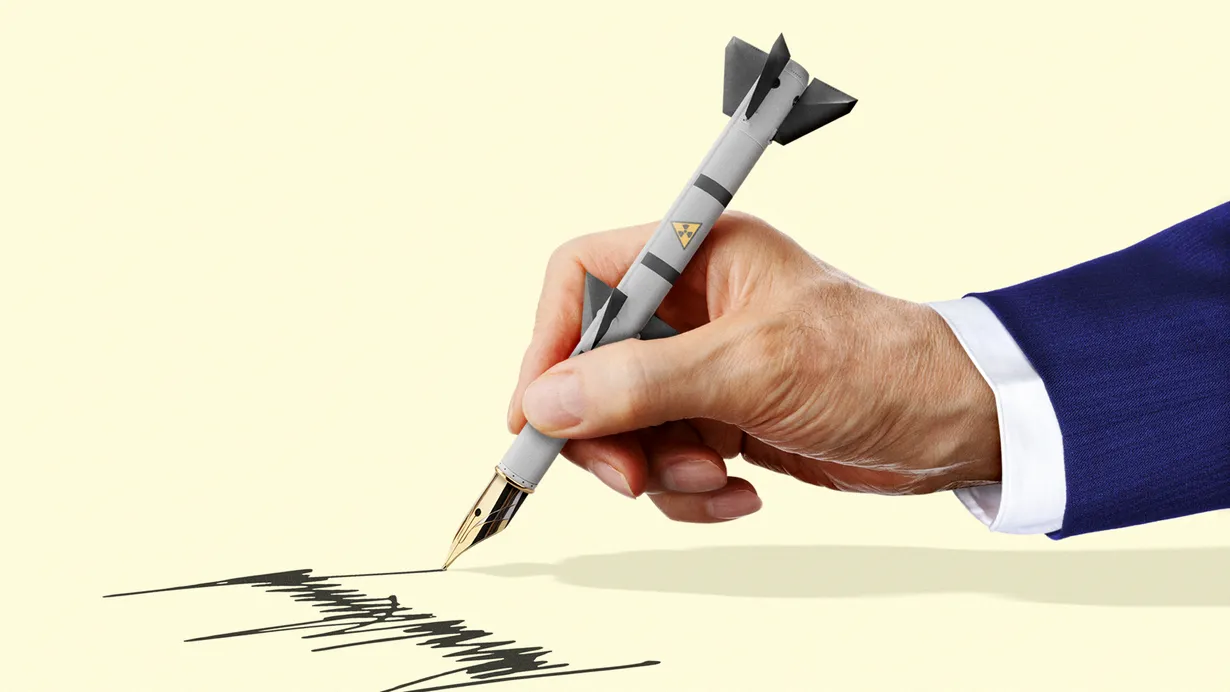
      Trump eyes Iran nuclear deal

    VIEW ALL
    TheWeek
    • About Us
    • Contact Future's experts
    • Terms and Conditions
    • Privacy Policy
    • Cookie Policy
    • Advertise With Us
    • FAQ
    Add as a preferred source on Google Add as a preferred source on Google

    The Week is part of Future US Inc, an international media group and leading digital publisher. Visit our corporate site.

    © Future US, Inc. Full 7th Floor, 130 West 42nd Street, New York, NY 10036.