The Week The Week
flag of US
US
flag of UK
UK
https://cdn.mos.cms.futurecdn.net/flexiimages/jacafc5zvs1692883516.jpg

SUBSCRIBE & SAVE

Less than $3 per week

Sign in
  • View Profile
  • Sign out
  • The Explainer
  • The Week Recommends
  • Newsletters
  • Cartoons
  • From the Magazine
  • The Week Junior
  • Student Offers
  • More
    • Politics
    • World News
    • Business
    • Health
    • Science
    • Food & Drink
    • Travel
    • Culture
    • History
    • Personal Finance
    • Puzzles
    • Photos
    • The Blend
    • All Categories
  • Newsletter sign up Newsletter
  • The Week Evening Review
    Burnham’s move, the Abraham Accords, and El Niño

     
    TODAY’S BIG QUESTION

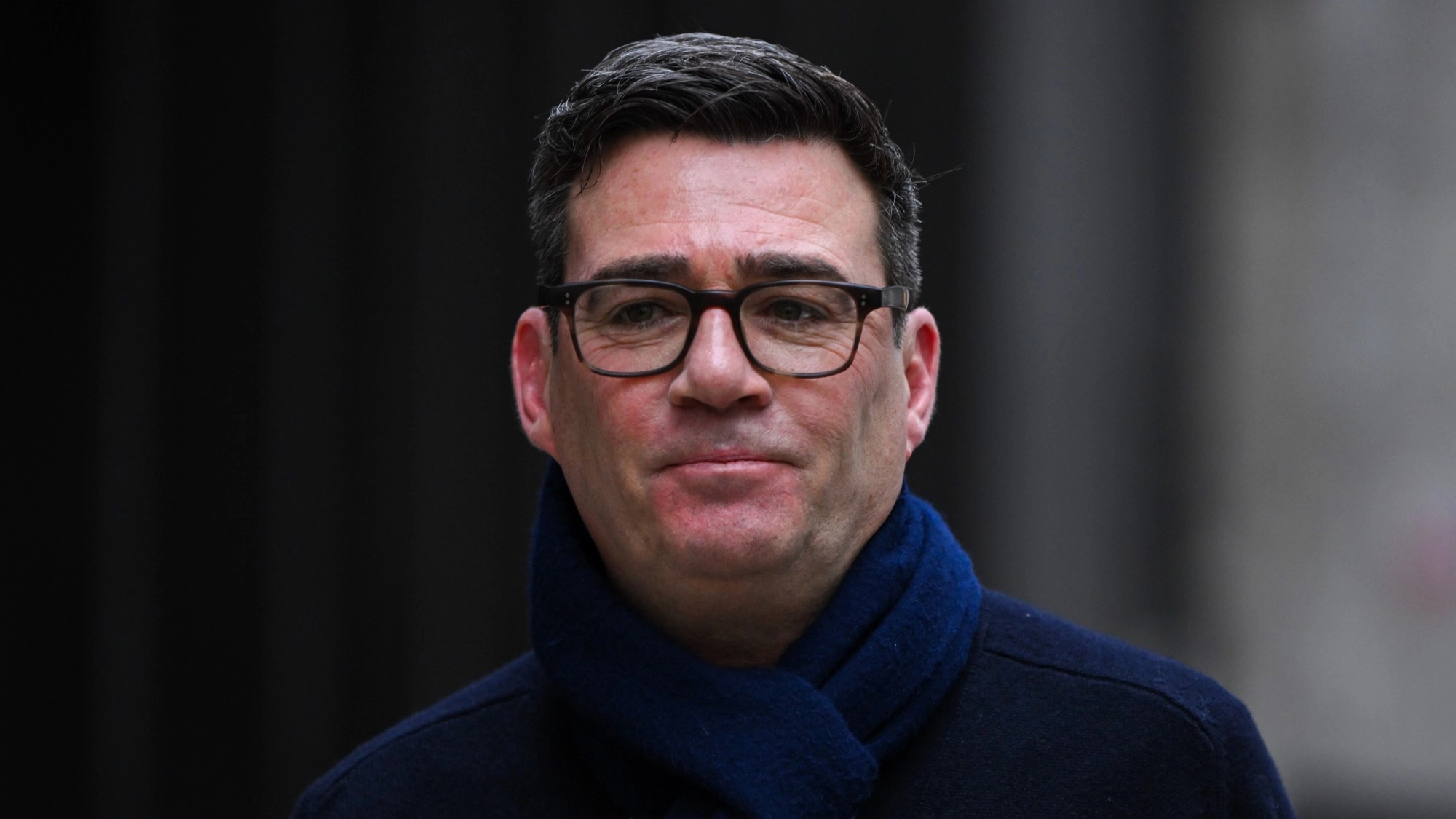
    Will Andy Burnham win the Makerfield by-election?

    The by-election in Makerfield “could decide the future direction of the country”, said the Manchester Evening News. Andy Burnham has said he’ll stand in the northwest England constituency (pending approval from Labour’s National Executive Committee), after the seat was vacated by Josh Simons, former chair of the Labour Together think tank.

    Winning it offers the Greater Manchester mayor a way back to Parliament, and a possible Labour leadership bid. But with rising support in the region for Reform UK, and Labour plummeting in the polls, Burnham’s route to Westminster is “paved with thorns”, said Stephen Bush in the Financial Times. It could all end with his “hopes in tatters”.

    What did the commentators say?
    Burnham contesting Makerfield was “not high on my bingo card for this year”, said Ben Walker in The New Statesman. It’s a “difficult proposition”. The Britain Predicts model, taking data from the recent Gorton and Denton by-election and adjusting to account for Burnham’s popularity, forecasts a Labour hold – “but only narrowly”, three points ahead of Reform.

    This is a “high-stakes gamble for everyone involved”, said Tim Shipman in The Spectator. Labour has held Makerfield since 1983, but Simons won in 2024 with a “majority of only around 6,000 over Reform”. Nigel Farage’s party will contest the seat “with all guns blazing”. The PM’s position is now “somewhat in the hands of Farage”.

    A lot rests on Burnham’s “personal popularity”, said Ollie Corfe in The Telegraph. A recent YouGov poll puts his net favourability at +4%, the only positive rating of any senior politician. But Labour has just lost 372 councillors in its disintegrating northwest Red Wall, while Reform gained more than 400.

    What next?
    Labour chief whip Jonathan Reynolds will formally ask Parliament to start the process (“moving the writ”), and then a by-election must take place within 21 to 27 working days. That means the earliest Burnham could return to Westminster would be early July.

    If he wins, his reputation as a Reform slayer would “only be enhanced”, and “his march to the leadership” would “surely be unstoppable”, said the FT’s Bush. But, if he loses, the public will question if any Labour candidate can win. It would “secure Starmer as prime minister but it could well confirm that he is on course to be Labour’s last” one.


    The Explainer

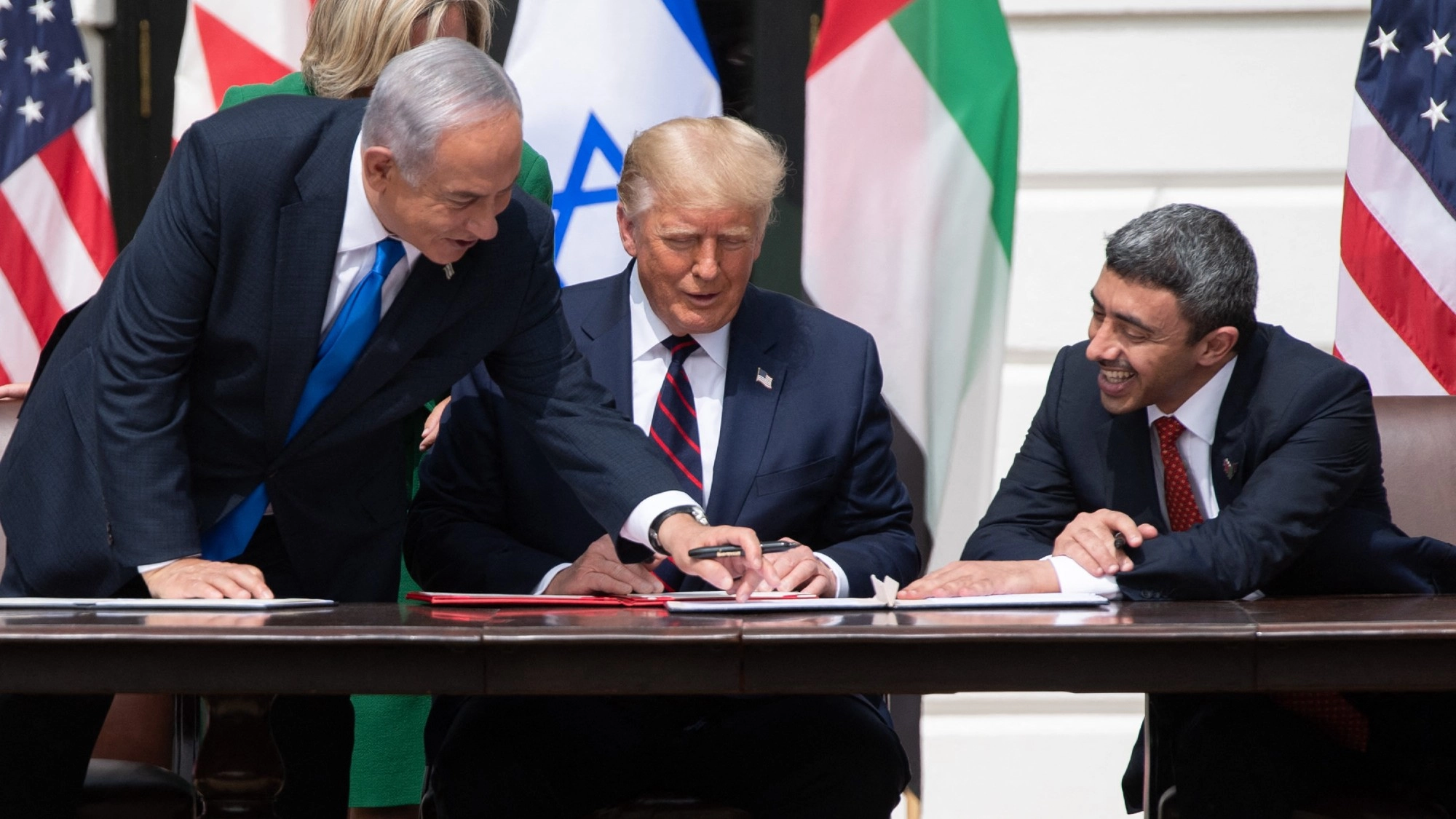
    UAE, Iran and the Abraham Accords 2.0

    The United Arab Emirates has denied Benjamin Netanyahu’s claim that he made a secret trip to the Gulf state during the Iran war to meet its president, Sheikh Mohamed bin Zayed Al Nahyan. But reports that the UAE has carried out its own strikes on Iran has renewed scrutiny of the Abraham Accords.

    What are the Abraham Accords?
    A series of peace and cooperation agreements normalising relations between Israel and several Arab neighbours. The UAE and Bahrain signed the initial agreements, mediated by the US, on 15 September 2020. Three months later, Sudan and Morocco joined the pact.

    The UAE and Bahrain saw the Accords as strategically useful, but Arab public opinion remains strongly pro-Palestinian and opposed to closer relations with Israel. The Gaza war only exacerbated this, and then the Iran war created a sense that Israel was dragging the region into further instability.

    Tehran’s “narrative” became that it could target countries that had signed the Accords “at will”, said The Jerusalem Post. This reinforced fears in Saudi Arabia, in particular, that alignment with Israel could make the kingdom a target.

    Arab governments face a dilemma: maintaining ties with Israel and its key ally, the US, risks a domestic backlash, but breaking ties could damage their security and economic interests.

    How might they be updated?
    The original vision of the Abraham Accords – an expanding, economically integrated bloc across the Middle East – has become a significantly weaker prospect. Future agreements could involve cooler normalisation, selective security cooperation, and a slower expansion.

    The rise of China has also encouraged players to consider other options. Expanding and strengthening the Accords creates a “network rooted in shared security interests and American sponsorship”,  said US conservative think tank the Hudson Institute. But Beijing has “spent the better part of two decades cultivating Middle Eastern influence”, with infrastructure finance, arms sales and “diplomatic mediation”.

    What would an update look like?
    The Accords have “demonstrated resilience”, despite the “turbulence” of the recent years, including “growing criticism of Israel”, said Roy Binyamini, a former National Security Council official, on Ynet.

    The US and its Accords partners could offer a “vision for regional stability, economic growth, inter-faith tolerance and the containment of extremist influences”. Meanwhile, Israel could “leverage its experience” to help regional partners in “strengthening civilian defence systems”.


    Poll watch

    Nearly three-quarters (72%) of people in Northern Ireland, including 60% of Leave voters, believe Brexit has been more of a failure than a success for the country. Two-thirds (66%) of the 1,050 people surveyed for Queen’s University Belfast by LucidTalk said it had made the break-up of the UK more likely.


    Statistic of the day

    464: The number of designated bathing areas in England. Open-water swimming season begins today with the opening of 13 new sites, including the first on the River Thames. But water quality at 12 of the 14 inland river sites is currently rated “poor” by the Environment Agency, making them unsafe for swimming.


    In the Spotlight

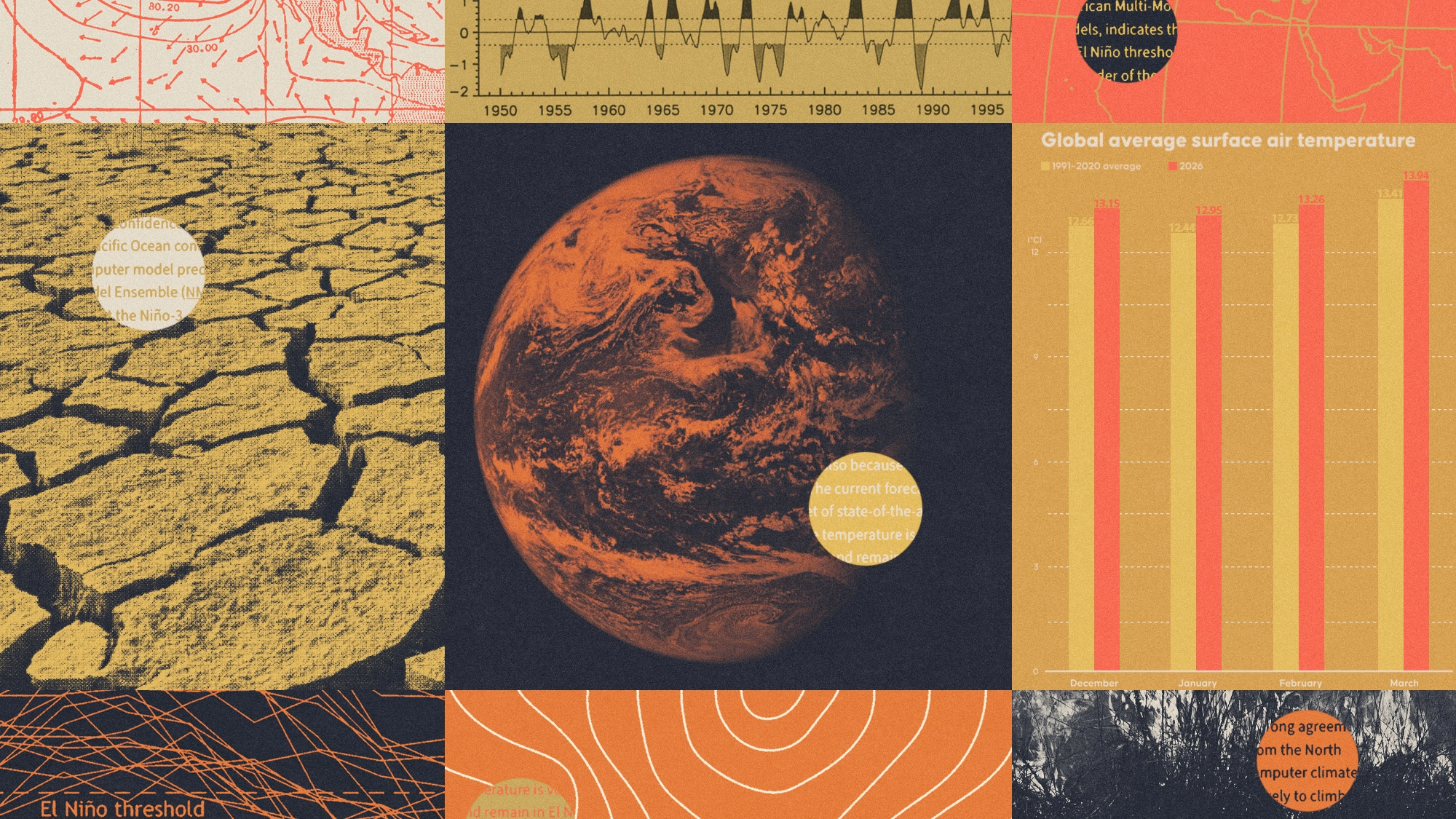
    The record-breaking El Niño

    The world is about to learn “how much climate disruption we can manage”, said The New York Times.

    Climate scientists are predicting this summer to be “potentially the biggest El Niño event since the 1870s”, said The Washington Post. In 1877, this naturally occurring climate pattern led to a famine that killed millions of people, followed by epidemics of malaria, dysentery, smallpox and cholera.

    ‘Lasting’ weather changes
    El Niños are natural phenomena: weather patterns that occur every few years, inflicting drought, flooding and other climate-related destruction. The next El Niño may not “produce nearly as much human suffering as the one of 150 years ago”, said The New York Times. But it is “almost certain” to make 2027 the “hottest year on record by some margin”.

    It might “lock Earth into a hotter climate” with “lasting changes in heat, rainfall and drought patterns”, said Inside Climate News. Researchers believe it “could permanently push” the planet past the 1.5 degrees Celsius warming milestone that’s long been seen as the threshold for “potentially irreversible climate impacts” that can affect food production, health and the economy.

    “Hotter, drier weather across Asia” could damage crops even as farmers on the continent “grapple with fertiliser shortages” caused by the Iran war, said Reuters. El Niño could also “dump more rain” ​on Europe and the US, affecting harvests. The uncertainty may prompt farmers to hedge their planting plans. “Why spread expensive fertiliser on a crop that is going to be poor anyway?” said Vitor Pistóia at Australia’s Rabobank.

    More fires and floods
    “A lot has changed” since the 1877 El Niño, said The Washington Post. Advances in climate monitoring mean the world is “much more prepared to deal with the consequences” of massive weather shifts.

    But when the temperature “tilts sharply up”, as happens during an El Niño, we get “lots more” fires and floods, said environmental activist Bill McKibben on his The Crucial Years Substack. The coming cycle may offer “final proof that global warming is actually accelerating sickeningly”. We should “prepare for bedlam”.


    Good day💰

    … for the economy, which grew 0.6% in the first quarter: the fastest pace in a year. Instead of a predicted contraction in March, as the US-Iran war caused energy prices to spike, official figures show a 0.3% jump, thanks to good performance in the services sector..


    Bad day ⚖️

    … for wealth equality, as this year’s Sunday Times Rich List reveals that Britain’s 350 most affluent individuals hold a combined wealth of £784 billion – equivalent to a quarter of UK GDP. David and Victoria Beckham, Noel and Liam Gallagher, and Reform megadonor Christopher Harborne all join the list.


    picture of the day

    Burning issue

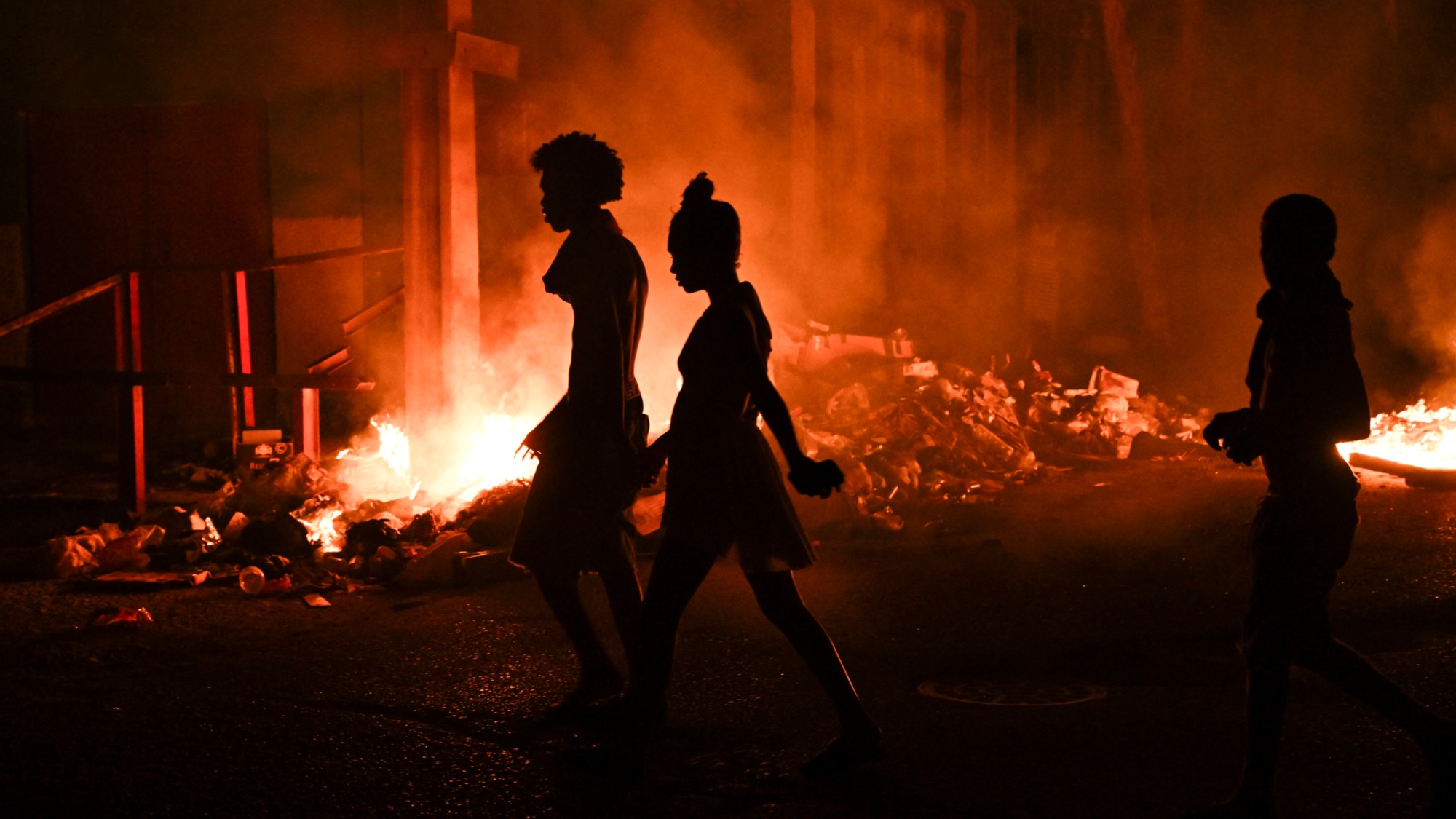
    People walk past a fire in Havana last night, after protests over power blackouts turned violent. Cuba is suffering its worst fuel shortages in decades, as its power grid crumbles and the Trump administration’s oil blockade bites.

    Yamil Lage / AFP / Getty Images


    PUZZLES AND QUIZZES

    Quiz of The Week

    Have you been paying attention to The Week’s news? Try our weekly quiz, part of our puzzles section, which also includes sudoku and crosswords 

    Play here


    THE WEEK RECOMMENDS

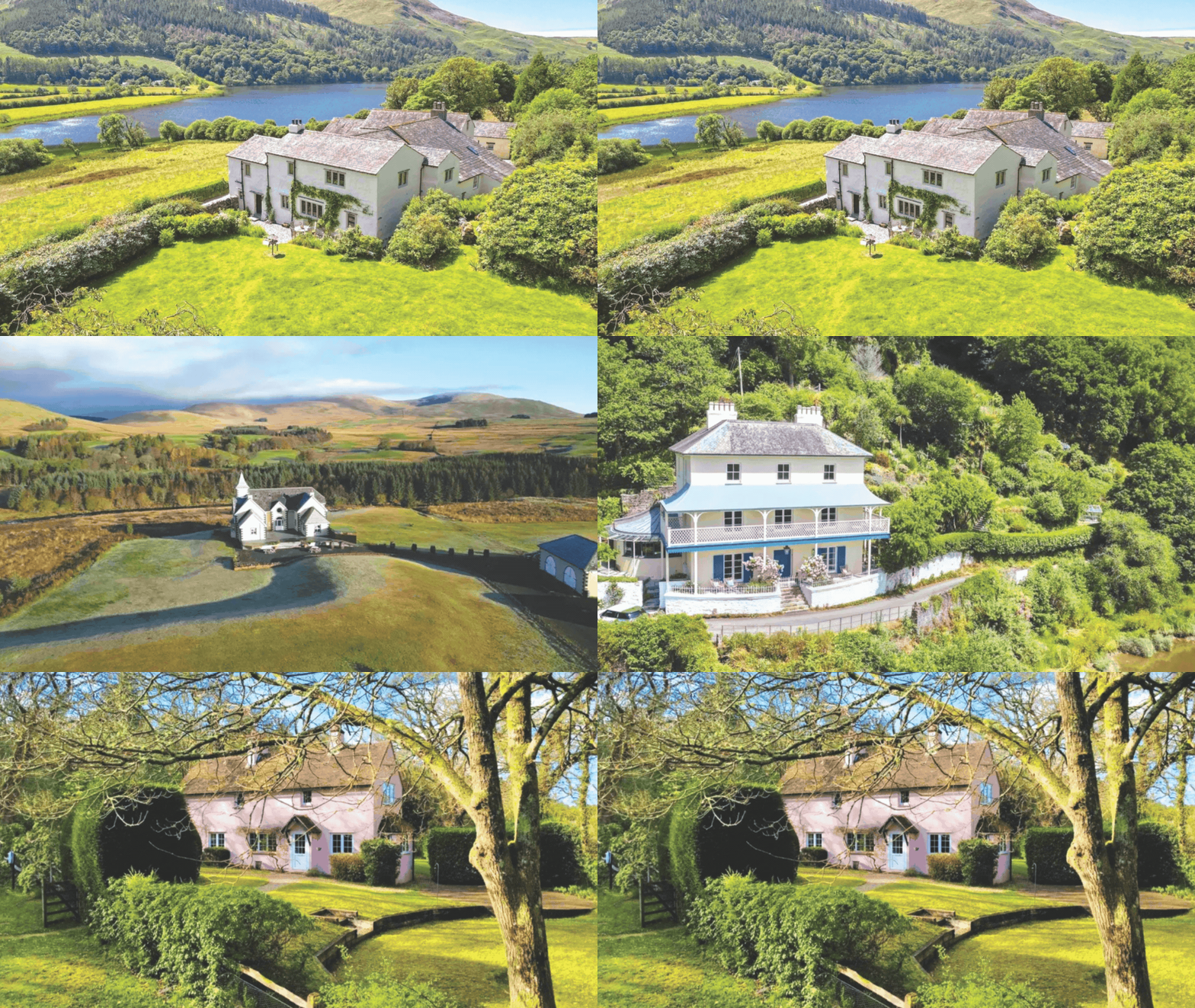
    Properties of the week: houses for fishing enthusiasts

    Dumfries and Galloway: Cumnock Knowes, Carsphairn
    An impressive modern house offering flexible accommodation with far-reaching views. Set in approx. 2.5 acres, the property backs onto the Water of Deugh, which is known for its salmon and trout fishing. 4 beds, 3 baths, kitchen, 5 receps, garden, garage. OIEO £550,000; Galbraith.

    Cornwall: Danescombe Valley House, Calstock
    An eye-catching Grade II Victorian villa with direct access to the River Tamar. Originally built in the 1850s as a private fishing lodge. 5 beds, 4 baths, kitchen, 4 receps, garden, mooring and landing stage, parking. £1.5 million; The Coastal House.

    Somerset: Longaller Mill, Bishops Hull
    Elegant Grade II former mill on the River Tone, known for its diverse coarse fishing, especially for chub, dace and roach. 4 beds, 3 baths, kitchen/breakfast room, 5 receps, 1-bed self-contained cottage, outbuildings, garden, parking. £1.2 million; Savills.

    Oxfordshire: Greenhaye, Preston Crowmarsh
    An exceptional Edwardian home on the banks of the River Thames, boasting grand entertaining spaces. 6 beds, 3 baths, kitchen, 5 receps, stables, tennis court, garden, parking. £2.495 million; Savills.

    Surrey: Abbots Cottage, Tilford
    A delightful country cottage, set in approx. 2.4 acres of pastureland and woodland, bordered by a stream. Close to Rushmore Lake fisheries, which offer carp and coarse angling. 4 beds, 3 baths, kitchen, 3 receps, shepherd’s hut, stables, outbuilding, garden, parking. £1.55 million; Strutt & Parker.
    See more


    QUOTE OF THE DAY

    “If Bambi is overdoing the forest aperitif, it might not be the moment to drive as if the road belongs entirely to you.”

    French police remind locals about the seasonal scourge of drunken deer, which stagger around wine-making regions after eating fermented fruit. The Saône-et-Loire gendarmerie issued the warning after a video of a roe deer spinning and stumbling went viral.


    instant opinion

    Today’s best commentary

    While Labour implodes, Farage is battling a scandal that could cost him everything
    James Ball in The i Paper
    Westminster eyes may be “focused on” Keir Starmer’s premiership, writes James Ball, but, “bubbling underneath”, is the revelation that Nigel Farage accepted £5 million from a Thailand-based crypto billionaire, and didn’t declare it. He faces a “formal investigation by the parliamentary standards watchdog”, which could lead to a “recall petition” in his seat, pushing him into the “fight of his political life”. He “might soon find himself in just as much political trouble as Starmer is in now”.

    What the Two Fat Ladies taught us about Britain

    Madeline Grant in The Spectator
    “At the height” of the 1990s “panic about fat”, the BBC’s “Two Fat Ladies” cheerfully cooked “with butter, cream, dripping and lard”, writes Madeline Grant. “They were the opposite” of today’s “cult of wellness” that has “grown men obsessing about their ‘biome’”; if only they were still alive to “share their thoughts about the Zoe app”. Their rebellion against “scolding” progressives was the “last gasp of a country” with a “sense of humour and a coherent sense of self”.

    No one should get a free pass on antisemitism – so why does the right?
    George Monbiot in The Guardian
    “Antisemitism must be stamped out,” writes George Monbiot. “It is indeed a problem on the left”, but where’s “the equally urgent concern” about the right? Where’s “the storm of protest” at right-wing newspapers publishing cartoons of Zack Polanski “with a hooked nose”? What about Nigel Farage’s alleged “antisemitic tendencies”? It’s starting to look as if “the media might be campaigning against antisemitism not because they care about Jews but because it’s a highly effective means” of “stopping the left”.


    word of the day

    Thucydides

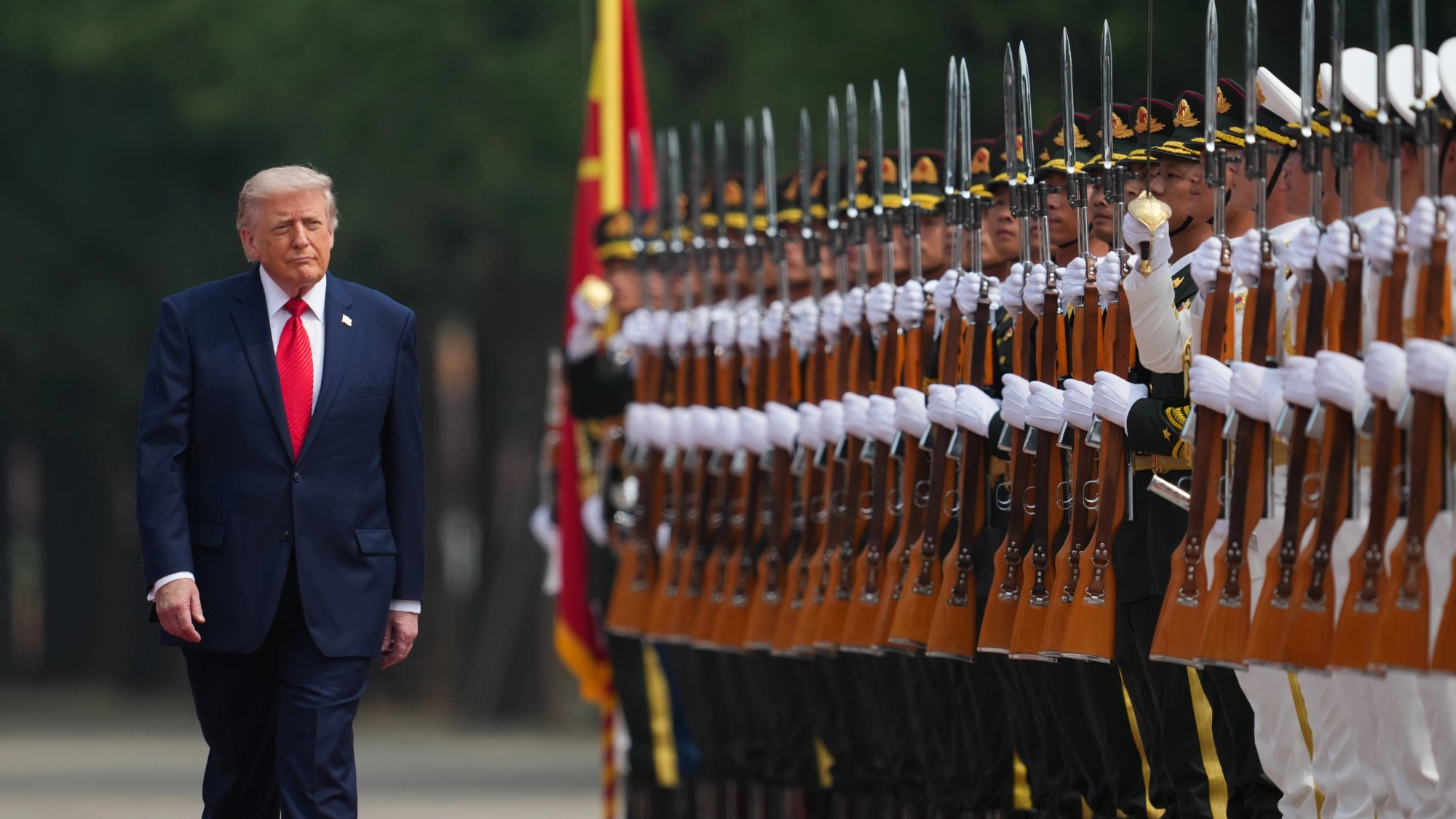
    An ancient Greek historian who chronicled the 27-year war between Sparta and Athens. The so-called “Thucydides trap” suggests that, when an established power manages a rising power badly, it leads to war. Xi Jinping asked Donald Trump last night if China and the US could “transcend” that trap and “forge a new paradigm”.


     Evening Review was written and edited by Harriet Marsden, Jamie Timson, Irenie Forshaw, Chas Newkey-Burden, Will Barker, Joel Mathis, Adrienne Wyper, David Edwards and Helen Brown, with illustrations by Stephen P. Kelly.

    Image credits, from top: Jaimi Joy / Bloomberg / Getty Images; Saul Loeb / AFP / Getty Images; Illustration by Stephen P. Kelly / Getty Images; Yamil Lage / AFP / Getty Images; Savills / Galbraith / The Coastal House / Strutt & Parker

    Morning Report and Evening Review were named Newsletter of the Year at the Publisher Newsletter Awards 2025
     

    Recent editions

    • Evening Review

      Will Trump invade Cuba?

    • Morning Report

      The Fed’s Warsh era begins with soaring inflation

    • Evening Review

      Young Americans’ pessimism about the job market

    VIEW ALL
    TheWeek
    • About Us
    • Contact Future's experts
    • Terms and Conditions
    • Privacy Policy
    • Cookie Policy
    • Advertise With Us
    • FAQ
    Add as a preferred source on Google Add as a preferred source on Google

    The Week is part of Future US Inc, an international media group and leading digital publisher. Visit our corporate site.

    © Future US, Inc. Full 7th Floor, 130 West 42nd Street, New York, NY 10036.