The Week The Week
flag of US
US
flag of UK
UK
https://cdn.mos.cms.futurecdn.net/flexiimages/jacafc5zvs1692883516.jpg

SUBSCRIBE & SAVE

Less than $3 per week

Sign in
  • View Profile
  • Sign out
  • The Explainer
  • The Week Recommends
  • Newsletters
  • Cartoons
  • From the Magazine
  • The Week Junior
  • Student Offers
  • More
    • Politics
    • World News
    • Business
    • Health
    • Science
    • Food & Drink
    • Travel
    • Culture
    • History
    • Personal Finance
    • Puzzles
    • Photos
    • The Blend
    • All Categories
  • Newsletter sign up Newsletter
  • The Week Evening Review
    Boozeball, the Évian summit, and the UK’s data centre roll-out

     
    TALKING POINT

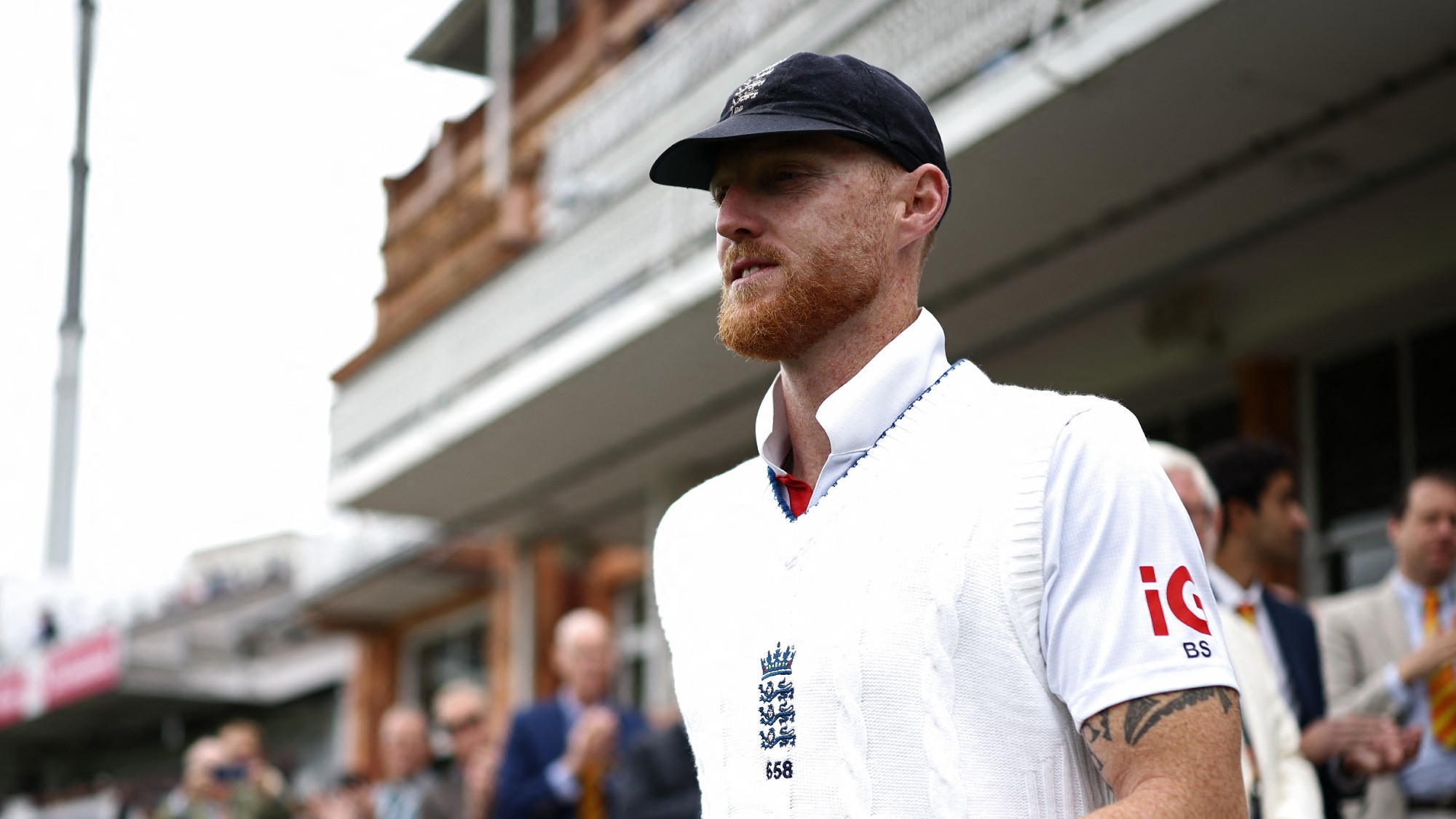
    Does England men’s cricket have a drinking problem?

    England captain Ben Stokes and bowler Gus Atkinson have been dropped from the Test against New Zealand starting at The Oval tomorrow after breaking curfew rules. The pair were reportedly involved in an altercation in a Chelsea nightclub after breaching team protocol by staying out after midnight following their victory in the first Test at Lord’s. Sonny Baker and Jordan Cox will make their debuts as their replacements.
     
    At a press conference at The Oval, managing director of England men’s cricket Rob Key said bosses were considering a ban on alcohol for the national side, which has repeatedly faced allegations of booze-fuelled unprofessionalism. 

    ‘Staggering stupidity’
    One of Stokes’ strengths as England captain has been his “capacity to show the way”, said Harry Latham-Coyle in The Independent. But his behaviour shows “staggering stupidity”. Following reports of excessive drinking at last year’s Ashes, the leadership team vowed that things would be different. “That promise has been broken at virtually the earliest opportunity.”

    Booze and cricket “have been intrinsically linked since the sport was invented”, said Elizabeth Ammon in The Times. Some players believe that “natural talent is a shield”, giving them some form of “invincibility” against the effects of alcohol, but excessive drinking can also be a response to the “sheer mental toll of long, isolated tours”. Although the modern cricketer is typically more professional than previous generations, the sport is “still lagging behind its major sport contemporaries”.

    ‘Shooting itself in the foot’
    It’s “impossible not to feel sympathy” for Stokes, said Emma John in The Guardian. This is a man who recently celebrated his 35th birthday, had just won the first Test of the summer and has been “teetotal for the best part of a year” in order to manage his heavy workload. England cricket has a “tradition of shooting itself in the foot”, but the instinct to judge him “for the most meaningless of infractions” feels “perverse”.

    The situation is “complicated and more nuanced than it sometimes appears”, said The Athletic. The game is full of “alcohol-related anecdotes”, and social drinking is “deeply entwined” with the sport. At the grassroots level, booze is the “lifeblood” of many clubs, with the clubhouse bar “often central to the community”. But “increasingly at the top level, a compromise has to be reached”.


    TODAY’S BIG QUESTION

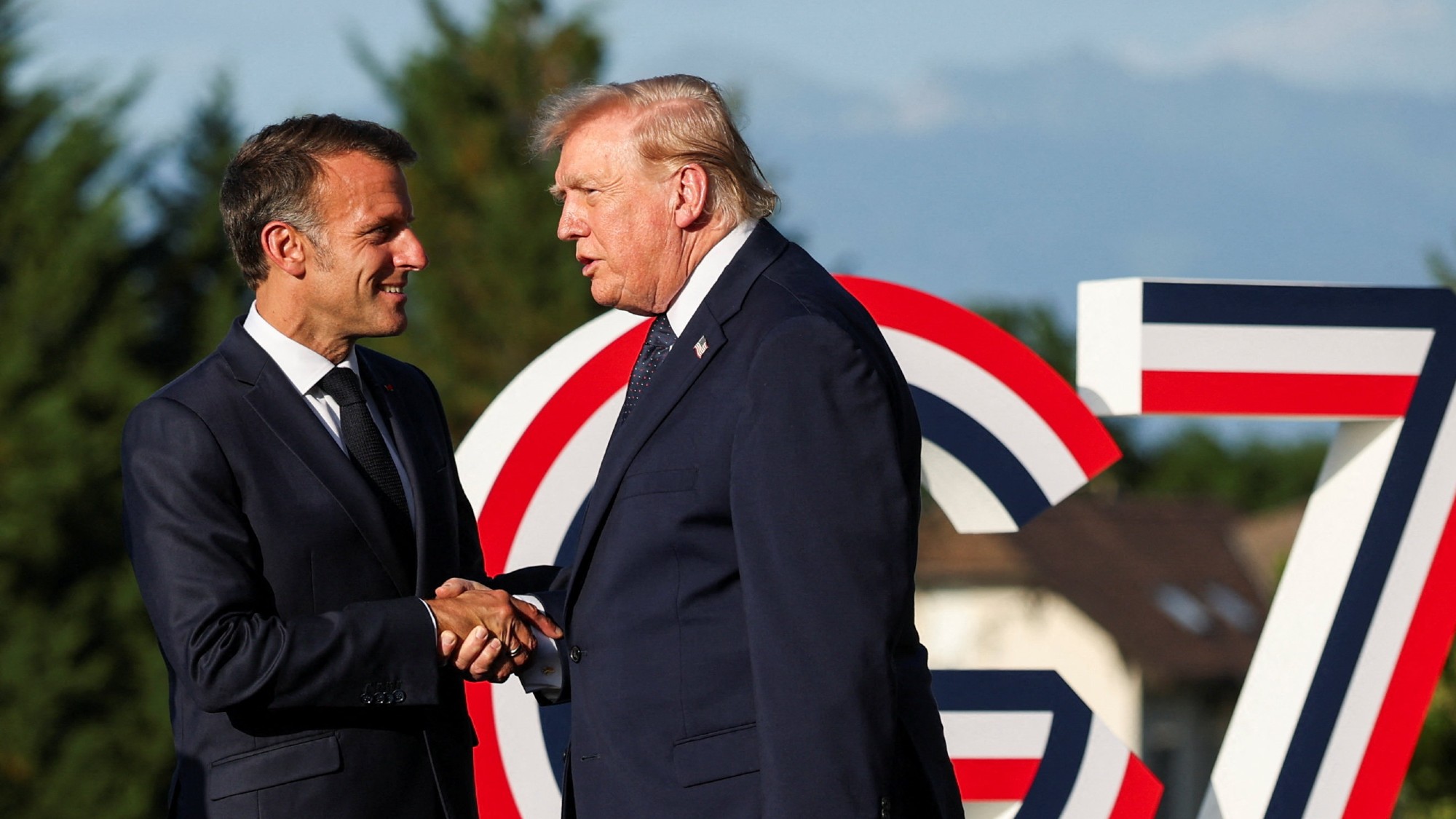
    Does the G7 still matter?

    G7 summit host Emmanuel Macron is pulling out all the stops to show that this week’s gathering of the world’s richest democracies still matters in an age of strongman politics. In one of his last big diplomatic set pieces before his presidential term winds down next year, Macron “will seek to paper over divisions” between Donald Trump and the other six leaders, said Euronews. Top of the agenda will be the Ukraine war, the Strait of Hormuz and developing safer technologies.

    What did the commentators say?
    The G7 leaders last met in the alpine spa town of Évian-les-Bains in June 2003, when the US had invaded Iraq despite “the strident objections of France and Germany”, said The New York Times’ Paris bureau chief Mark Landler. Then-US president George W. Bush “got chilly handshakes” but worked hard with the other leaders “to maintain the veneer of like-minded countries uniting to confront the perils of an unruly world”. Two decades on, it’s the same town but another American war in the Middle East, and any “veneer” of unity has been “stripped away”.

    The G7 is a “forum created to solve geopolitical crises”, said Bloomberg’s Europe editor Flavia Krause-Jackson, “but it was excluded from the US-Israeli planning for war” with Iran. And it was ignored by the US in both the diplomacy for and timing of the peace deal, which Trump announced the day before the summit and is due to be signed after it ends.

    Although the G7 nations – France, Italy, Germany, the US, the UK, Canada and Japan – collectively account for 45% of global GDP, individually, few of them are among the world’s “biggest or indeed most powerful economies”, said Jonathan Moules in the Financial Times. And Trump would clearly rather play geopolitics with Vladimir Putin or Xi Jinping than waste time building consensus with those he regards as weak.

    What next?
    Expectations of what this three-day summit can achieve are “already low”, said Clea Caulcutt on Politico. “Despite all the efforts of the French presidency, the G7 format has lost much of its relevance,” an EU official told the website. The focus is on keeping up appearances, said a European diplomat, and “it will be a success if there is a family photo”.


    QUOTE OF THE DAY

    “Ethically, morally, strategically, economically, it ain’t right.”

    Jamie Oliver calls for urgent action to finalise a proposed ban on the sale of high-caffeine energy drinks to under-16s. The Department of Health’s promise of an update on its consultation “in due course” is “not good enough”, he told BBC Radio 4’s “Today”.


    Poll watch

    More than three-quarters (76%) of Britons would support a 2% wealth tax on people with net assets worth more than £10 million, according to research for Oxfam. A YouGov survey of 2,167 adults found that only 14% were opposed, while the rest were undecided.


    THE EXPLAINER

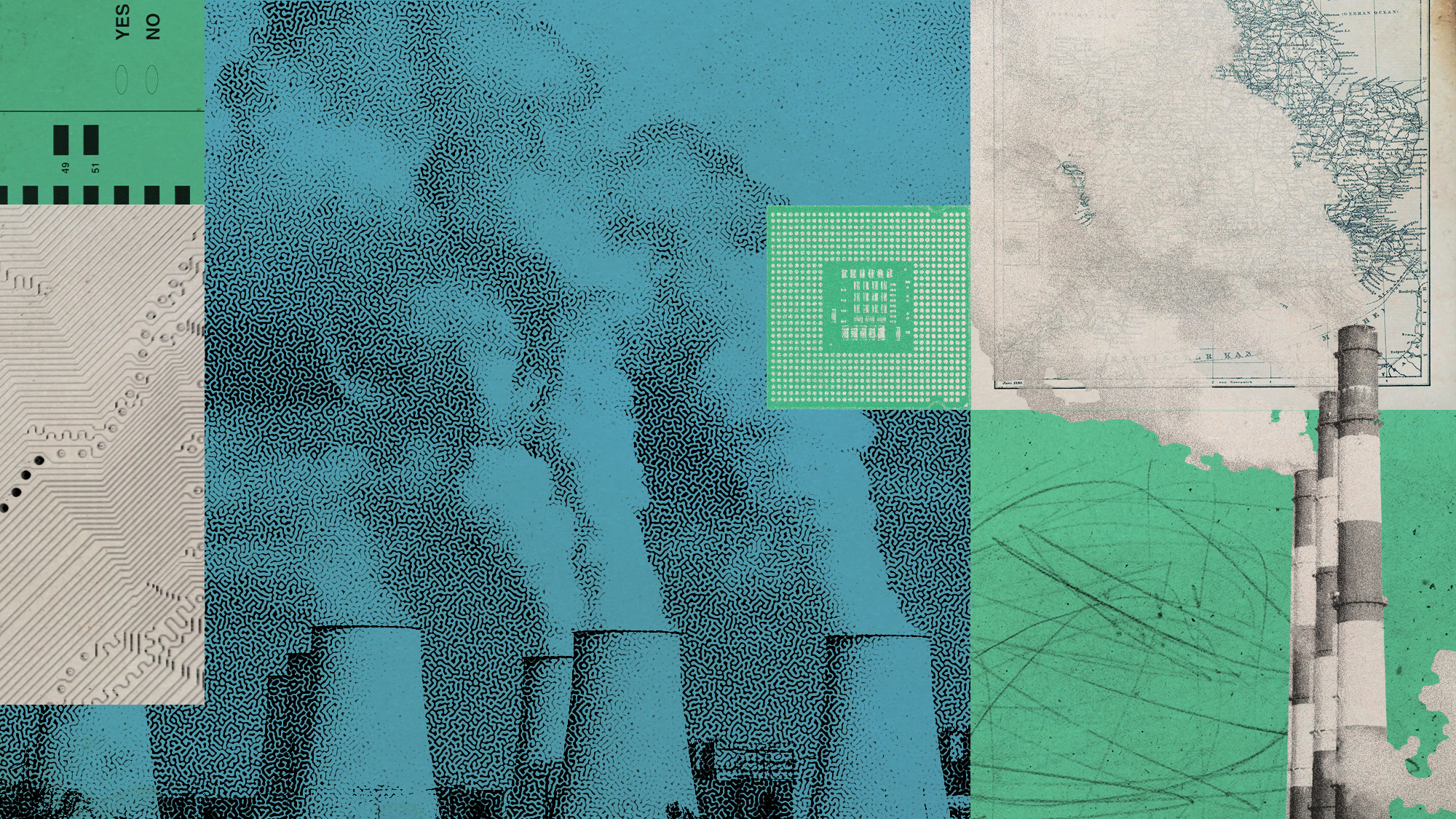
    How the UK became a data centre hub

    Another major UK data centre has been given the green light, further cementing the country’s status as Europe’s AI front-runner. The government has approved plans to build the centre on a huge green-belt site in Slough, Berkshire, despite claims it could derail the project to build Heathrow’s third runway.

    The developers had appealed after the local council refused to rule on the project, which it said would sit in “one of the most fragile and vulnerable parts of the green belt around London”. Since coming to power, Labour has “repeatedly bypassed local authorities to support data centre developments”, said The Telegraph. Housing Minister Matthew Pennycook said that there was a “continuing and unprecedented demand” for such projects.

    How many data centres are there in the UK?
    The UK is at the forefront of Europe’s data centre roll-out, hosting 523 out of the continent’s 2,269 data centres as of the end of last year. The UK ranks ahead of Germany (home to 529 centres) and also China (449 centres), “despite its strength as a technology and innovation power”, said Euronews. But all three are dwarfed by the US, which had 5,427 data centres by the end of 2025. The only other countries with more than 300 centres are Canada, France and Australia.

    What’s planned for the future?
    The number of data centres in the UK is set to increase by almost a fifth over the next five years, the BBC reported last summer, when there were an estimated 477. Work on the biggest, a £10 billion data centre near Newcastle for US wealth management firm Blackstone Group, is due to begin in 2031. It will feature “10 giant buildings” covering more than half a million square metres – “the size of several large shopping centres”.

    The majority of the centres will be built in London and neighbouring counties, despite “concerns about the huge amount of energy and water” they’ll consume, said the BBC, and the “potential knock-on effect” on domestic energy bills.

    How great is the environmental impact?
    Officials recently admitted that Britain’s data centre boom could “draw 40% more electricity than thought a few months ago”, said The Times. More than 100 data centres are seeking grid connections for 50 gigawatts of electricity capacity – “more than the whole of Britain’s peak demand on a typical day”. MPs are calling for a “national conversation on the environmental impacts”.


    Good day 🍾

    … for London’s Olympia, which has reopened following a £1.3 billion makeover. British designer Thomas Heatherwick and architects SPPARC have transformed the 140-year-old exhibition centre into a 2.5-acre neighbourhood with bars, restaurants, two hotels, a theatre and a concert hall. 


    Bad day ☕

    … for Starbucks, which is to temporarily close its South Korean outlets for staff training on historical awareness after facing a backlash over a “Tank Day” marketing campaign. The chain apologised for the promotion, which evoked the deadly crackdown on pro-democracy protesters in the 1980 Gwangju Uprising against the military government. 


    PICTURE OF THE DAY

    Hats off

    A spectator peeps through her headwear on the first day of Royal Ascot, the most extravagant event in the horse racing calendar. The strict dress code for the five-day meet requires women to wear a hat or headpiece in most of the enclosures.

    Justin Tallis / AFP / Getty Images


    Puzzles

    Chain Word

    Try The Week’s new daily word challenge in our puzzles and quizzes section

    Play here


    THE WEEK RECOMMENDS

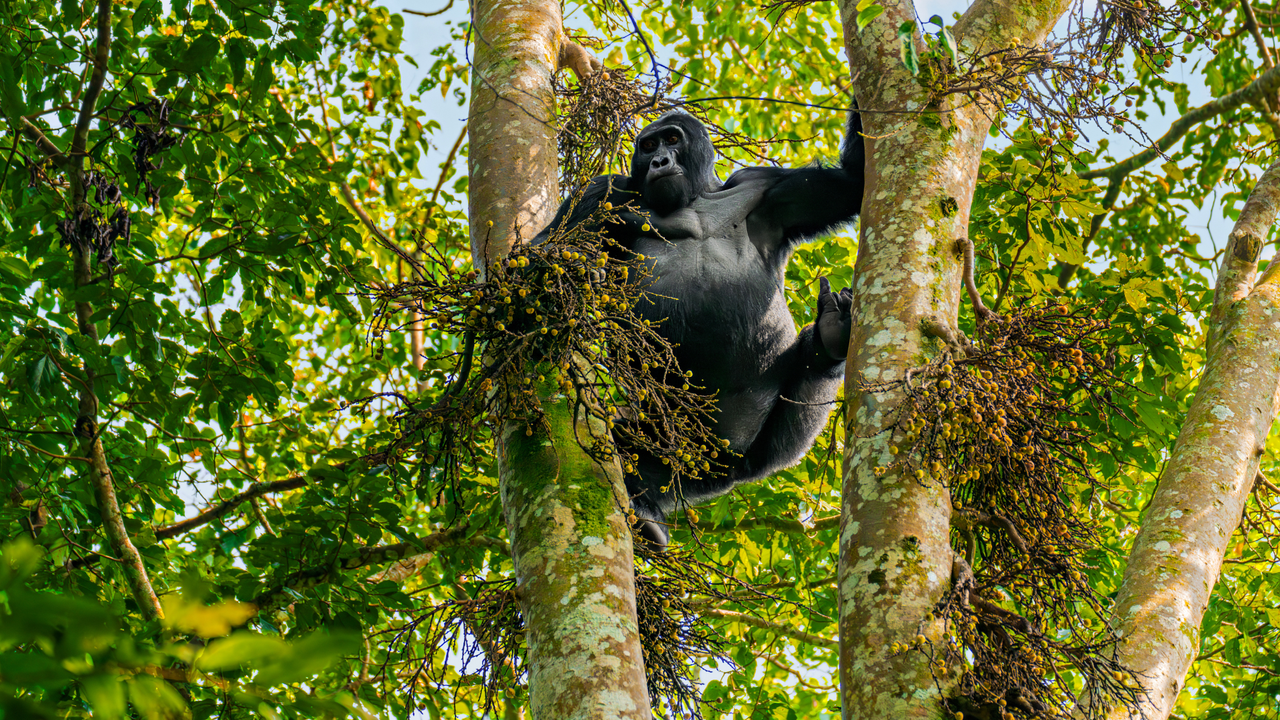
    Getting up close to mountain gorillas in the wild

    There’s a “surging interest” in apes, said Euronews. Nature documentaries such as David Attenborough’s “A Gorilla Story”, which revisits a gorilla family that he first filmed in 1978, are inspiring tourists to book gorilla-trekking holidays in Rwanda, Uganda and the Republic of Congo. But tracking these beautiful creatures in their natural habitat isn’t easy: it’s physically strenuous, and permits are strictly limited, to protect the endangered animals.

    Rwanda has 14 mountain gorilla families that have been carefully habituated to human observers and “can be visited by up to eight tourists for one hour daily”, said Lizzie Frainier in The Times. I travelled to the foothills of Mount Karisimbi in Volcanoes National Park to meet a family group of 14. Watching a baby gorilla running around in a “ferny glen” and frolicking into the “dense brush” was “magical”. I’ve had my fair share of wildlife experiences as a travel editor, but none compared to this.

    This kind of “low-volume, high-value tourism” is pricey: a day’s trek costs more than £1,000, with proceeds going towards anti-poaching initiatives and community development. Accommodation ranges from basic guesthouses to “ultra-luxe boutique hotels”. If you really want to push the boat out, check in at Wilderness Bisate Reserve, which has “epic misty 360-degree views and four palatial suites”.

    I trekked through Uganda’s Bwindi National Park, said Olivia Singer in Vogue, and the forest was “alive” with mountain gorillas. During my five-day trip with Abercrombie & Kent, I spotted “two gargantuan silverbacks and a baby”; they meandered around us for an hour as they went “about their business”. It was “the best day of my life”.


    Statistic of the day

    10ft: How deep underground an “America250 time capsule” will be buried at Philadelphia’s Independence National Historical Park on 4 July. The 900lb stainless-steel cylinder will be filled with items from each of the 50 states – ranging from letters and records to a Coca-Cola bottle and iPhone 17 Pro Max – to mark the US semiquincentennial and will be opened in 2276. 


    instant opinion

    Today’s best commentary

    Social media ban won’t alter culture that hurts women
    Georgia Harrison in The Times
    I “welcome” the under-16s social media ban, writes reality TV star and online safety campaigner Georgia Harrison. Someone “shared intimate footage of me without my consent”, so I know “what these platforms can do to a young life”. But the ban won’t “change the content economy waiting” for our children when they turn 16. It won’t “wall off” this digital culture that’s “hurting thousands of women”. “The harder work is building an online world safe for all of us.”

    Direct Action Is Now Terrorism
    Steven Methven on Novara Media
    The sentences of four newly convicted Palestine Action activists “were extended by the judge’s finding of a terror connection behind the criminal damage they did”, writes Steven Methven. “It’s the first time in British history that anyone has been sentenced as a terrorist for damaging property.” The Israeli weapons firm they attacked enables “crimes against humanity”, yet “the space for politically motivated action in this country has been radically diminished”. Power “has been allowed to become unchallengeable”.

    Cycling is Right-wing, not Left-wing
    Lewis Page in The Telegraph
    Cyclists are often characterised as “angry Left-wingers”, writes Lewis Page, but they’re “clearly Right-wing”. In rush-hour traffic, cyclists are “working harder” and “taking more risks” than motorists, who seem to feel a socialist impulse to rein them in “with increased regulations and bureaucracy”. By contrast, many cyclists “evidently have no respect for traffic lights”, which are where “government controls you and often makes you wait”, as former Tory MP John Redwood famously noted. “QED. Cycling is Right-wing.”


    word of the day

    Avondvierdaagse

    Dutch for “four-day evening walk”, Avondvierdaagse is an annual community event for families across the Netherlands. The marches began in 1909 as a “military training” exercise, said The Guardian, but are now held on four consecutive evenings every summer “to motivate kids to enjoy being outside and moving”, which may help explain why “Dutch children are unusually happy”.


    Evening Review was written and edited by Hollie Clemence, Rebecca Messina, Elliott Goat, Harriet Marsden, Will Barket, Chas Newkey-Burden, Irenie Forshaw, Helen Brown, Adrienne Wyper and Kari Wilkin, with illustrations from Julia Wytrazek.

    Image credits, from top: Henry Nicholls / AFP / Getty Images; Isabel Infantes / Pool / Getty Images; illustration by Julia Wytrazek / Getty Images; Justin Tallis / AFP / Getty Images; Ozbalci / Getty Images

    Morning Report and Evening Review were named Newsletter of the Year at the Publisher Newsletter Awards 2025
     

    Recent editions

    • Evening Review

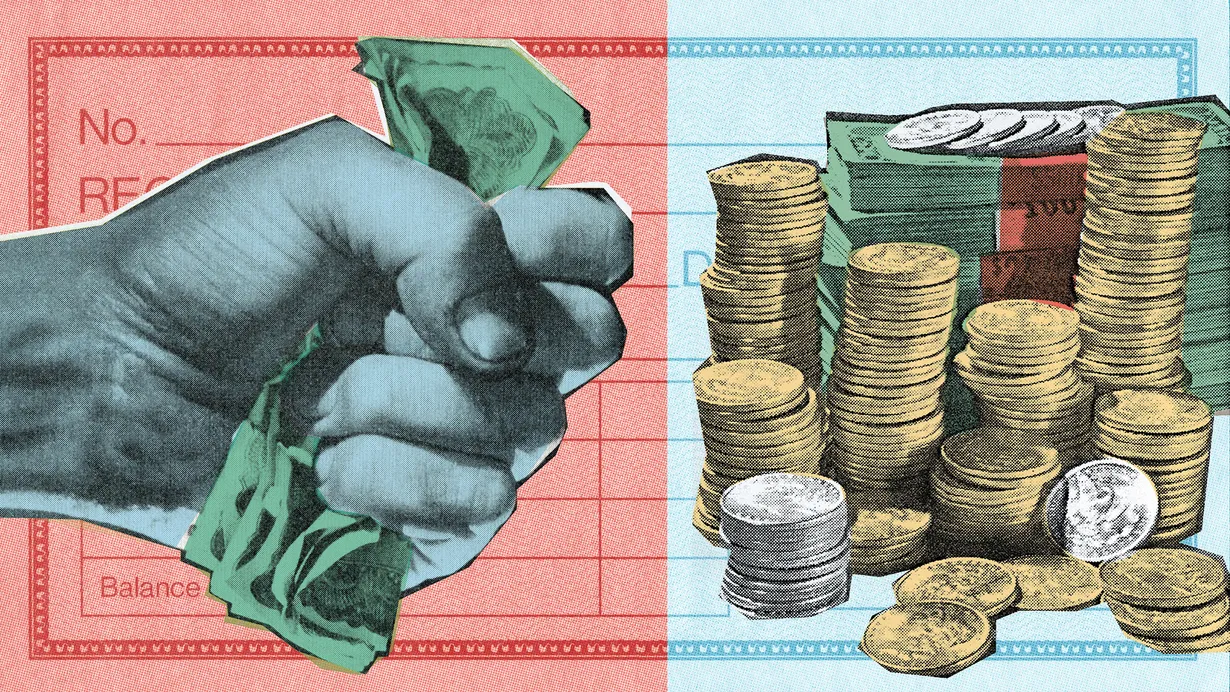
      The political fundraising battle

    • Morning Report

      US and Iran agree on framework for peace

    • Sunday Shortlist

      Spielberg’s sci-fi thriller

    VIEW ALL
    TheWeek
    • About Us
    • Contact Future's experts
    • Terms and Conditions
    • Privacy Policy
    • Cookie Policy
    • Advertise With Us
    • FAQ
    Add as a preferred source on Google Add as a preferred source on Google

    The Week is part of Future US Inc, an international media group and leading digital publisher. Visit our corporate site.

    © Future US, Inc. Full 7th Floor, 130 West 42nd Street, New York, NY 10036.