The Week The Week
flag of US
US
flag of UK
UK
https://cdn.mos.cms.futurecdn.net/flexiimages/jacafc5zvs1692883516.jpg

SUBSCRIBE & SAVE

Less than $3 per week

Sign in
  • View Profile
  • Sign out
  • The Explainer
  • The Week Recommends
  • Newsletters
  • Cartoons
  • From the Magazine
  • The Week Junior
  • Student Offers
  • More
    • Politics
    • World News
    • Business
    • Health
    • Science
    • Food & Drink
    • Travel
    • Culture
    • History
    • Personal Finance
    • Puzzles
    • Photos
    • The Blend
    • All Categories
  • Newsletter sign up Newsletter
  • The Week Evening Review
    Iran deal, ‘write-off’ Wes, and toxic algae

     
    THE EXPLAINER

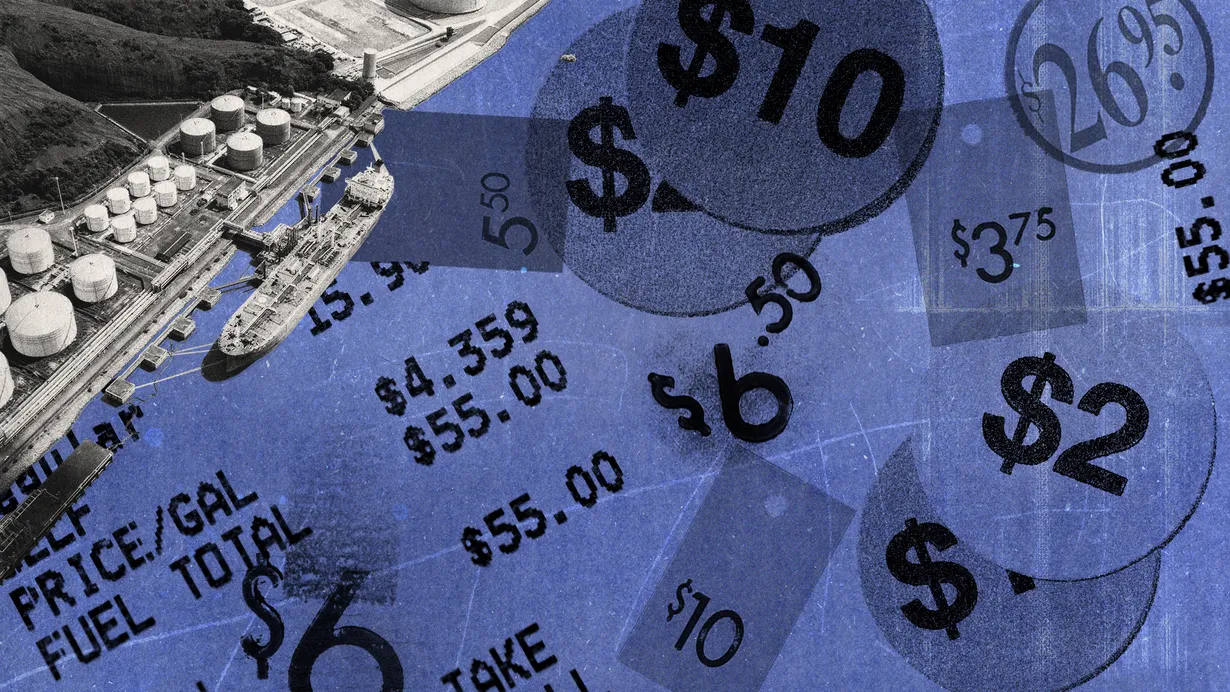
    How US-Iran peace deal will affect our cost of living

    “Ships of the World, start your engines,” Donald Trump declared on Truth Social after signing an interim peace deal with Iran on Sunday. “Let the oil flow!” But many of the finer details remain “unclear”, said The Guardian, and while financial markets welcomed Trump’s announcement, further volatility could again hit people’s pockets.

    What is happening to oil prices?
    The price of oil fell to about $83 (£62) per barrel following Sunday’s announcement, and was below $80 yesterday. At the height of the conflict, prices peaked at around $120.

    The “first big test” of the deal will be whether shipping companies have enough “confidence” to return to using the Strait of Hormuz at pre-war levels, said The New York Times. Even if they do, processing oil takes considerable time and “it is unlikely that the prices of gasoline, diesel and other fuels will return to pre-war levels anytime soon”.

    What about inflation?
    UK inflation remained at 2.8% in May, which was a “surprise” to economists, said The Independent. They had widely predicted a rise to 3% and “perhaps even beyond”, due in part to the war in Iran. Remaining at this level could imply that the “cost-of-living squeeze will not play out as badly as had been anticipated” earlier this year.

    But beneath the “encouraging headlines” about inflation control, there is a “hidden crisis for businesses”, said The Telegraph. The war triggered one of the largest energy shocks in history, and with many businesses  “swallowing soaring costs to spare shoppers”, those “lower margins could lead to increased pressure on the employment market”.

    What does it mean for consumers?
    Food prices in the UK appear to be rising more slowly. Should the Strait of Hormuz open fully, said the BBC, fertiliser prices, which have “soared”, could fall substantially. There may also be relief for would-be holidaymakers. Jet fuel has already seen a “small fall in price”, with Northwest Europe jet fuel trading at $1,033 (£780) per tonne, compared with $831 before the conflict and around $1,840 during its peak.


    TODAY’s BIG QUESTION

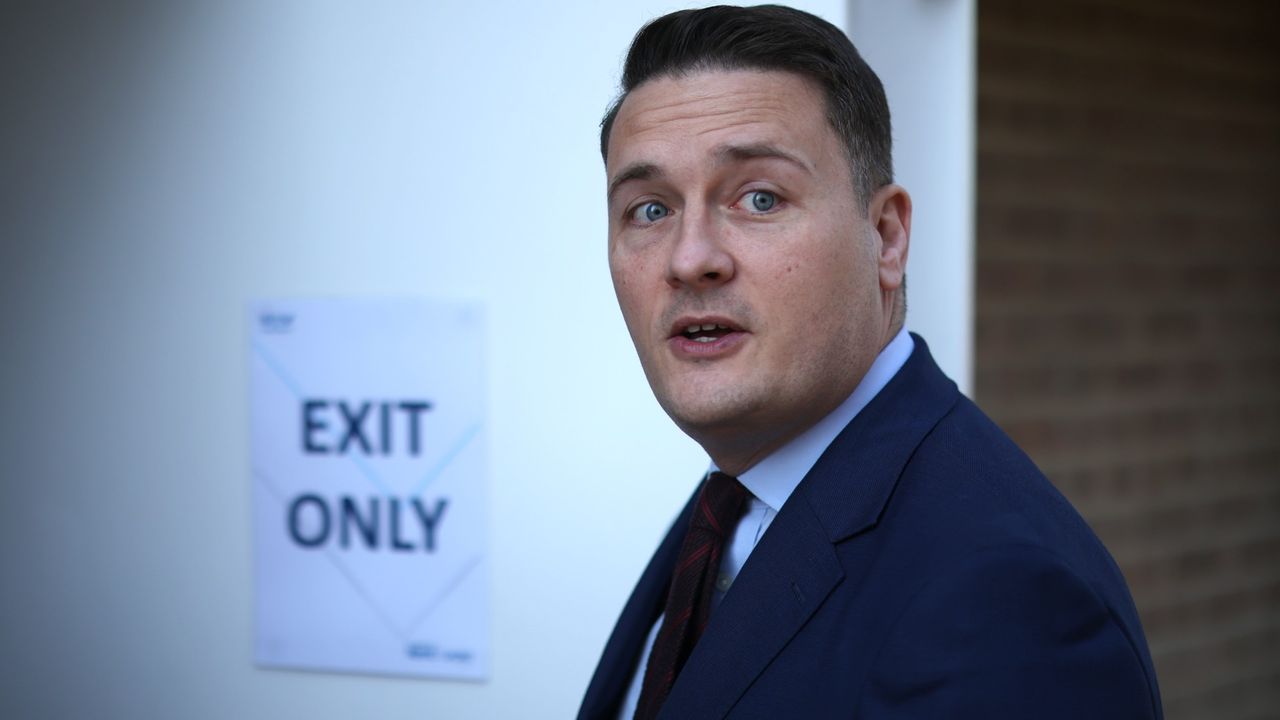
    Does Wes Streeting have any hope of becoming PM?

    If Andy Burnham wins today’s Makerfield by-election, Wes Streeting won’t be letting him have a clear run at No. 10. “For the avoidance of doubt, for the umpteenth time, I will be standing” for the Labour leadership, he told Politico. The former health secretary is determined to spoil any Burnham coronation, and delivered a major speech earlier this week setting out his own economic plan for government.

    What did the commentators say?
    That speech was impressive, said City A.M. editor-in-chief Christian May. “In under an hour,” Streeting displayed “more intellectual flair and more interest in economic growth than Rachel Reeves has offered in two years” and “certainly offered more than Burnham appears capable of”. Streeting represents “a chance to revive this country’s economic fortunes and repair our frayed social bonds”. His fellow Labour MPs “and party members should seize it”.

    It’s been a “good week” for Streeting, said Stephen Bush in the Financial Times, but he faces a “formidable set of obstacles” to even be a candidate in any leadership race. He may “in theory” have the required support of 81 Labour MPs to make it onto a leadership ballot, but they may not be willing to back his “long-shot” bid if it might “blot their copybook” with “likely winner” Burnham.

    Streeting’s poll ratings “have worsened since he resigned a month ago” and many in Westminster “have already written off” his leadership hopes, said The i Paper’s policy editor Jane Merrick. He’s “still regarded by many in the Labour Party as generational talent”, but this will be “an uphill struggle”.

    What next?
    Streeting is “performing poorly with the Labour membership”, pollster and political strategist Scarlett Maguire told The i Paper. Right now, he would be trounced in a head-to-head battle with either Burnham or Starmer, according to a Survation/LabourList poll of party members.

    But Streeting may already have launched a Plan B, said John Rentoul in The Independent. His economy-heavy speech “was very much a pitch for the job of chancellor in a Burnham government”. 


    QUOTE OF THE DAY

    “No mother should miss the chance to see her child make history.”

    US House Democrat leader Hakeem Jeffries announces that the mother of Cape Verde goalkeeper Vozinha has been granted a visa fee waiver. Ana Cândida Évora will now be able to afford to travel to Miami to watch her son’s match against Uruguay on Sunday.


    Poll watch

    Despite backlash to plans to send Prince George to £63,000-a-year Eton College, only 21% of Britons think royal children should attend state schools, according to a YouGov poll of 5,618 people. Nearly half (49%) said royals should be privately educated, while the remainder were undecided.


    IN THE SPOTLIGHT

    The growing problem with toxic algae

    The Trump administration spent more than $14 million (£10.5 million) trying to turn the reflecting pool in front of Washington’s Lincoln Memorial “American flag blue” for the 250th anniversary of US independence, said The Guardian. But residual algae has “proliferated” in warm weather, instead turning the pool “Wicked” green.

    The internet is awash with jokes at the administration’s expense, but toxic algae blooms are a worldwide phenomenon that can harm humans and devastate marine life. And as the climate crisis warms the water, the problem is growing.

    ‘Underwater bushfire’
    “Algal blooms are a rapid, explosive growth of algae,” said pharmacology researcher Ian Musgrave on The Conversation. Blue-green algae, known as cyanobacteria, naturally occur in inland waters, estuaries and the sea. They can “suffocate fish” and produce toxins that cause nausea, skin irritation, and even liver failure in humans.

    Algae have “flared at hotspots” along the South Australian coastline, causing “stinging eyes, coughing, rashes, headaches and breathing difficulties” among surfers, said ABC. Beachgoers are “horrified by the dead animals washing ashore”, said The New York Times. A crowdsourced platform has recorded more than 100,000 instances of dead sea life in the region since February last year. “It was literally just like an underwater bushfire,” said a recreational fisherman.

    ‘Visible from space’
    Harmful algal blooms stalk shores far beyond Australia. In Southern California, an “unprecedented, multi-toxin event” last year killed hundreds of seabirds, sea lions and dolphins, said the Public Policy Institute of California.

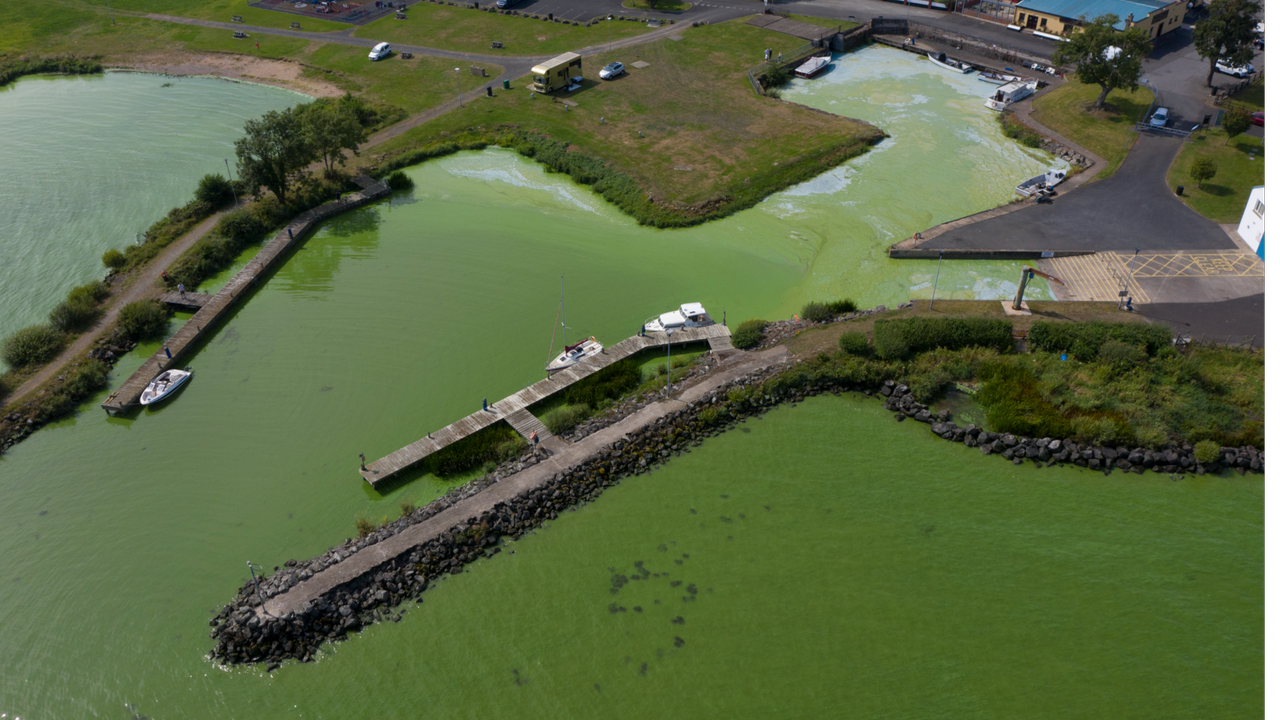
    The UK’s largest freshwater lake, Lough Neagh (pictured above) in Northern Ireland, has also been “choking on recurring toxic algal blooms” for years, said The Guardian. The algae feed on high levels of nutrients in the water, mainly from agricultural run-off, fertiliser and livestock waste, as well as “inadequate wastewater treatment”. Global warming has also increased the temperature of the lough, encouraging the abundant blooms.

    In some places, the green sludge is “so widespread it is visible from space”, said The Guardian. The blooms “coat the surface, kill wildlife, unleash stenches and make the lake all but unusable”, and the impact on wildlife and tourism is “incalculable”.


    Good day 💉

    … for the HPV vaccine, with no deaths from cervical cancer recorded among women aged 20 to 24 in England in the five years from 2020, according to new research – a historic first. The study, published in The Lancet, estimates that around 200 lives have been saved so far thanks to the jab, which has been offered to secondary school-age girls since 2008.


    Bad day 🌳

    … for local legends, with the death of an oak tree said to have been used as a hiding place by Robin Hood. The Royal Society for the Protection of Birds has confirmed that the 1,000-year-old Major Oak, a popular attraction for visitors to Sherwood Forest, has not sprouted fresh leaves this year.


    PICTURE OF THE DAY

    Burning up

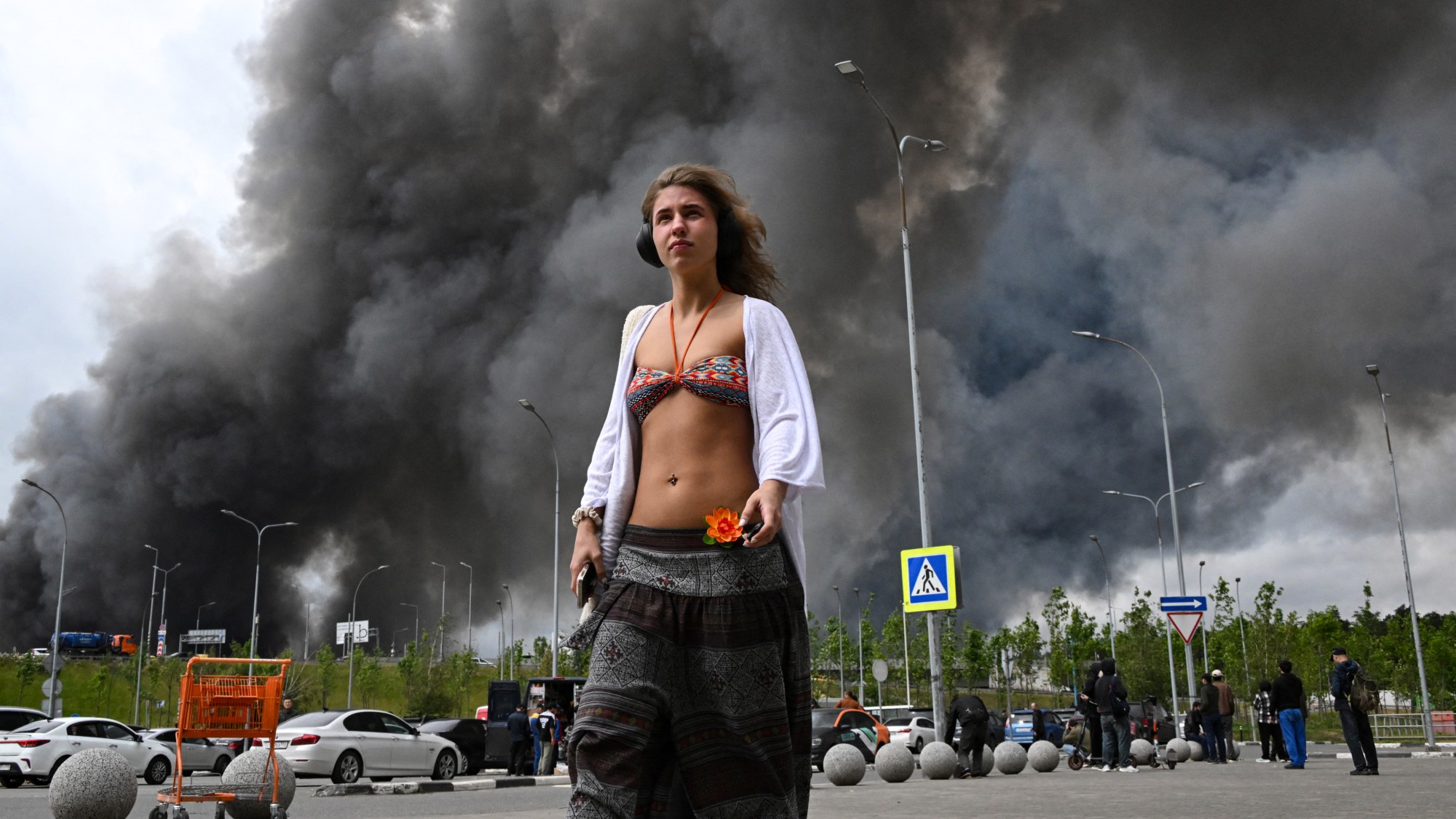
    A woman walks away from clouds of smoke billowing from an oil refinery in southeastern Moscow. The state-owned Gazprom Neft plant was hit by several Ukrainian drones during a “large-scale” attack on the city early this morning, Mayor Sergei Sobyanin said.

    AFP / Getty Images


    Puzzles

    Chain Word

    Try The Week’s new daily word challenge in our puzzles and quizzes section

    Play here


    THE WEEK RECOMMENDS

    ‘Divine bloodbath’: Anish Kapoor at the Hayward

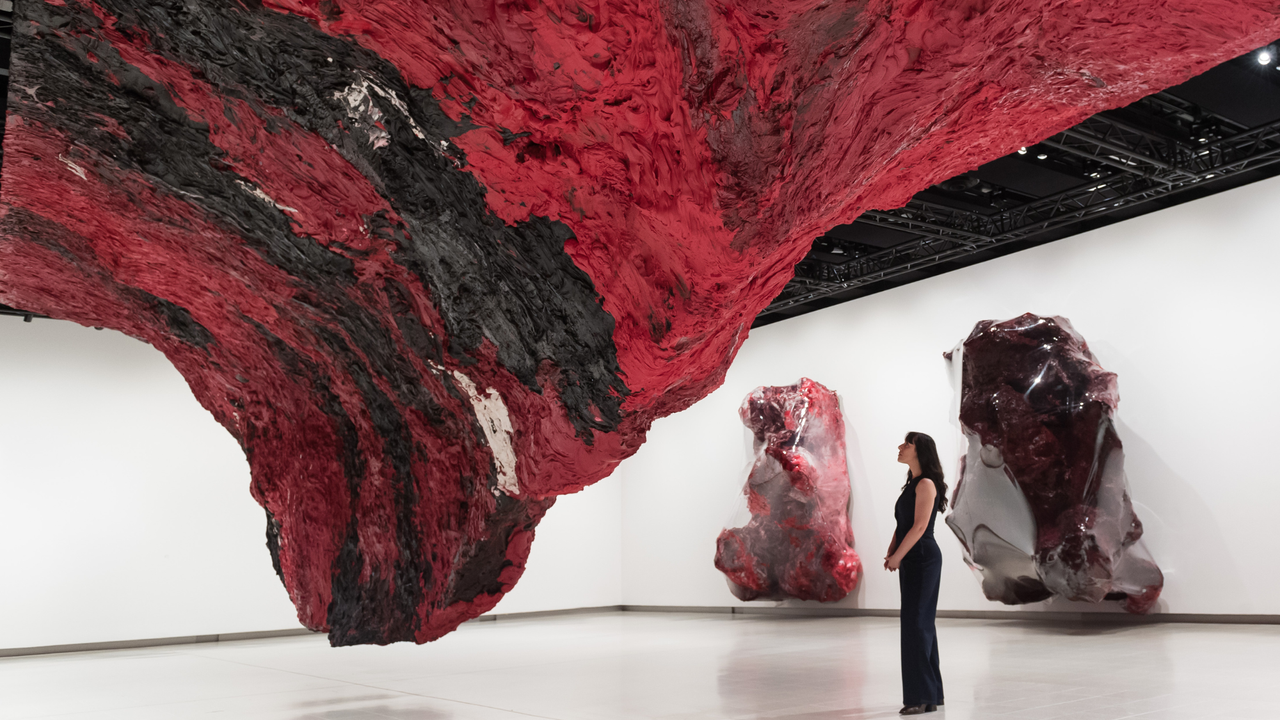
    Anish Kapoor’s latest exhibition is filled with so many “tricks and surprises you’re likely to drop your phone mid-text into a black hole”, said Jonathan Jones in The Guardian. His “mind-warping” piece “Mount Moriah at the Gate of the Ghetto” (2022) is one of the standouts on display at London’s Hayward Gallery– a mountain hanging upside down from the ceiling, painted in “thick slathers of red and black” and dripping “fire or lava that metamorphoses into wet, fresh blood”. It’s a “metaphysical rollercoaster ride of a show, a divine bloodbath”.

    With his “brilliantly gross” sculptures of “gory, vile piles of wet guts”, Kapoor’s message is clear, said Eddy Frankel in The Times. “It doesn’t matter how special you think you are, at the end of the day we’re all just meat.” His paintings using Vantablack – the most light-absorbent pigment on Earth – are not as successful, however. What are meant to be deep, searching abysses are just “black squares and circles”. But at its best, Kapoor’s art is “universal, enormous, overwhelming and very, very human”.

    The newest installation, “Ha Makom”, finished earlier this year, could be a “film set, a spaceport, or a remote ancient temple”, said Alastair Sooke in The Telegraph. Inspired by Uluru, the “sacred sandstone monolith” in Australia, it combines the “pristine” precision of Kapoor’s work with “intense” colour.

    It can be “tempting to be snarky” about some of his work, but this “beautifully presented” show is “zinging”. If there had been any doubt, “Kapoor silences those who characterise his ambitious aesthetic quest, striving for metaphysical effects, as out of step with our ironic and cynical times”.


    Statistic of the day

    4,389: The number of shoplifting offences carried out by just 104 prolific thieves over two years in London, according to latest Metropolitan Police data. Only 6.8% of the capital’s total 101,924 shoplifting cases in the year ending May 2025 had a “positive outcome”, such as a charge, caution or community resolution.


    instant opinion

    Today’s best commentary

    As haters and critics circle, will anyone speak up for the BBC? Yes, a huge, loyal army of ordinary Britons
    Lindsay Mackie in The Guardian
    It’s BBC “charter decision year” and the “pundits and media analysts” would have you believe “it’s not looking good for Auntie”, writes public-service broadcasting campaigner Lindsay Mackie. But 88% of Radio Times readers asked for their views say “they still trust the BBC”, that its “licence fee is fair” and that while editorial slips are disappointing, they admire its “openly accountable system”. This “great if critical love” for the BBC from so many people “without a political agenda” should “not be ignored”.

    Britain is getting dirtier. Even the Wombles can’t fix that
    Jemima Lewis in The Telegraph
    An avalanche of litter is making our streets “squalid”, writes Jemima Lewis. “But never fear: the Wombles will soon be here.” Apparently, bringing these “famous litter-pickers” back to our screens “will educate as well as entertain”; “never again” will the “youth of today” drop “their greasy chicken boxes at the bus stop”. How tragically optimistic. I suspect littering is “an underestimated factor” in plummeting “national morale”; a “physical impression” of our “dysfunction”. And it’ll take “more than Wombles to clean that up”.

    Andrex’s ad to end stigma in women simply leaves a bad smell
    Janice Turner in The Times
    “You really have to scratch around to find a fully intact taboo” these days, writes Janice Turner. In its new cinema ad, Andrex claims to “dismantle stigma” about pooing during labour; “really it’s propagating” anxiety to sell loo roll. “Today’s young women, the generation least likely to have babies”, now have the “as-yet-unconsidered horror of crapping in front of their partner” to add to their “reasons not to breed”. Andrex is preying on “fears while posing as ‘brave’. Bring back the cute puppies.”


    word of the day

    Petalum

    Derived from the Ancient Greek pétalon (“leaf” or “thin plate”) and later evolving into “petal”, petalum was coined by English botanist John Ray in his 1686 compendium “Historia Plantarum” to describe the colourful leaves of a flower. Gardeners at Trinity College, Cambridge, have recently recreated the botanical garden that Ray planted there as a tutor in the 1650s.


    Evening Review was written and edited by Rebecca Messina, Jamie Timson, Elliott Goat, Harriet Marsden, Will Barker, Chas Newkey-Burden, Irenie Forshaw, Helen Brown, David Edwards, Adrienne Wyper and Kari Wilkin, with illustrations from Stephen P. Kelly.

    Image credits, from top: illustration by Stephen P. Kelly / Shutterstock / Getty Images; Dan Kitwood / Getty Images; Charles McQuillan / Getty Images; AFP / Getty Images; Wiktor Szymanowicz / NurPhoto / Shutterstock

    Morning Report and Evening Review were named Newsletter of the Year at the Publisher Newsletter Awards 2025
     

    Recent editions

    • Evening Review

      Will the economy rebound postwar?

    • Morning Report

      Georgia GOP deals Trump a win, loss

    • Evening Review

      Are iPhones to blame for the baby decline?

    VIEW ALL
    TheWeek
    • About Us
    • Contact Future's experts
    • Terms and Conditions
    • Privacy Policy
    • Cookie Policy
    • Advertise With Us
    • FAQ
    Add as a preferred source on Google Add as a preferred source on Google

    The Week is part of Future US Inc, an international media group and leading digital publisher. Visit our corporate site.

    © Future US, Inc. Full 7th Floor, 130 West 42nd Street, New York, NY 10036.