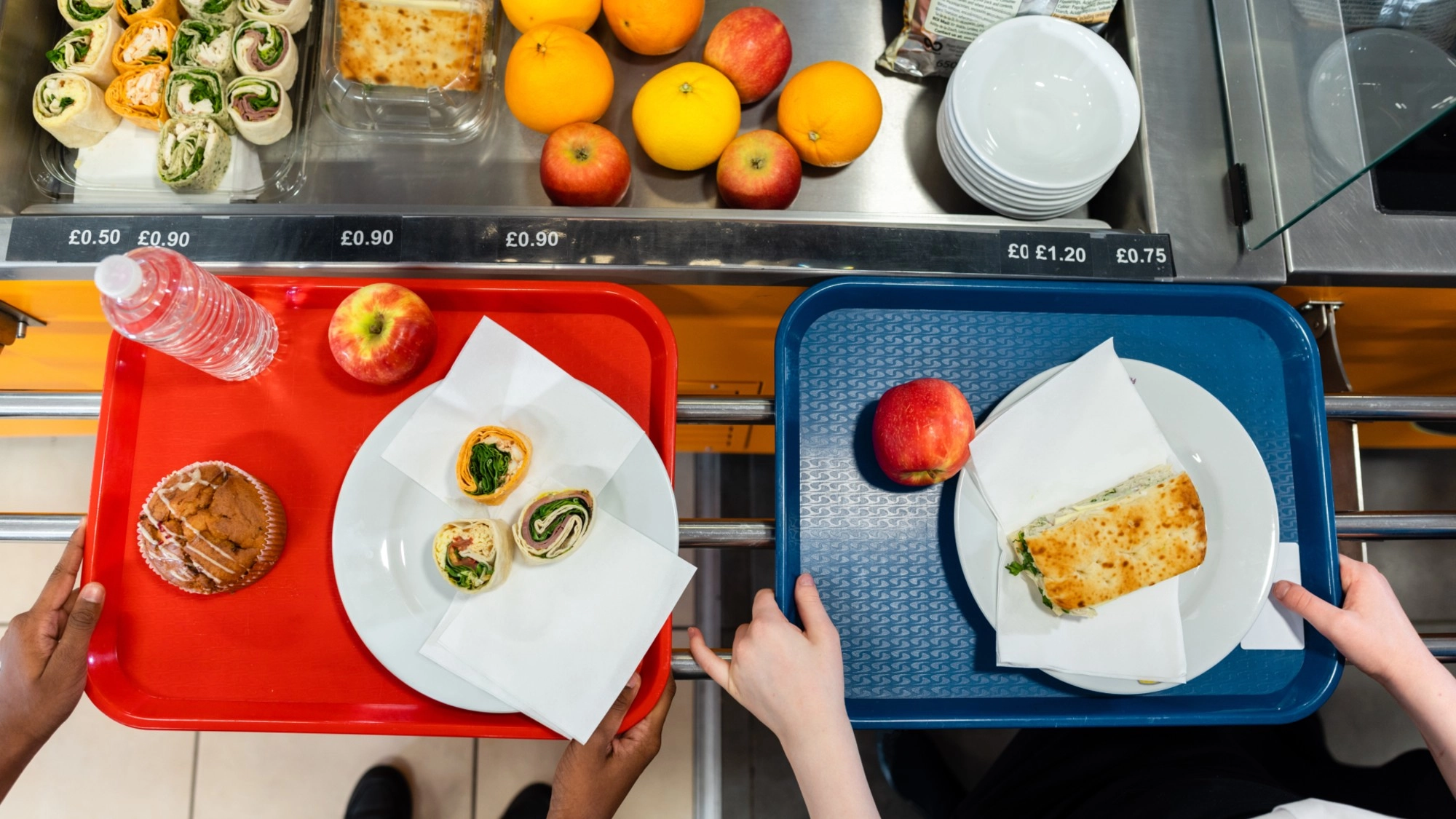
Three-quarters of secondary schools in England are breaking the rules on meals offered to pupils by serving junk food too often, according to a new report from a youth activist charity. Bite Back, set up by chef Jamie Oliver, said its analysis had discovered “alarming” and “shocking” breaches of school food standards at nearly 400 state secondary schools. The system is “fundamentally failing our children”, said the charity’s chief executive, D’Arcy Williams.
What rules are being broken?
Researchers found that three out of four of the 391 schools investigated were breaching the guidelines in at least one respect. Around half (53%) were selling products with banned levels of fat, sugar or salt, including crisps, biscuits and pastries. Under current rules, schools are only allowed to sell fruit, vegetables, nuts and seeds as snacks.
More than half (57%) were also offering processed meats, such as burgers and nuggets, more regularly than the permitted twice a week. Fried potato products, such as hash browns, were appearing on school menus more frequently than the same recommended limit in 144 schools (37%). At 123 schools (31%), chocolate was included in desserts or baked items, in breach of the rules. But only three schools (1%) were selling banned sugary drinks.
Why are these breaches a problem?
The majority of teachers believe that what children eat at school has a direct impact on behaviour and concentration, according to The Food Foundation. In a recent survey of more than 6,000 primary and secondary school teachers across England, 80% said unhealthy lunch or snack food can lead to disruptive behaviour, and 85% believe diet affects classroom concentration.
What is the new overhaul?
Along with expanding the provision of free school meals to all pupils from households receiving universal credit, the government will further tighten healthy eating guidelines. From this month, deep-fried food, such as nuggets and chips, will be banned entirely, while high-sugar desserts will be restricted to once a week. Fruit-based options will largely replace puddings.
The “ambitious overhaul” will ensure children have “access to healthy, balanced meals” and are “protected from the harms of eating too much ultra-processed food”, said a Department for Education spokesperson. Every school will also be required to “publish their food policy and menus online to improve transparency for parents”. |