A menu promising a “glistening digital cheesesteak or an eerily geometrical” turkey sandwich “evokes little more than horror in those who behold it,” said The New Yorker. Yet restaurants are increasingly relying on generative AI to create their promotional materials.
‘Surrealist goo’
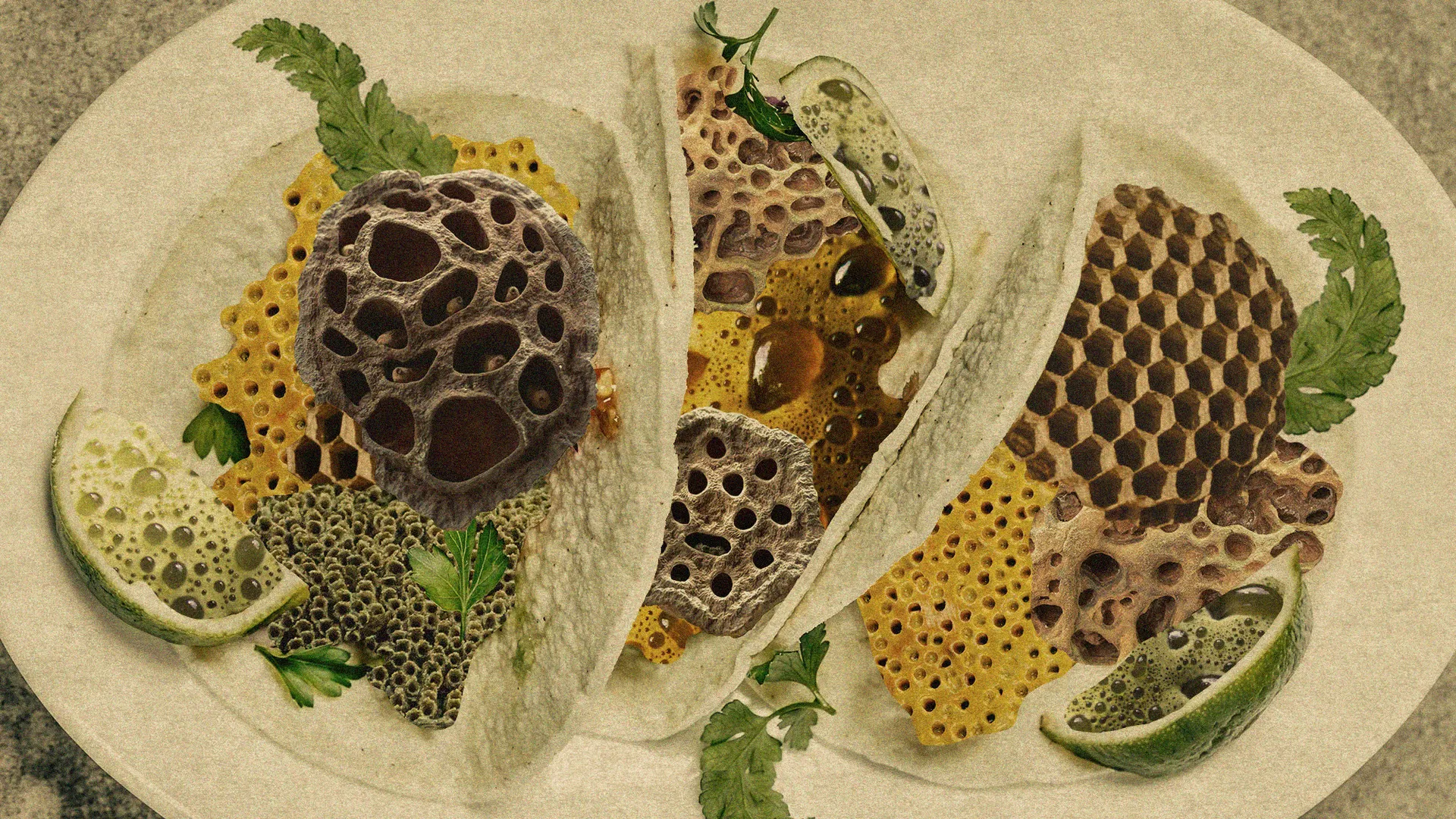
Images of food were once a “thing to be drooled over,” highlighting the “sensual, the luscious, the beautiful,” said The New Yorker. But now a “nauseating, nightmarish quality defines AI’s insectified interpretation of human cuisine, as if food were just another surrealist goo to stochastically iterate upon.” These fake images “mock life itself.”
Such menus may also make a mockery of customers. “It’s like you don’t even know what you are going to get” when the actual food arrives, said Adaeze Onejeme, a Los Angeles ad sales worker, to CNN. So is it “false advertising”?
Despite such concerns, the “phenomenon” is spreading worldwide, said CNN. In Tokyo, adverts show sandwiches that appear to be “made of cobwebs.” In Kuala Lumpur, a bowl of spaghetti marinara “looks like perfectly arranged yarn or strings of Play-Doh,” while images in Berlin include a “plastic-looking quiche with holes.”
‘Something wrong’
These menu images can “signify qualities people generally don’t want to associate with food,” such as “low quality, laziness or, well, slop,” said CNN. Some of them are “alienlike catastrophes.”
AI images may be cheaper and easier to create, but there’s an “innateness” to how real food looks that “you can feel in your bones,” said professional food photographer Emily Hawkes to USA Today. With AI images, there’s “something wrong, and you might not be able to put your finger on it, but you know it when you see it.”
We can’t look away from these pictures. Our brains get stuck between “approach and avoidance” as it tries to make sense of something that looks almost real but clearly isn’t, said psychologist Stephanie Sarkis to USA Today. |