The Week US
flag of US
US
flag of UK
UK
https://cdn.mos.cms.futurecdn.net/flexiimages/jacafc5zvs1692883516.jpg

SUBSCRIBE & SAVE

Less than $3 per week

Sign in
  • View Profile
  • Sign out
  • The Explainer
  • The Week Recommends
  • Newsletters
  • Cartoons
  • From the Magazine
  • The Week Junior
  • More
    • Politics
    • World News
    • Business
    • Health
    • Science
    • Food & Drink
    • Travel
    • Culture
    • History
    • Personal Finance
    • Puzzles
    • Photos
    • The Blend
    • All Categories
  • Newsletter sign up Newsletter
  • The Week Evening Review
    Trump-Xi-Putin summit, options for asylum seekers, and the M&S ‘scramble’

     
    TODAY’S BIG QUESTION

    Trump-Xi-Putin summit: the start of a new world order?

    Donald Trump, Xi Jinping and Vladimir Putin will gather in China this week for their first trilateral meeting. The prospects of a backroom deal emerging from their encounter on the sidelines of the Asia-Pacific Economic Cooperation summit in Shenzhen are “slim”, said Reuters. But even the remote possibility of the “big three” cutting a “private deal” will cause “deep unease” for other geopolitical players.

    What did the commentators say?
    Some are calling this meeting “Yalta 2.0”, said the Financial Times, referring to the 1945 meeting between Franklin D. Roosevelt, Winston Churchill and Joseph Stalin that “decided the post-Second World War international order”. That comparison will probably prove overblown, but “the powerful imagery of Trump meeting authoritarian Xi and revanchist Putin will reverberate throughout the world”.

    For Russia, the meeting represents a “spectacular reversal of fortune”, said foreign policy specialists David Blair and Roland Oliphant in The Telegraph. For Kremlin propagandists, “it’s proof” that Russia has not only “escaped isolation” on the world stage but also “secured a place at the pinnacle of global power”. Unlike Washington and Beijing, Moscow will be looking beyond the optics for “real outcomes” – particularly on Ukraine.

    Facing “lame-duck status” at home, Trump will be “eager to flex power”, seeking support for trade agreements, the Iran war and denuclearisation, said Bloomberg. But any deepening of ties with Xi and Putin will “set off alarm bells in Kyiv”.

    Despite being the only country of the three not facing the pressure of war, China may be “uneasy” about hosting this trilateral on its home turf, said the Lowy Institute international policy think tank. The talks could “backfire”, tarnishing China’s efforts to be perceived as a force of “peace and stability”.

    What next?
    The Shenzhen meeting should “not be interpreted as evidence that the three countries are approaching a common strategic position”, said Modern Diplomacy. They still have “substantial” disagreements and “competing interests”. But it is an “unusual diplomatic opportunity” that could open up direct communication channels and “help manage differences and reduce tensions”. For other world leaders, the significance of this summit will depend on whether it “moves beyond diplomatic statements”.


    THE EXPLAINER

    The options for asylum seeker accommodation

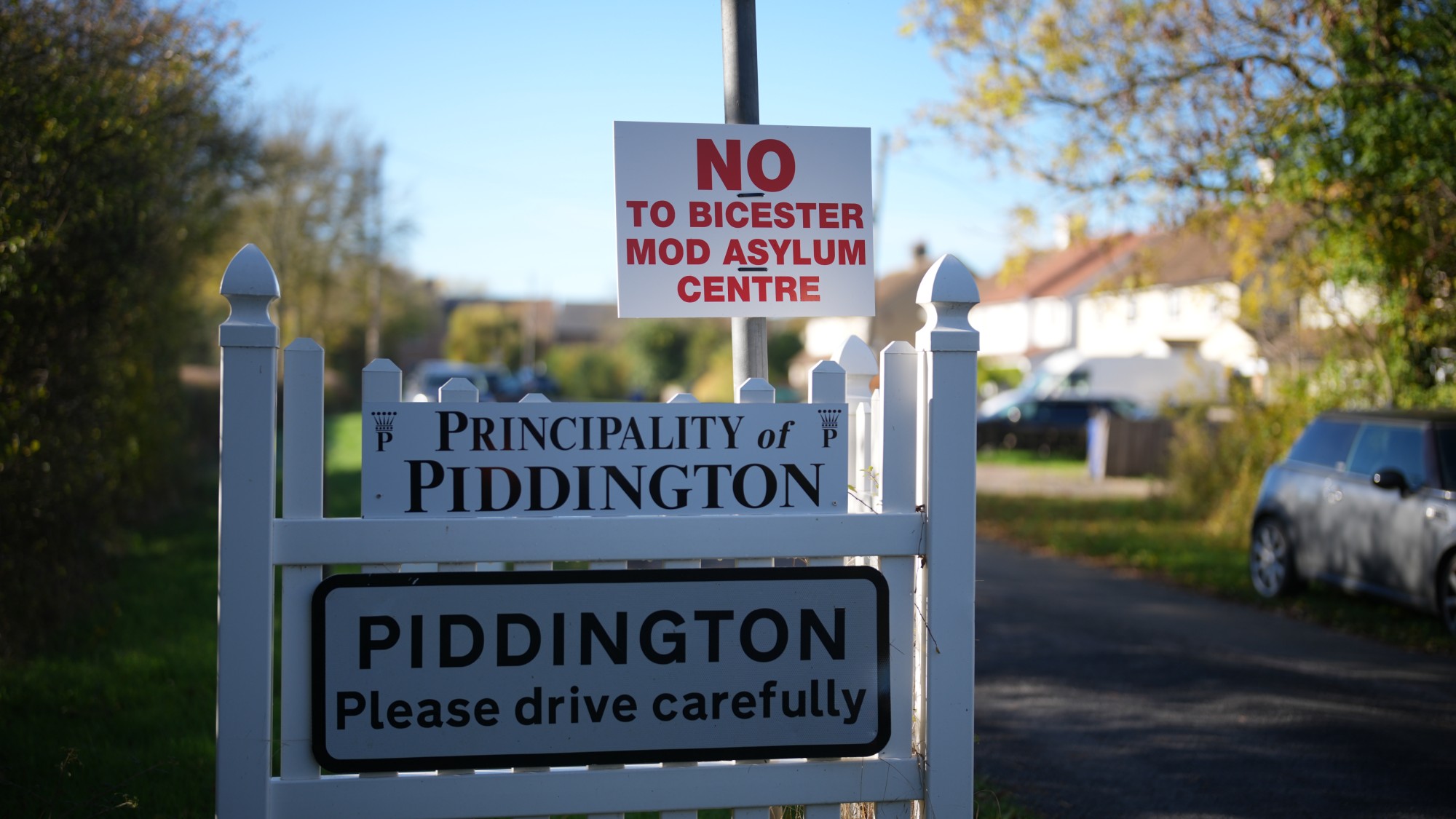
    A decision to house more than 1,200 asylum seekers at a former military barracks in Oxfordshire is likely to face a legal challenge after planning permission was fast-tracked by Housing Secretary Angela Rayner. The nearby village of Piddington voted to leave the UK in a symbolic referendum in September, in protest at the plans. And its parish council chair, Tim McNally, said last week that ministers should “absolutely” be ready for a court battle.

    Where to house asylum seekers and those who have arrived illegally in the UK while their applications are being processed remains one of the most contentious issues in British politics.

    How many asylum seekers are in hotels?
    The number of asylum seekers housed in hotels, which were meant to be used as a temporary measure, rocketed after 2020, amid a dramatic increase in small boats crossing the Channel. These hotels often act as a lightning rod for anti-migrant protests. They are also disproportionately expensive, costing around six times more, on average, than other types of accommodation, according to The Migration Observatory.

    Between 31 March 2023 and 31 March 2026, the proportion of asylum seekers housed in hotels halved, from 42% to 21%. The government has pledged to end the practice entirely by 2029.

    What are the other options?
    Asylum seekers have also been placed in ordinary flats or houses in multiple occupation, including properties rented from private landlords or from social housing providers. But this puts “added pressure on already high rents in the private sector”, said Sky News, and leads to “angry accusations that migrants are being given homes ahead of UK citizens”.

    Another option is to repurpose former military barracks. As of the first quarter of this year, 989 asylum seekers were housed in what the Home Office calls “large sites” such as ex-military facilities and waterborne vessels, said The Migration Observatory. Yet barracks are not necessarily a cheaper option than hotels, because of the cost of converting them for their new use.

    They have also proven controversial, as in the Piddington case. Similar previous attempts have largely failed because “accommodating large numbers of people near small communities is difficult to manage”, said a 2025 report by the National Audit Office.


    QUOTE OF THE DAY

    “It’s like the emperor’s new clothes, where no one is prepared to say the obvious truth.”

    Andy Burnham calls for a reality check on how much Brexit has cost the UK, in a speech to be delivered at the Lord Mayor’s Banquet tonight. “I say it as I see it,” the PM will say, “and, to be frank, the emperor has nothing on.”  


    Poll watch

    More than half (52%) of US Republicans want their party’s next presidential nominee to take a different approach to governing than Donald Trump, rising to 71% among non-Maga Republicans. But of those who do identify as Maga supporters, only 37% want a new style of leader, according to the Reuters/Ipsos poll of 1,705 Americans, including 689 Republicans.


    IN THE SPOTLIGHT

    Cookie monsters: M&S has Britain hooked on treats

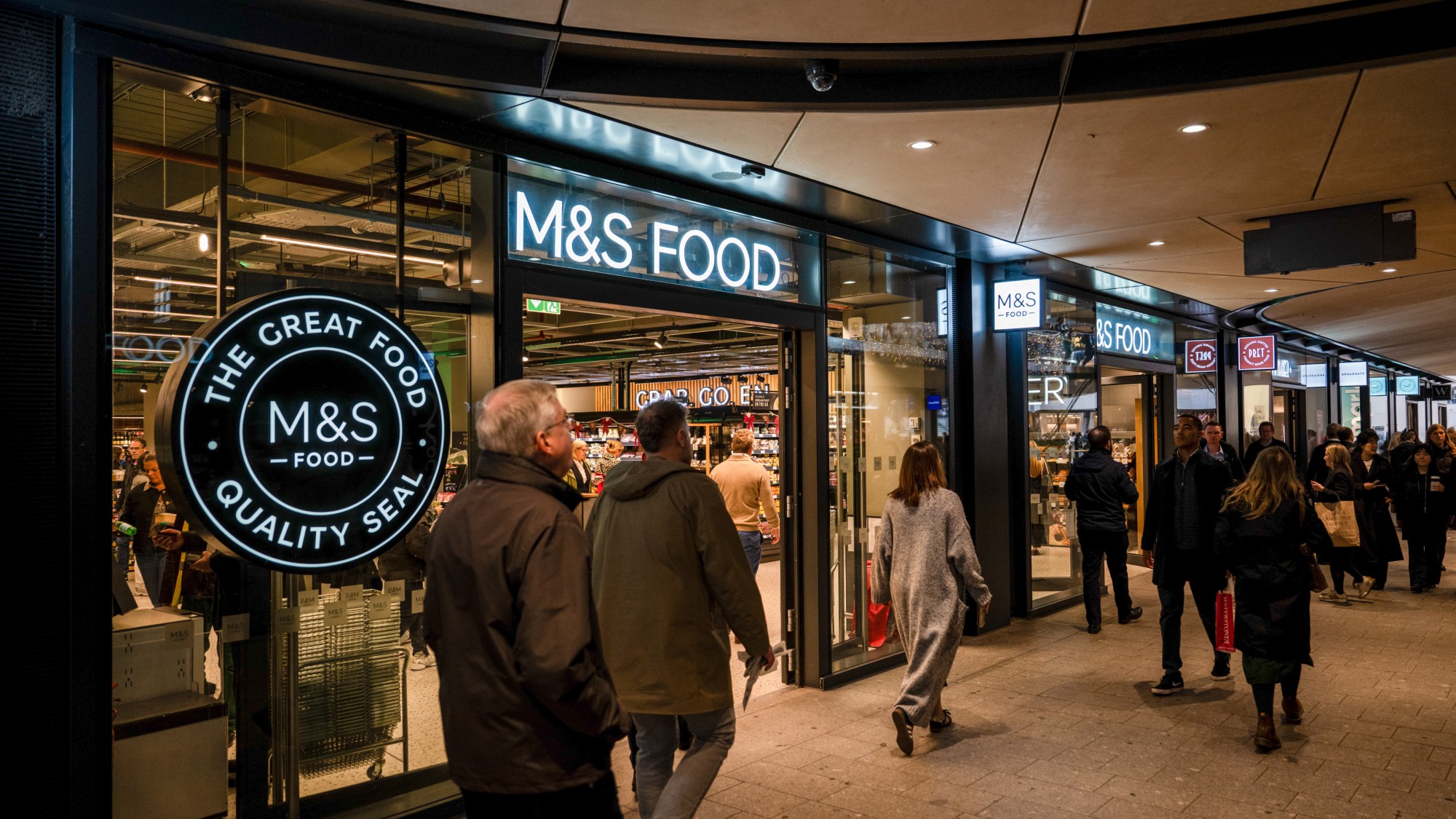
    Britain has a new object of desire, and it comes in packs of five. The arrival of new Marks & Spencer cookies has “triggered chaotic scenes” in the bakery aisles, said The Telegraph. Shoppers have “scrambled to get their hands on new batches” as the “viral reputation” of the cookies spread. The social media buzz represents a remarkable success for a retailer once viewed as “irredeemably fuddy-duddy and middle-aged”.

    ‘Playful, indulgent side’
    Buying the sought-after range – including the recently added chocolate and cornflake cookies, costing £3.25 for five – has evolved into a competitive sport. Shoppers report “fighting” over them, said Metro, and clips on social media show customers “rushing to snatch packets as staff load them onto shelves”.

    And the cookie craze is not just a “one-off”, said The Business Desk. From the “Chicken Caesar dip to its bueno iced lattes”, M&S food lines have exploded in popularity on social media, as the brand leans into a “more playful, indulgent side”.

    This online success has been attributed to the company’s food development director-turned-“social media star” Kathryn Turner, said The Times. Her insider clips showcasing new and upcoming items have earned millions of likes and a fanbase who joke about being ready to “take a bullet” for her.

    ‘Completely obsessed’
    The “scramble” for M&S products could hardly arrive at a better time, said The Business Desk. The retailer has “bounced back” following last year’s cyberattack that “knocked the business sideways”, costing it more than £300 million. Food “has done the heavy lifting” in the recovery, with sales rising by 13.9% to £5.16 billion in the first half of the year.

    Viral crazes give consumers the “thrill of the hunt”, as many of the most-hyped products “sell out as soon as they drop”, said Kia-Elise Green in The i Paper. The shop’s “reputation for quality was already there”, and now social media has “drawn a new age group in”, creating a loyal band of followers who are “completely obsessed”. 


    Good day 📺

    … for terrestrial TV, which may be facing a reprieve amid warnings that pulling the plug could lead to communications blackouts in major emergencies. The government is proposing to phase out TV signals from the mid-2030s, as households move to broadband, but the Lords National Resilience Committee argues that the move risks “weakening national resilience by reducing universal access to communication”. 


    Bad day 🎭

    … for Shakespeare’s birthplace, as newly announced plans to move the Shakespeare Institute from Stratford-upon-Avon to Birmingham trigger an outcry among academics. The institute’s director, Professor Michael Dobson, said he would be “resigning rather than aiding and abetting” the University of Birmingham’s decision to relocate the postgraduate research centre to its Edgbaston campus next year. 


    PICTURE OF THE DAY

    Winning approval

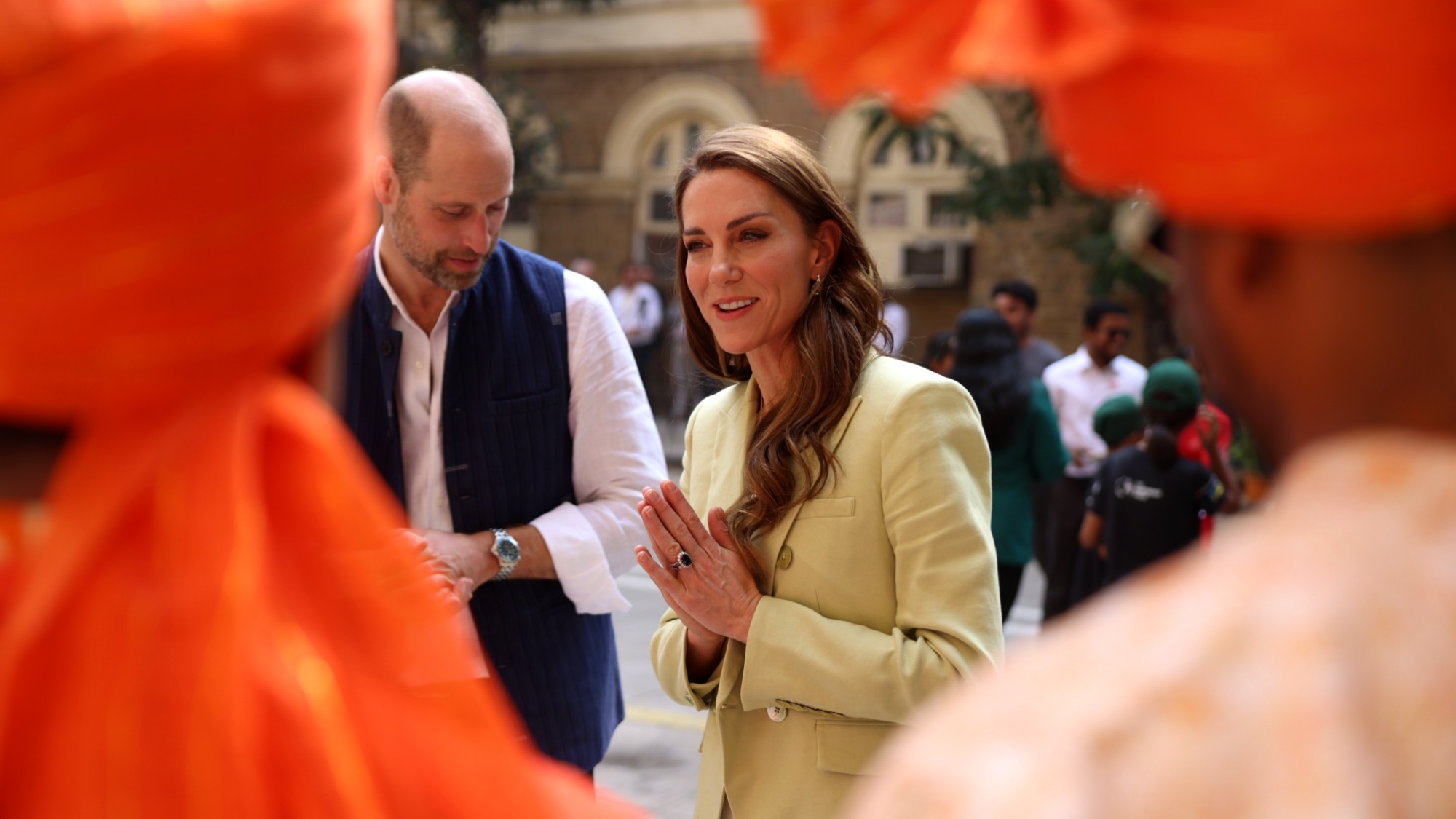
    The Prince and Princess of Wales meet locals in Mumbai after arriving for tomorrow’s Earthshot Prize awards, where five winners will each get £1 million to develop climate solutions. The couple will also meet India’s Prime Minister Narendra Modi during their three-day visit.

    Ian Vogler / Pool / Getty Images


    Puzzles

    Chain Word

    Try The Week’s daily word challenge in our puzzles and quizzes section, which also includes sudoku and Guess the Number

    Play here


    THE WEEK RECOMMENDS

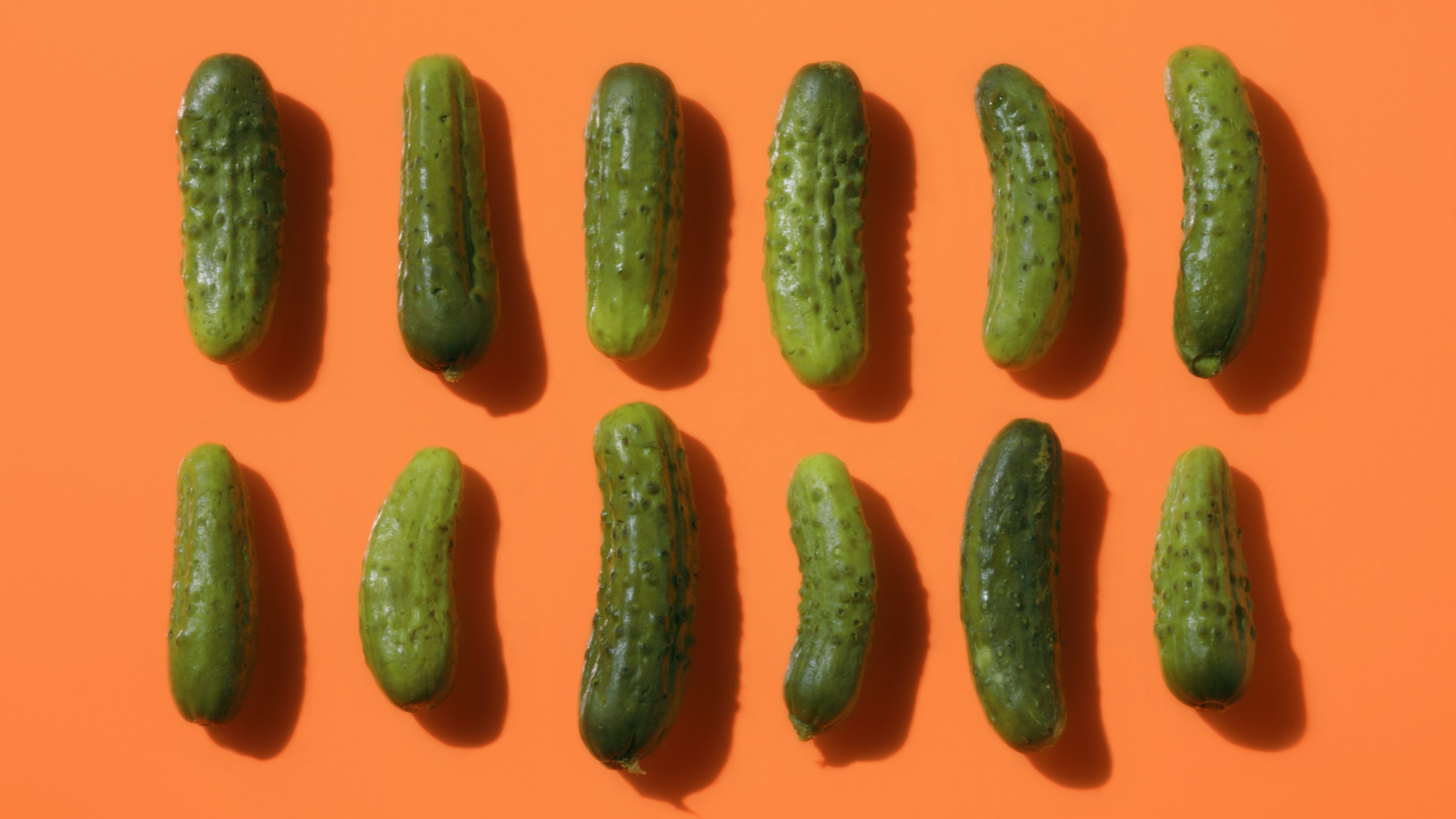
    Gherkins are back with a briny splash

    Pickled cucumbers “stole the limelight” at last month’s Budget, said The Guardian, after John Healey announced the suspension of tariffs on more than 100 products – including the humble gherkin.

    “Few of the chancellor’s fiscal measures can have been as universally popular,” said The Telegraph. From the “sea slug-sized wally lurking in a glass jar on the counters of proper chippies to the elegant cornichon” on your charcuterie plate, gherkins can “transform the most ordinary of meals with their idiosyncratic zest”.

    Preserving vegetables in pickling brine is a practice that dates back to ancient Mesopotamia. Gherkins “fell out of fashion” with chefs in the last century, but recent “anecdotal narratives” about their nutritional benefits have turned them into “social media stars”.

    Cucumbers can either be pickled in vinegar or naturally fermented in brine. The former method gives gherkins a sharper taste and a longer shelf life, while the latter produces gherkins with a more savoury sourness. The fermented versions are easy to spot because they have to be stored in the chilled aisle at the supermarket.

    Beyond eating them straight from the jar, said The Guardian, there are “plenty of ways to get more bang for your newly discounted gherkin buck”, including using the juice in pickletinis. A good “gateway dish” for the gherkin newbie is the “frickle, aka a fried pickle”. Pat your gherkins dry, then dredge them with batter and deep-fry. Pair them with a creamy sauce such as Nigel Slater’s classic tartare, which has chopped gherkins in it, too.


    Statistic of the day

    217: The number of days that HMS Vengeance, a Royal Navy submarine carrying Trident nuclear missiles, spent on patrol. The 140-strong crew returned to their Scottish base in Clyde yesterday after their record-breaking seven-month stint under the waves.


    instant opinion

    Today’s best commentary

    Sex, sex, sex: can we have some other news please?
    Emma Duncan in The Times
    “Ever since the MeToo movement” brought us lurid tales of “powerful fat men in Hollywood pawing starlets”, writes Emma Duncan, “sex has dominated the news agenda”. We’re “shocked” by the stories about Jeffrey Epstein, Andrew Mountbatten-Windsor and Russell Brand, of course, but I think there’s also an element of “prurience”: “people like reading about sex and these scandals allow them to do so in a self-righteous way”. If only we paid as much attention to “war, the bond market and AI”.

    Why I think Kemi Badenoch is winning
    Zoe Strimpel in The Telegraph
    Kemi Badenoch “speaks like a head girl: clearly, cleverly, and confidently”, writes Zoe Strimpel. She’s “dragging the Tories out of the weeds” at a time when “many of us” are fed up with Labour’s “equivocations and mealy-mouthed DEI rubbish”, and “scared” by the “mendacious and amoral” leaders further to the left and on the “fringe parts” of the right. Badenoch’s “sane views” and “straight talking” feel “like the life raft that will restore” the “dangerously weakened” centre ground.

    Prep for disaster, ministers said – and millions stocked up. It’s the UK government that’s not ready
    Jean Coussins in The Guardian
    The government told us all to stock up and “Be Ready” yet lacks its own “coherent resilience” strategy, writes Jean Coussins, chair of the House of Lords’ National Resilience Committee. Denmark and Sweden have “dedicated ministers” for this; so should we. As it stands, “we are awash with action plans, strategies and frameworks”, but they “don’t relate to each other or adequately account for simultaneous crises”. We need systems “built and tested far ahead of a crisis, not cobbled together in recovery mode”.


    word of the day

    Seeding

    Adding rock salt to a seawater solution to reduce the time and heat needed to crystallise the sea salt. Maldon Salt, which claims its product is “100% sea salt flakes” from Essex, has come under fire for using German salt in the seeding process. Watchdogs have ruled that no food regulations have been breached, but the Countryside Alliance is calling for clearer labelling rules. 


    Evening Review was written and edited by Hollie Clemence, Rebecca Messina, Will Barker, Rebekah Evans, Chas Newkey-Burden, Irenie Forshaw, Helen Brown, David Edwards and Kari Wilkin, with illustrations from Stephen P. Kelly.
    Image credits, from top: illustration by Stephen P. Kelly / Getty Images; Christopher Furlong / Getty Images; Chris J. Ratcliffe / Bloomberg / Getty Images; Ian Vogler / Pool / Getty Images, Paul Taylor / Getty Images
     

    Recent editions

    • Sunday Shortlist

      Sex, drugs, and parenthood

    • Saturday Wrap

      What Democrats should do next

    • Evening Review

      Trump threatens to investigate his investigators

    VIEW ALL
    TheWeek
    • About Us
    • Contact Future's experts
    • Terms and Conditions
    • Privacy Policy
    • Cookie Policy
    • Advertise With Us
    • FAQ
    Add as a preferred source on Google Add as a preferred source on Google

    The Week US is part of Future US Inc, an international media group and leading digital publisher. Visit our corporate site.

    © Future US, Inc. Full 7th Floor, 130 West 42nd Street, New York, NY 10036.