Pie and mash shops have been “pushed to the brink of extinction” in recent years as gentrification sent Londoners out of the East End – taking the traditional Cockney cuisine with them.
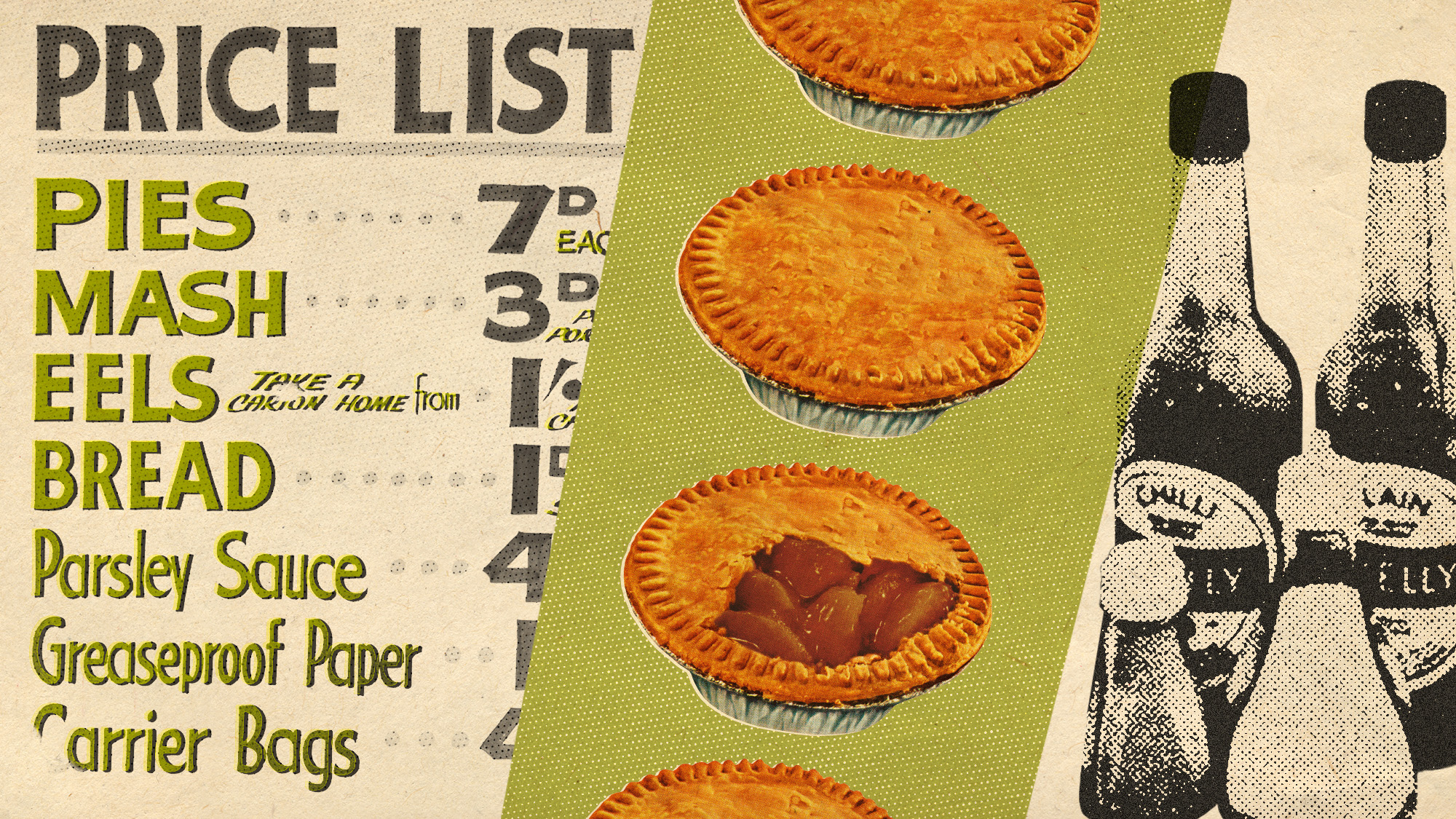
“Pie and mash is an integral part of Cockney culture,” said Demi Perera in The New York Times. The first dedicated shop opened in the mid-19th century as shipping docks were developed and expanded in east London, and workers needed “quick, cheap, warm meals”. To begin with the pies were stuffed with eels (which were easy to source from the River Thames), but mincemeat fillings soon grew in popularity, relegating jellied eels to a side dish.
But London’s pie and mash shops have been “dwindling” in recent years, according to The Economist. There are now fewer than 40 in the capital – down from almost 300 in the mid 1800s. Soaring rents and property prices have “pushed” many of the locals who once lived in neighbourhoods like Shoreditch and Hackney out to nearby counties such as Essex and Kent.
However, there are encouraging signs that pie and mash is “making a surprise comeback”, said Jonathan Thompson in The Washington Post. A younger generation is unearthing the “delights of minced beef pies and mashed potato, served with lashings of a Kermit-green parsley sauce”.
And the pie and mash scene is also “alive” and thriving in Essex, said Tomé Morrissy-Swan in The Guardian. New shops are cropping up everywhere from Basildon to Chelmsford, and “diners of all ages are tucking into pies”. It seems that “London’s original fast food is finding a new homeland”. |