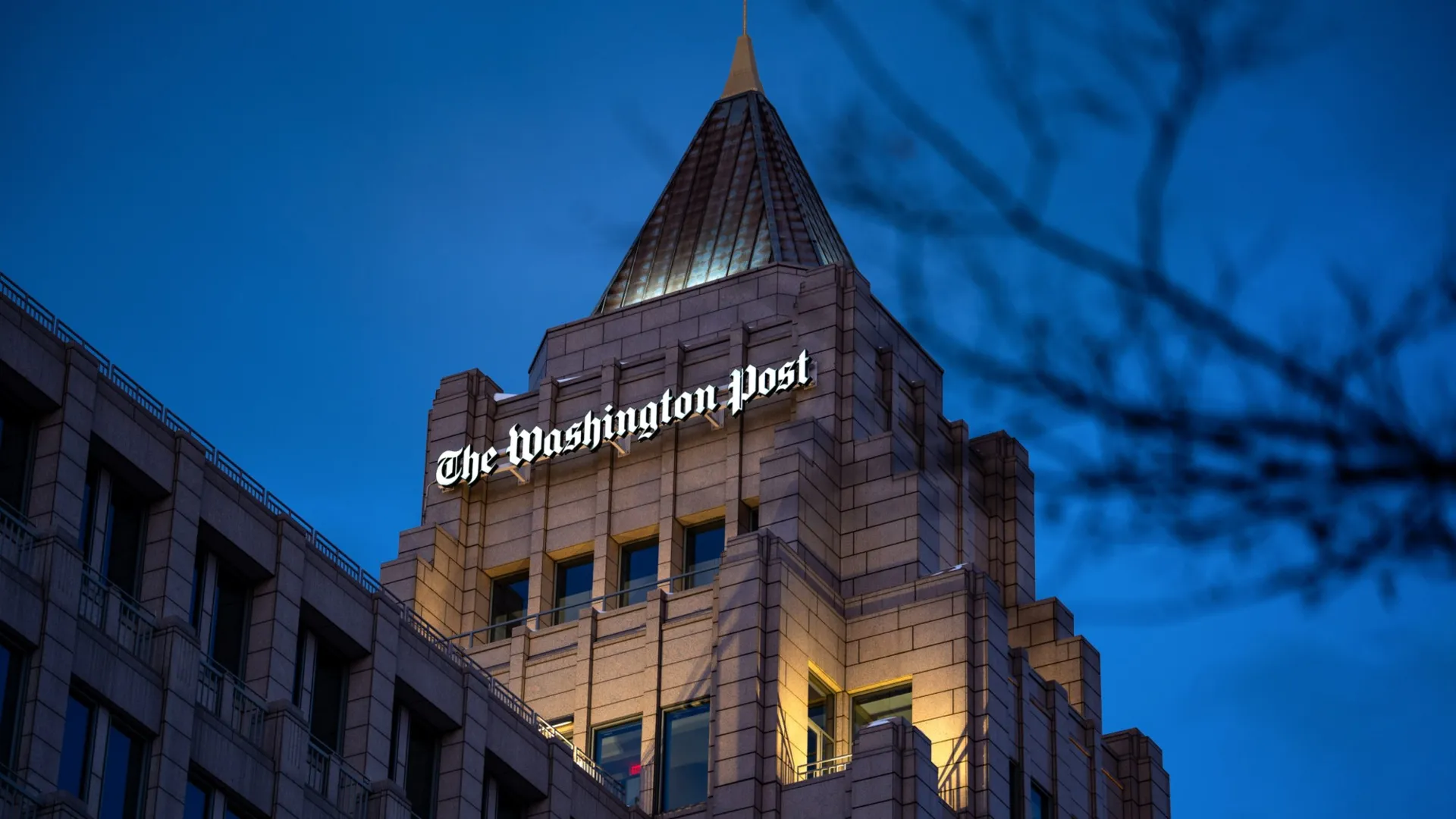
Many in the media industry feared layoffs when reports emerged that The Washington Post would restructure its newsroom. After several hundred journalists lost their jobs at the newspaper and entire news desks were shuttered yesterday, the reality was more sweeping than anticipated, drawing widespread scrutiny.
‘Scaling back’ coverage
The Post has laid off about 30% of all its employees, including “people on the business side and more than 300 of the roughly 800 journalists in the newsroom,” said The New York Times. The company had “lost too much money for too long and had not been meeting readers’ needs,” said Executive Editor Matt Murray during a call with newsroom employees.
The historic publication is “scaling back foreign coverage and shutting down some sections of the paper,” said CBS News. Most notable was the Post’s highly regarded sports desk, which will be axed entirely, though it will keep “some sports reporters who will write feature stories,” said NPR. The paper’s “metro section will shrink, and the books section will close, as will the ‘Post Reports’ daily news podcast,” said the Times.
The restructuring will “place The Washington Post on a stronger footing,” said Murray in a letter to the newsroom obtained by CBS. It will position the paper for a “rapidly changing era of new technologies and evolving user habits.”
‘Among the darkest days’
Owner Jeff Bezos and publisher Will Lewis are “embarking on the latest step of their plan to kill everything that makes the paper special,” said The Atlantic. This is not the first time Bezos and Lewis have made cuts, and if they “continue down their present path, it may not survive much longer.”
“This ranks among the darkest days in the history of one of the world’s greatest news organizations,” said Marty Baron, the paper’s former editor, in a statement. The Post’s “ambitions will be sharply diminished, its talented and brave staff will be further depleted, and the public will be denied the ground-level, fact-based reporting” that’s “needed more than ever.”
The Post “faces serious business challenges,” especially regarding its shrinking subscriber base, said Axios. The “challenges, however, were made infinitely worse by ill-conceived decisions that came from the very top.” |