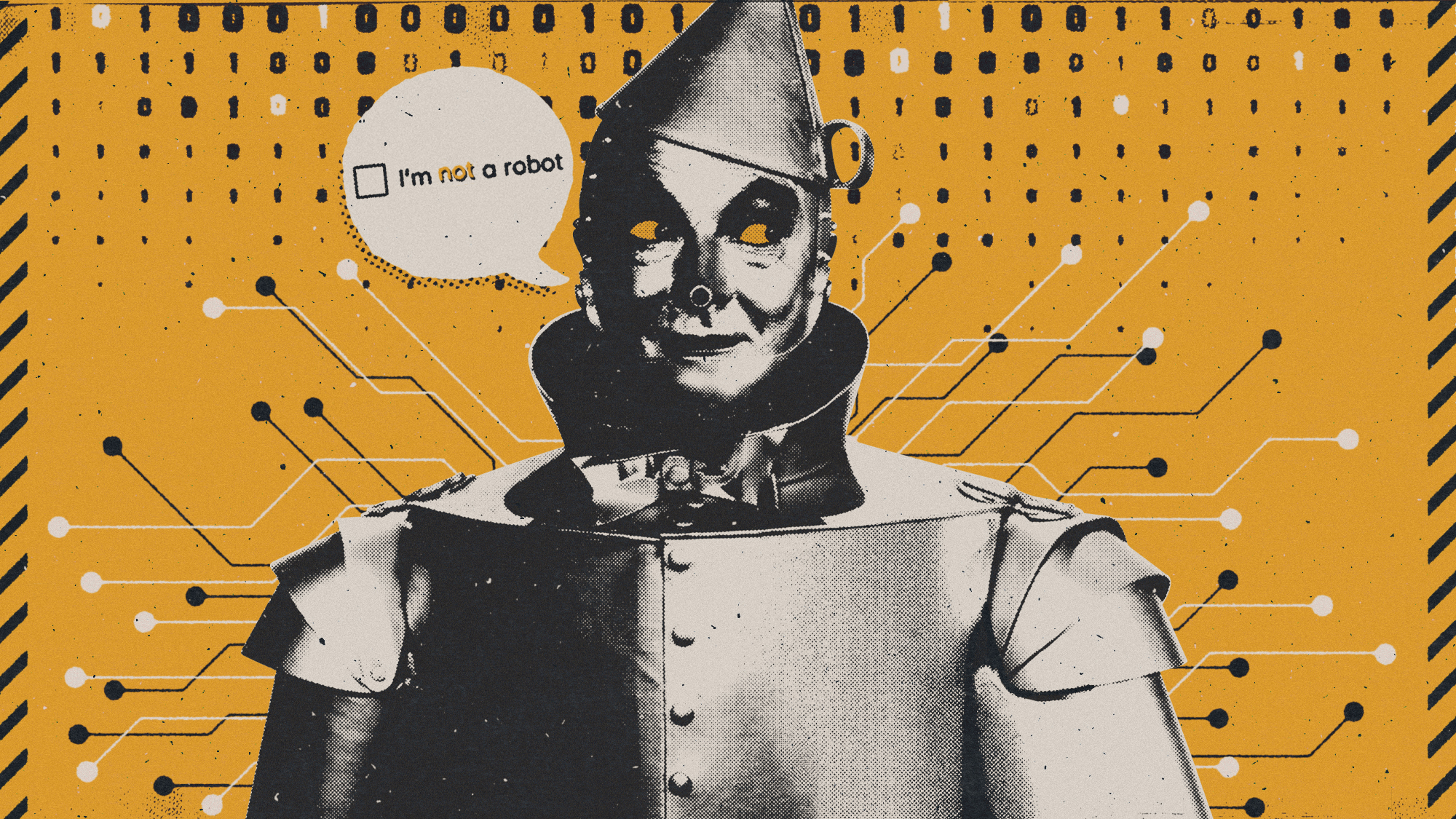
Artificial intelligence systems can now convince you that they are human. Two large language models (LLMs) have passed the Turing test, which determines if a machine can “show the same intelligence as a human being”, said The Independent.
In the test, a person “engages in text-based conversations with both a human and a machine without knowing which is which”, said Stanford University. If the individual cannot tell them apart, the machine is considered to have passed the test. Researchers tested four AI systems and found that newer LLMs can “effectively imitate people in short interactions”, according to a study published in the journal PNAS.
“Given the right prompts, advanced LLMs can exhibit the same tone, directness, humour and fallibility as humans,” said study author Cameron Jones. “While we know LLMs can easily produce knowledge on nearly every topic, this test showed that they can also convincingly display social behavioural traits, which has major implications for how we think of AI.”
AI models passing for humans is a concerning development. The Turing test is a “game about lying for the models”, added Jones, and “one of the implications is that models seem to be really good at that”. A big risk of the existence of AI models with this ability is the rise of “counterfeit people”. Thanks to the ease of deception, we “need to be more alert” and “people should be much less confident that they know they’re talking to a human rather than an LLM.” Still, AI is not yet at a level where it can be deceptive on its own. |