The Week The Week
flag of US
US
flag of UK
UK
https://cdn.mos.cms.futurecdn.net/flexiimages/jacafc5zvs1692883516.jpg

SUBSCRIBE & SAVE

Less than $3 per week

Sign in
  • View Profile
  • Sign out
  • The Explainer
  • The Week Recommends
  • Newsletters
  • Cartoons
  • From the Magazine
  • The Week Junior
  • Student Offers
  • More
    • Politics
    • World News
    • Business
    • Health
    • Science
    • Food & Drink
    • Travel
    • Culture
    • History
    • Personal Finance
    • Puzzles
    • Photos
    • The Blend
    • All Categories
  • Newsletter sign up Newsletter
  • WeekDay AM: 10 Things you need to know this morning
    Political violence, new US blockade begins, and why there’s ‘raspberry sugar’ in space

     
    today’s politics story

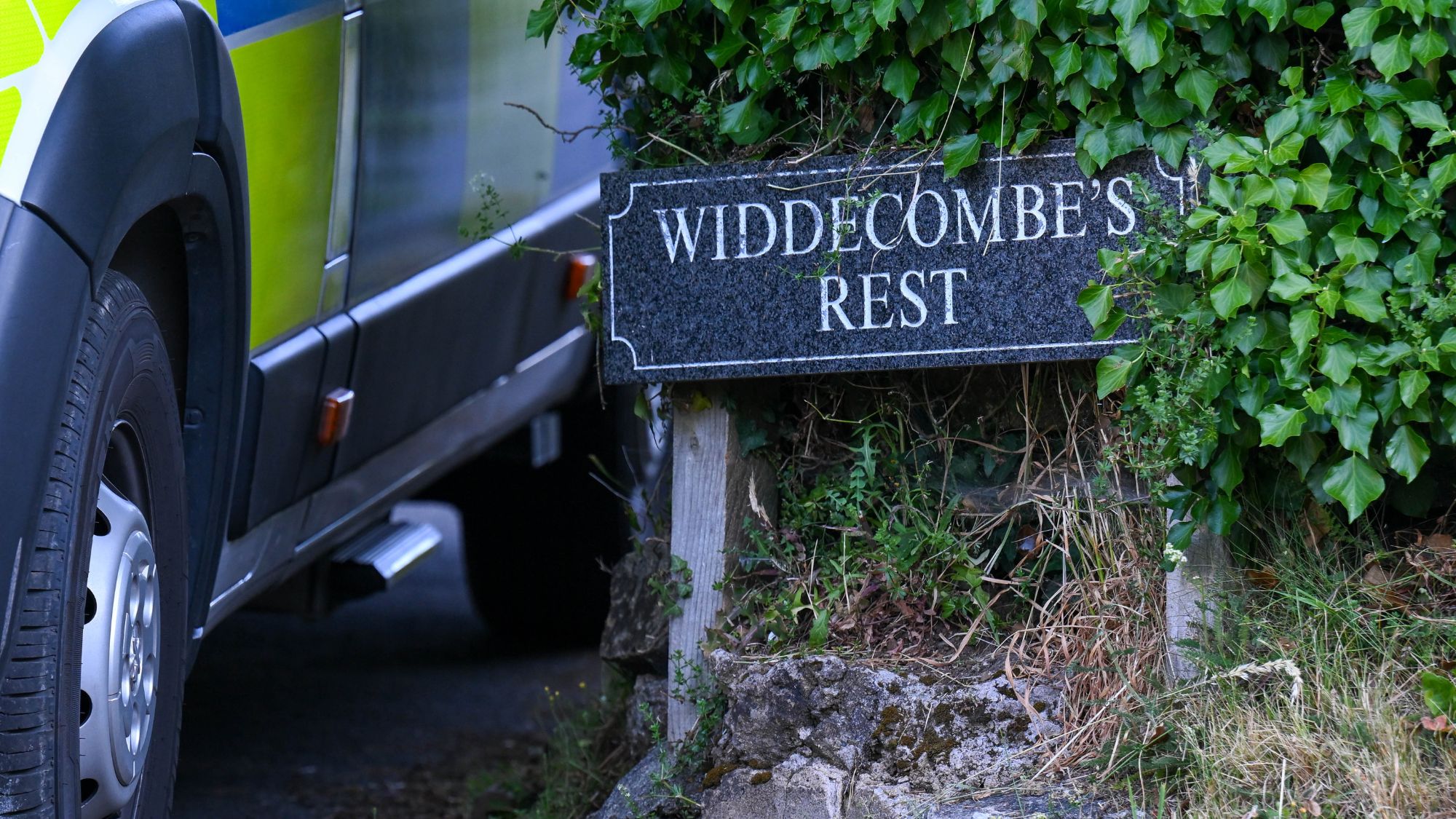
    Police probe left-wing motive in Widdecombe killing

    What happened
    Counter-terrorism police are investigating whether left-wing, anarchist and single-issue terrorism (LASIT) was behind the killing of former Conservative minister and Reform UK spokesperson Ann Widdecombe. Detectives are examining whether hostility towards Widdecombe’s outspoken views or a general opposition to Reform UK may have motivated the attack. The ​inquiry is also ​l​ooking into the​ suspect’s mental health history.

    Who said what
    Assistant Commissioner Laurence Taylor, the head of counter-terrorism policing, said investigators were seeking to understand “the planning and preparation, and the motivation that sits behind the attack”. He added: “I don’t want to rule out anything,” when asked whether Reform UK had been targeted. Taylor confirmed that police had been granted an extra seven days in which to question the suspect.

    This is a “complex investigation” with “multiple lines of inquiry”, said Rozina Sabur and Martin Evans in The Telegraph. Specialist counter-terrorism teams are reportedly working through leads “at pace”.

    What next?
    Yesterday John Woodcock, a former government adviser on political violence, echoed Nigel Farage’s call for greater protection for politicians, urging Home Secretary Shabana Mahmood to establish security buffers around MPs’ constituency offices and surgeries. He has a point, said The Times’s editorial board. “In this increasingly perilous time, criteria for granting protection to politicians, inside and outside parliament, must be more flexible. More bodyguards, more cameras: these cost money. But if that is the price of democracy, then so be it.”


    today’s international story

    Trump drops shipping fee as new Hormuz blockade begins

    What happened
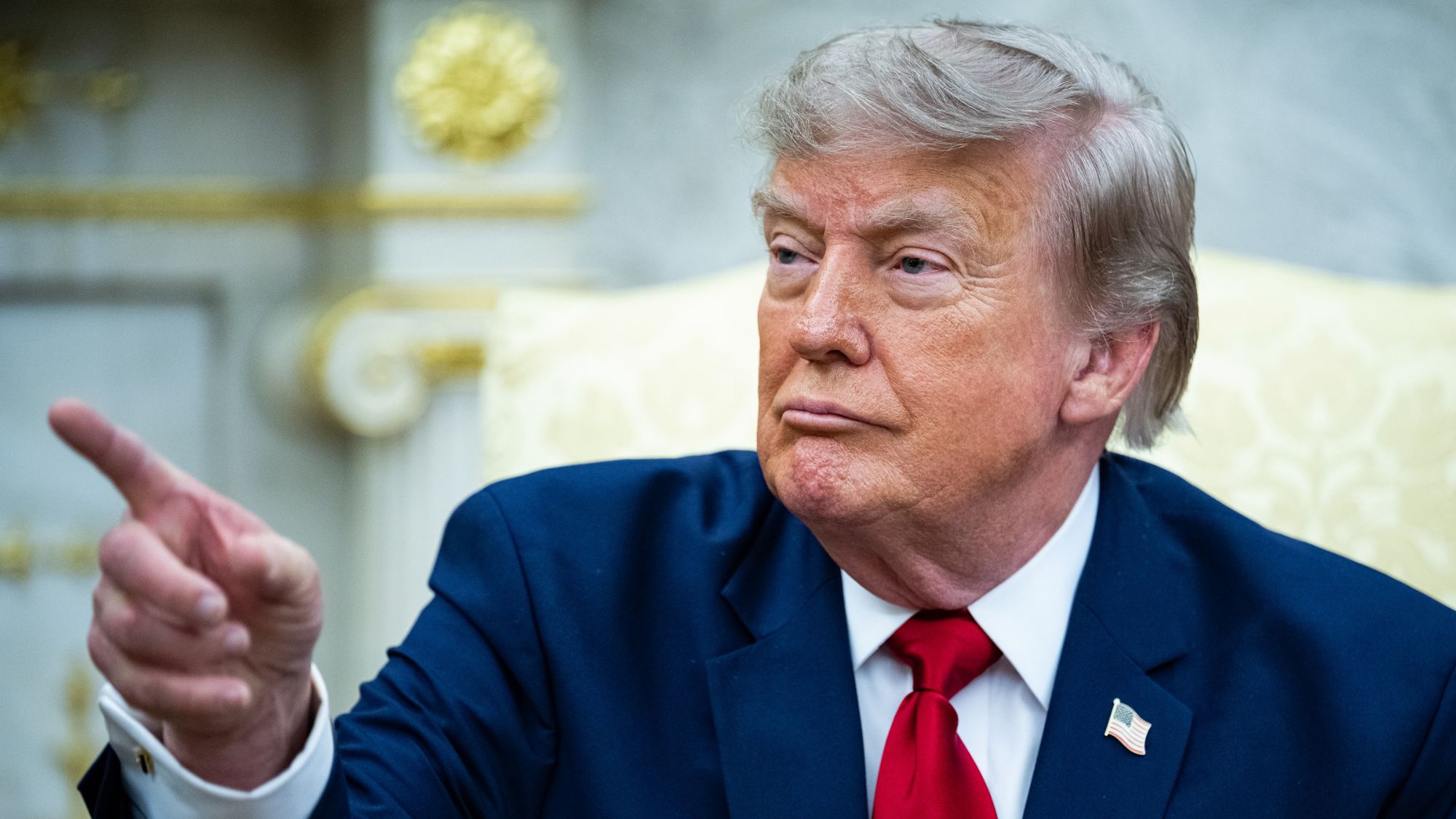
    Donald Trump has abandoned a plan to impose a 20% levy on cargo passing through the Strait of Hormuz just one day after announcing it, but has pushed ahead with renewing the US naval blockade of Iranian ports. The US military said the blockade had begun last night as American forces launched fresh strikes across Iran.

    Who said what
    The US president said Gulf leaders had convinced him to abandon the proposed shipping charge in favour of investment. “I don’t think anybody should be able to charge a fee for the Strait,” he told reporters. He also warned that Iran would be “hit very hard” over the coming week.

    “In Iran, Trump has found an opponent he cannot easily dominate,” said Peter Baker in The New York Times. “The president is accustomed to forcing other countries to bend to his will. But he is struggling to come up with a strategy to extract Iranian concessions as the ceasefire he brokered collapses.”

    Trump now has “no good options for reopening the Strait of Hormuz”, said The Economist. “Yet the stand-off has costs for cash-strapped Iran, too.”

    What next?
    There is “no end in sight for the new Iran war”, said Politico. The White House is “not really sure where this is headed,” an unnamed former US official told the publication. “This could go on for some time.”


    Today’s crime story

    Police seek clues on historic backpacker murder

    What happened
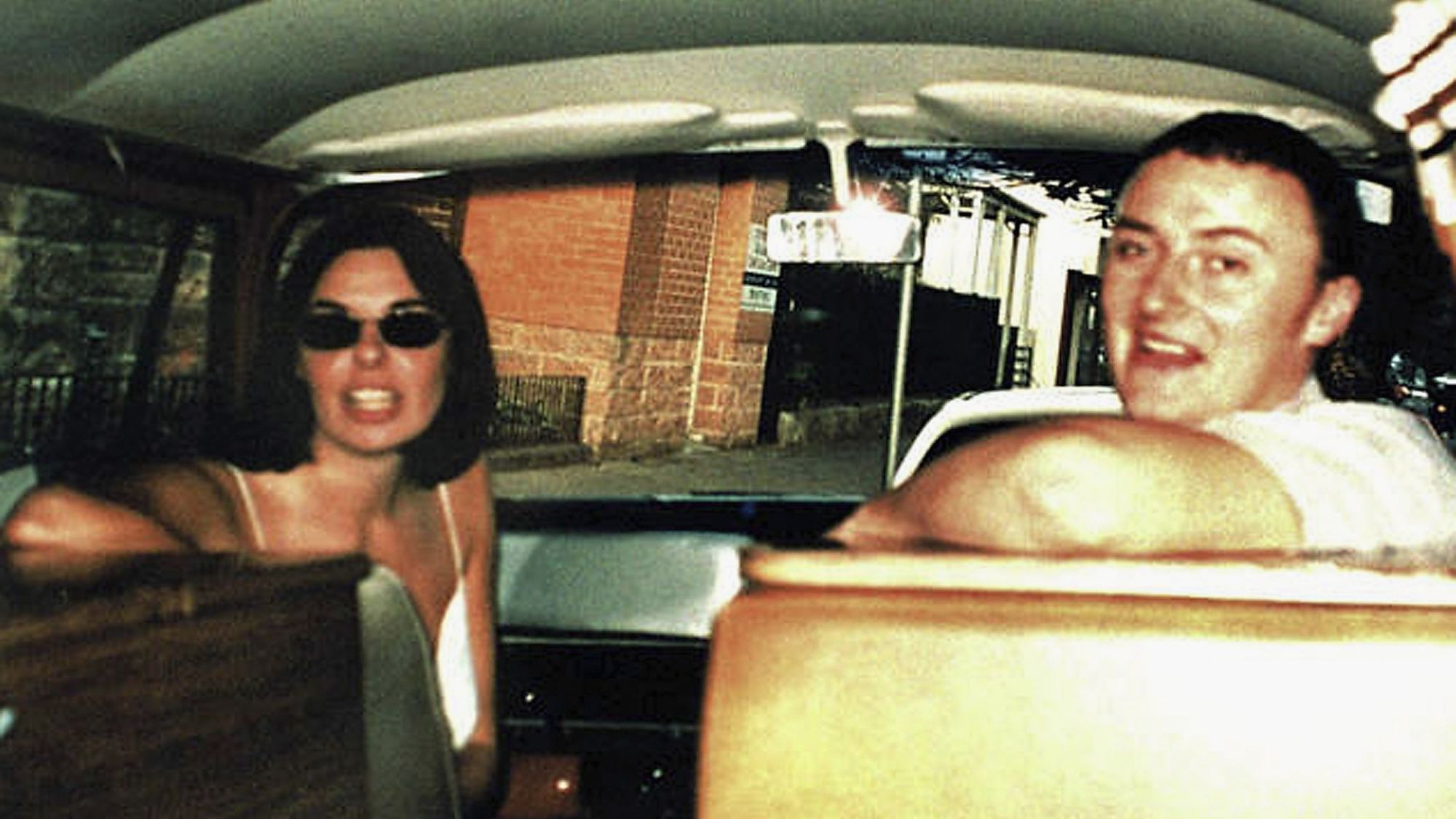
    Australian police have released previously unseen images from the investigation into the 2001 murder of British backpacker Peter Falconio (pictured above with then girlfriend Joanne Lees), whose body has never been found. They hope that the images will lead to new information as the case reaches its 25th anniversary.

    Bradley John Murdoch was convicted of the murder – committed near Barrow Creek, a remote town in the Northern Territory – in 2005 and sentenced to life in prison. He died last year, having never revealed the location of Falconio’s body.

    Who said what
    Northern Territory Police Commissioner Martin Dole said Murdoch’s “cowardly silence” had denied Falconio’s family and friends “the closure they deserve”. He added that the investigators’ commitment to finding Peter and “delivering answers” had “never wavered”.

    The mystery of Murdoch’s motive and the absence of a body have long “attracted conspiracy theories and online gossip”, said The Times. “Several prominent investigators have also gone to the scene in pursuit of answers.”

    What next?
    A reward of up to $A500,000 (£260,000) has been offered for any information that leads to the discovery of Falconio’s remains. “No piece of information is too small,” said Dole.


    It’s not all bad

    The NHS will give high-risk patients wearable sensors that can detect the early signs of sepsis while they’re at home, helping doctors to intervene sooner. Watches, bracelets and other devices will monitor vital signs and alert medics if a patient’s condition worsens. The initiative is part of a plan to cut sepsis deaths by 25% by 2035, with early treatment known to dramatically improve survival chances.


    under the radar

    Why there’s ‘raspberry sugar’ in space

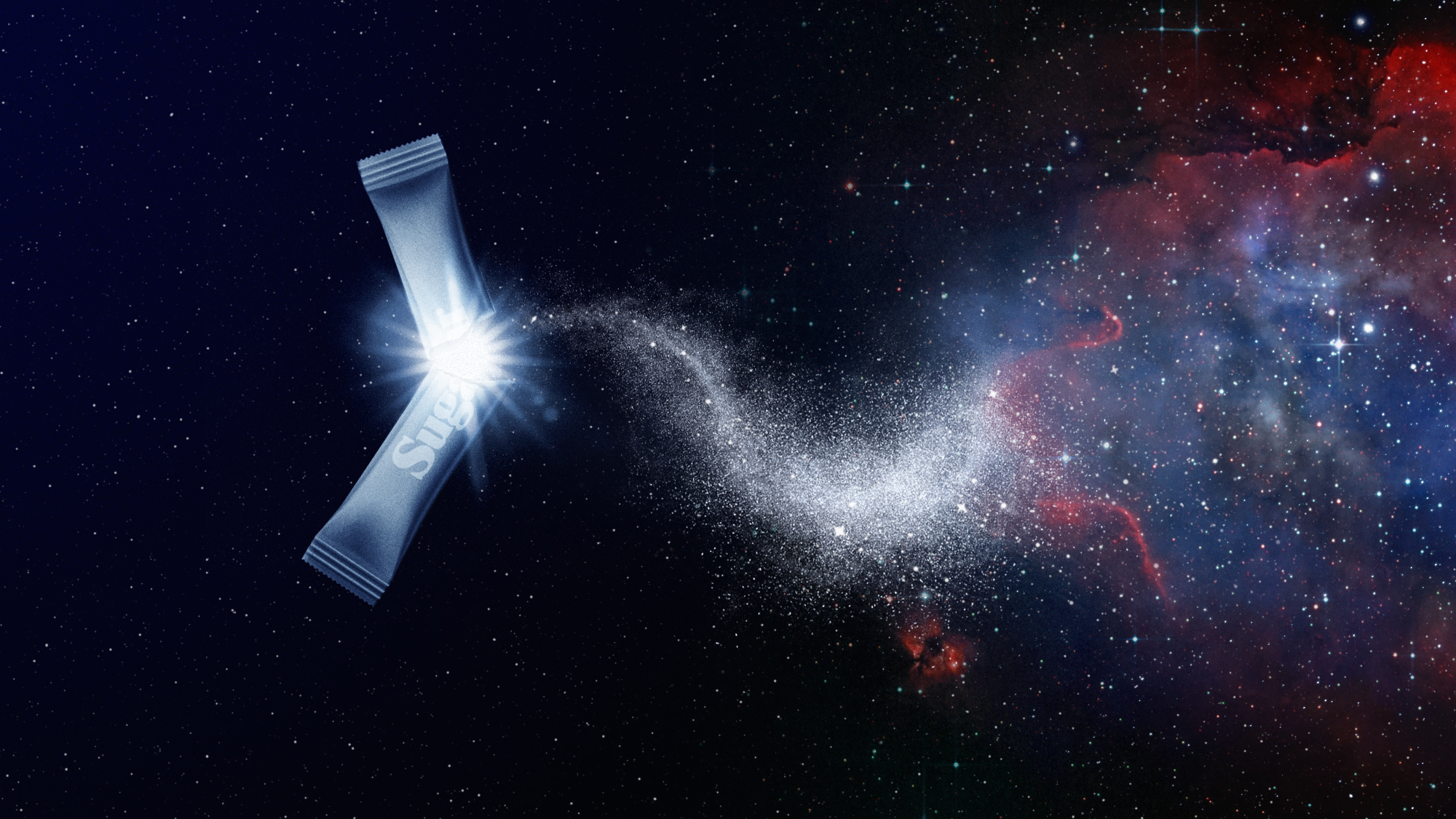
    Astronomers have detected a type of sugar that’s found in raspberries and self-tan lotions near the centre of the Milky Way. A study published this week in the journal Nature Astronomy revealed evidence of erythrulose, a simple sugar, in interstellar gas and the dust clouds between stars.

    The discovery may conjure up images of a “civilisation of pale, safety-conscious frugivores” in outer space, said The Guardian’s science editor Ian Sample, but for astronomers it is significant because “it shows that compounds important for life can form in the frigid expanse between the stars”.

    “Sugar does more than sweeten tea and powder doughnuts,” said The Associated Press. “Different varieties fuel our cells and even make up DNA,” so scientists are “itching to know how sugars form because they’re a key ingredient for life as we know it.” Erythrulose itself “isn’t essential for life, but can easily convert to a form that’s thought to be crucial to kick-starting life on Earth”.

    It is “especially tantalising” to think that erythrulose might have acted as a “feedstock” for the more complex sugars that evolved into nucleic acids – the “building blocks of modern-day DNA and RNA”, said Nature.

    “That’s why the detection of erythrulose is so relevant for the origins of life,” study co-author Dr Izaskun Jiménez-Serra told Live Science. And, if we can discover even more complex sugars in the Milky Way, more light could be shed, astrophysicist Dr Anthony Remijan told Nature, adding: “An actual building block of RNA and DNA: that would be the next big thing.”


    on this day

    15 July 1954

    Boeing’s first prototype jet, the 367-80, made its maiden flight. The “Dash 80” paved the way for the 707, the first commercial jetliner to see widespread service. The aerospace giant is fighting to restore its reputation for safety following a string of high-profile crashes – including one this week off the coast of Pakistan.


    Today’s newspapers

    ‘Come on England’

    “You can do this”, says The Mirror. “It’s in your hands now, lads”, says The Sun. “Don’t jinx it, Keir”, Metro says, as the PM plans to fly out to the World Cup final if England reach it. “Extreme weather is ‘the new normal’”, says The Guardian. “Widdecombe suspect probed over left-wing extremism”, the Daily Mail reports. He “may have targeted other MPs”, says The Times. “Alzheimer’s drug could stop disease”, reports The Telegraph.

    See the newspaper front pages


    tall tale

    Police left shell-shocked

    Police in Ontario, Canada have implored local residents not to bring explosives into police stations after an unnamed individual in Ottawa tried to turn in an unexploded grenade dating from the Second World War. “If you find such items, please do not transport them to your local police station,” said the Ontario Provincial Police in a post on social media, warning that they could “prove extremely dangerous to the person bringing the item and others around”.


    Morning Report was written and edited by Arion McNicoll, Harriet Marsden, Will Barker, Ross Couzens and Chas Newkey-Burden, with illustrations by Stephen P. Kelly.

    Image credits, from top: Finnbarr Webster / Getty Images; Graeme Sloan / EPA / Bloomberg / Getty Images; Handout / Getty Images; Illustration by Stephen P. Kelly / Shutterstock / Getty Images.

    Morning Report and Evening Review were named Newsletter of the Year at the Publisher Newsletter Awards 2025
     

    Recent editions

    • Morning Report

      Trump’s tax immunity in question

    • Evening Review

      A death spiral for Obamacare

    • Morning Report

      Graham’s death shakes Senate

    VIEW ALL
    TheWeek
    • About Us
    • Contact Future's experts
    • Terms and Conditions
    • Privacy Policy
    • Cookie Policy
    • Advertise With Us
    • FAQ
    Add as a preferred source on Google Add as a preferred source on Google

    The Week is part of Future US Inc, an international media group and leading digital publisher. Visit our corporate site.

    © Future US, Inc. Full 7th Floor, 130 West 42nd Street, New York, NY 10036.