The Week The Week
flag of US
US
flag of UK
UK
https://cdn.mos.cms.futurecdn.net/flexiimages/jacafc5zvs1692883516.jpg

SUBSCRIBE & SAVE

Less than $3 per week

Sign in
  • View Profile
  • Sign out
  • The Explainer
  • The Week Recommends
  • Newsletters
  • Cartoons
  • From the Magazine
  • The Week Junior
  • Student Offers
  • More
    • Politics
    • World News
    • Business
    • Health
    • Science
    • Food & Drink
    • Travel
    • Culture
    • History
    • Personal Finance
    • Puzzles
    • Photos
    • The Blend
    • All Categories
  • Newsletter sign up Newsletter
  • WeekDay AM: 10 Things you need to know this morning
    Rising Yemeni violence, anti-migrant protests, and fridge-free vaccines

     
    today’s international story

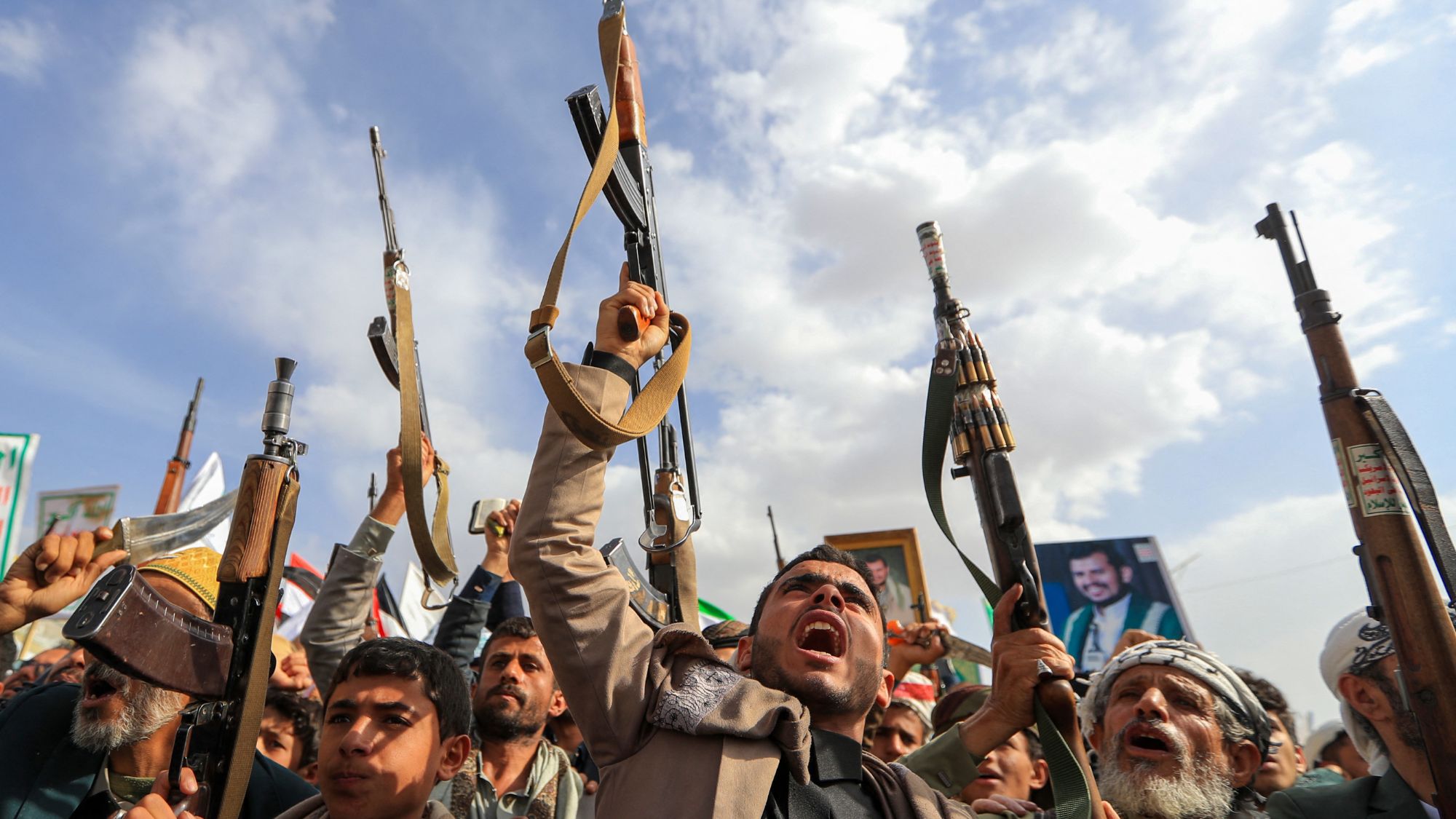
    Yemeni violence surges as Houthi strikes kill dozens

    What happened
    At least 30 government troops have been killed in Yemen – with another 15 wounded – by Houthi missile strikes on military facilities in Hadramout and Marib, according to official sources. The attacks hit several sites, including some occupied by Saudi-backed forces, and are believed to be the bloodiest against government positions in several years. Officials have warned that the death toll could rise.

    Who said what
    Houthi military spokesperson Yahya Saree said its missiles and drones had caused “hundreds” of casualties, claiming the attacks were a response to government forces’ preparations for further fighting. The US embassy called the strikes “cowardly”.

    Houthi rebels have “ramped up the provocations against their Saudi foes since last month”, said France 24. This has “added to the regional chaos since the US-Iran war erupted on 28 February”.

    The latest attacks “threaten to reignite Yemen’s long-simmering civil war”, said Ismaeel Naar and Pranav Baskar in The New York Times. The latest round of fighting has prompted fears that the fragile ceasefire agreed in 2022 is now “nearing collapse”.

    What next?
    This latest surge in violence follows weeks of escalating clashes after a period of relative calm. Saudi Arabia has also carried out strikes against Houthi targets after the group began attacking Saudi-linked shipping in the Red Sea. Saree warned that pro-government fighters should “leave Saudi enemy camps and return to their homes before it is too late”, raising fears of full-scale war.


    today’s migration story

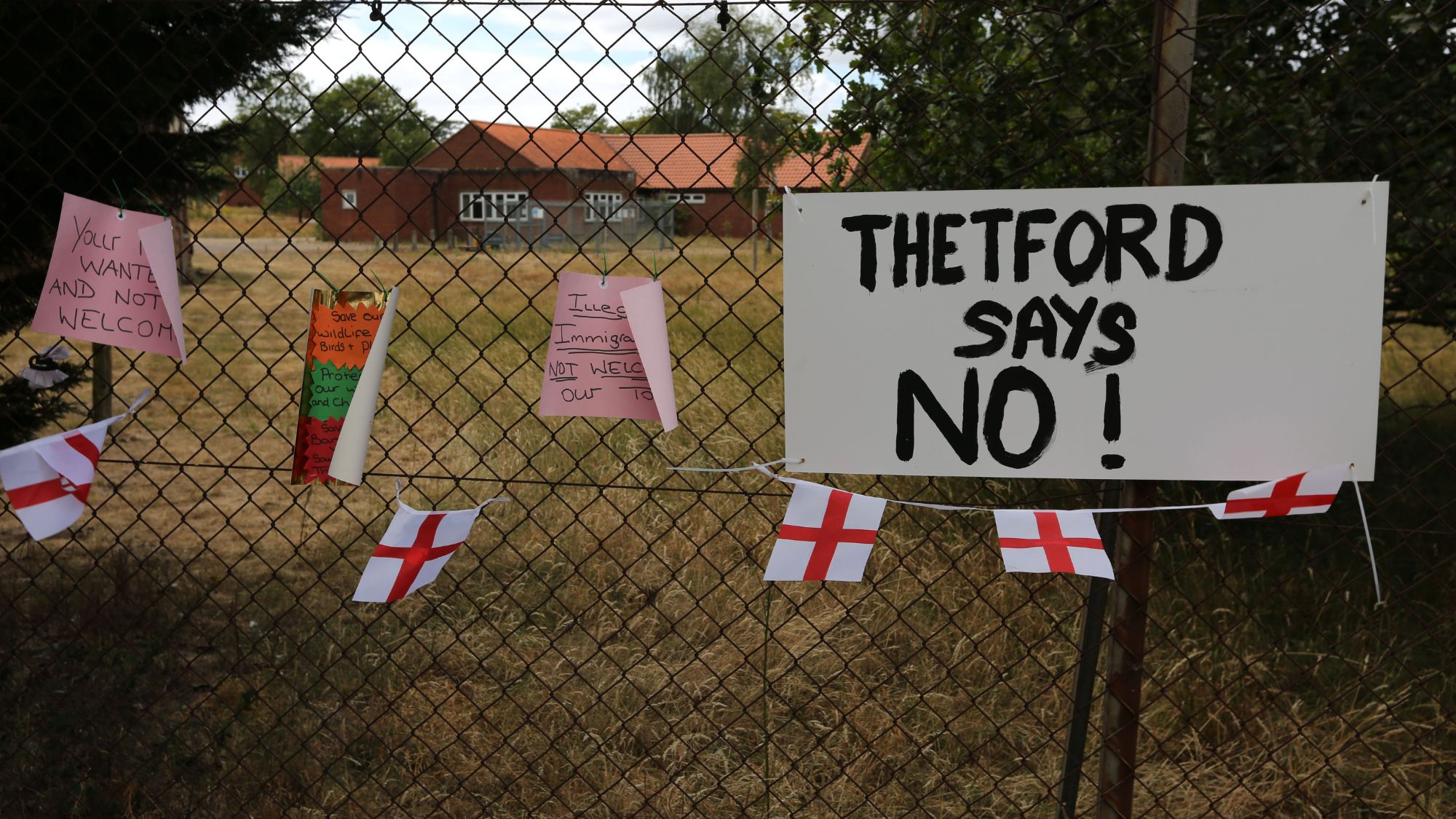
    Protesters attack homes they think house asylum seekers

    What happened
    Police arrested two more men in Thetford last night as anti-migrant demonstrators surrounded properties in the Norfolk town where they believed asylum seekers were being kept. Officers have been deployed in large numbers, with reports of damage and attempts to enter the homes. Two members of the police were injured during Wednesday’s disturbances, including a female officer who was “seriously bitten”.

    Who said what
    Assistant Chief Constable Julie Dean said police would take “robust action”, while insisting that peaceful demonstrations would be allowed. “We will not stand by and allow violence to take place, whether that is directed towards members of the public, local residents or police officers.”

    Pictures appeared to show a “heavy police presence” in the area last night, said Neve Gordon-Farleigh and Orla Moore on the BBC.

    What next?
    Special police powers introduced yesterday evening will remain in force until this morning. Officers can order people to uncover their faces and leave areas if they are involved in, or suspected of preparing for, anti-social behaviour. One man has been charged with possessing a wooden bat.


    Today’s culture story

    Petition to halt Knox show gaining support

    What happened
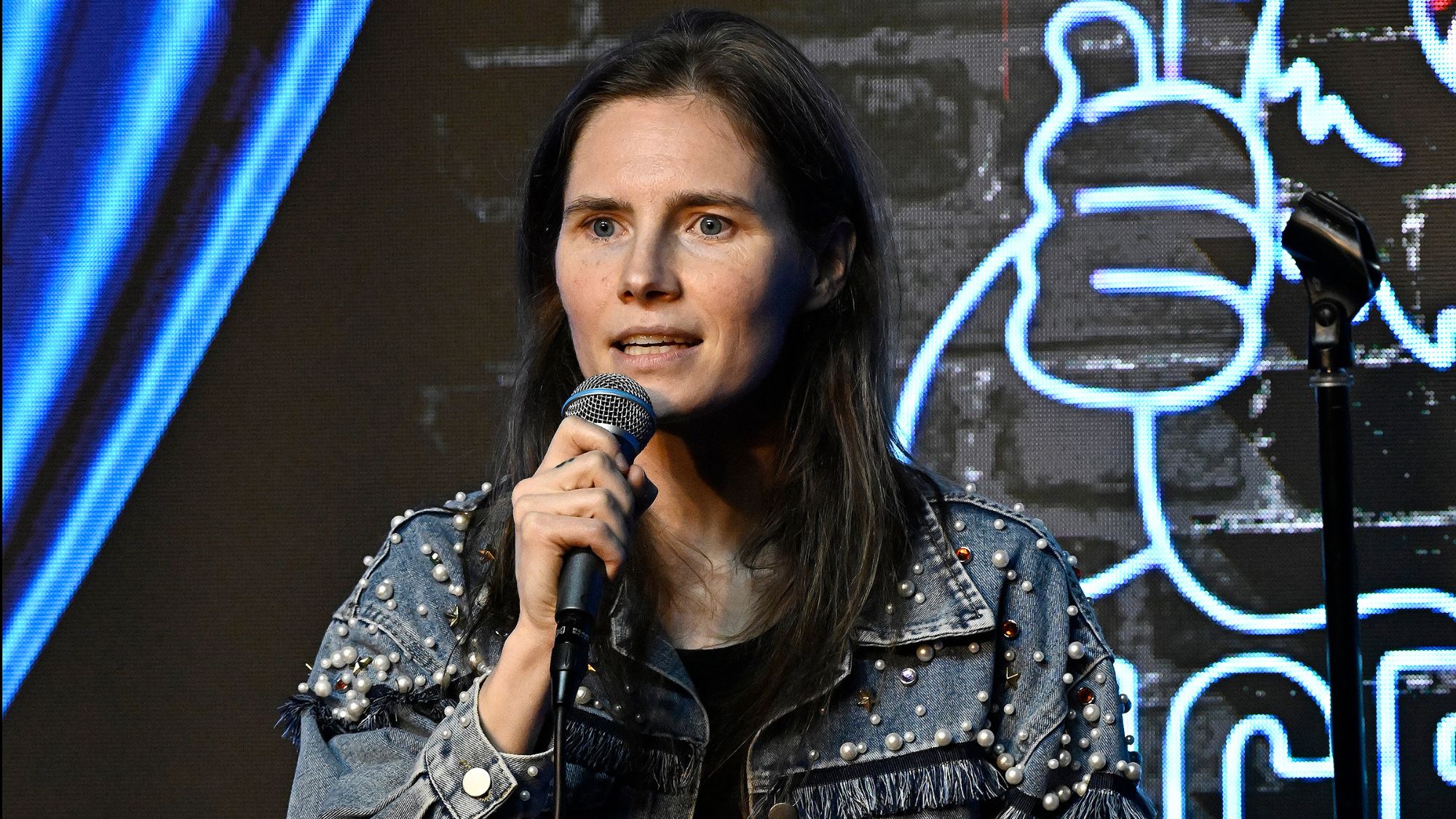
    The sister of murdered student Meredith Kercher has backed a push to remove a comedy show by Amanda Knox – who was convicted then acquitted of her murder – from the Edinburgh Fringe.

    More than 2,400 people have now signed the petition to cancel “Cartwheel”, which Knox (pictured above) calls a show about motherhood, wrongful imprisonment and how she will explain her past life to her daughter.

    Who said what
    “I cannot fathom how rape and murder can be laughed about,” said Stephanie Kercher. This show “goes against everything that inspirational women are still fighting for today”.

    Sally Alington, who created the petition, said this “isn’t just wholly inappropriate and hurtful to family and friends of Meredith”, it “normalises and trivialises violence against women”.

    Knox claimed on social media that the petition made “false assumptions and mischaracterises the show”, and that it “honours Meredith Kercher’s memory”. She also said in a separate interview that Kercher would have found the performance “funny”.

    What next?
    “Cartwheel” debuts today at the Fringe and will run for 11 days.


    It’s not all bad

    Fridge-free vaccines could make jabs easier to deliver in the world’s most remote areas after UK scientists successfully trialled the technology in patients for the first time. A tetanus-diphtheria vaccine stored as a dry powder at room temperature produced an equivalent immune response to conventional doses in a trial involving 60 volunteers. The breakthrough could reduce vaccine wastage and overcome unreliable refrigeration in remote areas. Larger trials are now planned.


    under the radar

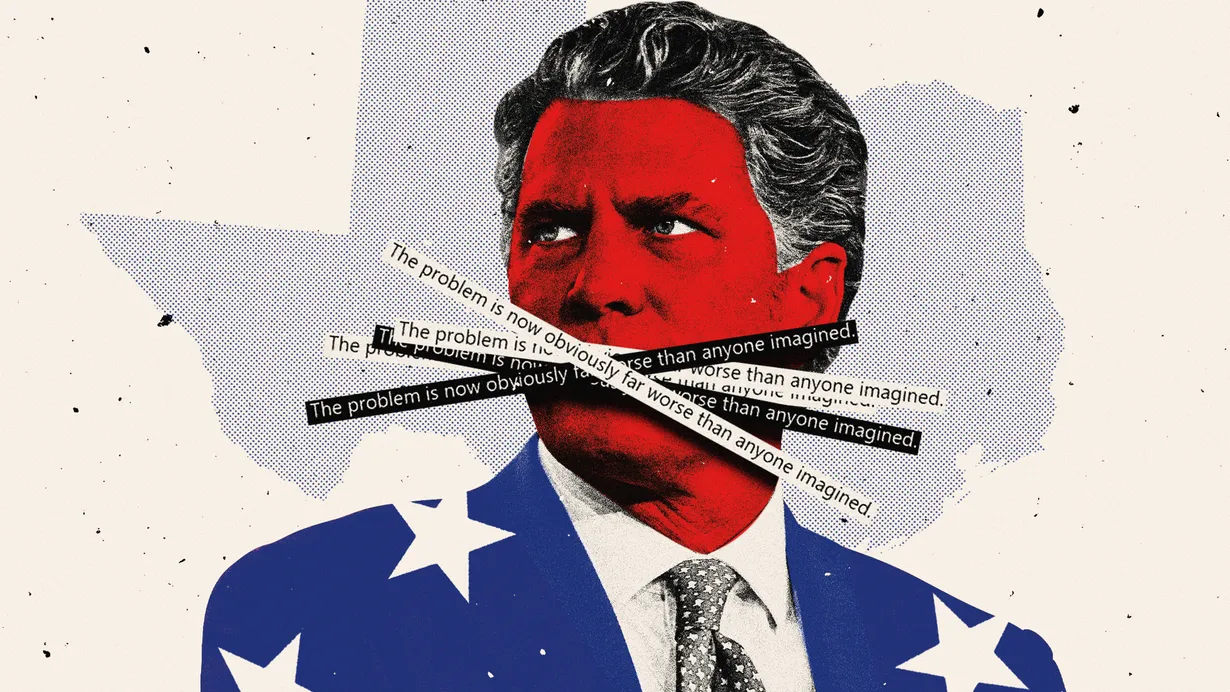
    AI companies are devouring stocks of rare books

    An AI company has “destroyed” millions of books as part of a “controversial project” to train its models, according to City A.M.

    Tech giants want to “feed an insatiable demand for training data”, but their methods could have serious ramifications for the publishing industry and the quality of future books.

    The alarm was first raised when antiquarian booksellers in the UK and across Europe started to receive curious requests for thousands of obscure titles from anonymous buyers.

    According to recent court documents, Anthropic, the developer behind Claude, launched an internal programme known as “Project Panama”, which concluded that books were “essential” for training advanced AI models.

    One senior executive at the AI giant said books taught systems “how to write well”, as opposed to using “low-quality internet speak”. The company has bought millions of second-hand books, “sliced off their spines” using “industrial cutting machines”, scanned every page and recycled the rest.

    This trend has “raised fresh concerns about copyright and the future of physical books”, said the Turkish news outlet Anadolu Agency. But dealing with the issue could be quite another matter; copyright violations are “difficult to prove in court” because of “legal loopholes”.

    Thomas Koch, of the German Publishers and Booksellers Association, said it “appears to be yet another example of AI companies using vast quantities of copyright-protected works to train their language models, without consent and without payment”.


    on this day

    7 August 1990

    The US deployed troops to Saudi Arabia, beginning Operation Desert Shield in response to Iraq’s invasion of Kuwait. Last month President Donald Trump approved a 30-year civilian nuclear cooperation agreement with Saudi Arabia.


    Today’s newspapers

    ‘Housing ban’

    “Foreign nationals face social housing ban under Tories”, reports the Daily Mail. “Fraud alert over loans to foreign students”, The Times says. There’s “toxic pollution in every body of water in England”, The Guardian reports. “Sitting room only at pubs?” asks Metro. “I thee wed”, says The Sun, reporting that Tom Holland and Zendaya have married in a “secret £500k bash at UK hotel”. Andrew Mountbatten-Windsor has suffered from a “stalker ordeal”, The Mirror says.

    See the newspaper front pages


    tall tale

    A gull refund

    A rail worker who thought she had lost a £10 note has had it returned – thanks to a passing seagull. Florence MacLean, a train guard, was standing on the platform at Mallaig station in Scotland when she dropped the tenner on the track and lost sight of it. Two weeks later she noticed a seagull flying above the same station with a ten pound note in its beak. The young bird landed and MacLean grabbed her lost note from the gull. “I could not believe that the seagull had returned my lost tenner,” she said.


    Morning Report was written and edited by Arion McNicoll, Jamie Timson, Will Barker, Ross Couzens and Chas Newkey-Burden, with illustrations by Julia Wytrazek.

    Image credits, from top: Mohammed Huwais / AFP / Getty Images; Martin Pope / Getty Images; Michael S. Schwartz / Getty Images for ABA; Illustration by Julia Wytrazek / Getty Images.

    Morning Report and Evening Review were named Newsletter of the Year at the Publisher Newsletter Awards 2025
     

    Recent editions

    • Morning Report

      House GOP ethics scandals upend midterms

    • Evening Review

      The return of a deportation court

    • Morning Report

      Democratic voters’ split decision

    VIEW ALL
    TheWeek
    • About Us
    • Contact Future's experts
    • Terms and Conditions
    • Privacy Policy
    • Cookie Policy
    • Advertise With Us
    • FAQ
    Add as a preferred source on Google Add as a preferred source on Google

    The Week is part of Future US Inc, an international media group and leading digital publisher. Visit our corporate site.

    © Future US, Inc. Full 7th Floor, 130 West 42nd Street, New York, NY 10036.