Fearless presenter of ‘Woman’s Hour’ for 33 years
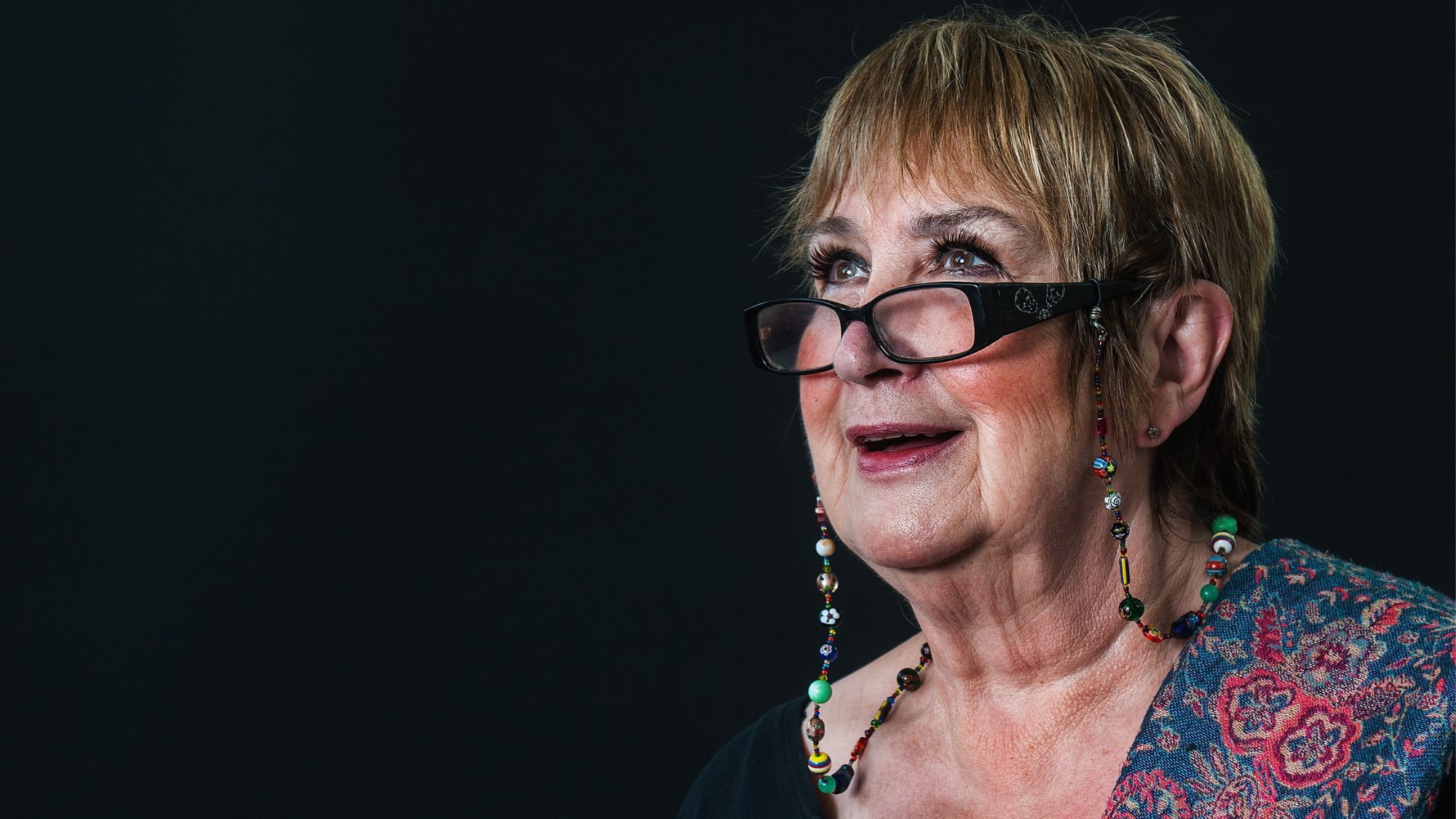
When “Woman’s Hour” began, in the 1940s, the Radio 4 programme featured housekeeping tips and romantic serials, said The Guardian. By the time Jenni Murray took over, in 1987, it had become a platform for serious debate too, on issues ranging from domestic violence to equal pay. Humorous and warm but also razor sharp, Murray, who has died aged 75, was equally at home discussing home furnishings and female genital mutilation, said The Telegraph. With a rare talent for drawing people out, she was sensitive to those who had come on air to discuss tragedies and traumas, but politicians found her well prepared, tough and fearless. Famously, Murray asked Edwina Currie when she’d last had a smear test, Gordon Brown whether he had shown his wife his tax return, and Hillary Clinton why she had stayed in her marriage, after the Lewinsky affair. Yet people queued up to be interviewed by her. Indeed, Margaret Thatcher gave “Woman’s Hour” her last major interview before her resignation.
Jenni Bailey was born in Barnsley in 1950. Her father was an electrical engineer; her mother had been a civil servant, but had given up work when she started a family. When she was a child, she was sent to speech and drama lessons, where she lost her Yorkshire burr. Later, her warm, silky tones were much admired: the broadcaster Charles Wheeler said she had the “most beautiful voice on radio, ever”. After leaving Barnsley Girls’ High School, she went to the University of Hull where she met Brian Murray, who became her first husband. She began her career at BBC Bristol radio in 1973. After a few years on regional TV, she got a job at “Newsnight”. She returned to BBC Radio as a presenter of “Today” before taking over at “Woman’s Hour”. By then, she had divorced Murray and had two children with David Forgham, a Naval officer. Having spent years juggling small children with a busy job, she once demanded of Mrs Thatcher why she had so little interest in childcare provision, said The Times. In 1990, Forgham left the Navy and took on the day-to-day parenting. Not long after, Murray caused a furore when she described marriage as a trap for women. She and Forgham eventually tied the knot in 2002, but Murray insisted that they’d done so mainly for tax reasons.
On “Woman’s Hour”, where 40% of her audience was male, and in her books and journalism, Murray often discussed her own experiences – of motherhood, menopause, weight-loss surgery and ill health: she was diagnosed with breast cancer in 2006. “Life is copy,” she said, quoting Nora Ephron. In 2017, she wrote an article for The Sunday Times headlined, “Be trans, be proud, but don’t call yourself a ‘real woman’”, in which she argued that trans women should not expect entry to all women-only spaces. It provoked a massive backlash. She was subjected to a torrent of abuse, and the BBC ordered her not to lead any more debates on the subject. When she left “Woman’s Hour” in 2020 – after 33 years at the helm – it was to the tune of “I Am Woman”.