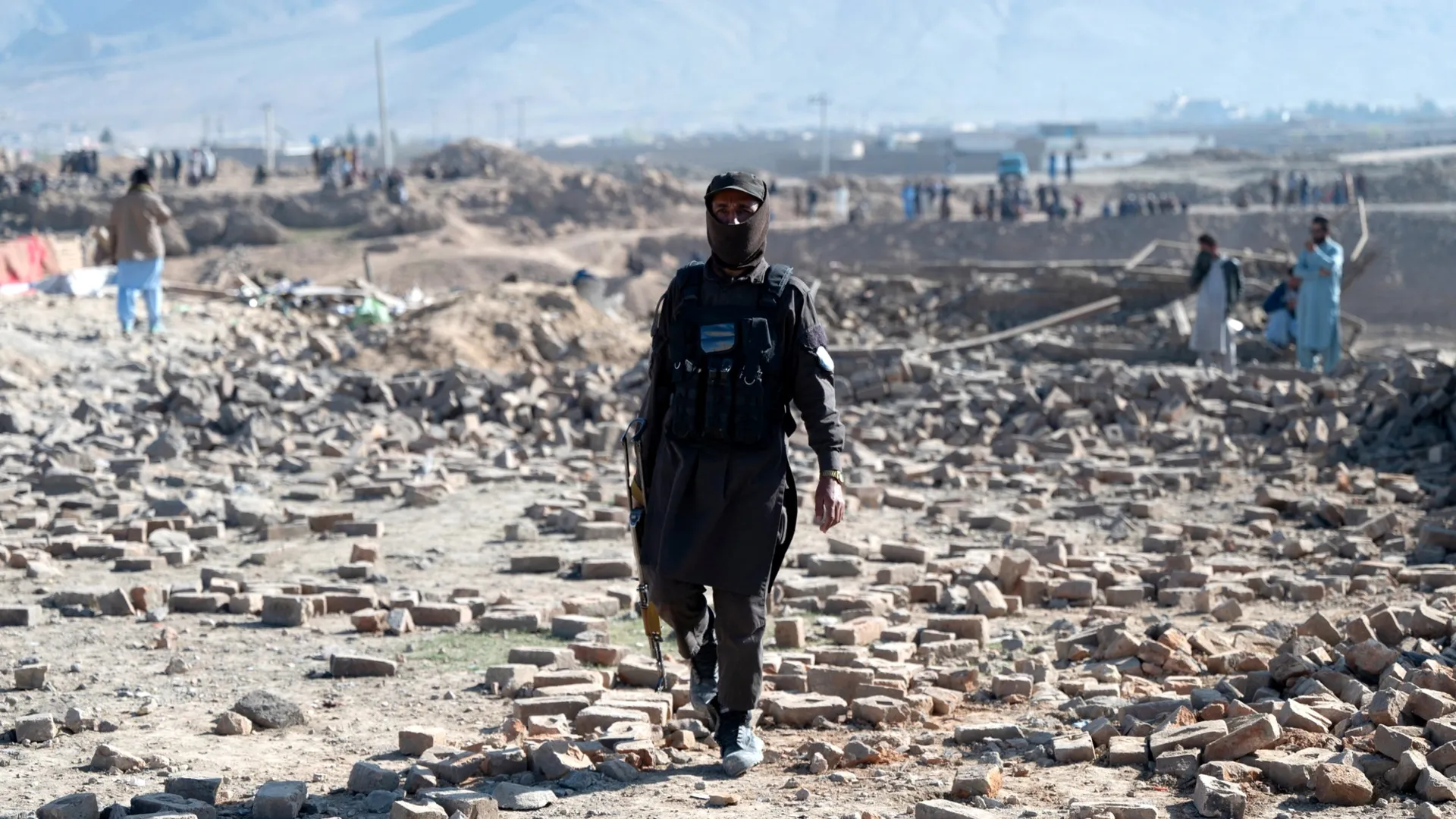
While the world is distracted by the U.S.-Israeli strikes on Iran, another conflict is raging in the region since Pakistan declared “open war” on Afghanistan.
In a dangerous escalation from cross-border skirmishes, Pakistan launched air strikes at the end of February, targeting major cities including Kabul. Afghanistan’s Taliban regime responded with drone attacks. Both sides blame the other for the conflict.
More than 1,000 people are estimated to have been killed or injured, and 100,000 displaced. With a temporary ceasefire to mark the Muslim holiday of Eid al-Fitr having ended at midnight on Monday, there are no signs of a desire for de-escalation.
What’s the background?
This is “not a sudden rupture of relations,” said international relations expert Rabia Akhtar at The Conversation. It’s the “intensification of long-simmering, historical security concerns” along the two countries’ disputed 1,600-mile border, the Durand Line. Afghanistan has never formally recognized the border, drawn in 1893 through ethnic Pashtun areas. That has caused “sustained and persistent tension” since Pakistan’s independence in 1947.
The countries also took opposite sides in the Cold War, with Pakistan “embedded” in the U.S.-led framework and Afghanistan maintaining “closer ties” with the Soviet Union (until it invaded). All of this “entrenched cross-border militant networks.”
When the U.S. withdrew from Afghanistan and the Taliban took over in 2021, terrorist attacks within Pakistan increased, particularly by the Tereek-e-Taliban Pakistan (TTP or Pakistan Taliban).
What triggered this latest outbreak?
Pakistani authorities have accused the TTP of killing 4,000 people in the last four years and accused the Taliban of allowing them to operate from sanctuaries within Afghanistan. Pakistan launched air strikes against alleged TTP hideouts in Afghanistan last year and accused its historic foe, India, of supporting the Taliban, allegedly with Indian-made drones used in recent attacks. India then effectively normalized relations with the Taliban.
India and the Taliban “vehemently deny” Pakistan’s accusations, said the BBC. They say the TTP is an “internal matter” for Islamabad, a “Pakistan-created problem,” but that has “done little but to further infuriate” Pakistani leaders.
Pakistan has been “taking advantage of the West’s disengagement” and regional powers’ distraction, said the Financial Times. It’s “enraged.” But all-out war “threatens stability” across Asia. The stakes are “too high for the world to keep looking away.” |