The Week The Week
flag of US
US
flag of UK
UK
https://cdn.mos.cms.futurecdn.net/flexiimages/jacafc5zvs1692883516.jpg

SUBSCRIBE & SAVE

Less than $3 per week

Sign in
  • View Profile
  • Sign out
  • The Explainer
  • The Week Recommends
  • Newsletters
  • Cartoons
  • From the Magazine
  • The Week Junior
  • Student Offers
  • More
    • Politics
    • World News
    • Business
    • Health
    • Science
    • Food & Drink
    • Travel
    • Culture
    • History
    • Personal Finance
    • Puzzles
    • Photos
    • The Blend
    • All Categories
  • Newsletter sign up Newsletter
  • Sunday Shortlist, from The Week
    A ‘profoundly moving’ play and an ‘acid’ comic-thriller

     
    THEATRE REVIEW

    Care

    This ‘compassionate and powerful’ play explores a nursing home for the elderly

    The British writer-director Alexander Zeldin’s work adds up to “a damning dossier about society’s most vulnerable”, said Dominic Cavendish in The Telegraph. In “Beyond Caring”, he wrote about zero-hours workers; “Love” is about people living in temporary accommodation; “Faith, Hope and Charity” centres on the users of a community kitchen. Yet Zeldin is not a baldly political writer: in everything he does, he emphasises the “complex humanity behind the topical headline agendas” – and he does that “magnificently” in this new play, which is his best yet. Set in the sterile meeting area of a nursing home for the elderly, “Care” is a “profoundly moving, beautifully acted portrait of life, and death”. It had me gripped and left me devastated.

    This is “theatre at its best”. Linda Bassett is simply superb in the central role of Joan, a newcomer to the home, said Sarah Crompton on What’s on Stage. Initially, Joan insists that she is there only temporarily; Bassett depicts her moving “from courage to despair to a sort of staring acceptance of her fate, conveying whole worlds with a raise of an eyebrow or the touch of a hand on a cheek”. There’s “unbearably touching” work, too, from William Lawlor as her teenage grandson, lost in his own despair at his father’s death.

    There are also “darkly sublime” performances from the actors playing the other residents, said Arifa Akbar in The Guardian. We don’t learn much about some of their lives; a few just “shuffle on and off again”. When they die, the lights come up gently as they join the audience.

    “Care” is a compassionate and powerful play, but having spent some time in care homes, I had misgivings, said Nick Curtis in The Standard. The play derives some comedy from the rambling, criss-crossing conversations; yet “old, infirm people just aren’t this funny, and even those in extreme distress aren’t this consistently sad”.

    With no interval, this heartbreaking piece is quite gruelling, said Clive Davis in The Times – and the last scene is a bit melodramatic. Still, if you feel “drained” by the end, you will also feel “quietly grateful” to have been guided “through another country”.

    Young Vic, London SE1. Until 11 July


    FILM REVIEW

    Eagles of the Republic

    ‘Acid’ comic thriller takes aim at Egypt’s military dictator

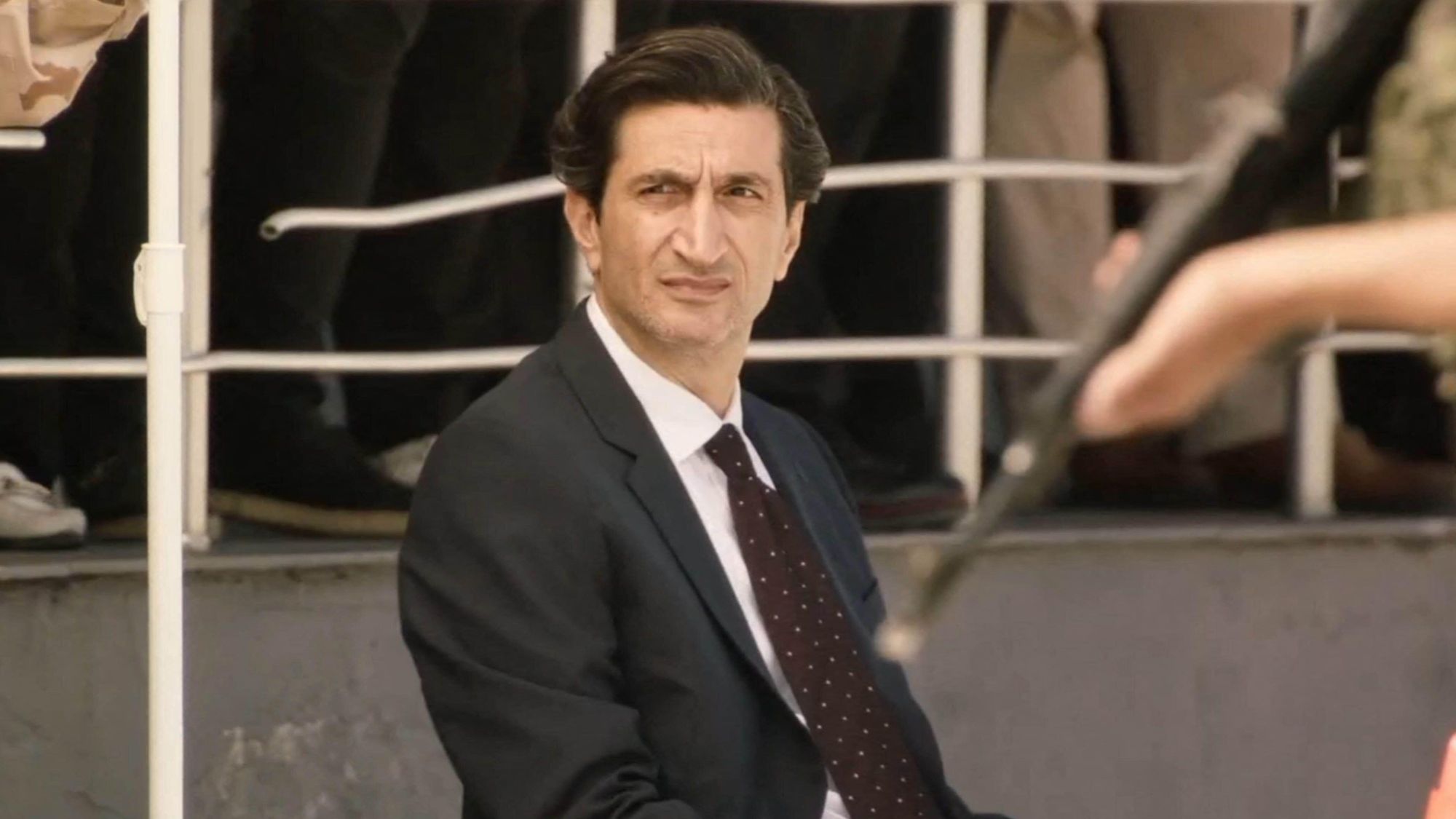
    Though it is “convincingly set” in Cairo, there is a reason why “Eagles of the Republic” was filmed in Istanbul, said Danny Leigh in the Financial Times. “Tarik Saleh’s acid comic thriller is wrapped around a j’accuse aimed at Egypt’s military dictator, Abdel Fattah al-Sisi.”

    In it, the Lebanese-Swedish actor Fares Fares plays a fictional Egyptian movie star, George Fahmy, who is no hero off-camera: initially, the film has some fun with this vain, “pampered matinee idol in the thick of middle age”. However, Fahmy discovers the limits of his star power when he is asked to play Sisi in a hagiographic biopic: he is not sure that he and the president look alike (they do not), but it becomes clear that this is not a role he can turn down. On set, his performance is supervised by “a chilling presidential aide” (Amr Waked), and the sardonic comedy of the early scenes “is slowly swallowed by the dark currents of life in a dictatorship – the ghouls and goons that man the system, their violence and terror”.

    Saleh was asked to leave Egypt in 2015, and “judging by the strength” of this attack on the current regime, he isn’t planning a return, said Wendy Ide in The Observer.

    This film is the third part of his Cairo trilogy, and with its astringent humour it represents a change in tone from the first two: 2017’s “The Nile Hilton Incident”, a police procedural, and 2022’s “Boy from Heaven”, a thriller. Fares starred in them too, said Nick James in The New Statesman, and he is brilliant as the actor drawn, “by slow-ratcheting degrees, into complicity with the state’s deadly doings”. The film is let down by some abrupt tonal shifts, and an ill-conceived action climax, but at its best it’s often “electrifying”.

     
    album REVIEW

    Paul McCartney: The Boys of
    Dungeon Lane

    Paul McCartney’s 27th studio album post-Beatles is a “joyous” late-career reminder of the artist’s “melodic genius”, said Neil McCormick in The Telegraph. Many of the songs here – brimming with elegance, wit and imagination, and dwelling on his youth – “could have graced any late-Beatles album with honour”, and “had they come out in the 1960s, we would still be singing them now”. “Home to Us”, an ebullient duet with Ringo Starr, is a “rocking singalong romp to rival ‘Get Back’”; “Days We Left Behind”, about his teenage friendship with John Lennon, is a tender ballad which finds McCartney, now 83, “leaning into the vulnerability of his older voice”. It’s both potent and gorgeous. Other standouts on this lovely, nostalgia-laden collection include “Life Can Be Hard”, a love song about personal losses, and “Salesman Saint”, a sublime folk ballad about his parents and the sufferings of the War generation, said Will Hodgkinson in The Times. All told, this is “an album about life passing that leaves you with a sense of optimism: pure Macca, in other words”.

     
    BOOK OF THE WEEK

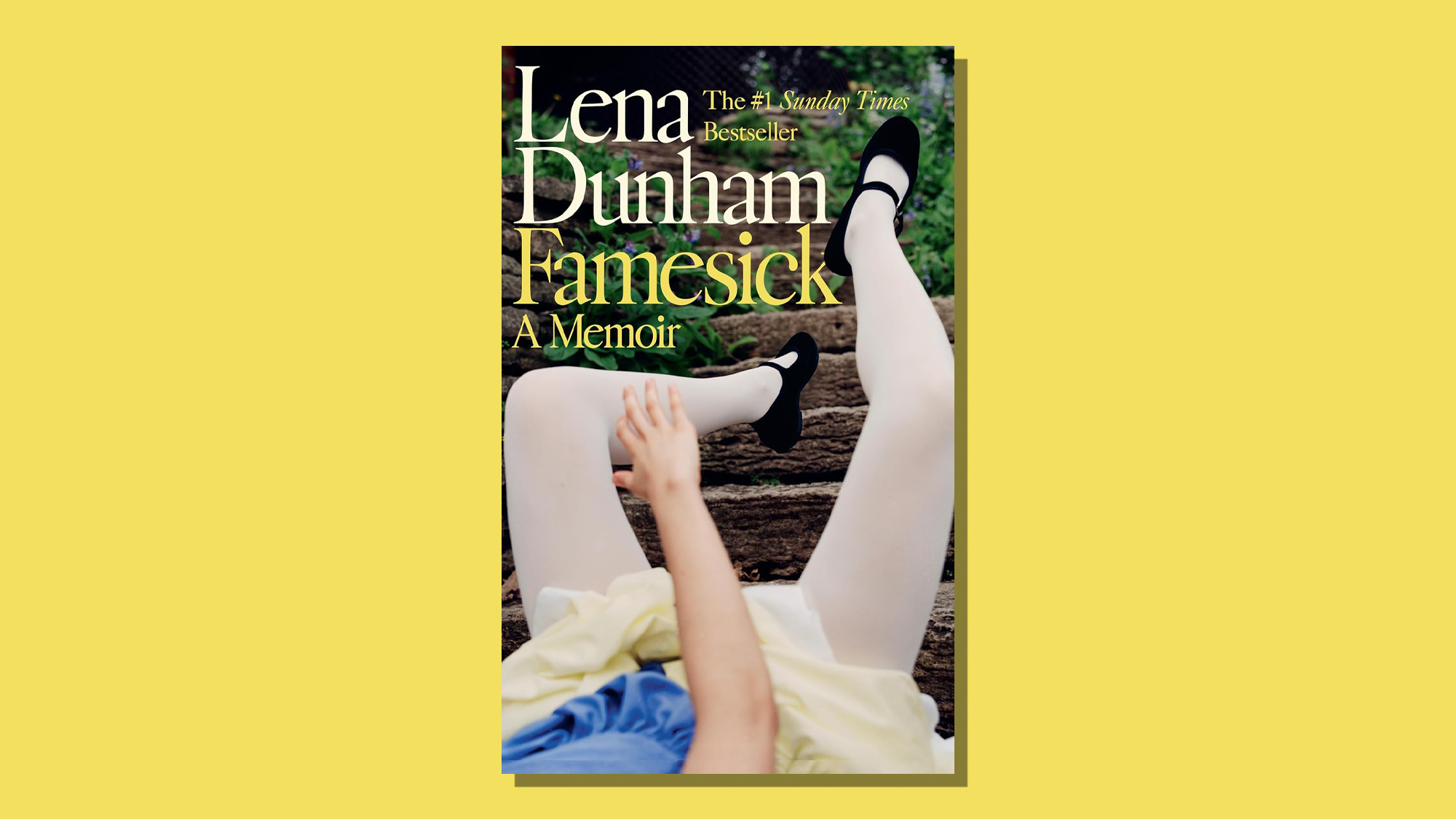
    Famesick 

    by Lena Dunham

    Lena Dunham “crashed into public consciousness” in 2012 when the first season of her comedy-drama “Girls” – often described as the millennial “Sex and the City” – aired on HBO/Sky Atlantic, said Sarah Ditum in The Times. The show “made her very, very famous” – the kind of fame which involved her face appearing on “building-sized billboards” – and “that in turn made her very, very hated”.

    Dunham was attacked for many things – for embodying white privilege, for having the wrong body shape – and that “barracking” profoundly damaged her mental and physical health.

    In her “melancholic” memoir “Famesick”, Dunham documents a seemingly unending range of afflictions. These include colitis, endometriosis, opioid addiction, “constant gynaecological issues”, OCD and PTSD, said Hannah J. Davies in The Guardian. At one point, she “accidentally sets herself on fire”; there’s also a horrifying incident involving cotton buds. Dunham isn’t always an easy person to feel sorry for – her decisions are “questionable”, and her name-dropping is shameless – but she writes honestly and fluently, and has a rare ability to discuss the “painful parts of life in a way that feels both intimate and universal”.

    Weaving together the “funny, the heartbreaking and the grotesque”, this book (Dunham’s second memoir after 2014’s “Not That Kind of Girl”) “confirms her talents as a writer of prose as well as scripts”, said Hannah Williams in the Financial Times.

    The strongest chapters are those that focus on “Girls”, which “time has cemented” as one of the most notable shows of the past two decades. Later on, the book becomes “a little bloated” and repetitive. “But in its portrayal of the ecstasy, heartbreak and sheer thrill of what it is to be young and lost, ‘Famesick’ reaffirms Dunham’s status as a generational voice.”


    OBITUARY

    Judith Chalmers

    The engaging host of “Wish You Were Here…?”

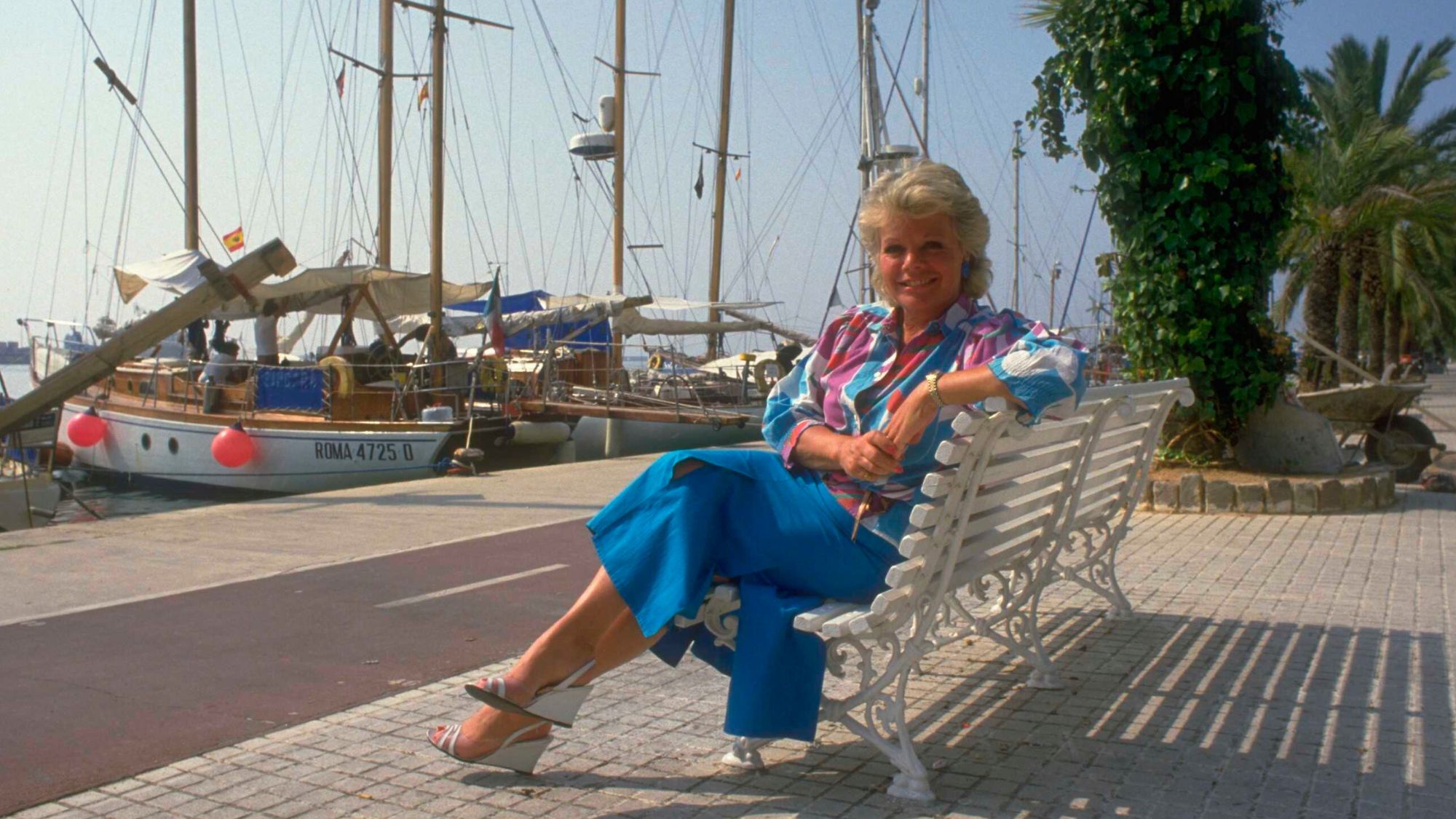
    When Judith Chalmers was a child in the 1940s, her family holidays were spent in the UK. “One of my most vivid memories was setting off in my father’s Morris Minor and going along the high-hedged roads to Cornwall and Devon and north Wales,” she recalled. There were no motorways then. Even after she became a successful broadcaster, she went no further than France, said The Times. Yet in 1974, she was asked to present a new travel show, capitalising on the growing appetite for holidays in the sun. Over the next three decades, Chalmers, who has died aged 90, presented more than 500 episodes of “Wish You Were Here…?”, which took her all over the world.

    Each 30-minute show usually consisted of three parts, said The Telegraph: one featuring a young female presenter, sent somewhere hot to justify her wearing a swimsuit; one with a male presenter, who’d become embroiled in a comic incident, “often involving a camel”; and the third, in which Chalmers tended to fly “somewhere expensive to sink piña coladas, be garlanded with orchids and top up her year-round tan”. A warm and engaging presence, she became a household name. With her bouffant hair and “tennis-club manner”, she also provided material for comedians. Victoria Wood used to say that she was so old, she could remember Chalmers before she turned brown. One critic claimed, “somewhat uncharitably”, that the secret of her longevity was her ability to keep a straight face as she read out the show’s script. On “WYWH…?”, markets were always “bustling”, developing world countries were “exotic”, and hotels were “oases of peace and tranquillity”. At the Great Wall of China, Chalmers declared to camera: “Here I am, by a rather special stretch of masonry.” But the show was not intended to appeal to sophisticates, said Alexander Larman in The Telegraph. It was escapism, designed to make “abroad” look appealing to people who were not accustomed to overseas travel. In all her years on the show, Chalmers “never lost her poise”, said The Guardian, and in that era, long before people could scan Tripadvisor and easily book their own trips, the “industry hung on her judgements”, which were “invariably considered and fair-minded”.

    Born in 1935, Judith Chalmers was brought up in Cheadle, the daughter of an architect and a medical secretary. When she was 13, and at Withington Girls’ School, she auditioned for the northern edition of BBC radio’s “Children’s Hour”. She made her TV debut on a regional magazine show in 1956, then moved to London, where she worked as a BBC announcer before moving into reporting. She was soon hosting a range of programmes, including “Come Dancing” and Radio 4’s “Woman’s Hour” (which her sister Sandra edited; they were, it was said, “a pair of Chalmers”). Later, “Jude the Dude”, as she was affectionately known, hosted Miss World for ITV, and covered the 1981 royal wedding. Married for more than 60 years to the sports commentator Neil Durden-Smith, who survives her with their two children, she had latterly been living with Alzheimer’s.

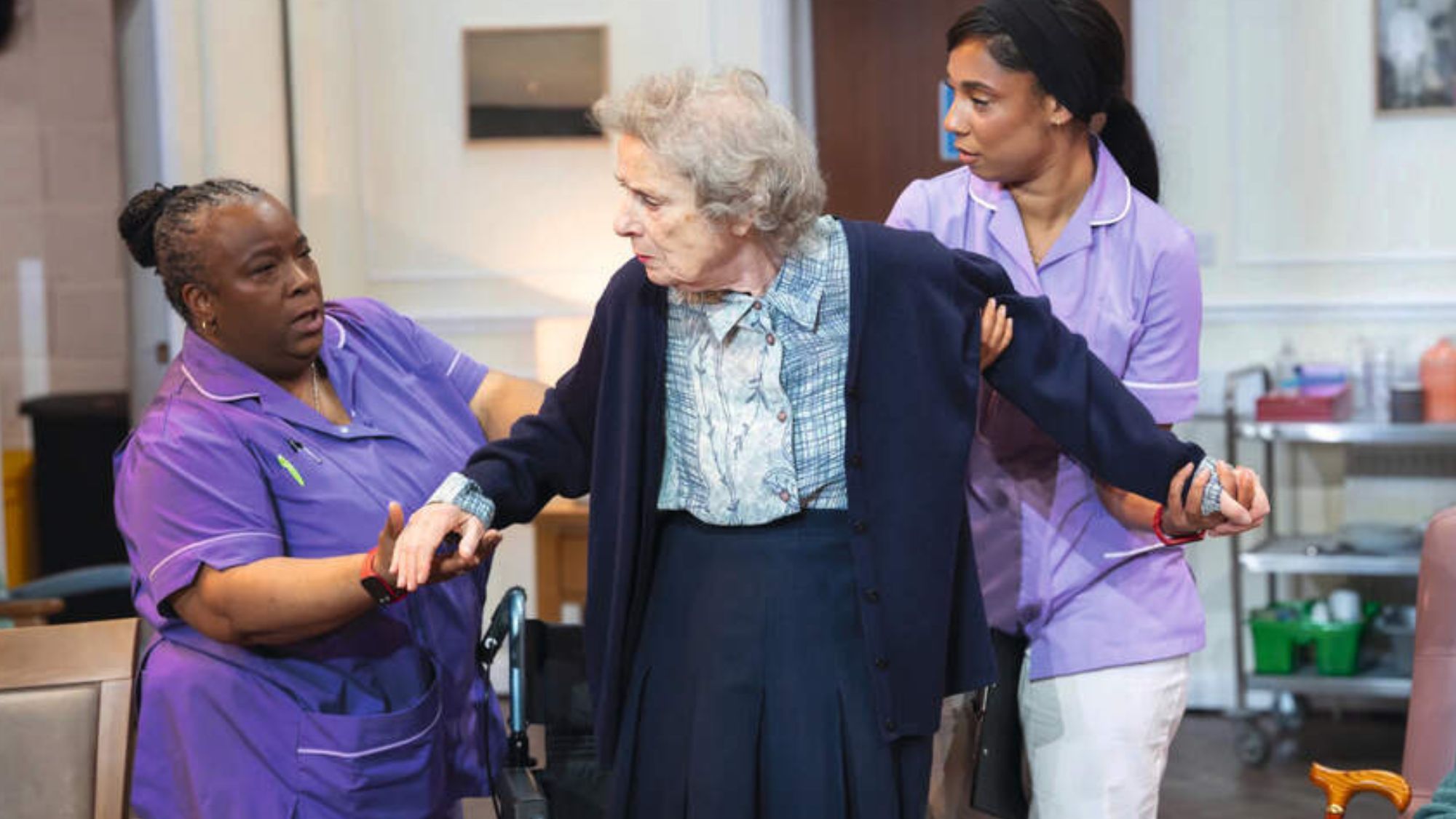
     

    Image credits, from top: Johan Persson; TCD / Prod.DB / Alamy; Fourth Estate; TV Times / Getty Images

    Recent editions

    • Evening Review

      Did Trump’s cuts spur the Ebola spread?

    • Morning Report

      Decision time on Iran

    • Evening Review

      The AI data center backlash

    VIEW ALL
    TheWeek
    • About Us
    • Contact Future's experts
    • Terms and Conditions
    • Privacy Policy
    • Cookie Policy
    • Advertise With Us
    • FAQ
    Add as a preferred source on Google Add as a preferred source on Google

    The Week is part of Future US Inc, an international media group and leading digital publisher. Visit our corporate site.

    © Future US, Inc. Full 7th Floor, 130 West 42nd Street, New York, NY 10036.