The Week The Week
flag of US
US
flag of UK
UK
https://cdn.mos.cms.futurecdn.net/flexiimages/jacafc5zvs1692883516.jpg

SUBSCRIBE & SAVE

Less than $3 per week

Sign in
  • View Profile
  • Sign out
  • The Explainer
  • The Week Recommends
  • Newsletters
  • Cartoons
  • From the Magazine
  • The Week Junior
  • Student Offers
  • More
    • Politics
    • World News
    • Business
    • Health
    • Science
    • Food & Drink
    • Travel
    • Culture
    • History
    • Personal Finance
    • Puzzles
    • Photos
    • The Blend
    • All Categories
  • Newsletter sign up Newsletter
  • Brand Logo
    Trump’s new tariffs, lawmaker killer sentenced and Saudi nuclear deal teeters

     
    TODAY’S Trade story

    US imposes new tariffs on 60 trading partners

    What happened
    Undeterred by Supreme Court rulings rejecting his tariff regime, President Donald Trump yesterday launched a new workaround to continue taxing foreign imports. Under the new scheme, which replaces an expiring near-blanket 10% duty, the United States will introduce new tariffs of 12.5% on goods from trading partners, including China and Japan, that have allegedly failed to impose or enforce bans on goods produced with forced labor. Those deemed to have taken steps against forced labor, such as Britain and the European Union, qualify for a lower 10% rate. Goods from the 60 affected trading partners make up 99.4% of U.S. imports. 

    Who said what
    “The real message here that everyone needs to take away is the president is going to always use the tools at his disposal to achieve his trade policy objectives,” a White House official told reporters yesterday. But “Trump’s new tariffs are angering voters,” said Megan Messerly and Daniel Desrochers at Politico. This latest move will only serve to “aggravate Americans who were already blaming the tariffs for stubborn inflation ahead of a midterm election dominated by economic issues.”

    Trump has also “once again inspired anger and confusion in U.S. allies and trading partners,” said The Guardian. “Many officials” argued that the “rationale was hard to swallow.”  

    What next?
    The tariffs are expected to face fresh legal challenges and risk in-kind retaliation. “Everything is on the table,” Canadian Prime Minister Mark Carney said after meeting with his provincial and territorial counterparts yesterday to discuss a response.


    TODAY’S crime story

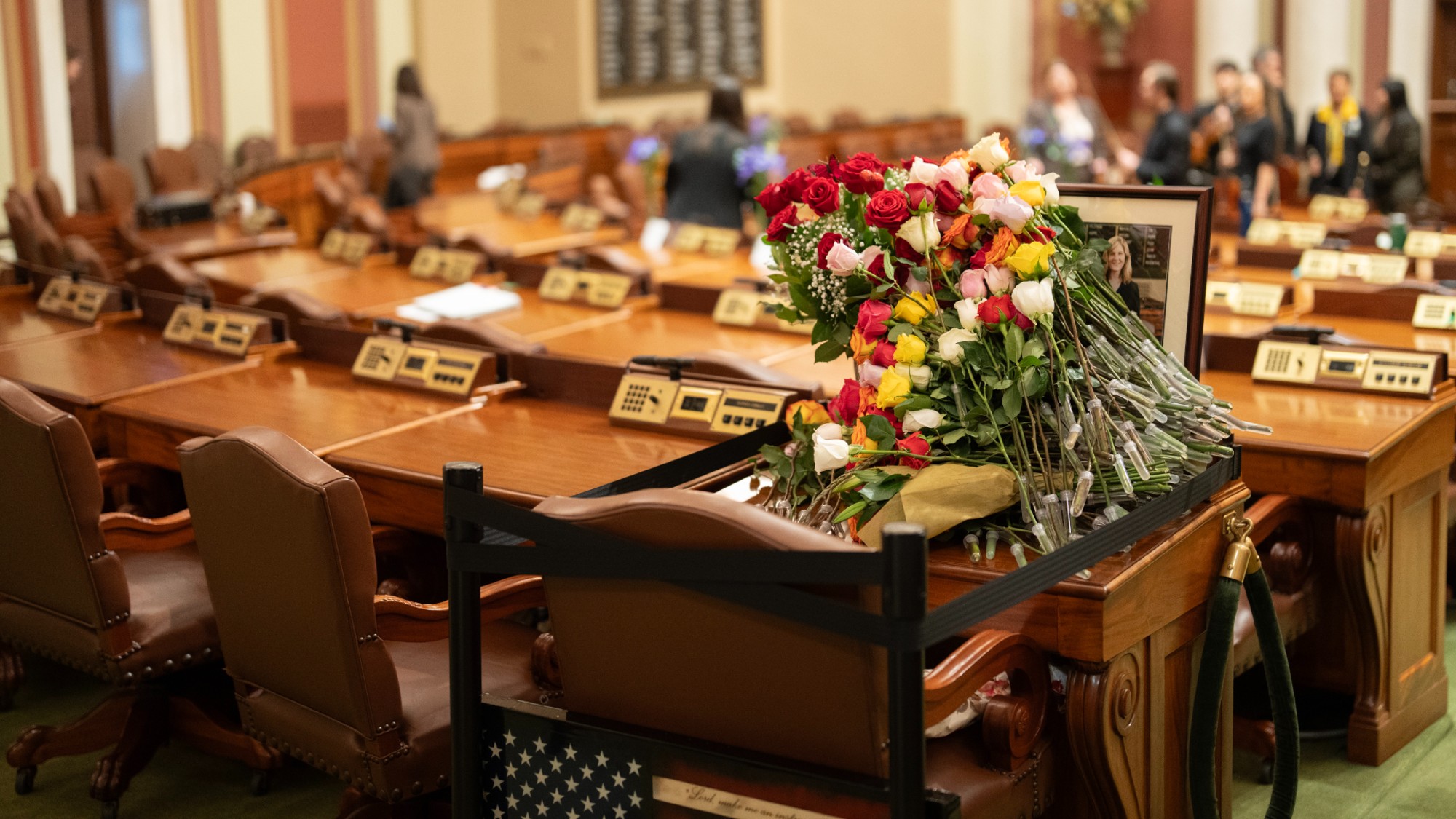
    Minnesota man gets two life terms for political killings

    What happened
    Vance Boelter, the man who assassinated former Minnesota House Speaker Melissa Hortman and her husband at their home last summer, was sentenced yesterday to two life terms plus 40 years in prison. Boelter, 59, who also shot and critically injured state Sen. John A. Hoffman (D) and his wife, pleaded guilty last month to federal charges “so federal prosecutors would not seek the death penalty,” said The Associated Press. 

    Who said what
    Boelter’s attacks “raised nationwide alarm” about “rising political violence,” said The Washington Post. His is the “longest sentence I have imposed,” said Judge John Tunheim yesterday, “but I do believe it is deserved.” 

    “No sentence can do justice for the horrific and unconscionable acts this monster perpetrated,” members of the Hoffman family said in a statement to The Minnesota Star Tribune. We must “start leading with kindness in grace in our public dialogue.”

    What next?
    With his federal case over, Boelter “will soon face accountability in a Hennepin County courtroom” on state charges, Hennepin County Attorney Mary Moriarty said in a statement. Boelter is scheduled to appear in court on August 3. 


    TODAY’S INTERNATIONAL STORY

    Saudi nuclear deal on brink as Trump adds Israel caveat

    What happened
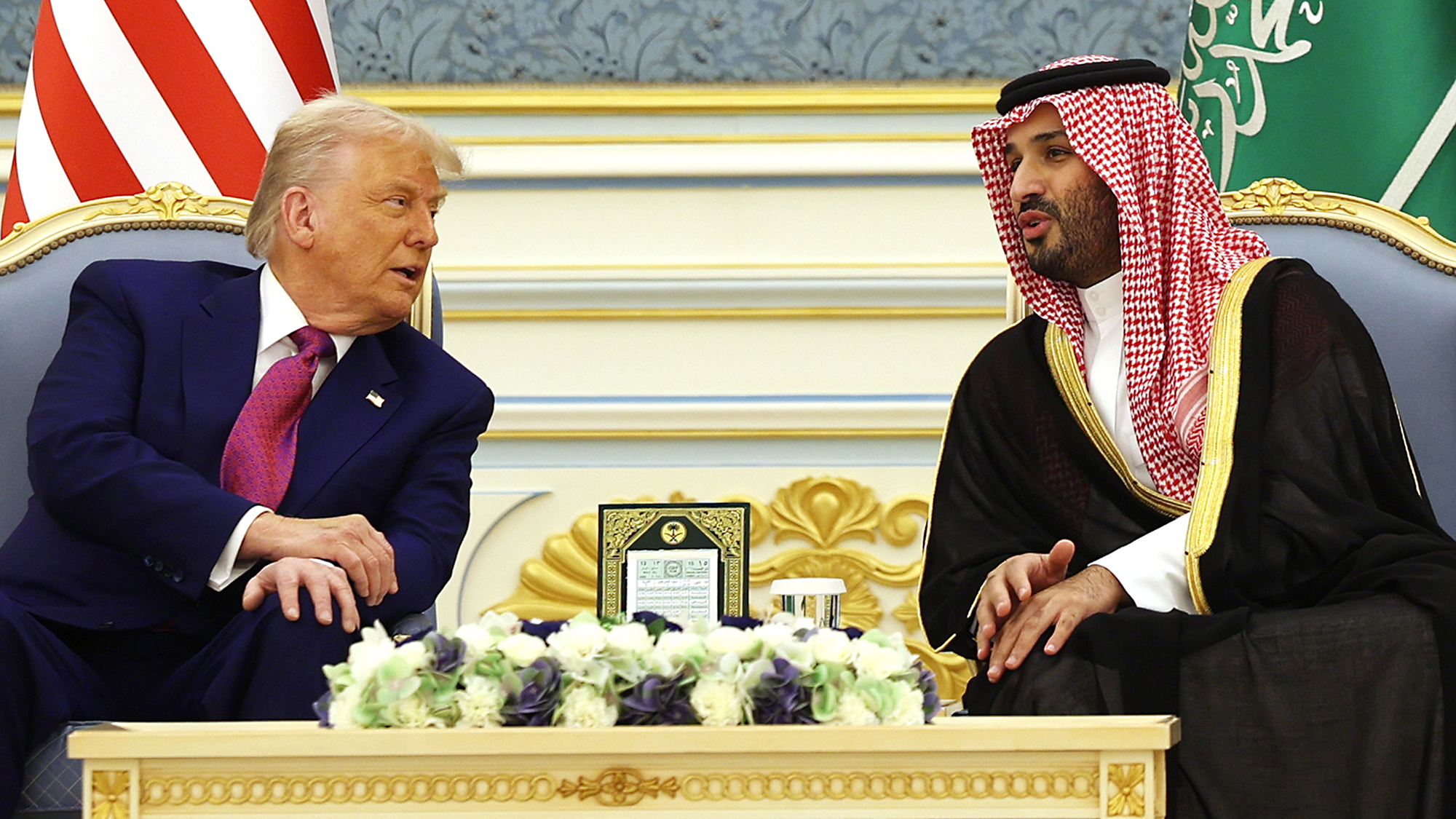
    The US-Saudi nuclear cooperation agreement signed on Wednesday was thrown into uncertainty yesterday after President Donald Trump said the deal would depend on Saudi Arabia establishing diplomatic ties with Israel. In a post on Truth Social, Trump warned that the agreement allowing Riyadh to pursue civilian nuclear power using U.S. technology was “totally subject to Saudi Arabia joining the very respected and successful Abraham Accords,” the initiative that normalised relations between Israel and several Arab states during his first term. The condition was not specified when the deal was announced.

    Who said what
    Trump’s White House “had faced down considerable political opposition to push forward with the Saudi deal,” said Michael Birnbaum and Evan Halper at The Washington Post. By highlighting caveats to the agreement, said Barak Ravid at Axios, Trump is “responding to two of the bigger criticisms: That it could open the door to nuclear enrichment and that Washington gave up leverage to push a peace deal with Israel.” 

    Israeli Prime Minister Benjamin Netanyahu welcomed the new condition as a “historic leap for peace.” Saudi officials have previously resisted linking nuclear cooperation to recognition of Israel.

    What next?
    “It is unclear,” said CNN, “what impact Trump’s social media missive will have on the signed agreement,” which is expected to be submitted to Congress for review. 


    It’s not all bad

    After growing up in a family that relied on food banks, Alyssa Curtis founded Shame Free Collective, a nonprofit that operates pantries stocked with food, hygiene and baby care items to take “without payment or judgment,” said Today. Curtis is now building her 21st pantry and is mindful of what needs to go in it; during summer, water and Gatorade are especially helpful, and beef jerky is great for someone living in their car. “Everybody should have food with dignity,” said Curtis.


    Under the radar

    ‘Bhajan clubbing’ is bringing spirituality to the club scene

    In a growing movement in India, young people have opted to trade alcohol and house music for chai and devotional music. Bhajan clubbing has brought Hindu tradition to the dance floor, providing a sober and spiritual nightlife experience. 

    Bhajans are a form of “devotional singing performed in temples, religious processions and community spaces across India,” said CNN. These centuries-old Hindu hymns have gotten a revamp all across India, as there has been a rise in “ticketed events held in large venues, complete with smoke machines and giant LED screens.” Today’s social climate is likely the reason for Gen Z’s rise in spirituality. Living “under conditions of climate anxiety, economic precarity, digital hypervisibility and constant comparison, the desire for grounding is hardly surprising,” said Vogue India. 

    Critics of bhajan clubbing claim that it “raises uncomfortable questions about the commercialization of faith,” said The Indian Sun. For those who grew up with Bhajans, turning “devotion into a party and calling it clubbing could be disrespectful, hurt certain sentiments and dilute the whole objective,” Nirvaan Birla, the founder of Sounds for the Soul and managing director of Birla Open Minds, said to Vogue India. 

    Despite the criticism, supporters argue that the “gatherings represent a form of devotion untethered from rigid rituals and the gatekeeping normally associated with temples or religious processions,” said CNN. “Rather than rejecting Indian tradition,” said The Economic Times, “Gen Z is reshaping it in an innovative format.”


    On this day

    July 24, 1911

    American explorer Hiram Bingham located the ruins of Machu Picchu, an ancient Inca settlement in Peru. While the find was called a “discovery” in Western media at the time, the ruins had been well known to the Indigenous Peruvians for years. Today, Machu Picchu receives about 1.5 million visitors annually. 


    TODAY’S newspaperS

    ‘Congress divided’

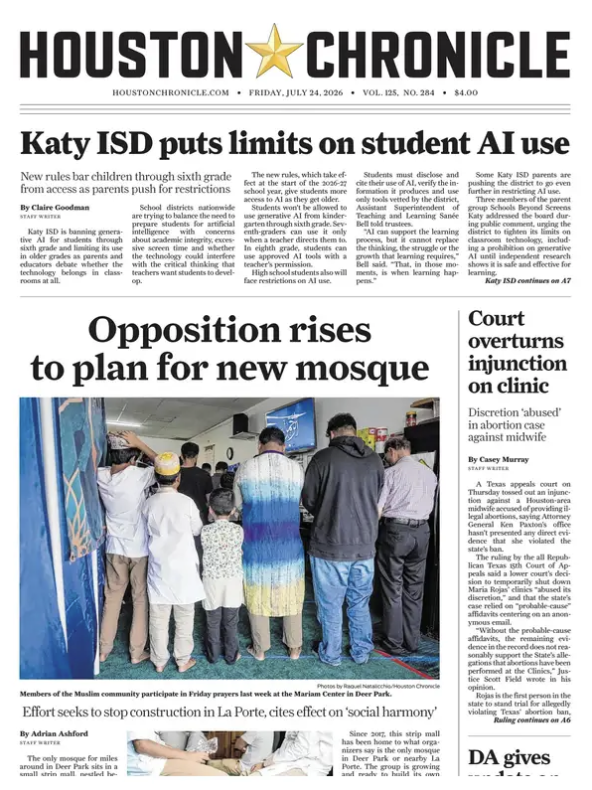
    “Congress divided over war in Iran,” The Palm Beach Post says on Friday’s front page, as lawmakers take “public stance ahead of elections.” Trump “demands Saudis establish ties with Israel in “nuclear deal caveat,” says The New York Times. “Opposition rises to plan for new mosque” in La Porte, says the Houston Chronicle. “Student loan defaults rise” as “repayment plans change,” says The Dallas Morning News. 

    ► See the newspaper front pages


    Tall tale

    What goes around …

    Police in Maryland say a man was burglarizing a Verizon store when his own car was stolen from across the street. Howard County Police Department officers began to “connect the dots” after spotting blood both on the broken store window and on the man’s glasses, said Fox 5. “That’s some karma right there, dude,” an officer is heard saying in body camera footage. The man, who denied breaking into the store, has been charged with burglary, theft and destruction of property.


    Morning Report was written and edited by Helen Brown, Nadia Croes, Catherine Garcia, Scott Hocker, Justin Klawans, Arion McNicoll, Chas Newkey-Burden, Rafi Schwartz and Kari Wilkin, with illustrations by Stephen Kelly and Julia Wytrazek.

    Image credits, from top: Win McNamee / Getty Images; Alex Kormann / The Minnesota Star Tribune / Getty Images; Win McNamee / Getty Images; Illustration by Julia Wytrazek / Getty Images 
     

    Recent editions

    • Evening Review

      Closing the Bab al-Mandab Strait

    • Morning Report

      Trump, Tehran and Yemen escalate Iran conflict

    • Evening Review

      Is the US ready to be a soccer nation?

    VIEW ALL
    TheWeek
    • About Us
    • Contact Future's experts
    • Terms and Conditions
    • Privacy Policy
    • Cookie Policy
    • Advertise With Us
    • FAQ
    Add as a preferred source on Google Add as a preferred source on Google

    The Week is part of Future US Inc, an international media group and leading digital publisher. Visit our corporate site.

    © Future US, Inc. Full 7th Floor, 130 West 42nd Street, New York, NY 10036.