The Week The Week
flag of US
US
flag of UK
UK
https://cdn.mos.cms.futurecdn.net/flexiimages/jacafc5zvs1692883516.jpg

SUBSCRIBE & SAVE

Less than $3 per week

Sign in
  • View Profile
  • Sign out
  • The Explainer
  • The Week Recommends
  • Newsletters
  • Cartoons
  • From the Magazine
  • The Week Junior
  • Student Offers
  • More
    • Politics
    • World News
    • Business
    • Health
    • Science
    • Food & Drink
    • Travel
    • Culture
    • History
    • Personal Finance
    • Puzzles
    • Photos
    • The Blend
    • All Categories
  • Newsletter sign up Newsletter
  • Sunday Shortlist, from The Week
    Nolan’s ‘mythic spectacle’, and an exhibition staged with ‘flair’

     
    FILM REVIEW

    The Odyssey 

    Filmmaking ‘at a magnitude’ few directors could imagine

    Christopher Nolan is “hardly a stranger to ambition”, said John Nugent on Empire. His first major film, “Memento”, told its story in two sequences: one that moved forward in time; the other backwards. Since then, he has tackled wars, “dreams, wormholes, the nuclear apocalypse and Victorian teleportation machines”. But his adaptation of Homer’s “Odyssey” – the 8th-century BC Greek poem that is the definition of epic – may be his most ambitious yet.

    The first feature to be shot entirely on giant Imax 70mm cameras, it is “jaw-detaching” in its scope and scale. Plunging the viewer into a world of both “divine fantasy and grounded realism”, this is filmmaking “at a magnitude” few directors could imagine, let alone execute.

    Nolan has produced a “mythic spectacle” that honours its ancient source material, “while also addressing more topical themes of exile, war trauma and survivor’s guilt”, said Wendy Ide in The Observer. 

    Like the poem, the film unfolds in multiple timelines. The present-day framing takes place on the island where an exhausted Odysseus (Matt Damon, pictured above with Zendaya as Athena) washed up 10 years after the siege of Troy, and is now held captive by the nymph Calypso (Charlize Theron).

    In the same time frame, we meet his sad queen Penelope (Anne Hathaway) who – back in Odysseus’ home on Ithaca – is being besieged by “power-hungry suitors”, including Antinous (a marvellously venomous Robert Pattinson), while her restless son Telemachus (Tom Holland) waits for the return of the father he has never known. Incidents from the previous decade are then woven in as Odysseus recovers his battered memory: his Trojan Horse deception, and his adventures in the years after that, including an encounter with the enchantress Circe (Samantha Morton), and a diversion through Hades.

    Nolan has conjured some “tremendous” scenes, said Deborah Ross in The Spectator, some of which would not be out of place in a horror film (the giant Polyphemus is “truly terrifying”). I had my doubts about Damon’s casting, but, in the end, he does make you care about the man broken by the years he has lost. And though some may find the modern speech jarring, what’s the alternative? We’d struggle if they spoke in ancient Greek.

    But for two hours the film is just set-piece after set-piece, backed by a deafening score, which becomes rather wearying. Yes, it’s short on jokes, said Kevin Maher in The Times; but “The Odyssey” – with its extraordinary cinematography and big ideas “about the impossibility of home” and “the absurdity of heroic individualism in a boundless universe” – is a masterpiece nonetheless.


    EXHIBITION REVIEW

    Ana Mendieta at Tate Modern 

    Landmark retrospective packed with ‘raw, timely works’

    Ana Mendieta “made art from blood, feathers, flowers and sand and in such fresh ways, you’d think these primeval substances were new inventions”, said Jonathan Jones in The Guardian. “She literally played with fire, drawing a human figure with gunpowder on the ground or on the trunk of a tree, then setting it alight”; the resulting scorched shadows bring to mind the victims of a nuclear bomb or the dead of Pompeii.

    Mendieta was born in Cuba in 1948 and, when the revolution came, she was sent to the US, where she always felt like an outsider. “Home, for her, was the past”, and she made it her mission to “excavate the very origins of art and mythology”.

    She worked in many disciplines: painting, film, photography, performance, sculpture. She used “organic matter”: a human silhouette made of flowers; a hand imprint in a muddy wasteland, a fertility goddess figure carved in limestone. Her art is “irresistible”, and creates “a personal mythology… as weirdly coherent as William Blake’s”.

    If she had lived longer, Mendieta would have been “at the forefront of the art of this century”. But in 1985, aged only 36, she died – falling from the balcony of her 34th-floor apartment in New York, in suspicious circumstances. Her husband, artist Carl Andre, was tried for murder, and acquitted.

    The show is packed with “raw, timely works”, said Chloë Ashby in The Independent. They “compel us to pay attention to the natural world”. Scattered throughout are pieces from her Silueta Series, begun in 1973. Many of these are photographs, documenting the artist’s practice of stamping human silhouettes into mud and observing as “weeds and brambles” or other growths rendered them invisible.

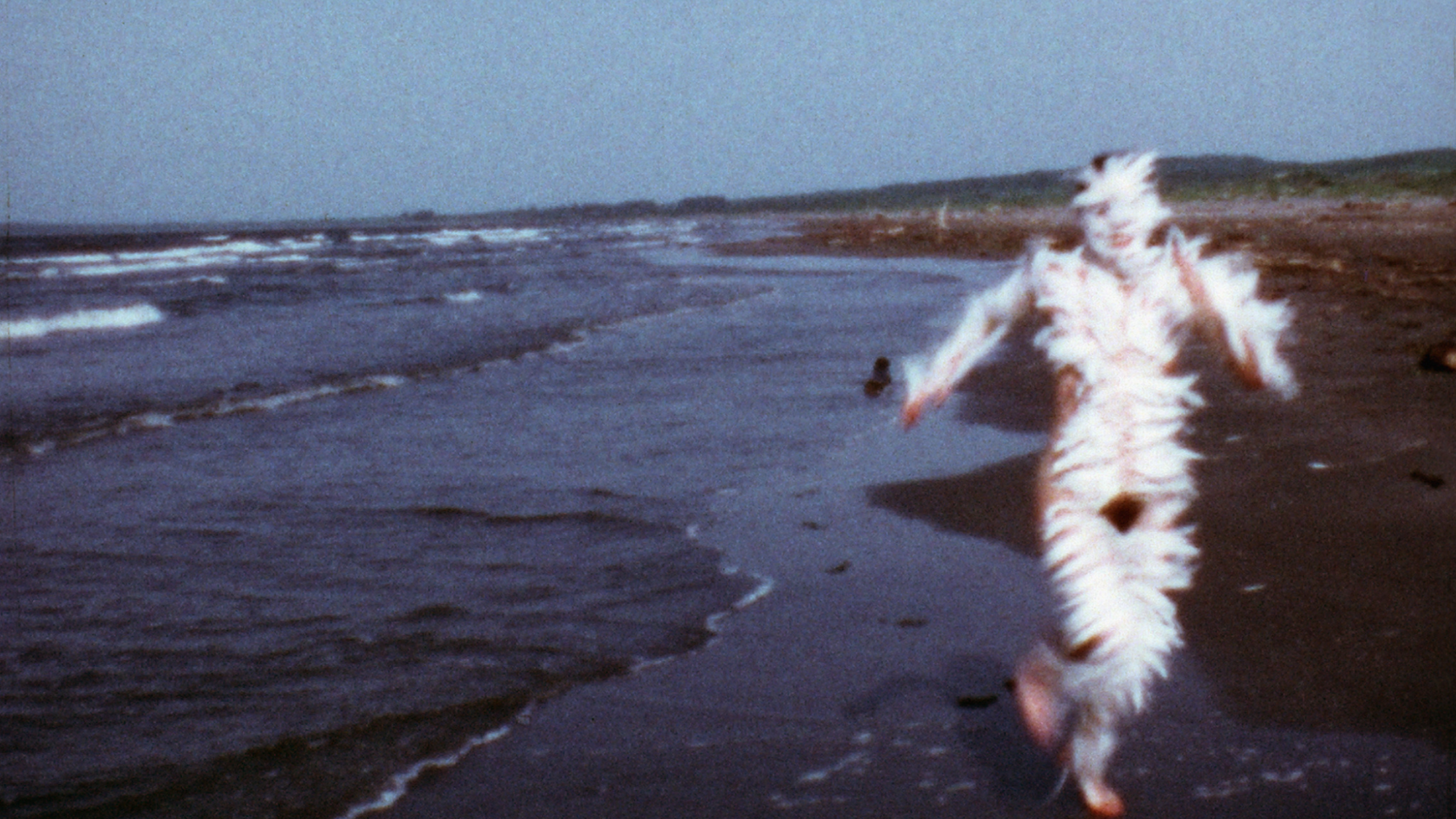
    Elsewhere, a famous video sees the artist next to a stream, “pouring a pail of cow’s blood over her body”. Blood spilling from her limbs, she lies down in “a mass of soft white chicken feathers”. When she stands, she is “a woman transformed: part-human, part-bird, bizarrely and brilliantly engaged with nature”.

    Many of Mendieta’s concerns – “feminism, environmentalism, anti-colonialism” – resonate today, said Alastair Sooke in The Telegraph. Yet this is not a show about “identity politics”. It is, rather, “filled with a rich visual poetry” that is “both forceful and fragile”.

    One photograph from the Silueta Series, for instance, sees a human outline half buried on a hillside, “arms clamped by its sides in the manner of an Egyptian mummy”. Another sees Mendieta herself deep in a rocky cavity, as if consumed by the wildflowers sprouting around her.

    The exhibition doesn’t make a martyr of her: Andre is barely mentioned, and this is for the best. Staged with “flair” and “sensitivity”, it crackles with “a sense of pagan magic” – and it’s by far the best show Tate Modern has mounted this summer.

    Tate Modern, London SE1. Until 17 January


    ALBUM REVIEW

    Nia Archives: Emotional Junglist

    This terrific second album from the Bradford-born producer, DJ and songwriter is packed with tales of love and heartbreak. “Drum ’n’ bass rhythms power up angsty odes with shades of Arctic Monkeys, Kate Nash and myriad genres”, said The Guardian. 


    BOOK OF THE WEEK

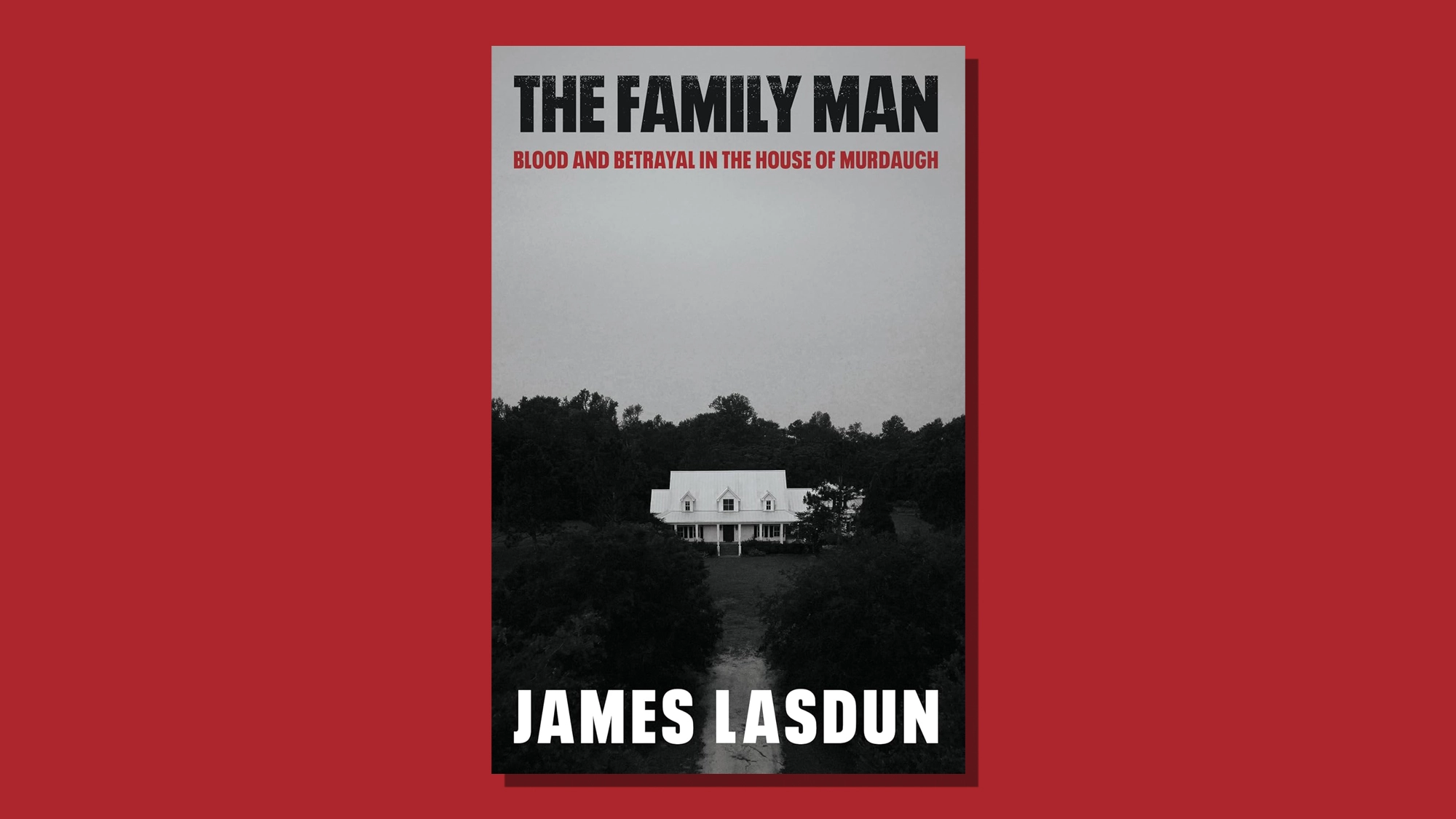
    The Family Man

    by James Lasdun

    In 2023, the South Carolina lawyer Alex Murdaugh was convicted of murdering his wife, Maggie, and 22-year-old son Paul. The pair had been shot at the family’s hunting estate; Murdaugh claimed to have discovered the bodies after returning from a visit to his mother.

    It’s not hard to see why the case “gripped America”, said Robbie Millen in The Times. It involved the “privileged and powerful” – the Murdaughs were big cheeses in the South Carolina Lowcountry – and the man himself, known as “Big Red”, didn’t seem the murdering type: he appeared to be a “loving husband and doting father” with a charming “down-home manner”.

    Yet, as the novelist James Lasdun shows in this “elegant and intelligent” book, Murdaugh was in fact a fraudster who swindled millions out of clients and law firm colleagues, and was addicted to opioid painkillers. In “Family Man”, Lasdun does a “skilful job of juggling all the elements of the story, which takes some dark and ludicrous turns”.

    Prosecutors claimed Murdaugh was driven to murder because his financial deceptions were about to be revealed, said Kathryn Hughes in The Guardian. They said he believed that no one would launch proceedings against him while he was dealing with a “tragedy of such biblical proportions”.

    At first, Lasdun was sceptical of this theory, refusing to believe that a man with no history of domestic violence could “bring himself to shoot loved ones merely to delay his own imminent financial exposure”. Yet in his “meticulous” retelling – the “prose is pure pleasure” – Lasdun comes to accept that “Big Red” was probably guilty, despite never reaching an “iron-clad conclusion”.

    “More than 10 books about the Murdaughs have been published to date”, and HBO and Netflix have both released miniseries about the killings, said Orlando Whitfield in The New York Times. Lasdun “does not pretend to reveal new evidence about the murders”; instead, he relays the tale of the “fall of the house of Murdaugh” in often “staggering” detail.

    While, at times, this threatens to become overwhelming, his approach does “illuminate, to devastating effect”, how the case encompassed many of the “direst aspects of contemporary American life: opioid addiction, litigiousness, brazen mendacity”. And the final chapters are “stunning”. Even now, “there’s more to come”, said Millen in The Times. This May, Murdaugh’s conviction was overturned on appeal, owing to jury interference. A retrial is expected. “I can’t wait to read Lasdun’s musings in an updated paperback.”


    OBITUARY

    Sam Neill  

    Versatile actor who starred in Jurassic Park and The Piano

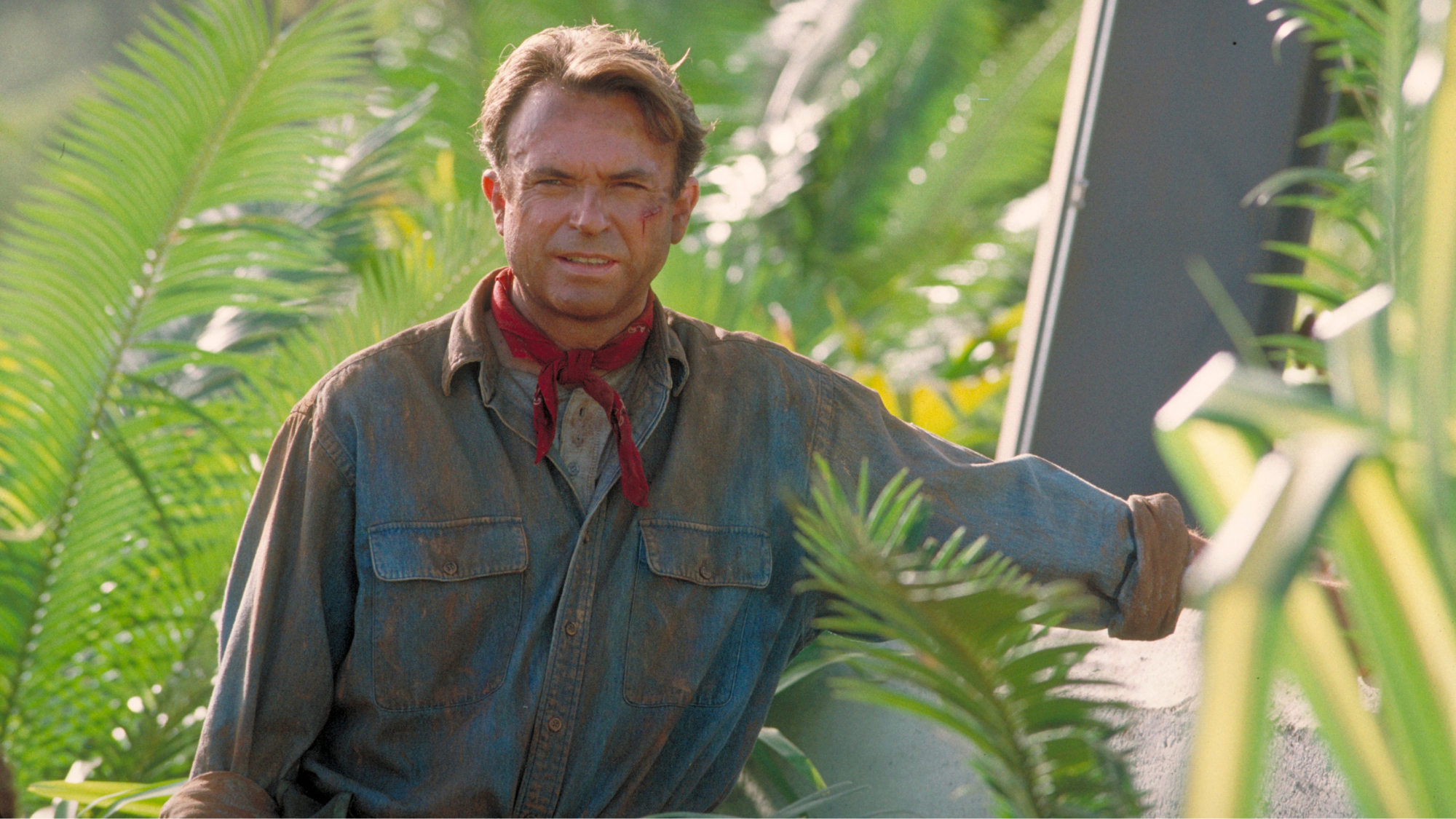
    Ruggedly handsome and highly versatile, Sam Neill was catapulted to Hollywood stardom in 1993 when he was cast as Alan Grant, the palaeontologist in Steven Spielberg’s “Jurassic Park”. One of the biggest box-office hits of all time, it remains the film for which he is most widely known, said The Telegraph, yet remarkably, it was not the only seminal movie in which he starred that year. Neill, who died of pneumonia last week, aged 78, also had a leading role in Jane Campion’s arthouse sensation “The Piano”. Set in his home country of New Zealand, it won numerous prizes, including three Academy Awards and the Cannes Palme d’Or, and, though none went to him, he was immensely proud of having been involved in it. “I don’t think I can overestimate how important ‘The Piano’ is for me in hindsight,” he wrote in 2023. “It sits on my funny old CV like a medal on my chest.”

    Nigel John Dermot Neill was born in Northern Ireland in 1947, to a New Zealand-born father, who was serving in the British Army, and an English mother. When he was eight, the family relocated to New Zealand – where he changed his name to Sam. He had struggled with the move, and his birth name, he said, had proved to be “a little too effete for a New Zealand playground”. By contrast, Sam “sounds a bit blokey and has a touch of the Labrador about it”. He started acting at school and, after leaving university, he joined a theatre troupe. In 1977, he won a role in “Sleeping Dogs”, set in a dystopian future in which New Zealand is at war. It was the first New Zealand-made feature film to have a theatrical release in the US, and led to him being cast opposite Judy Davis in “My Brilliant Career” (1979). Not long after that, he picked up the phone and heard a voice that sounded strangely familiar. It was James Mason, ringing from his home in Switzerland. He and his wife, Mason explained, had been so impressed by Neill’s performance, they were sending him an airline ticket so that he could join them in Europe, and meet Mason’s agent. With Mason as his mentor, Neill was soon in London, making his first Hollywood film, “Omen III” (1981).

    Later in that decade, he turned down the part in “Die Hard” that made Alan Rickman an international star – but then starred with Nicole Kidman in the thriller “Dead Calm”, which attracted Spielberg’s attention, and led to him being cast in “Jurassic Park” (and two sequels). He was briefly in contention to be the next James Bond but, by the mid-1990s, he had settled into playing a wide range of supporting roles. One moment, he was Charles II in “Restoration” (1995), said The Guardian; the next he was “gouging his own eyes out in the science-fiction horror ‘Event Horizon’ (1997)”. Notable later roles included the curmudgeonly farmer who escapes into the bush with his teenage foster son in Taika Waititi’s “Hunt for the Wilderpeople” (2016), and a tough cop in “Peaky Blinders”.

    During Covid lockdowns, he entertained himself and cheered up fans by posting offbeat videos made at his farm in New Zealand, where he ran a respected winery and kept a menagerie of animals named after his co-stars; they included a hen called Meryl Streep. After being diagnosed with blood cancer in 2022, he wrote a memoir. “Typical of its self-deprecating tone” was his tale of getting a Porsche and taking it for a spin around London early one morning, only to be spotted at a red light by Australian actor Judy Davis, who tapped on the window and said sternly: “No, Sam. No. Not you, Sam.” Separated from his wife, Noriko Watanabe, he is survived by his four children. He rarely discussed his private life, but had recently told an interviewer that he hoped to be remembered as a kind person. “My exterior is undoubtedly Sam the New Zealander,” he wrote in his memoir. “You might even recognise him. But inside, somewhere very deep, there lives a small shy boy who sounds very different, and his name is not Sam. It is Nigel.”

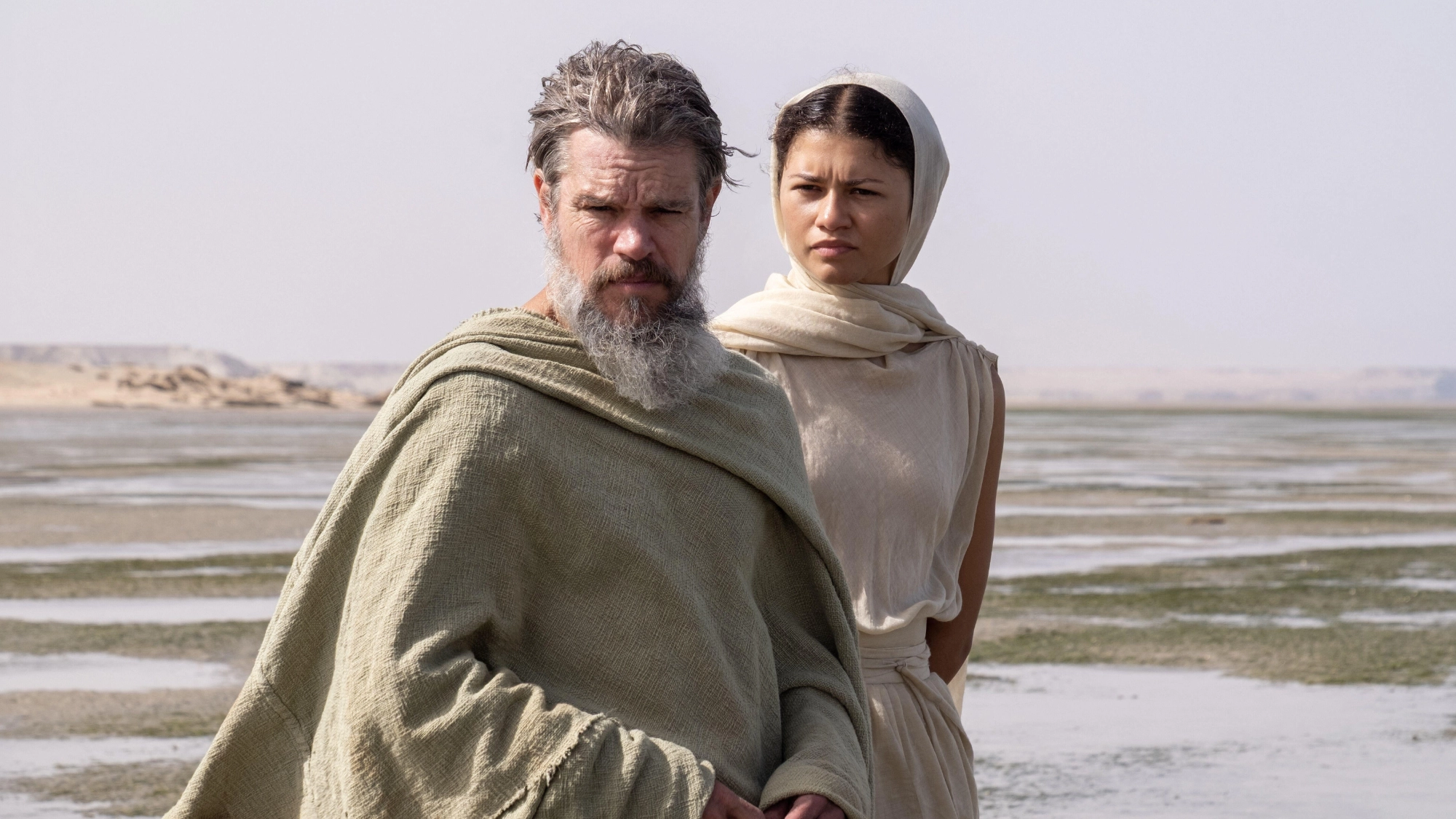


    Image credits, from top: Syncopy Production / Universal Pictures / Album / Getty; The Estate of Ana Mendieta Collection. Courtesy Marian Goodman Gallery and Alison Jacques London; Jonathan Cape; Murray Close / Getty
     

    Recent editions

    • Evening Review

      Ukraine’s internal war

    • Morning Report

      Trump launches new tariff push

    • Evening Review

      Closing the Bab al-Mandab Strait

    VIEW ALL
    TheWeek
    • About Us
    • Contact Future's experts
    • Terms and Conditions
    • Privacy Policy
    • Cookie Policy
    • Advertise With Us
    • FAQ
    Add as a preferred source on Google Add as a preferred source on Google

    The Week is part of Future US Inc, an international media group and leading digital publisher. Visit our corporate site.

    © Future US, Inc. Full 7th Floor, 130 West 42nd Street, New York, NY 10036.