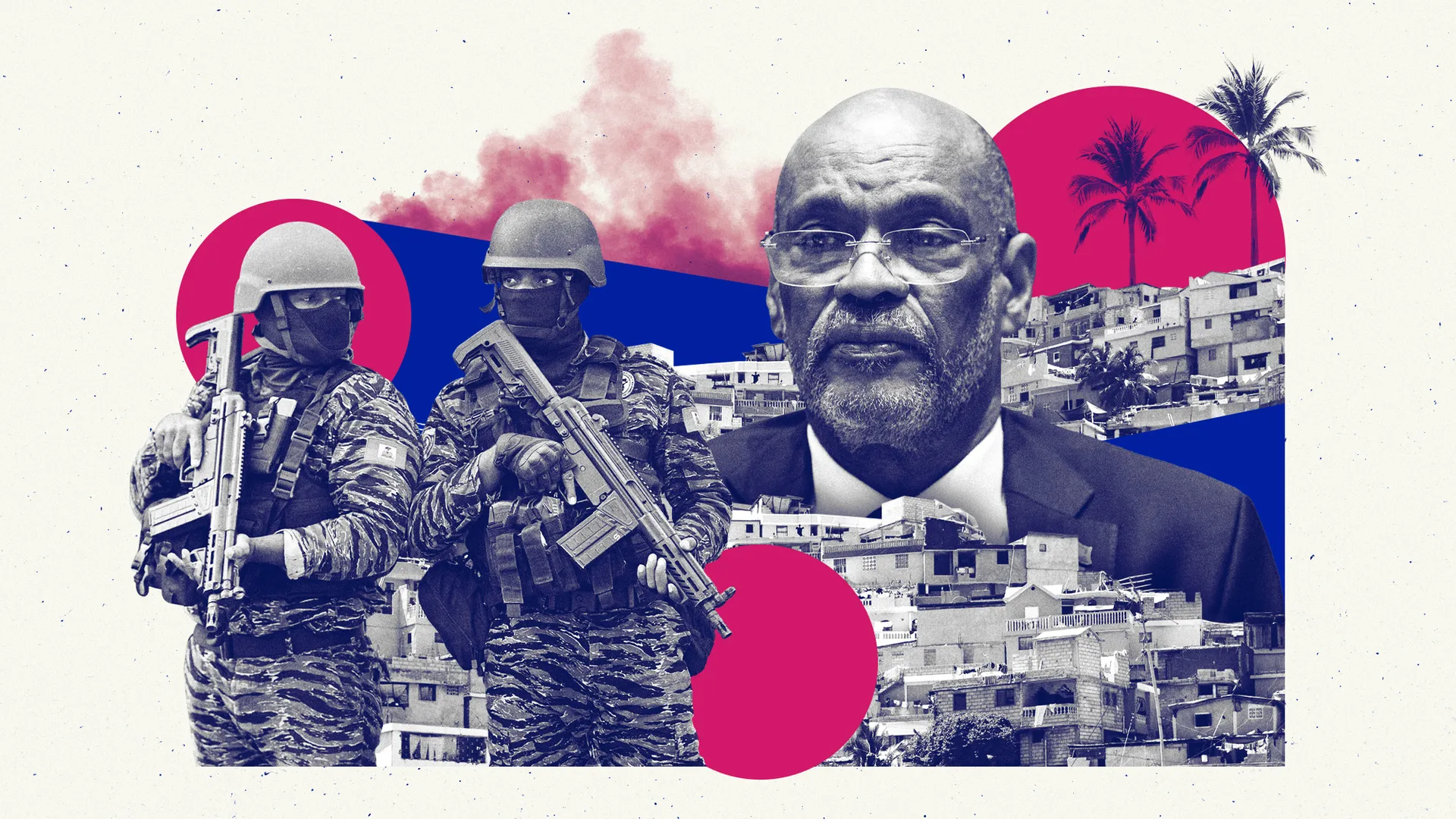
Haiti has declared a 72-hour state of emergency after armed gangs stormed the country's largest prison and freed up to 3,700 inmates this weekend. At least 12 people were killed during the jailbreak from the National Penitentiary in the capital, Port-au-Prince, where detainees included gang members charged in connection with the 2021 killing of President Jovenel Moise. The assassination sparked ongoing unrest in the impoverished Caribbean country.Â
The jailbreak came after Prime Minister Ariel Henry traveled to Nairobi to discuss sending a Kenya-led multinational security force to Haiti. In response, gang leader Jimmy Chérizier, nicknamed Barbecue, declared a coordinated attack aimed at bringing down the government.Â
What did the commentators say?Â
With no president or elected national officials, gangs have "seized control of much of Port-au-Prince" and "terrorize thousands of people every day," said The New York Times. Haiti's police union had asked the military to help reinforce the capital's main prison before the compound was stormed late on Saturday. Exactly how many prisoners escaped was not confirmed, but "sources close to the institution say it is likely to be an 'overwhelming' majority," said Sky News. The prison in Port-au-Prince was built to house 700 prisoners but held 3,687 as of February last year, according to rights group Réseau National de Défense des Droits Humains.Â
What next?Â
"It is unclear whether an international police force led by Kenya, which has drawn criticism from human rights groups, could help check the violence," said The New York Times. Many point to Henry as the problem. Under a political deal concluded after Moise's assassination, he was supposed to cede power by February 7. But Henry argued that security must first be reestablished to ensure free and fair elections.Â
The political vacuum, combined with "anger at the shocking levels of violence," has led to several demonstrations against the government, said BBC. Haiti's economy and public health system are also "in tatters." The country can no longer cope with the situation, said Chérizier. With no leader, no food and no security, the "population is tired," the gang leader said. "It can't take it anymore." |