The Week The Week
flag of US
US
flag of UK
UK
https://cdn.mos.cms.futurecdn.net/flexiimages/jacafc5zvs1692883516.jpg

SUBSCRIBE & SAVE

Less than $3 per week

Sign in
  • View Profile
  • Sign out
  • The Explainer
  • The Week Recommends
  • Newsletters
  • Cartoons
  • From the Magazine
  • The Week Junior
  • Student Offers
  • More
    • Politics
    • World News
    • Business
    • Health
    • Science
    • Food & Drink
    • Travel
    • Culture
    • History
    • Personal Finance
    • Puzzles
    • Photos
    • The Blend
    • All Categories
  • Newsletter sign up Newsletter
  • The Week Evening Review
    The next head of the Fed, rethinking presidential pardons, and a looming drone ban

     
    TODAY’S BIG QUESTION

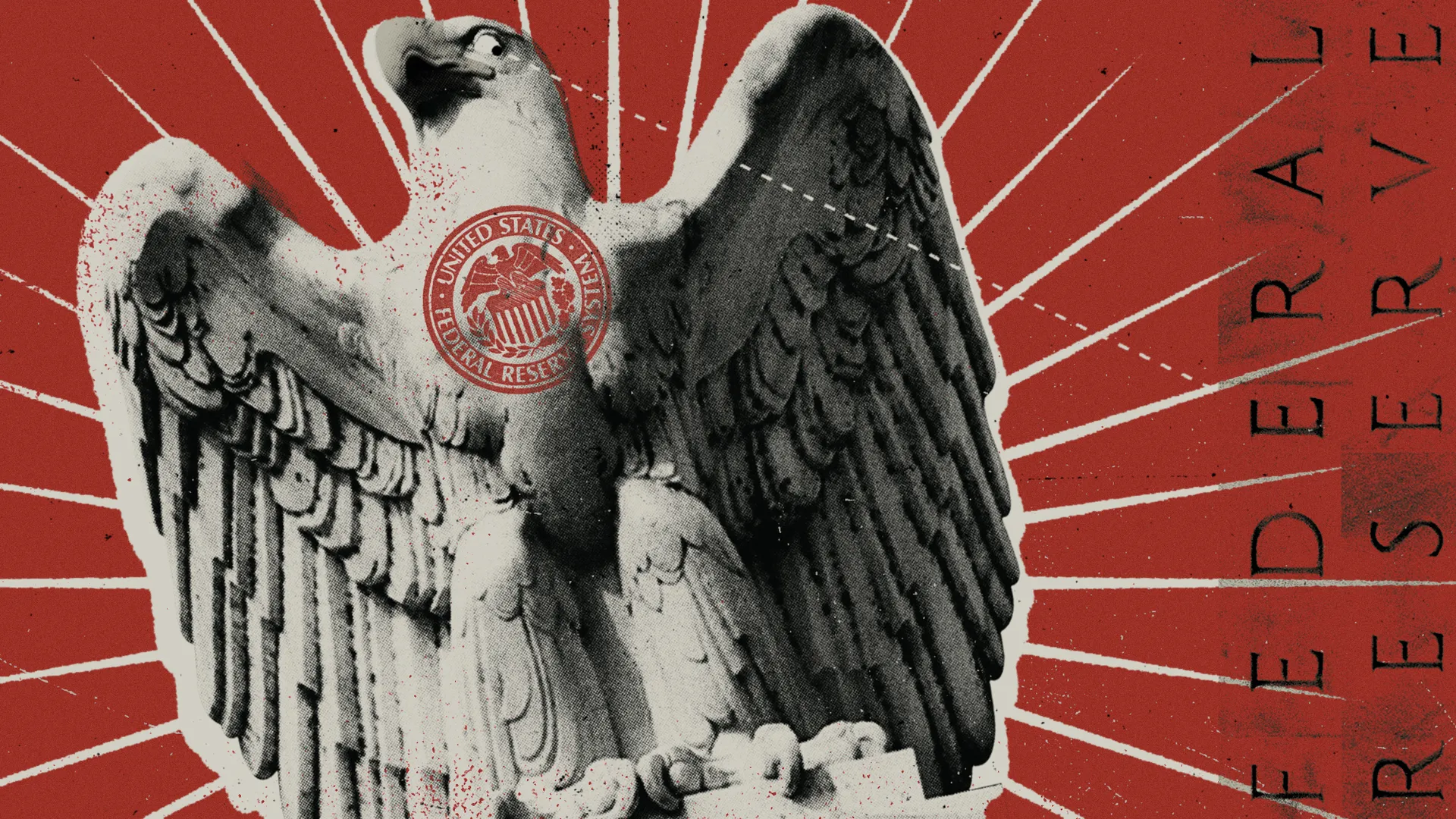
    Who will be the next Federal Reserve chair?

    President Donald Trump says he has chosen the next chair of the Federal Reserve, but he’s not yet naming names publicly. National Economic Council Director Kevin Hassett is widely expected to be the nominee, said Axios. “I’m not telling you; we’ll be announcing it,” Trump said to reporters. The next chair will replace Jerome Powell, who has faced “months of complaints and demands” from Trump to bring interest rates down more quickly, said Axios.

    Powell’s term does not end until May, so he may have to spend the final months of his term with a “shadow chair” peering over his shoulder, said Fortune. With such a person in place, “no one is really going to care what Jerome Powell has to say anymore,” said Treasury Secretary Scott Bessent to Barron’s last year. The question for Wall Street, then, is: “Will Powell or his successor hold more sway with the markets?” said Fortune.

    What did the commentators say?
    The likely choice of Hassett “appears to be about loyalty” to Trump, said John Authers at Bloomberg. Other possible nominees — including Bessent, as well as current Fed Governor Christopher Waller and BlackRock executive Rick Rieder — might feel compelled to “establish themselves as independent from the administration.” But being seen as a Trump loyalist could also force Hassett to prove his independence to “win the confidence of markets.” For now, though, markets “aren’t freaking out at the prospect of a Hassett chairmanship.”

    “Thank heavens” for Powell, said Brett Arends at MarketWatch. The latest numbers suggest the U.S. economy is “much stronger than people realized” even with the Fed chair resisting Trump’s demanded rate cuts. If the president had gotten his way, the “likeliest scenario would be that inflation would be rocketing higher again.” Instead, the Federal Reserve has cut rates just twice this year. Americans should be grateful the current Fed chair has proven his independence and “refused to be intimidated” by Trump.

    What next?
    Hassett would have “closer ties to the sitting president” than any modern Fed chair, said Axios. That might mean a quick drop in short-term rates, but long-term rates might stay high if Wall Street comes to believe he’s “simply doing Trump’s bidding, with little regard for inflation.” That notion “might be difficult for a pick like Hassett to shake.”


    QUOTE OF THE DAY

    ‘He runs around on a stage like he’s a 12-year-old playing army. And it is ridiculous. It is embarrassing.’

    Sen. Mark Kelly (D-Ariz.), in a press conference, criticizing Defense Secretary Pete Hegseth as unqualified while calling for him to testify about the boat strikes in the Caribbean Sea, where survivors of the first strike were allegedly killed after Hegseth authorized a second strike


    TALKING POINTS

    Is it time to rethink the presidential pardon?

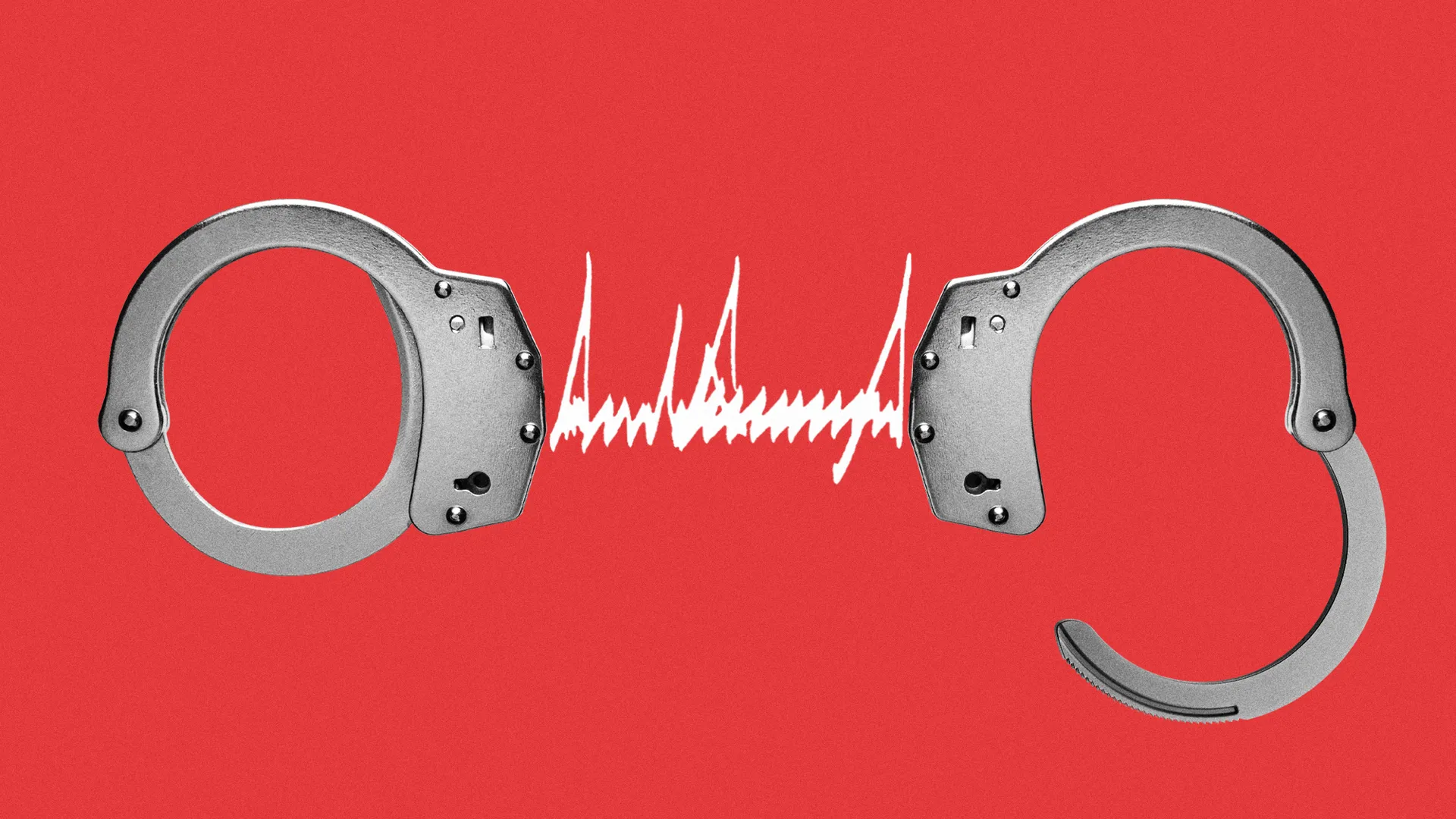
    The president has the absolute right to grant pardons. But Donald Trump’s spree of pardons for loyalists and business allies has raised not only political eyebrows but also legal questions about the abuse of power. 

    Trump has started to “expand the pardon power both in nature and in scale,” said Benjamin Wallace-Wells at The New Yorker. During his second term, he has issued nearly 2,000 presidential pardons and commutations, compared with 238 in his first term. In his latest act of clemency, Trump last week freed private equity executive David Gentile, who had just begun a seven-year sentence for a $1.6 billion fraud scheme.

    ‘Grotesque abuses’ 
    “More than any previous president,” Trump has “systematically deployed” pardons to “reward loyalists” and reassure “associates that they can violate the law with impunity,” said Thomas B. Edsall at The New York Times. Over the past decade, the presidential pardon power has been subject to “grotesque abuses,” said Jonah Goldberg at the Los Angeles Times. 

    In his first term, Trump pardoned “lackeys and war criminals,” and now he has “outdone” himself, pardoning a “rogue’s gallery of donors, partisan allies, and people with business ties to him or his family,” said the outlet. Trump is using his pardon power as “part of his effort to put the country on an authoritarian path,” said Rachel Barkow, a law professor at New York University, to The New York Times. 

    Allowed under the Constitution 
    It might seem “quaint” to reference America’s founding fathers, said The Wall Street Journal, but when they granted unlimited pardon power, they “anticipated at least a modicum of presidential restraint.” As such, there are no provisions in the Constitution to rein in a president who embarks on a pardoning spree. 

    Congress can’t remove the presidential power of pardon without changing the Constitution, but it could seek to “circumscribe” it around a “few basic principles,” said Bloomberg. These could include barring self-pardons and pardons given “in exchange for anything of value.” Seeking to impose these principles will “surely invite legal challenges.” But it would be difficult to “oppose them on the merits. More to the point, doing nothing would be unpardonable.”


    Statistic of the day

    $545.47: The price of a gun being sold that commemorates Trump as the 45th and 47th president. The DT47 Living Legend handgun manufactured by Bond Arms features a caricature of Trump on its side. Ads for the weapon are currently running on Fox News.


    IN THE SPOTLIGHT

    Looming drone ban has farmers and the GOP anxious

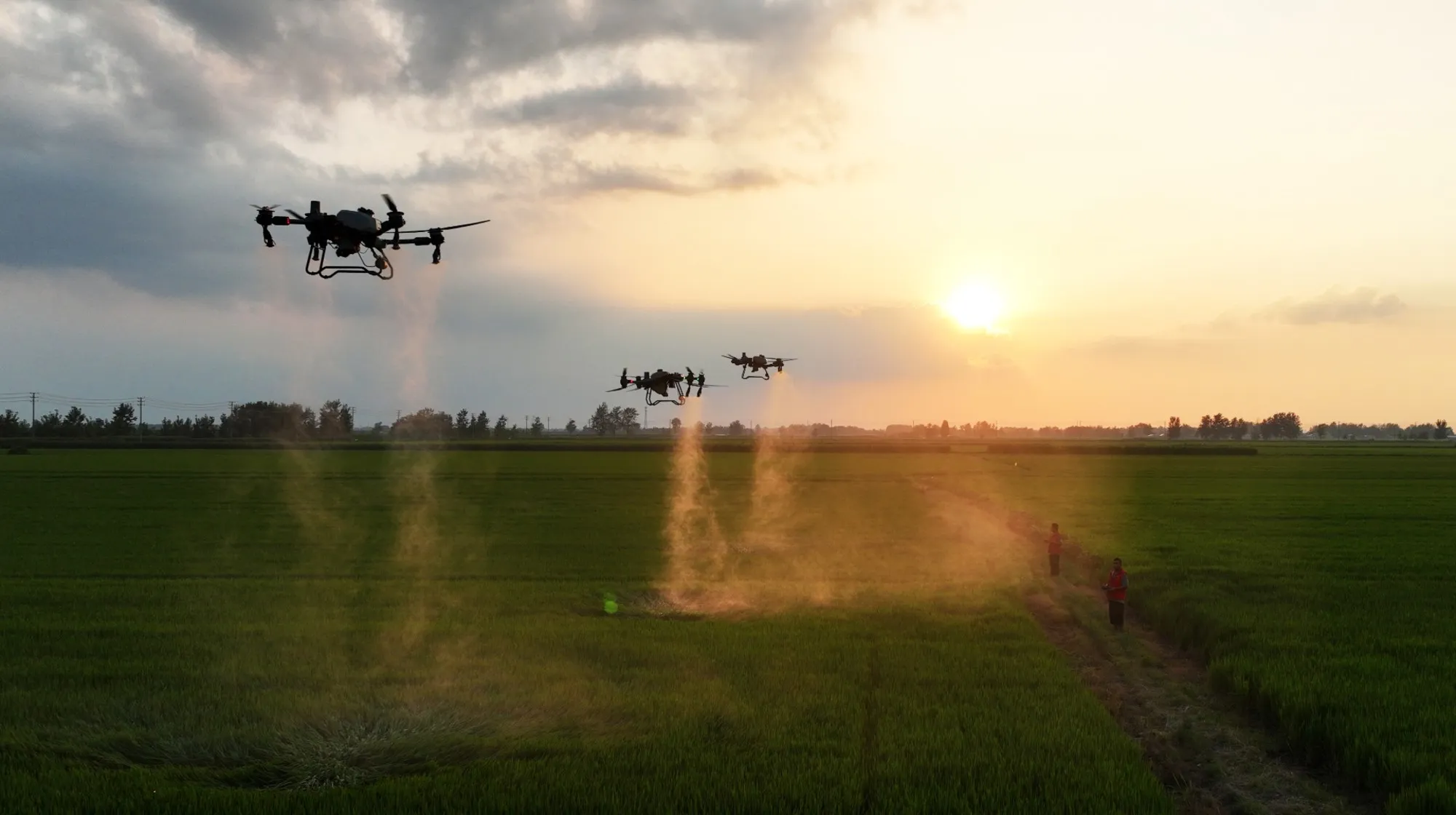
    As the U.S. and China jockey for global influence and power, American farmers and Republican lawmakers are growing increasingly anxious over one of the less-obvious fronts in the Trump administration’s trade war with Beijing: commercial drones.

    National security or corporate protectionism?
    At the center of this growing fight is Shenzhen Da-Jiang Innovations Sciences and Technologies Company Limited, commonly known as DJI, which sells “more than half” of the U.S.’s commercial drones, said Fox News. Lawmakers have “repeatedly raised concerns” that the company’s drones “pose data transmission, surveillance and national security risks” and have raised allegations that DJI is controlled by the Chinese military.

    But DJI drones are a “key agricultural tool to treat more than 300 types of crops in fields and orchards,” said Michigan Farm News. “Over 90% of the spray drones our industry uses come from China,” said the American Spray Drone Coalition. A “drastic” cutoff like the one being debated in Congress will “devastate our industry.”

    House Republicans, led by New York Rep. Elise Stefanik, have succeeded in passing harsh restrictions on domestic DJI sales in their version of a must-pass defense funding bill, but they are “facing pushback in the Senate,” said Politico. Banning Chinese drones would have “real cost ramifications for commercial enterprises, not just farming,” said North Dakota Republican Sen. John Hoeven to Politico.

    Members of the U.S.’s nascent commercial drone industry are ”eagerly awaiting“ DJI’s exit from the domestic field, said The New York Times. The push to ban DJI technology in the U.S. is about “forcing the biggest manufacturer of drones out of the market” so domestic manufacturers “don’t have to compete with them,” said DJI Global Policy head Adam Welsh to Mashable. 

    Christmas Eve-eve deadline
    For now, all eyes are on Dec. 23, after which DJI would be automatically added to the FCC’s “covered list” of banned items that would block new drone shipments, as well as potentially disrupt future upgrades for existing devices, unless a national security agency were to audit the company to determine whether it poses a threat. But with no agency set to perform the check, said Mashable, “DJI can’t clear its name.”


    Good day 🧳

    … for European travelers to Japan. The Japan National Tourism Organization and All Nippon Airways are offering free add-ons of domestic flights across the airline’s entire Japanese regional network to European travelers through January. The initiative has been introduced to encourage visitors to explore Japan’s lesser-known regions and ease overtourism in crowded destinations like Tokyo and Kyoto.


    Bad day 😾

    … for feral cats in New Zealand. The country has added wild felines to its Predator Free 2050 list, with plans to eradicate them by 2050 to protect other species such as birds, bats, lizards and insects. The cats are “stone-cold killers” who threaten biodiversity, said conservation minister Tama Potaka to Radio New Zealand.


    Picture of the day

    Desert drifters

    Fans gather to watch car-drifting in the Umm Al Quwain desert north of Dubai. The UAE’s Emirates Drift Championship revs off Dec. 27, with drivers judged on speed, agility, control and style as they perform controlled slides around a racetrack.
    Fadel Senna / AFP / Getty Images


    Puzzles

    Daily crossword

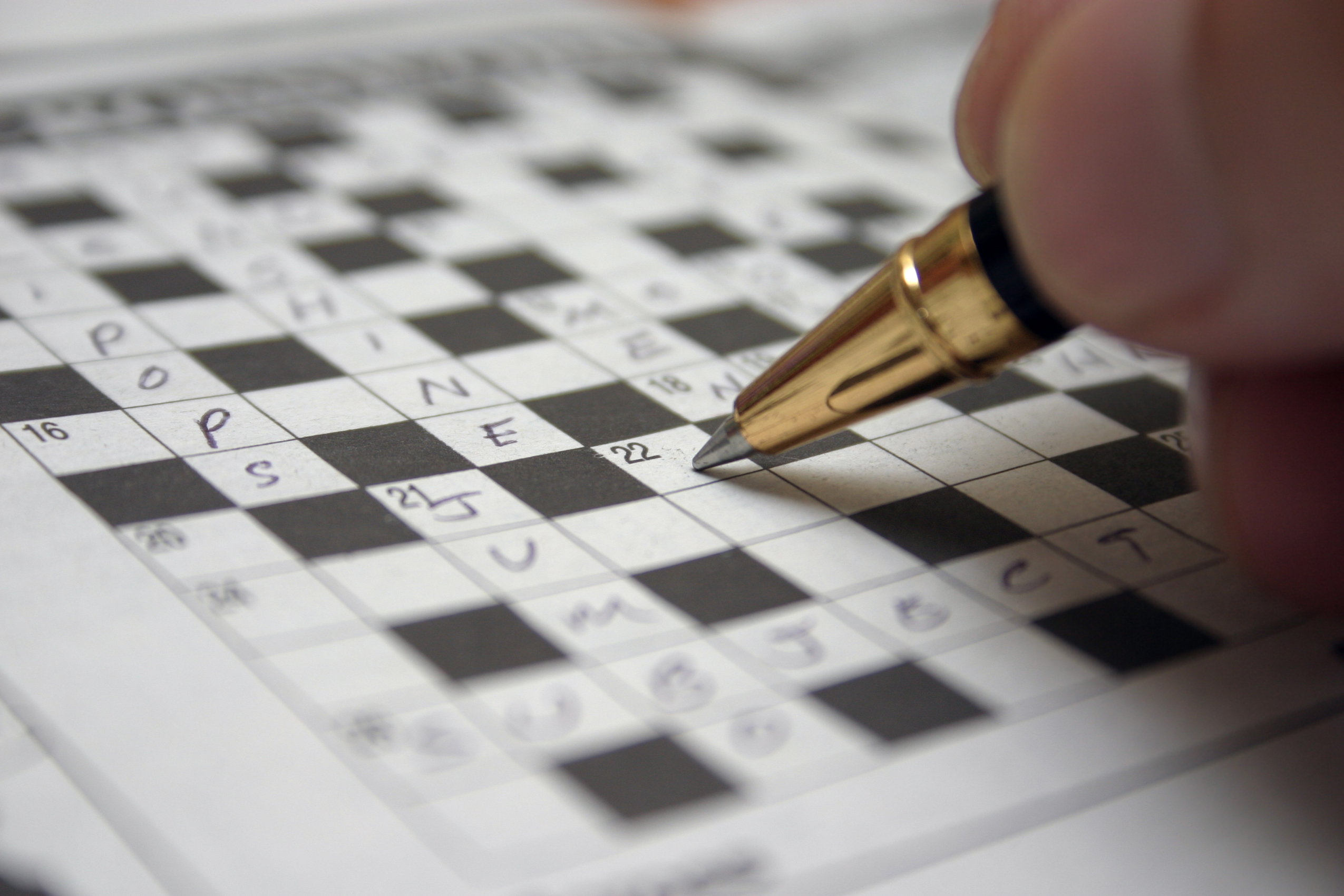
    Test your general knowledge with The Week's daily crossword, part of our puzzles section, which also includes sudoku and codewords

    Play here


    The Week recommends

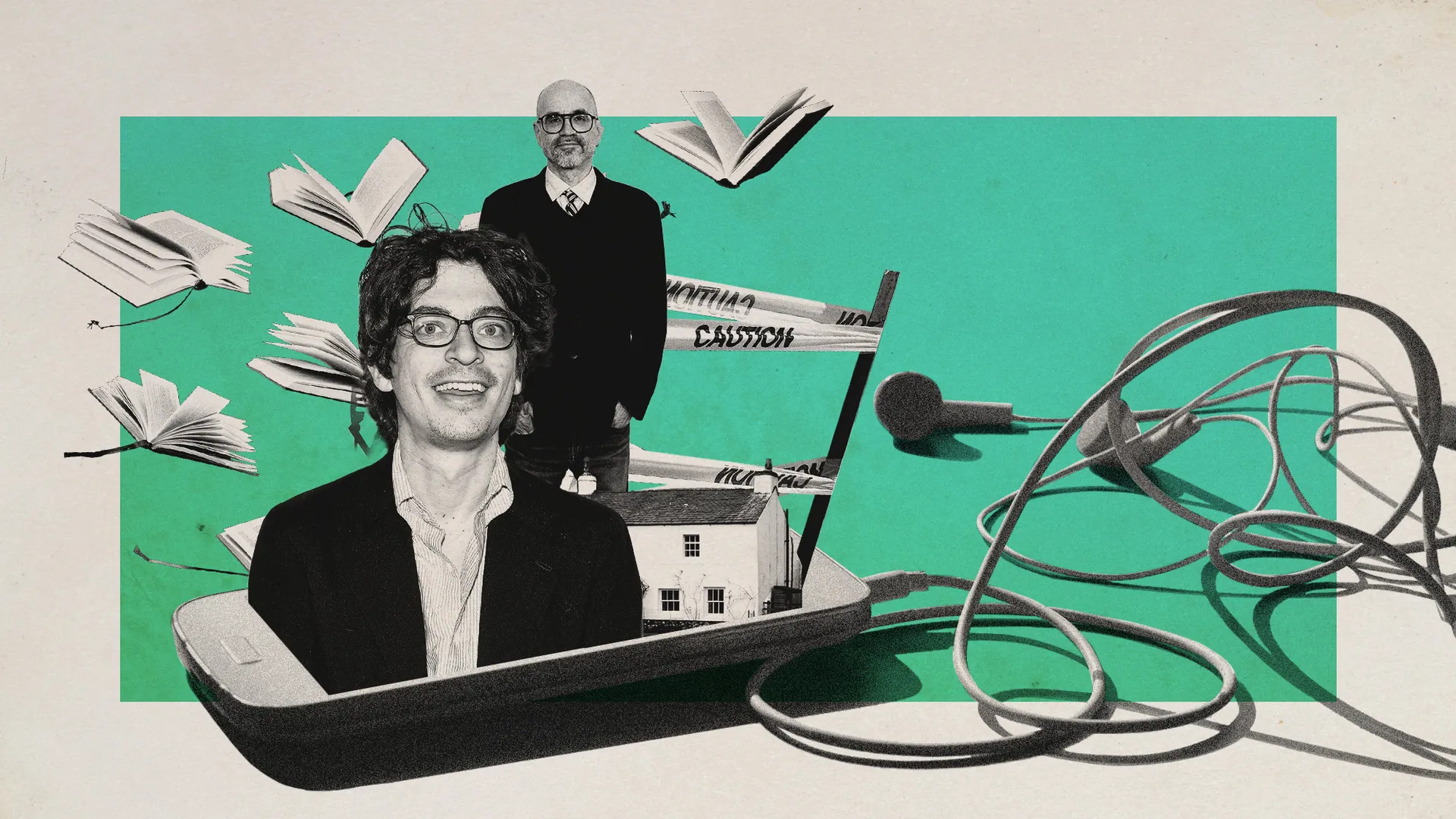
    Mind-expanding podcasts you may have missed this fall

    The 2025 podcast season is wrapping up, and listeners have plenty to choose from. This includes the return of popular podcasts that fans have been anticipating. 

    Heavyweight (Pushkin Industries)
    After a brief hiatus, host Jonathan Goldstein and his team return with “Heavyweight,” a show “devoted to a form of podcasting that has drifted precariously out of the spotlight,” said Vulture. The award-winning narrative podcast features episodes in which Goldstein helps people confront and resolve lifelong regrets and lingering questions, playing the role of a “kind of time-traveling therapy unit.” (Pushkin Industries, Spotify, Apple Podcasts)

    Inklings Book Club (Independent)
    Jack Edwards’ book club podcast stands out among the genre. BookTok connoisseurs may be familiar with Edwards’ “chipper, honest and nuanced reviews of contemporary and classic literature,” said Podcast Review. Inklings “goes beyond a traditional book club format,” offering its audience “weekly author interviews and a spotlight monthly book club chat” in which Edwards asks authors about their “writing process, inspiration and future projects.” (Spotify, Apple Podcasts)

    In the Dark: Blood Relatives (The New Yorker)
    For the sixth season of the Pulitzer Prize-winning podcast “In the Dark,” New Yorker journalist Heidi Blake investigates the 1985 Whitehouse Farm murders in England, one of the most infamous mass murders in recent British history. The series expands on her article from last year, “exploring various angles that seem to have been overlooked,” said Podcast Review. Finding the case details questionable, Blake discovers new evidence that casts doubt on the conviction of the accused, Jeremy Bamber. (The New Yorker, Spotify, Apple Podcasts)

    Read more


    WORD OF THE DAY

    Yermakshchina

    A term meaning “the era of Yermak.” Andriy Yermak served as Ukrainian President Volodymyr Zelenskyy’s longtime chief of staff and lead negotiator until his resignation on Friday. Without Yermak’s influence, Zelenskyy’s “political control may weaken” as he seeks to reach an agreement to end the war with Russia, said The New York Times.


    INSTANT OPINION

    Today's best commentary

    ‘We have a practical framework for American resistance. Now we need a spiritual one.’
    Rami Nashashibi at The Guardian
    From “veteran freedom fighters to young activists, there’s a growing alignment around the unmistakable presence of evil,” says Rami Nashashibi. The “horrors unfolding before us have sharpened our collective sight,” and the “spiritual framework for this argument begins with a simple conviction. Our movements need to reclaim a moral vocabulary that names evil plainly.” The “evil is fully out, and anyone with spiritual integrity can see it. Among the forces driving that clarity are Gaza, empire and ICE.”

    ‘The hemp ban shows America still works’
    Kevin Sabet at Newsweek
    With a federal ban on “intoxicating hemp products officially signed into law, November saw the most consequential change in U.S. drug policy in decades, and people truly interested in fighting for public health should recognize this for the great victory it is,” says Kevin Sabet. The public “woke up and started demanding lawmakers follow the data and the science.” In “other words, when science trumps partisan politics in public health policy, everyone wins.”

    ‘How to fix college football’
    Andy Kessler at The Wall Street Journal
    In July, the Score Act was “introduced in Congress to have government dictate terms with athletes,” and the NCAA “needs to act soon before outsiders run college football,” says Andy Kessler. The “hodgepodge of conferences we have today is antiquated, a relic of a broken cable TV model.” The “current system is also a mess based on Name, Image and Likeness deals that pay athletes.” The NCAA “desperately needs to restructure conferences and set up rules for outside money.”


    Poll watch

    Seven in 10 likely car buyers (70%) plan to buy a gas-powered vehicle for their next purchase — a large jump from the 55% who were planning to do the same in March 2024, according to a YouGov survey of 1,499 adults. 


    Evening Review was written and edited by Theara Coleman, Nadia Croes, Scott Hocker, Justin Klawans, Joel Mathis, Summer Meza and Rafi Schwartz with illustrations by Stephen Kelly and Julia Wytrazek.

    Image credits, from top: Illustration by Stephen Kelly / Getty Images; Illustration by Stephen Kelly / Getty Images; Costfoto / NurPhoto / Getty Images; Illustration by Julia Wytrazek / Getty Images
     

    Recent editions

    • Morning Report

      White House shifts blame for double boat strike

    • Evening Review

      A GOP health care deal?

    • Morning Report

      Hegseth accused of potential war crimes

    VIEW ALL
    TheWeek
    • About Us
    • Contact Future's experts
    • Terms and Conditions
    • Privacy Policy
    • Cookie Policy
    • Advertise With Us
    • FAQ
    Add as a preferred source on Google

    The Week is part of Future US Inc, an international media group and leading digital publisher. Visit our corporate site.

    © Future US, Inc. Full 7th Floor, 130 West 42nd Street, New York, NY 10036.