Sign up to get Today’s Best Articles in your inbox
Join 350,000+ subscribers and keep yourself informed with a selection of
The Week’s most interesting, enlightening and entertaining stories - plus daily puzzles.
You are now subscribed
Your newsletter sign-up was successful
Want to add more newsletters?
An account already exists for this email address, please log in.
Is it time to rethink the US presidential pardon?
Donald Trump has taken advantage of his pardon power to reward political allies and protect business associates, say critics
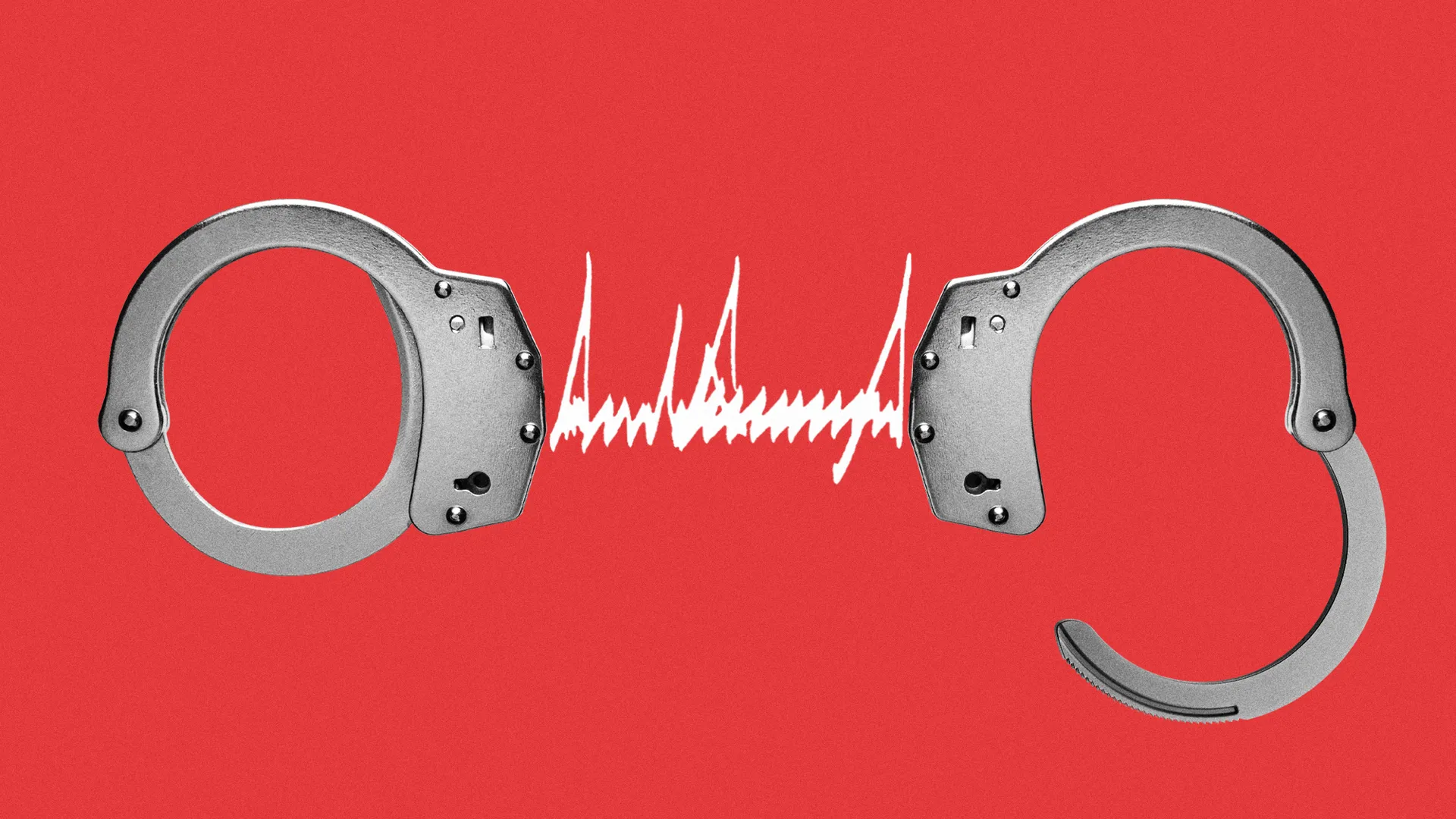
The US president has the absolute right to grant pardons. But Donald Trump’s spree of pardons for loyalists and business allies has raised not only political eyebrows but also legal questions about abuse of power.
Since he began his second term in January, Trump “has begun to expand the pardon power both in nature and in scale”, said Benjamin Wallace-Wells in The New Yorker. He has issued nearly 2,000 presidential pardons and commutations, compared to 238 in his first term.
On his very first day back in the White House, Trump pardoned hundreds of people charged with and convicted of storming the Capitol on 6 January 2021. Last month, he pardoned his former personal lawyer Rudy Giuliani and dozens of others accused of trying to overturn the 2020 election. “More than any previous president,” Trump has “systematically deployed” pardons to “reward loyalists” and reassure “associates that they can violate the law with impunity”, said Thomas B. Edsall in The New York Times.
The Week
Escape your echo chamber. Get the facts behind the news, plus analysis from multiple perspectives.
Join more than 350,000 subscribers and keep yourself informed with a selection of The Week’s most interesting, enlightening and entertaining stories - plus daily puzzles.
Join more than 350,000 subscribers and keep yourself informed with a selection of The Week’s most interesting, enlightening and entertaining stories - plus daily puzzles.
Over the past decade, the presidential pardon power has been subject to “grotesque abuses”, said Jonah Goldberg in the Los Angeles Times. In his first term, Trump pardoned “lackeys and war criminals”, then Joe Biden “issued blanket and pre-emptive pardons for his family”, and now Trump has “outdone” himself, pardoning “a rogue’s gallery of donors, partisan allies and people with business ties to him or his family”.
Take the recent pardoning of Changpeng Zhao. The crypto billionaire had allowed his Binance platform to be used by terrorists and criminal organisations and had pled guilty to money laundering. Yet he had “also worked assiduously to boost the Trump family’s crypto business, and it certainly appears that he got a pardon in exchange for services rendered”.
Trump is using his pardon power as “part of his effort to put the country on an authoritarian path”, Rachel Barkow, a law professor at New York University, told The New York Times. “He is rewarding his partisan allies”, instead of using the power “even-handedly, with a regular process that is available to all”.
‘Separate tier of justice’
It might be “quaint these days” to reference America’s founding fathers but, when they granted unlimited pardon power, “they anticipated at least a modicum of presidential restraint”, said The Wall Street Journal. As such, there are no provisions in the US Constitution to rein in a president who embarks on a pardoning spree.
Sign up to get Today’s Best Articles in your inbox
A free daily email with the day’s biggest news and analysis – and the best features from TheWeek.com
Trump could still overreach. If, for example, he were to pardon his former friend Ghislaine Maxwell (currently serving a 20-year sentence for conspiring with Jeffrey Epstein to sexually abuse minors), it would highlight – in a much more public way – the “separate tier of justice” he has built “for his allies and investors”, said Wallace-Wells in The New Yorker.
Congress can’t remove the presidential power of pardon without changing the Constitution, but it could seek to “circumscribe” it “around a few basic principles”, said Bloomberg. These could include barring self-pardons and pardons given “in exchange for anything of value”. And pardons “issued in conjunction with a case involving presidents or their family members should trigger the release of all relevant investigative materials to Congress, to ensure greater public transparency”.
Seeking to impose these principles “will surely invite legal challenges”. But it would be difficult “to oppose them on the merits. More to the point: doing nothing would be unpardonable.”

 talking pointsA leadership power vacuum may await Republicans
 QUOTE OF THE DAY‘What kind of culture looks at sexual violence and sees an opportunity for profit? This is rape culture. And it should disturb every single one of us.’
 today’s big questionHow long can US consumers continue their spending spree?