Sign up to get Today’s Best Articles in your inbox
Join 350,000+ subscribers and keep yourself informed with a selection of
The Week’s most interesting, enlightening and entertaining stories - plus daily puzzles.
You are now subscribed
Your newsletter sign-up was successful
Want to add more newsletters?
An account already exists for this email address, please log in.
NASA discovered ‘resilient’ microbes in its cleanrooms
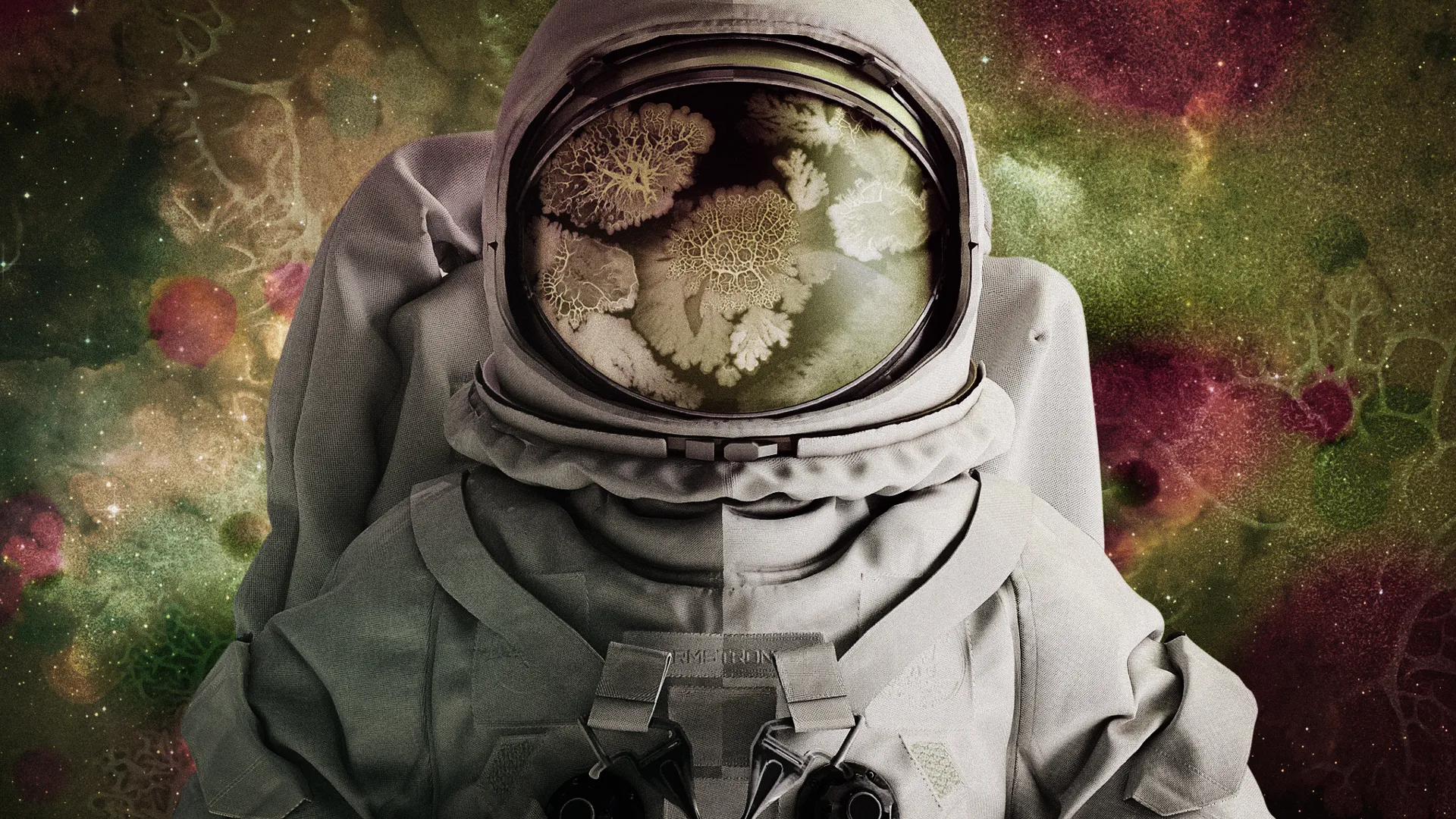
Spacecraft are assembled in specialized “cleanrooms” that are designed to avoid contamination from dust and microorganisms. But bacteria called extremophiles have genetic components that allow them to survive in extreme environments, and 26 of them have been found at NASA’s Kennedy Space Center in Florida.
The room where it happens
NASA’s cleanrooms have “stringent controls such as regulated airflow, temperature management and rigorous cleaning,” said a study published in the journal Microbiome. Despite this, “resilient microorganisms can persist in these environments, posing potential risks for space missions.” Twenty-six of such persistent microbes were found at Florida’s Kennedy Space Center, where NASA assembled its Phoenix Mars Lander.
These 26 were previously unknown bacteria that “resist cleaning chemicals and cling to sterile surfaces by producing sticky films,” said an article in Nature. Many also have “genes that protect their DNA from radiation damage, while some have genes that help control cell repair under oxidative stress.” One of the bacteria, Tersicoccus phoenicis, is capable of playing dead to survive starvation and other stressors. While dormant, it “can’t be detected by the usual method of swabbing surfaces and checking which bacteria grow in culture from the swabs,” said Scientific American. That means it “could theoretically sneak aboard spacecraft that are supposed to be free of Earth contaminants.”
The Week
Escape your echo chamber. Get the facts behind the news, plus analysis from multiple perspectives.
Join more than 350,000 subscribers and keep yourself informed with a selection of The Week’s most interesting, enlightening and entertaining stories - plus daily puzzles.
Join more than 350,000 subscribers and keep yourself informed with a selection of The Week’s most interesting, enlightening and entertaining stories - plus daily puzzles.
Contrary to popular belief, “cleanrooms don't contain ‘no life,’” said study co-author Alexandre Rosado to Live Science. “Our results show these new species are usually rare but can be found, which fits with long-term, low-level persistence in cleanrooms.” Many of these organisms are extremophiles, given their ability to survive and thrive in normally inhospitable environments. Now, scientists will be studying these organisms and what their effect on space travel might be.
Young, scrappy and hungry
These bacteria are a double-edged sword. The findings “not only raise important considerations for planetary protection but also open the door for biotechnological innovation,” said Junia Schultz, the first author of the study, in a statement. “Identifying these unusually hardy organisms and studying their survival strategies matters,” said Live Science. “Any microbe capable of slipping through standard cleanroom controls could also evade the planetary-protection safeguards meant to prevent Earth life from contaminating other worlds.”
In the case of T. phoenicis, a fresh domain like Mars “could offer a new, nutrient-rich environment to the hibernating microbes,” said Scientific American. “Astronauts trying to survive on the red planet would need to grow food, and the sugars and nutrients involved could revive the bacteria.”
The genes in these bacteria could also “lead to new biotechnologies that benefit food preservation and medicine,” said the statement. For example, if scientists can prevent bacteria like T. phoenicis from becoming dormant, they may become “easier to eliminate with antibiotics or sterilization techniques,” said the University of Houston. In addition, the bacteria could “serve as benchmark organisms for evaluating spacecraft decontamination strategies before launch, offering a unique way to validate how thoroughly a craft is sterilized,” said Daily Galaxy.
Sign up to get Today’s Best Articles in your inbox
A free daily email with the day’s biggest news and analysis – and the best features from TheWeek.com
Devika Rao has worked as a staff writer at The Week since 2022, covering science, the environment, climate and business. She previously worked as a policy associate for a nonprofit organization advocating for environmental action from a business perspective.