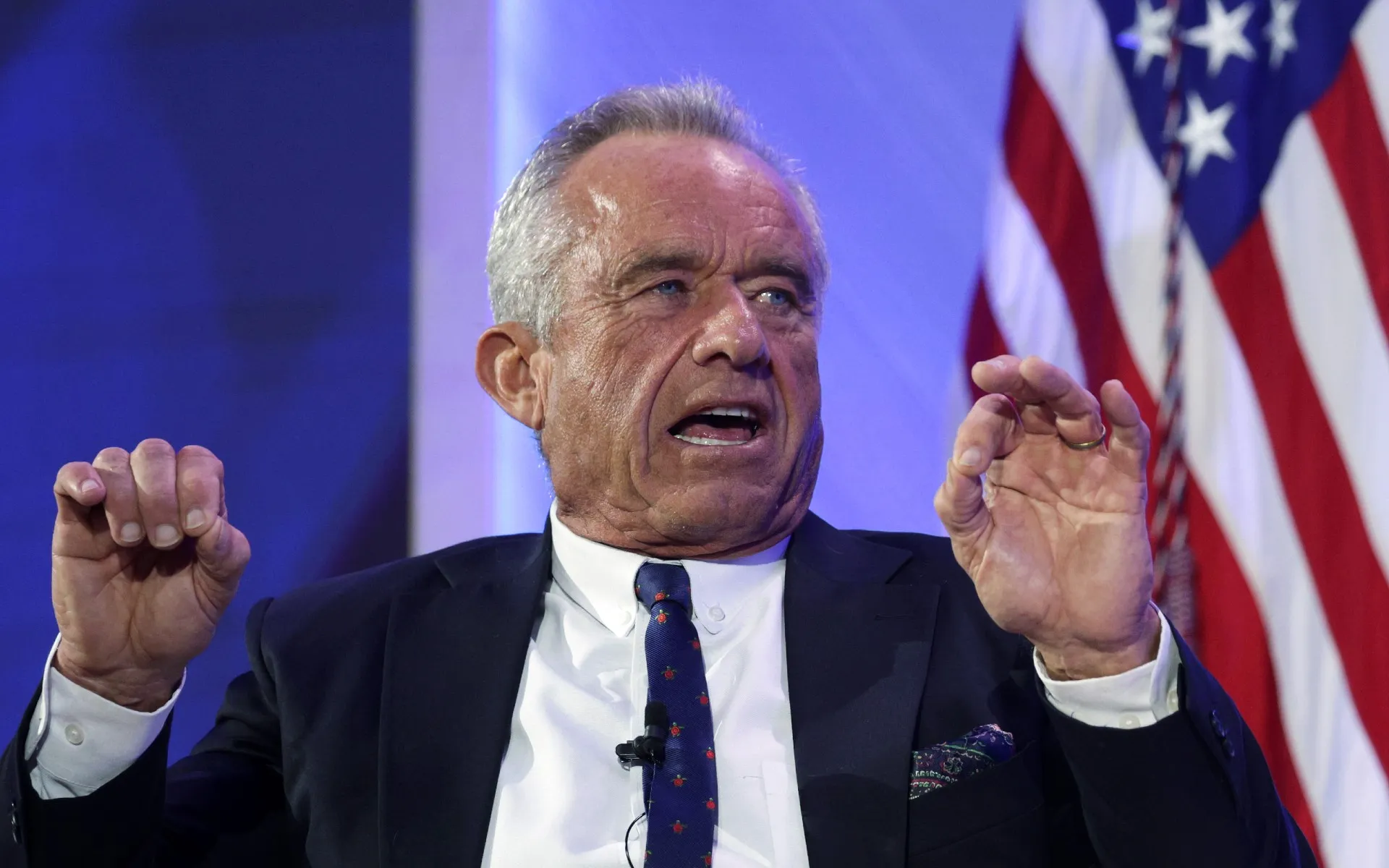
In line with his claim that there could be a link between vaccines (and other medications) and autism, Secretary of Health and Human Services Robert F. Kennedy Jr. has turned his attention to a class of drugs he believes could be linked to acts of mass violence. He intends to study antidepressant medications, including selective serotonin reuptake inhibitors (SSRIs).
Why is he scrutinizing these drugs?
In November, Kennedy said on X that he would direct the Centers for Disease Control and Prevention to study the “long-taboo question of whether SSRIs and other psychoactive drugs contribute to mass violence.” Following an August mass shooting at a school in Minnesota, Kennedy evoked this purported link.
Health officials have “long monitored the side effects of such drugs, which millions of people use,” said Politifact. While new research could supply fresh findings, “existing data points don’t reflect that SSRIs cause mass violence.”
While Kennedy has claimed scientists are “afraid to study the topic,” several studies have “tried to look for a possible association between the use of these drugs and mass violence,” said Gizmodo. While none of the existing data support a causative link between the drugs and violence, suicidal ideation does appear to be a “substantial mental health factor.”
That could explain why some research has found a potential link between antidepressant use and violence in general, said Ragy Girgis, a professor of clinical psychiatry at Columbia University, to Gizmodo. People who are “suicidal or violent also have much worse depression” and are “more likely to be treated” with antidepressant medications. But it’s “not causative.”
What do experts think of the claims?
SSRIs are generally safe and effective medications, according to medical experts. And what’s most worrying about Kennedy’s remarks is that such statements can “scare people away from getting the care they need and deserve,” said the California State Association of Psychiatrists in a statement.
Equating SSRI users with violence risks unnecessarily stigmatizing mental health conditions, said Keith Humphreys, a professor of psychiatry and behavioral sciences at Stanford University, to Axios. There are “depressed people, people with schizophrenia, anxious people in every other country,” but they can’t “get guns as easily as you can get them here,” he said. It’s a “distraction from the real issue.” |