The Week The Week
flag of US
US
flag of UK
UK
https://cdn.mos.cms.futurecdn.net/flexiimages/jacafc5zvs1692883516.jpg

SUBSCRIBE & SAVE

Less than $3 per week

Sign in
  • View Profile
  • Sign out
  • The Explainer
  • The Week Recommends
  • Newsletters
  • Cartoons
  • From the Magazine
  • The Week Junior
  • Student Offers
  • More
    • Politics
    • World News
    • Business
    • Health
    • Science
    • Food & Drink
    • Travel
    • Culture
    • History
    • Personal Finance
    • Puzzles
    • Photos
    • The Blend
    • All Categories
  • Newsletter sign up Newsletter
  • The Week Evening Review
    Wiles’ tell-all, Stern’s SiriusXM deal, and Roomba’s legacy

     
    TODAY’S BIG QUESTION

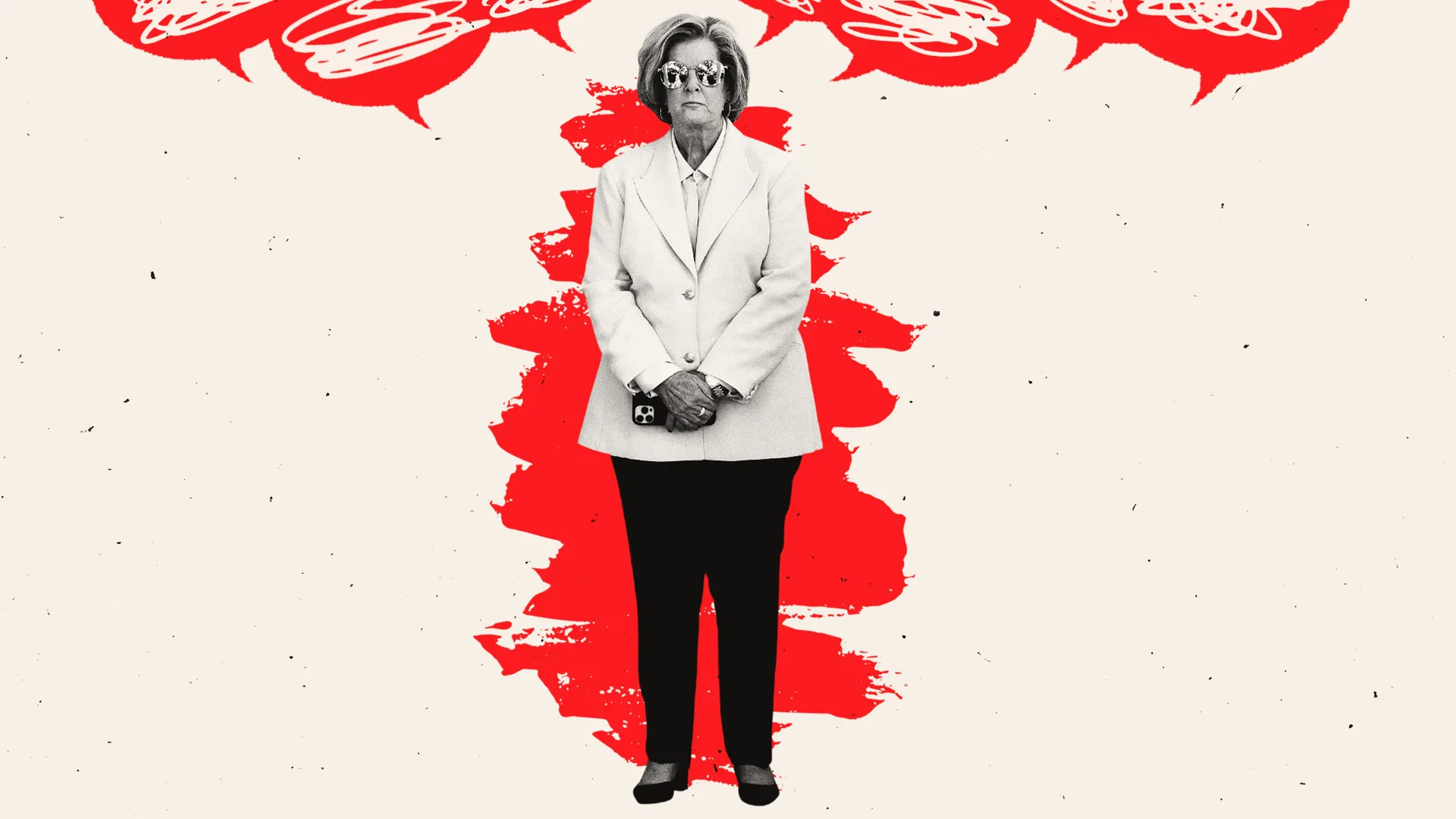
    Why does Susie Wiles have MAGA in a panic?

    Within the Trump administration’s maelstrom of camera-ready secretaries, advisers and aides, White House Chief of Staff Susie Wiles is a behind-the-scenes power, eschewing the headlines preferred by her colleagues as she brokers access and authority within the West Wing. But after a candid Vanity Fair interview in which she offered unvarnished opinions on the president and other top administration figures, Wiles suddenly finds herself in the spotlight. 

    What did the commentators say?
    Wiles’ comments, which included saying President Donald Trump has an “alcoholic’s personality” and questioning the government’s handling of immigration enforcement, elicited a “full-throated defense” by administration officials, said CNN. But that support “masked a stunned White House inner circle left aghast” by what was taken by some insiders as a “significant blunder from a typically low-profile leader many entrusted to clean up messes, not make them.” 

     Many administration figures have been left “scratching their heads” over the interview, said Politico. Officials wonder how Wiles, “lauded for her political acumen and loyalty,” could have “miscalculated so badly.” 

    Informed by Trump’s first-term penchant for “constantly rebooting” his staff, her “disclosures” sent the nation’s capital into an “all-too-familiar guessing game of how much longer Wiles would stay in her job or what game she was playing,” said Time. But the president himself, who has repeatedly defended Wiles since the Vanity Fair interview was published, “delights in this sort of drama,” punishing subordinates “not when they dispute his agenda but when they get credited for shaping it.” By that token, many of Wiles’ comments “may have actually bought favor” from the president for painting the administration’s accomplishments as occurring “because Trump ordered them.”

    To many in the White House, the grace being extended to Wiles is a “telling reflection of how indispensable she is to the president.” The administration’s all-hands-on-deck pushback to criticism was a “show of force” that “underscored Wiles’ importance to Trump.”

    What next?
    While Wiles’ position appears secure, her comments may nevertheless cause headaches for the White House in the future. She candidly acknowledged Trump’s appetite for “retribution” against prominent figures like New York Attorney General Letitia James and former FBI Director James Comey. And these remarks are being taken as a “welcome opportunity” by “lawyers for a variety of Trump targets,” said Zeteo.


    QUOTE OF THE DAY

    ‘You and I are people of war, and during war we believe in facts.’ 

    Ukrainian President Volodymyr Zelenskyy in an interview with Ukrainian journalists, acknowledging significant progress toward a deal with Russia. After two days of peace proposal talks with U.S. and European negotiators, he added that there’s still work to be done. 


    THE EXPLAINER

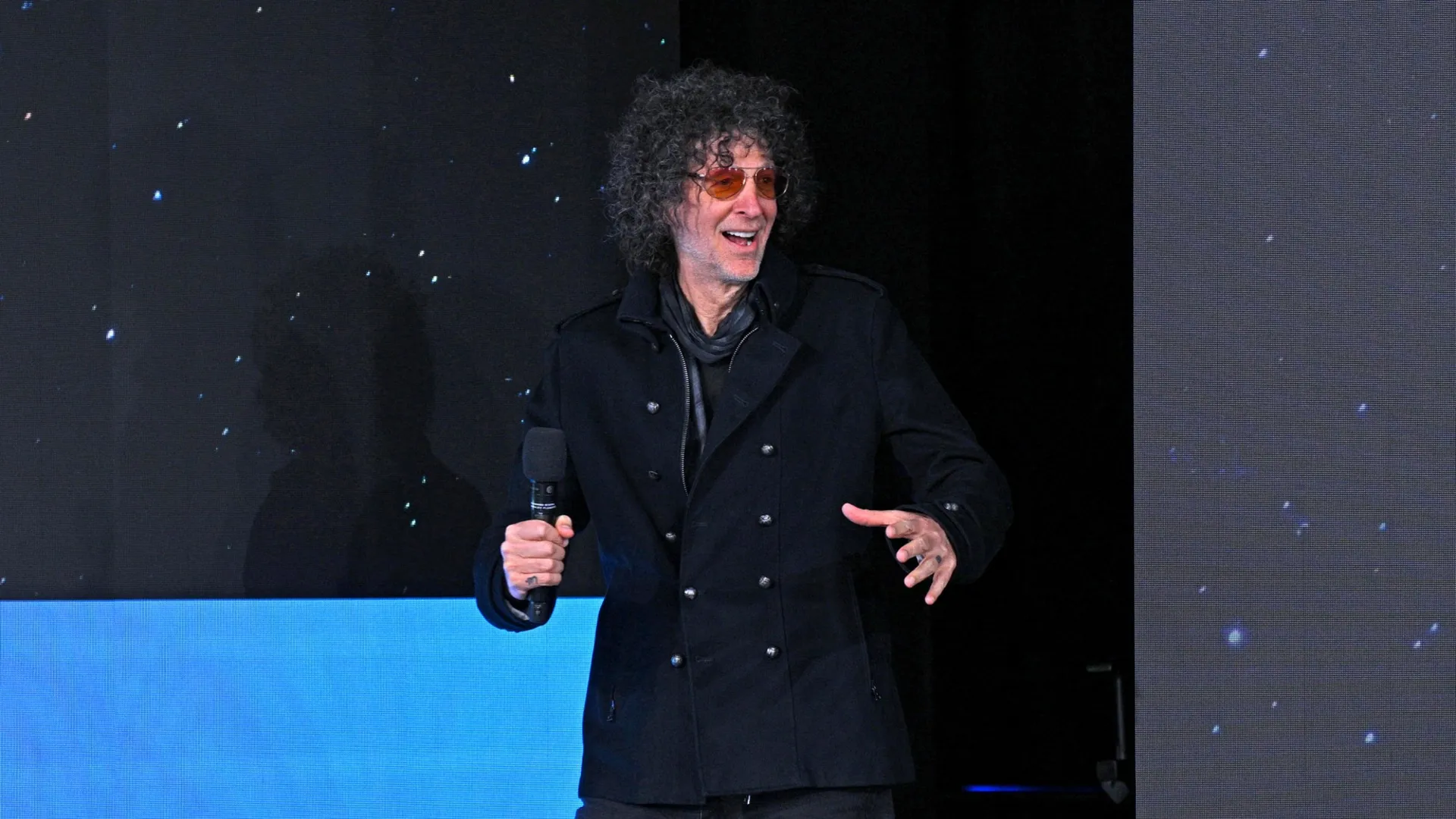
    SiriusXM hopes a Howard Stern deal can turn fortunes around

    The satellite radio corporation’s subscriber base has been shrinking over the past few years, but there seems to be a solution: Howard Stern. The self-described King of All Media has been one of the company’s mainstays since his show joined SiriusXM in 2006. The brand is hoping that a new three-year deal Stern signed yesterday can keep new listeners tuning in.

    What’s the situation at SiriusXM?
    In the third quarter of 2025, SiriusXM had 33 million subscribers nationwide, said the company in its earnings report. But this is “some 100,000 fewer than the year before,” according to The Associated Press. SiriusXM’s self-pay net subscribers — those who pay directly for the satellite subscription — also fell by 40,000.

    These figures show that this has been a challenging year for SiriusXM, which started 2025 by losing 303,000 self-pay subscribers in the first quarter. But not all was gloom for SiriusXM, as it “reported third-quarter revenue of $2.16 billion, above analyst expectations but down 1% from the prior-year period,” said The Hollywood Reporter. 

    How could Stern’s new contract help?
    Stern will be “continuing his radio reign despite commanding an audience that’s far smaller than what he drew during his heyday,” said MarketWatch. Since Stern’s last contract, SiriusXM and satellite radio in general have seen a “slow but steady erosion of its subscriber base as listeners have switched to streaming-music platforms” like Spotify.

    And while Stern’s listenership has been decreasing along with SiriusXM as a whole, he still commands a large chunk of the company’s platform. Stern’s show currently has a “mid-single-digit percentage of what he drew at his peak, which would put it somewhere around 1 million listeners per broadcast,” making him a valuable commodity, said MarketWatch.

    This all comes as competition for SiriusXM increases. Many audio companies have begun a television ad push as the businesses “seek new audiences and ad dollars and more creators embrace video,” said Axios. But SiriusXM also still has other big properties under contract, including Alex Cooper of the Call Her Daddy podcast and the SmartLess podcast hosted by Will Arnett, Jason Bateman and Sean Hayes.


    WORD OF THE DAY

    slop

    Demonstrably fake content that’s proliferating on the internet thanks to advanced generative artificial intelligence. The word has become synonymous with uncanny videos and photos and has been selected as Merriam-Webster’s 2025 Word of the Year. AI slop has sparked fears about “misinformation, deepfakes and copyright,” said The Associated Press. 


    IN THE SPOTLIGHT

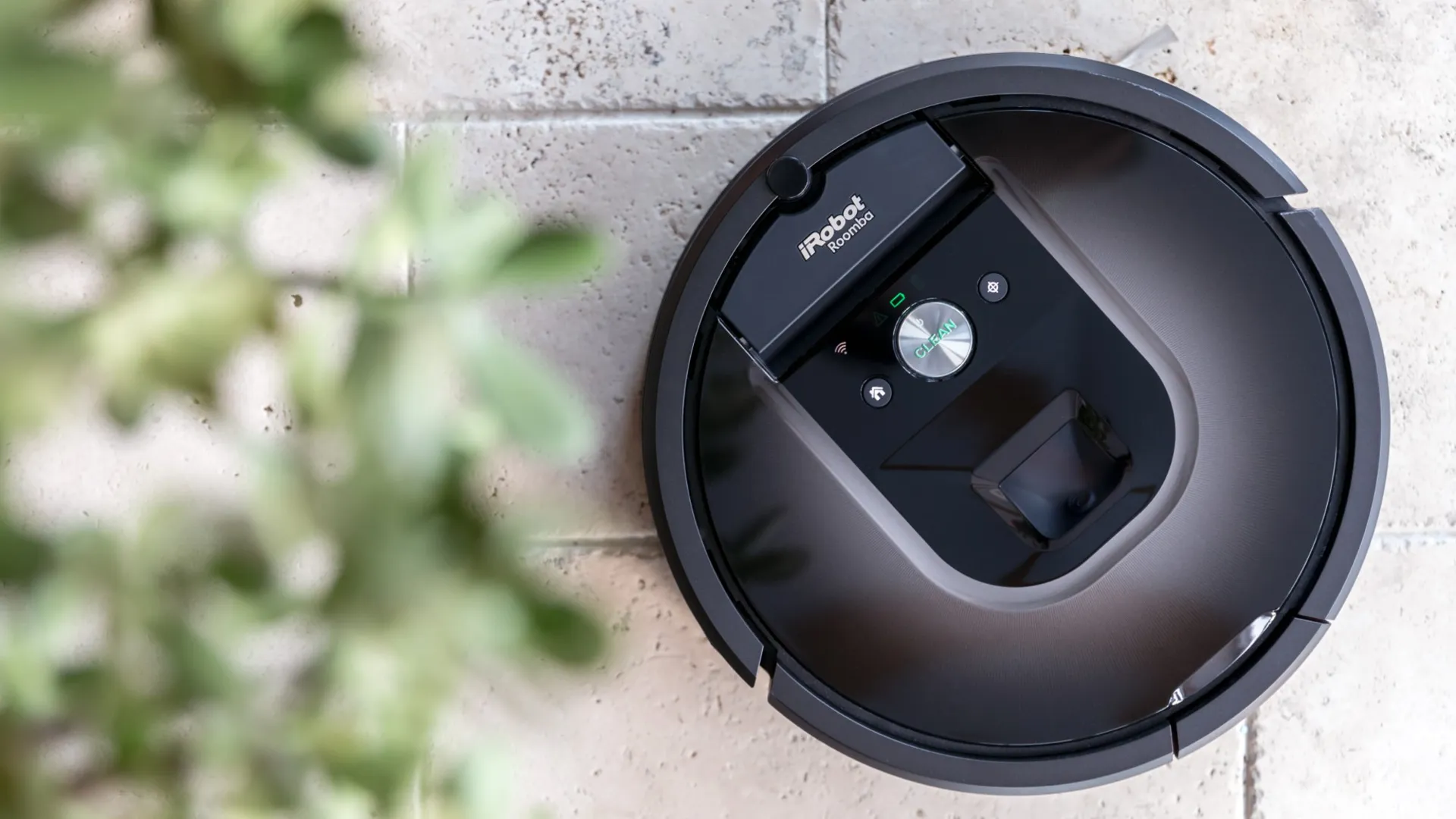
    What is Roomba’s legacy after iRobot bankruptcy?

    Roomba once looked like the future. Its maker, iRobot, filled American homes with small but affordable robots that helped keep households clean and cats endlessly occupied. But iRobot has now filed for bankruptcy, a victim of innovation and politics.

    iRobot’s bankruptcy filing came after it “struggled to keep up with foreign rivals” and failed to withstand the “new costs of tariffs,” said NPR. Most new Roombas are manufactured in Vietnam, and the company owes $3.4 million in unpaid tariffs to the U.S. government. But the little robots have also been displaced by newer models at lower prices from rival manufacturers. 

    Wasn’t Roomba a big success?
    The self-guiding vacuum cleaner was most Americans’ “first experience with a home robot,” said The Verge. iRobot was formed in 1990 by MIT professors who had previously used their expertise to build devices used in Mars exploration, “mine detection, bomb disposal, and search and rescue.” The first Roomba launched in 2002 for $200 and quickly became a hit.

    What went wrong?
    The beginning of the end came in 2022, when Amazon “came knocking” with a $1.7 billion offer to acquire iRobot, said TechCrunch. European regulators had “other ideas” and threatened to block the deal. Amazon called off the purchase and iRobot’s stock price “nosedived.” Those regulators “removed the most viable path for a pioneering American robotics company to scale and compete globally,” said former CEO Colin Angle to TechCrunch.

    But the Roomba may have also been a victim of its own success. Innovators are often “dethroned with alarming speed” in the consumer marketplace, said the Financial Times. Foreign rivals soon “flooded the market with passable substitutes.”

    Tech legacy
    “The best Roomba models were always the ones without a lot of flair,” said Kyle Barr at Gizmodo. Later models featured additions that “don’t necessarily make for a better robot vacuum.” Despite that, the Roomba deserves to be remembered fondly “even after iRobot is kaput.”

    iRobot’s bankruptcy is a “tragedy for consumers, the robotics industry and America’s innovation economy,” Angle said to CNBC. But current Roomba owners should not fear their devices will be “rendered useless due to a lack of software updates,” said the Los Angeles Times. Chinese manufacturer Picea Robotics is buying out the company and says it will continue customer support.


    Good day 🍝

    … for Italian cooking. Italy’s food has been awarded special cultural heritage status by Unesco. Individual dishes, including pizza, have previously been listed, but this time the country’s entire cuisine was honored, along with its “artisanal food preparation techniques” and the practice of connecting with family and community.


    Bad day 📍

    … for privacy. The free web version of Elon Musk’s chatbot Grok will, with “extremely minimal prompting,” provide accurate residential addresses for nonpublic figures — a feature that could “easily assist stalking, harassment and other dangerous types of behavior,” said Futurism. In response to prompts as simple as “[name] address,” Grok repeatedly doxxes “everyday people.”


    Picture of the day

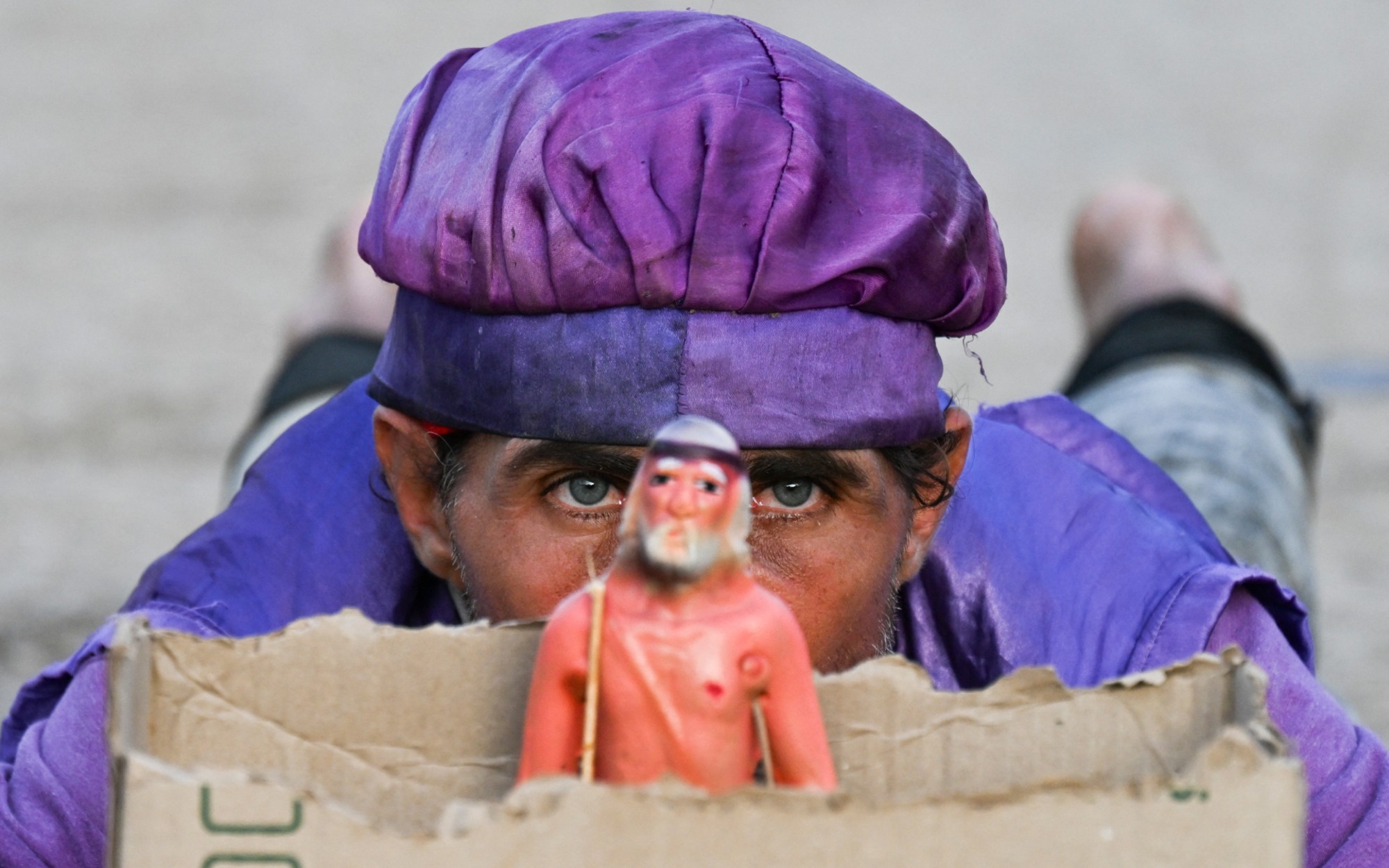
    Religious role model

    A pilgrim carrying a St. Lazarus figurine crawls toward San Lázaro Church in El Rincón, near Havana, Cuba. Worshippers from across the country join the annual procession of the patron saint of the poor and sick, and many crawl as an act of devotion.
    Yamil Lage / AFP / Getty Images


    Puzzles

    Daily crossword

    Test your general knowledge with The Week's daily crossword, part of our puzzles section, which also includes sudoku and codewords

    Play here


    The Week recommends

    The most memorable podcasts of 2025

    Contrary to speculation, the podcast industry is alive and brimming with thought-provoking content, as proven by this year’s new and returning releases. Here are some of the best entries of 2025.

    Final Thoughts: Jerry Springer (Audible)
    In this nine-part series, Slow Burn’s Leon Neyfakh goes all the way back to the trash-TV host’s beginnings, “marrying excellent journalism with some unbelievable source material, not least when it comes to Springer’s 1970s sex scandal,” said The Guardian. Listeners will come away “wondering what might have been had Springer better deployed his gifts,” said The New Yorker. (Audible)

    Our Ancestors Were Messy (Coco Hill Productions)
    This podcast spotlights Black history and puts a comical twist on headline-making gossip, scandals and pop culture from pre-Civil Rights Movement America. Host Nichole Hill tells juicy true stories, including a “Victorian-era love triangle that hit D.C. elites,” placing listeners “inside of a vintage scandal” while “fleshing out the characters involved with the skill of a novelist,” said Lifehacker. Hill’s storytelling is “descriptive, funny, conversational and crisp,” and she uses “amazing sound production that pumps it all into life.” (Apple Podcasts, Spotify)

    Suspicious Minds (Agoric Media)
    As AI chatbots have become more sophisticated, the fears attached to the technology have evolved. Brothers Joel and Ian Gold, the co-authors of the book “Suspicious Minds: How Culture Shapes Madness,” have created this documentary series that “tackles issues around AI-fueled delusions,” aiming to understand “where they fit into humanity’s history of delusional thinking in general,” said Lifehacker. (Apple Podcasts, Spotify)

    Read more


    Poll watch

    Over half of Americans (53%) think the Trump administration is doing “too much” to deport undocumented immigrants, according to a Pew Research Center survey. But 51% of the 8,046 adults polled also think at least some of these immigrants should be deported. 


    INSTANT OPINION

    Today's best commentary

    ‘Nigeria must not become America’s next battlefield’
    Tafi Mhaka at Al Jazeera
    There’s a “pattern that has become increasingly familiar across northern Nigeria: mass kidnapping for ransom, striking opportunistically rather than along religious lines,” says Tafi Mhaka. But with a “few lines of incendiary rhetoric, a country grappling with criminal insecurity and institutional collapse is recast as a front line in a civilizational struggle.” Once “framed that way,” Nigeria is “no longer a society in need of protection and repair but a battlefield-in-waiting.” That “shift matters.”

    ‘They power the US economy but will struggle to afford health care’
    Elizabeth Aguilera at Capital & Main
    The loss of enhanced tax credits will be “especially tough for the millions of small business owners and self-employed workers across the U.S.,” says Elizabeth Aguilera. The “consequences will ripple through communities, and we all stand to lose,” as small business owners are the country’s “biggest job creators and power local economies.” They “preserve neighborhood culture, prepare our food, care for our children, create entertainment and build community” but “now face choosing between health care and their livelihoods.”

    ‘The West needs to open its eyes to honor killing’
    Kevin Cohen at The Wall Street Journal
    There’s a “blind spot in Western risk-assessment frameworks,” says Kevin Cohen. Domestic violence “models assume gradual escalation and individual actors,” but violence can “erupt suddenly, collectively and in response to one perceived moral transgression.” When Western institutions “misread these signals, even a well-designed system can fail when it’s needed most.” When a “young woman’s autonomy conflicts with an inherited code of obedience, geography alone doesn’t prevent violence.” These “patterns endure” in “several countries.”


    Statistic of the day

    $60: The price for which FIFA will sell 10% of the tickets for each qualified team in the 2026 World Cup. This comes after backlash about the general ticket price, which goes as high as $2,735, according to NPR.


    Evening Review was written and edited by Theara Coleman, Nadia Croes, Scott Hocker, Justin Klawans, Joel Mathis, Summer Meza and Rafi Schwartz, with illustrations by Stephen Kelly and Julia Wytrazek.

    Image credits, from top: Illustration by Stephen Kelly / Getty Images; Bryan Bedder / Getty Images; Onfokus / Getty Images; Illustration by Julia Wytrazek / Getty Images
     

    Recent editions

    • Morning Report

      Trump’s black-gold blockade

    • Evening Review

      A MAGA meltdown

    • Morning Report

      US offers Ukraine a security deal

    VIEW ALL
    TheWeek
    • About Us
    • Contact Future's experts
    • Terms and Conditions
    • Privacy Policy
    • Cookie Policy
    • Advertise With Us
    • FAQ
    Add as a preferred source on Google

    The Week is part of Future US Inc, an international media group and leading digital publisher. Visit our corporate site.

    © Future US, Inc. Full 7th Floor, 130 West 42nd Street, New York, NY 10036.