The Week The Week
flag of US
US
flag of UK
UK
https://cdn.mos.cms.futurecdn.net/flexiimages/jacafc5zvs1692883516.jpg

SUBSCRIBE & SAVE

Less than $3 per week

Sign in
  • View Profile
  • Sign out
  • The Explainer
  • The Week Recommends
  • Newsletters
  • Cartoons
  • From the Magazine
  • The Week Junior
  • Student Offers
  • More
    • Politics
    • World News
    • Business
    • Health
    • Science
    • Food & Drink
    • Travel
    • Culture
    • History
    • Personal Finance
    • Puzzles
    • Photos
    • The Blend
    • All Categories
  • Newsletter sign up Newsletter
  • The Week Evening Review
    Trump’s next moves, Venezuela’s new president, and the Mint’s coin controversy

     
    TODAY’S BIG QUESTION

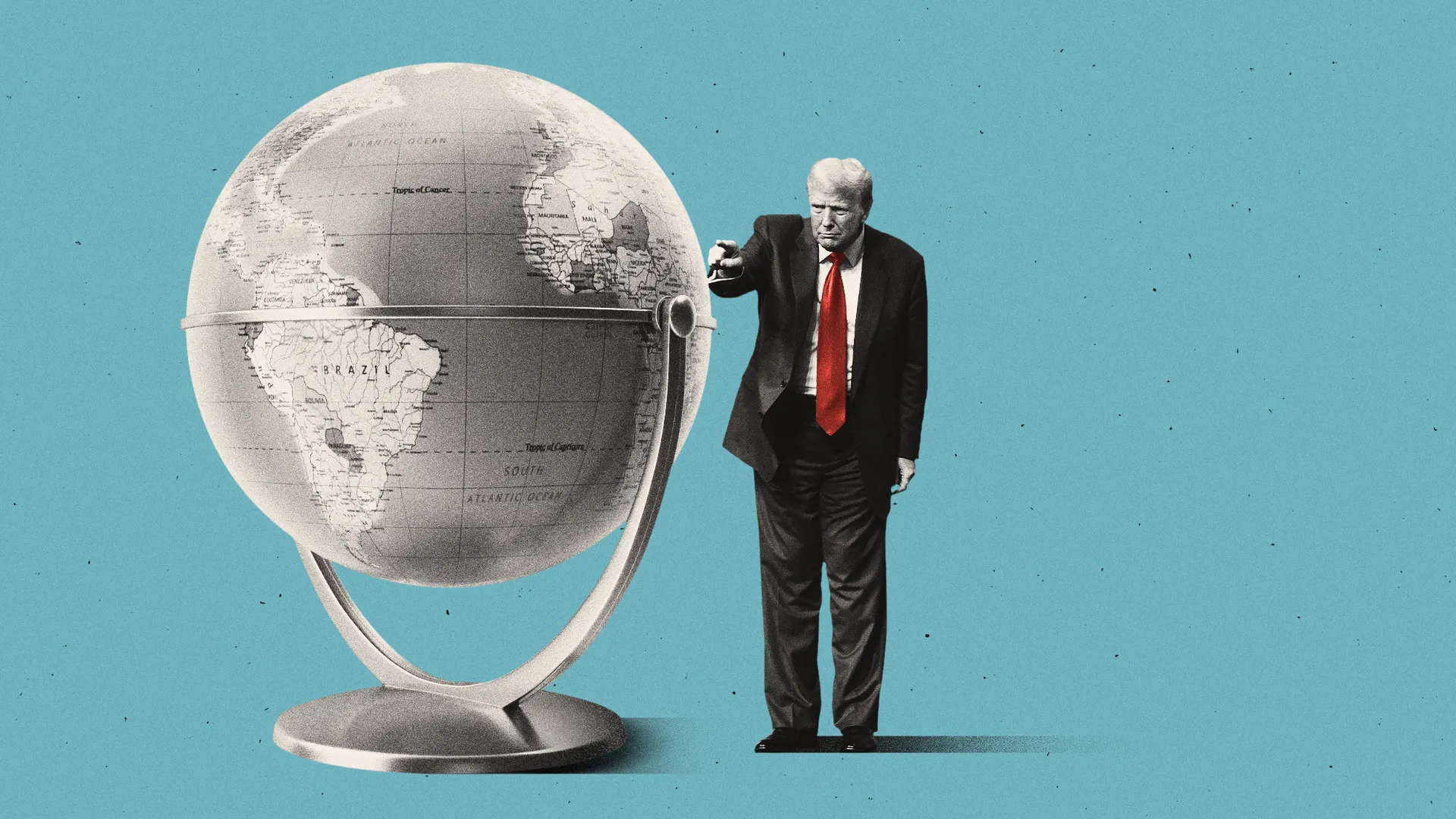
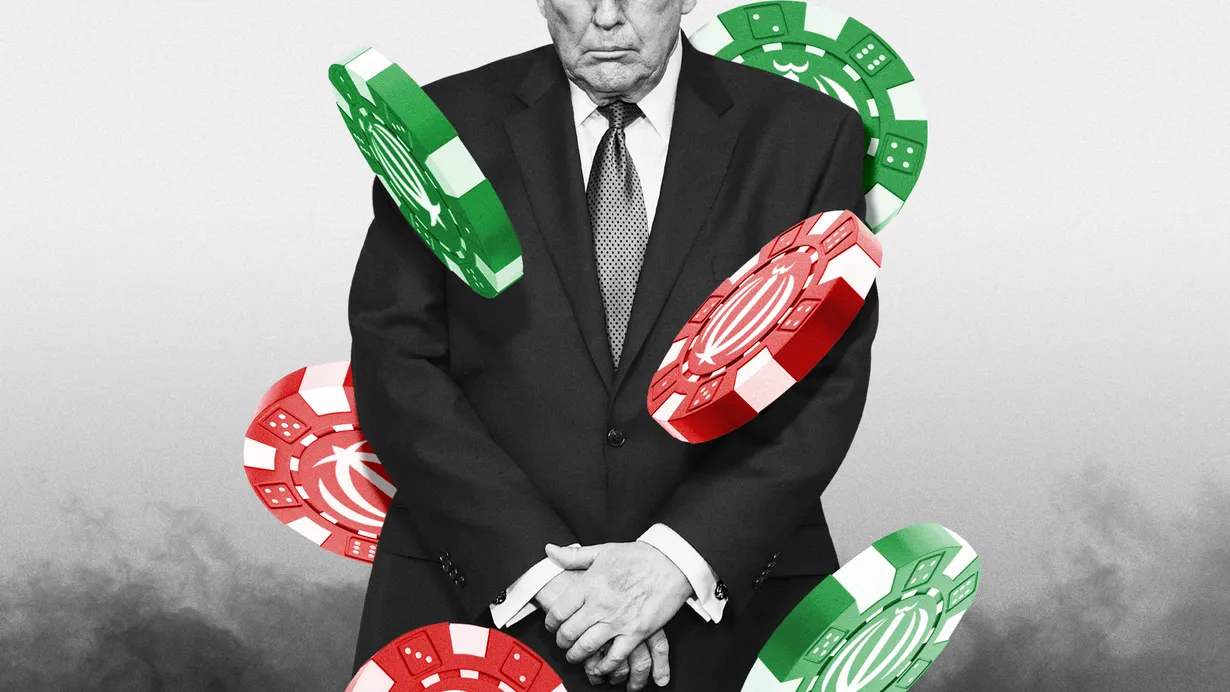
    Where to next for Trump’s imperial ambitions?

    President Donald Trump has suggested the U.S. could take military action against other countries in Latin America or even Europe. He has threatened Colombia and its “sick man” president, Gustavo Petro; warned Mexico’s leaders to “get their act together”; proclaimed Cuba is “ready to fall”; and told Iran that the U.S. is “locked and loaded and ready” to rescue “peaceful protesters” against the regime. And he insisted that “we need Greenland from the standpoint of national security,” drawing criticism from European leaders. 

    What did the commentators say? 
    The attack on Venezuela and capture of Maduro “herald the decoupling of Trump’s United States from the rules-based international order” and the crumbling of the “liberal order as a whole,” said Juan Luis Manfredi, a journalism professor at Spain’s University of Castilla-La Mancha, at The Conversation. “A new international order is now emerging, based on the use of force, revisionism and security on the American continent.” 

    The “heady rush to instant criticism” can divorce policy from its “historical contexts,” but Trump’s policies are “in line with long-standing patterns of American behavior,” said historian Jeremy Black at The Telegraph. America’s policies “clash with notions of the national sovereignty of others,” but these notions can also “protect dictatorships and oppression.” 

    As we have seen with Ukraine, Yemen and the Israel-Gaza conflict, Trump has a “focus on short-term achievements over more complicated, longer-term questions about governance and stability,” said Courtney Subramanian and Kate Sullivan at Bloomberg. But this is a “philosophy that could backfire on American interests.” China could use the “Trumpian approach” as a template to “take back Taiwan,” while Russia could feel emboldened to “renew its efforts to topple” Ukraine’s Volodymyr Zelenskyy. 

    What next? 
    For Trump, what happens next will depend largely on how the situation plays out in Venezuela over the coming weeks and months. Success could encourage the U.S. administration to “expand its pressure campaign to Cuba or other disfavored regimes,” geoeconomics analyst Jimena Zuniga said to Bloomberg. On the other hand, “failure could temper its appetite for intervention.”


    QUOTE OF THE DAY

    ‘We live in a world, in the real world, that is governed by strength, that is governed by force, that is governed by power.’

    Senior White House aide Stephen Miller, in a CNN interview, on how the U.S. is “in charge” of Venezuela because “we have the United States military stationed outside the country. We set the terms and conditions.”


    IN THE SPOTLIGHT

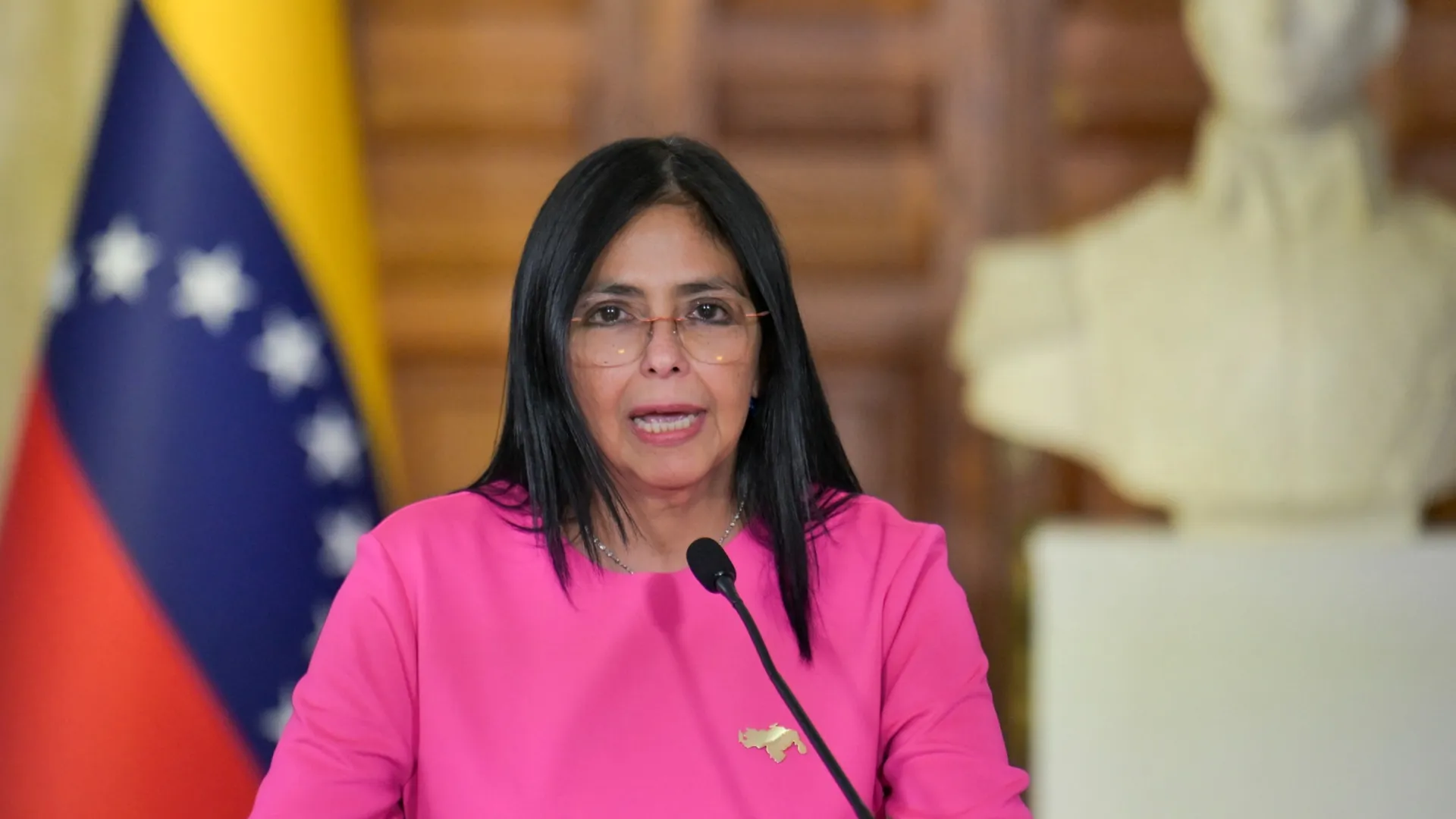
    Rodríguez: Maduro’s No. 2 now running Venezuela

    After President Donald Trump made global shockwaves by capturing and extraditing Venezuelan President Nicolás Maduro, thoughts inevitably turned to Maduro’s successor. That role quickly landed at the feet of Delcy Rodríguez, Maduro’s vice president, who’s now serving as Venezuela’s interim president. She has been a mainstay in Venezuelan politics, but her role as Venezuela’s de facto leader could prove significantly more challenging.

    Her beginnings
    Rodríguez, 56, was born in the Venezuelan capital of Caracas alongside her brother, who has served as the president of Venezuela’s National Assembly since 2021. Rodríguez and her family have “sterling leftist credentials,” said The Associated Press. Her father, who heavily influenced her career, helped found the Socialist League, a militant far-left Marxist party, in the 1970s. 

    She was an attorney before entering politics and then “began her political career in 2003, during the reign of former President Hugo Chávez,” said Time. Under Chávez, Rodríguez climbed the ranks and “served in many roles.” When Maduro took over in 2013, he “appointed Rodríguez as minister of communication” before appointing her vice president in 2018.

    In 2017, Maduro praised Rodríguez, saying she had “defended Venezuelan sovereignty, peace and independence like a tiger,” according to Reuters. But like Maduro himself, who was reelected several times following contested elections, Rodríguez has “faced sanctions from several countries and is currently banned from neighboring Colombia,” said Time. The U.S., Canada, Switzerland and the European Union have sanctioned Rodríguez for her “role in undermining Venezuelan democracy,” said the AP.

    ‘Deeply uncertain future’
    As interim president, Rodríguez will likely face an uphill battle, given that the majority of the Western world, including the U.S., did not recognize the Maduro administration as legitimate. Despite this, she has been “backed thus far as the nation's new leader by Venezuela's military,” said CBS News. 

    With Rodríguez at the helm, the country’s “roughly 30 million people face a deeply uncertain future in the wake of Trump’s actions,” said CBS. It remains unclear “how much autonomy Washington will allow the country,” though Rodríguez and Trump have reportedly been in contact, with Trump pushing for pro-U.S. policies. If Rodríguez “doesn’t do what’s right, she’s going to pay a very big price, probably bigger than Maduro,” Trump said to The Atlantic, though he did not elaborate on this threat.


    Statistic of the day

    0.001%: The percentage of the world’s population that holds three times as much wealth as the entire bottom half of the planet, according to the 2026 World Inequality Report. And the top 10% of income earners make more money than the other 90% combined. 


    the explainer

    The Mint’s anniversary coins face whitewashing 

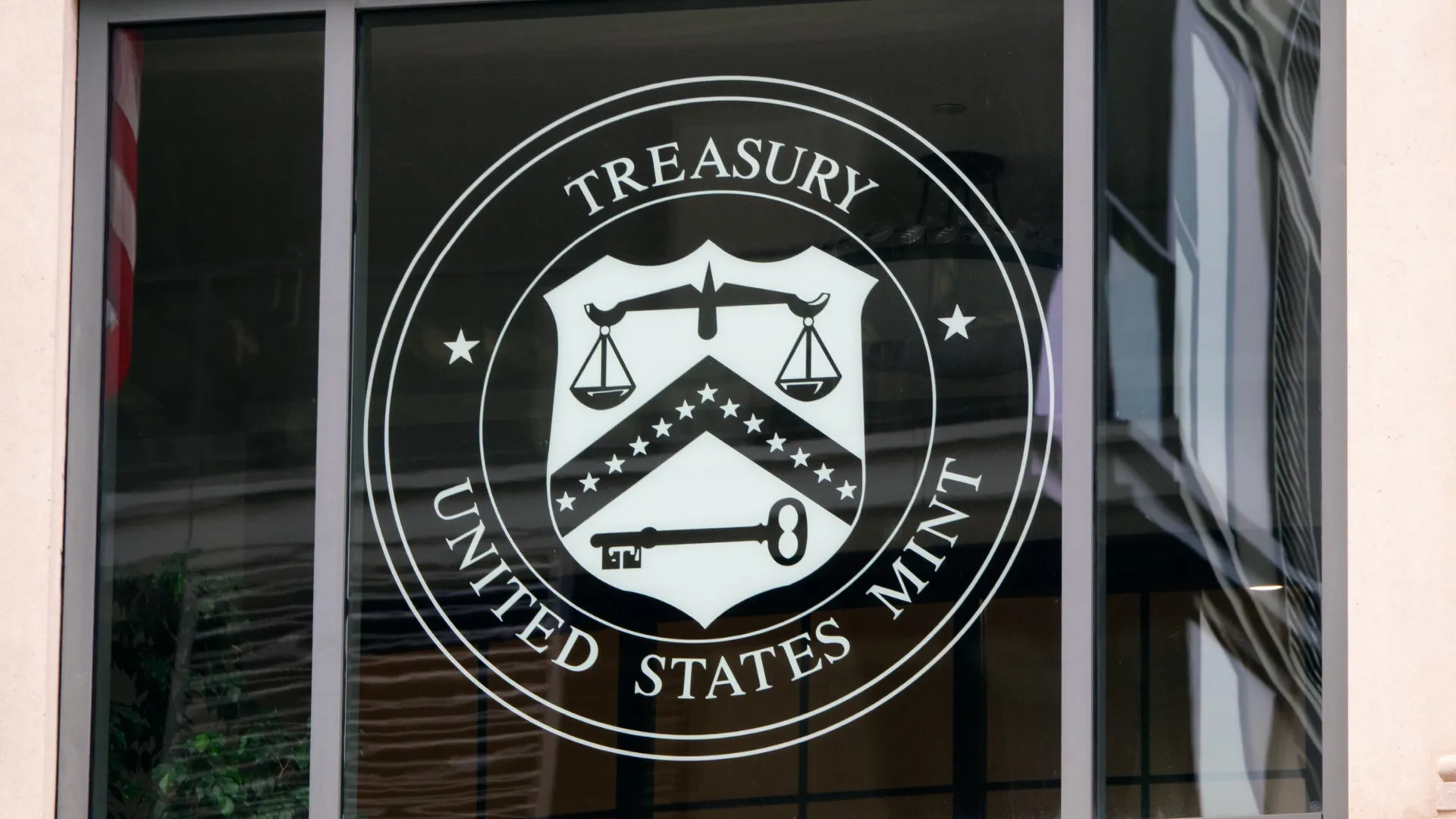
    The U.S. Mint began circulating new coins this week in celebration of the country’s 250th anniversary. And these semiquincentennial coins are generating headlines for what they depict as much as for what they don’t. The coin designs omit notable moments in women’s history, the civil rights movement and more in what some are calling a whitewashing effort. And many are pointing to the Trump administration as the culprit.

    What do these coins depict?
    The coins feature various moments throughout the country’s life, with the new quarter in particular featuring “five new designs related to American history,” according to the Mint. The designs depict a pilgrim couple, as well as four former presidents: Thomas Jefferson, Abraham Lincoln, James Madison and George Washington. The coins are part of an American history movement “dedicated to fostering prosperity and patriotism,” said U.S. Treasurer Brandon Beach to Fox News.

    Why are they controversial?
    The Trump administration has been accused of nixing prior coin designs for the semiquincentennial that featured more women and people of color. During the Biden administration, a bipartisan advisory panel for the coin designs “settled on five options, including quarters honoring abolitionist Frederick Douglass; Ruby Bridges, a 6-year-old girl who helped integrate public schools in New Orleans; and the women’s suffrage movement,” said The Washington Post.

    But when the Trump administration took over, they decided to “ignore the committee’s recommendation and produce quarters that are far less diverse and more traditional,” said the Post. The White House claimed that the Biden administration’s designs were too “focused on diversity, equity and inclusion, and critical race theory.”

    Another controversial element of the coins involves President Donald Trump himself. The Mint is reportedly considering a $1 coin featuring Trump’s face, a “move usually shunned as a symbol of monarchy,” said NPR. George Washington “didn’t appear on a coin until 1932, more than a century after his death,” and the first president was “strongly opposed to that kind of personal aggrandizement.” Nine Democratic U.S. senators wrote a letter to the Treasury claiming this coin would be part of Trump’s “cult of personality.”


    Good day 📈

    … for the copper industry. Copper prices have climbed to a record high, soaring above $13,000 per metric ton for the first time, “driven by concerns over tightening supply and tariff uncertainty in the U.S.,” said The Wall Street Journal. And last year, copper surged 42% — its “biggest annual gain since 2009.”


    Bad day 👓

    … for virtual reality. Apple is ramping down production of its flagship VR headset Vision Pro amid faltering sales. Only 45,000 of the $4,330 headsets were sold in the last quarter of last year, according to market research, prompting the tech giant to instead focus on AI-enabled devices.


    Picture of the day

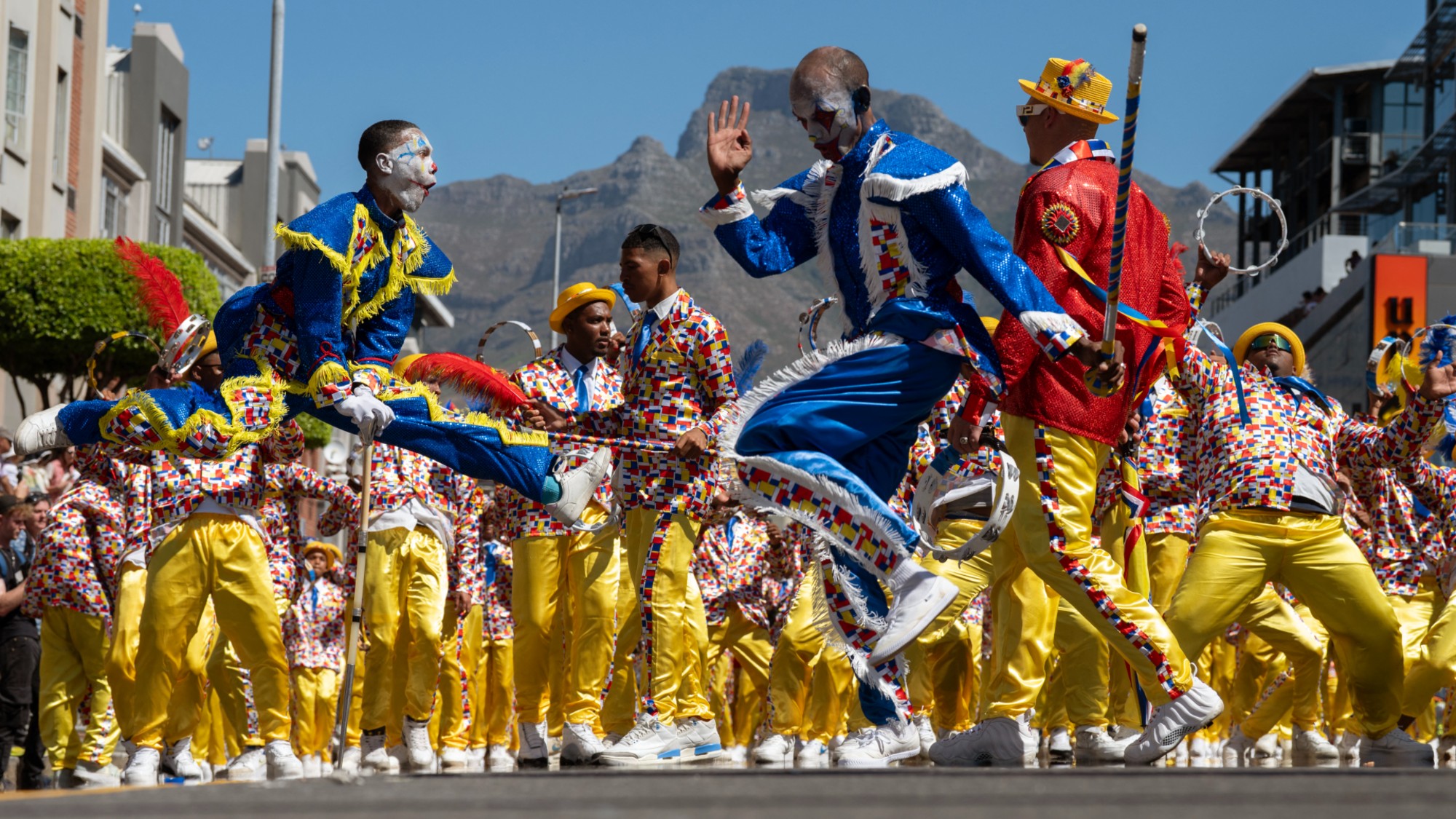
    Celebration of resistance

    South Africans join in the Tweede Nuwe Jaar (Second New Year) parade, also known as Kaapse Klopse, in Cape Town. The annual event is thought to have begun in the 1800s to celebrate the one day off that the city’s enslaved people were traditionally allowed each year.
    Rodger Bosch / AFP / Getty Images


    Puzzles

    Guess the number

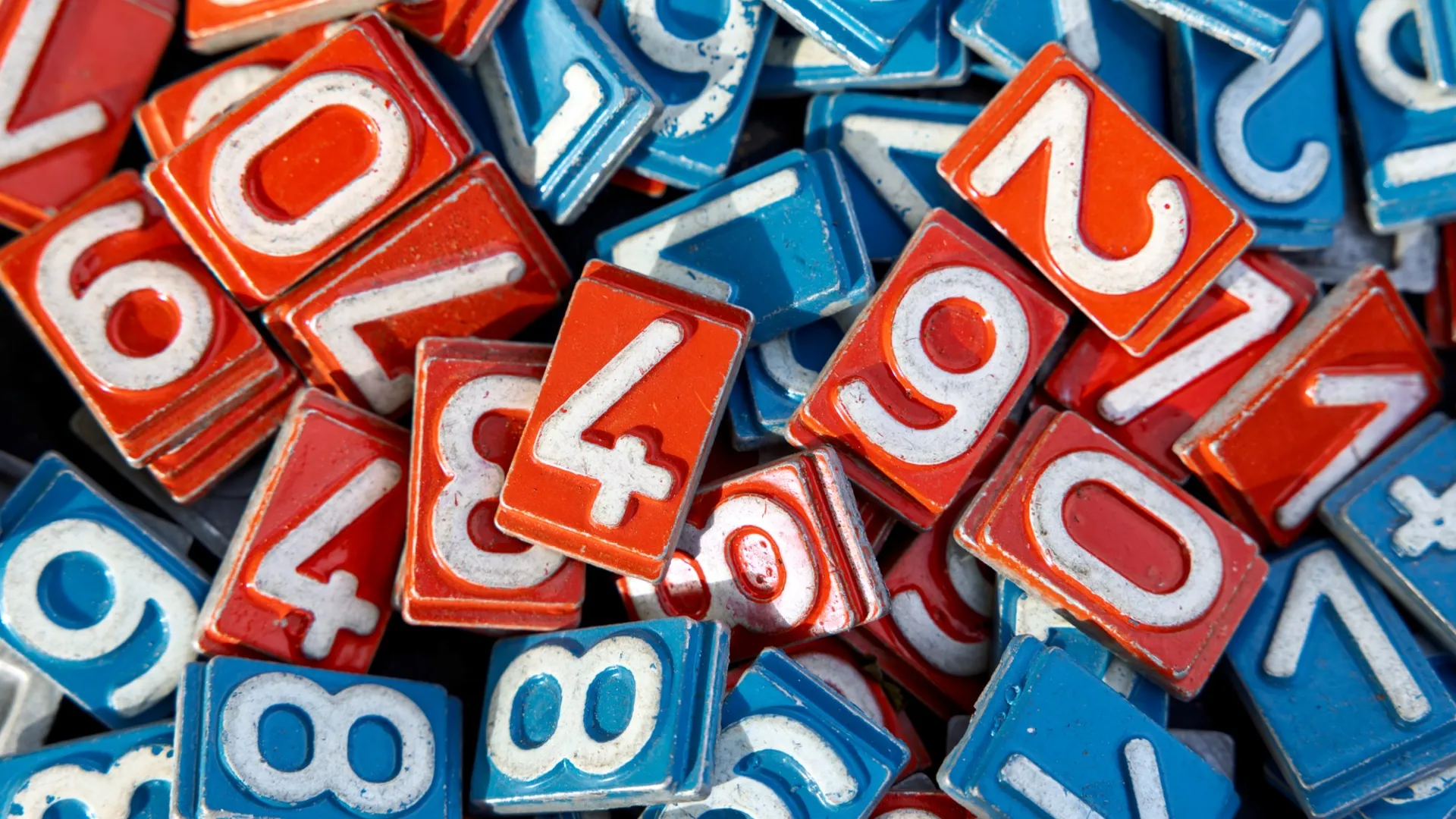
    Try The Week’s new daily number challenge in our puzzles and quizzes section

    Play here


    The Week recommends

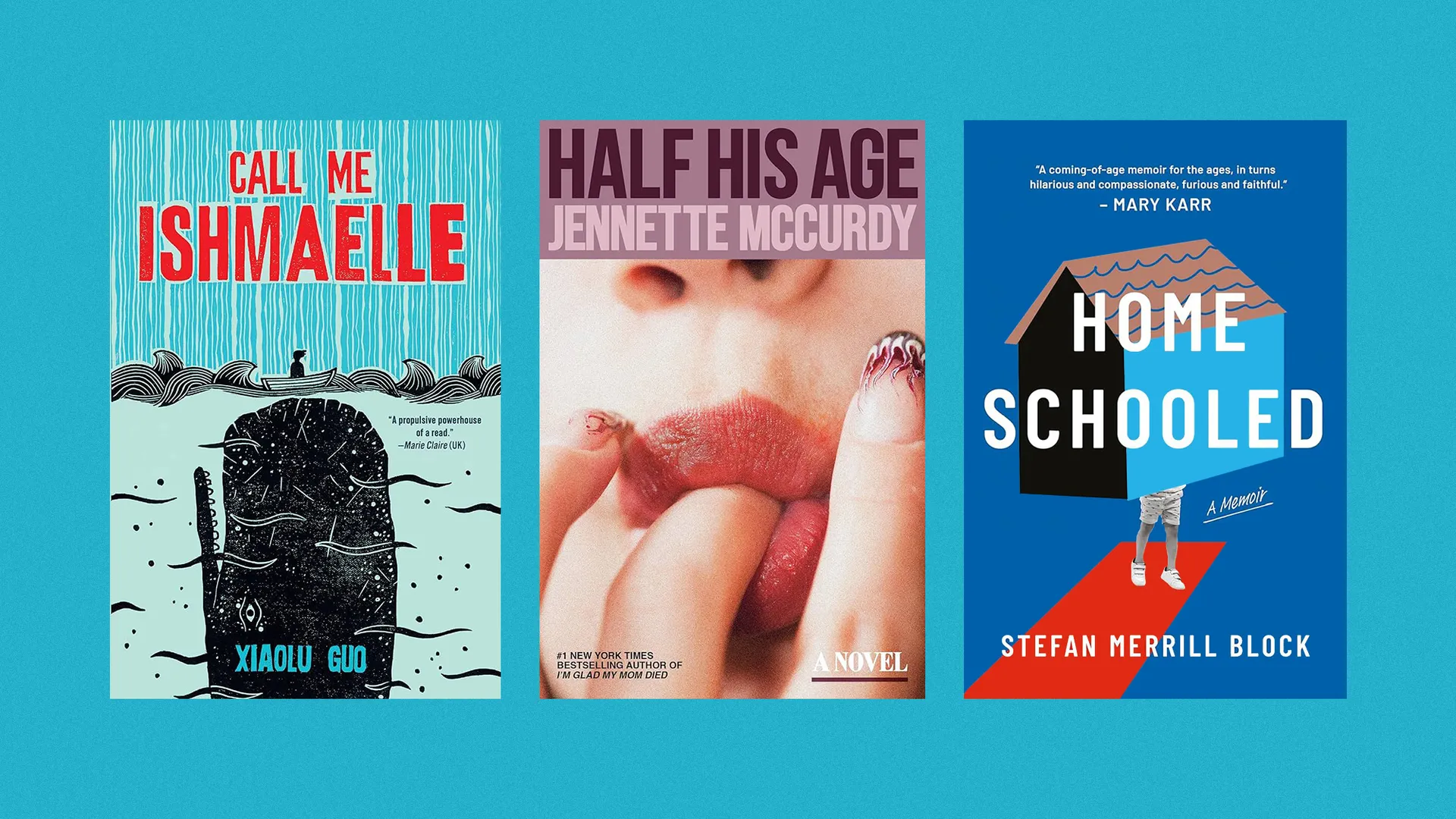
    New books take on ‘Moby Dick,’ homeschooling and loneliness

    The new year means the kickoff of a season with highly anticipated book releases. This month, readers can dig into several promising projects, including a clever take on a literary staple, a peek into the world of homeschoolers, and former Nickelodeon star Jennette McCurdy’s fiction debut.

    ‘Call Me Ishmaelle’
    One of this year’s most anticipated releases is a feminist reimagining of the literary classic “Moby Dick.” National Book Critics Circle Award-winning author Xiaolu Guo recasts Ishmael as a 17-year-old girl disguised as a cabin boy and Ahab as a Black freedman named Seneca. Guo “blends in her own rhetorical tweaks,” shifting to the “mad, complex voices of Seneca and, at times, the whales themselves.” (out now, $18, Grove Atlantic)

    ‘Homeschooled: A Memoir’
    Novelist Stefan Merrill Block recounts the five years he spent largely on his own while homeschooled in his new “absorbing” memoir, said The Washington Post. Isolated from his peers and “virtually abandoned by the adults who might have intervened,” Block “moldered behind closed doors with only his unraveling mother for company.” (out now, $30, Harper Collins Publishers)

    ‘Half His Age’
    Former child star Jennette McCurdy’s provocative debut novel follows Waldo, a “naive, lonely, impulsive teenager” who sets her sights on her married creative writing teacher, said the Booklist Queen. Through Waldo, McCurdy explores the “complexities of desire, consumerism, class, loneliness, the internet, rage, addiction and the (oftentimes misguided) lengths we will go to in order to get what we want,” the author said in a statement, per Variety. (Jan. 20, $30, Penguin Random House)

    Read more


    Poll watch

    More than half of Americans (52%) want to lose weight this year, according to a Gallup survey. But of the 1,321 adults polled, only 26% — 30% of women and 22% of men — are actively trying to lose weight.


    INSTANT OPINION

    Today's best commentary

    ‘The Yemeni crisis: more complexity and many repercussions’
    AbdulHakim Helal at Al Jazeera
    Events in Yemen are “escalating quickly and dramatically, reaching the point of armed clashes,” says AbdulHakim Helal. Many view these developments as a “natural outcome of a long, cumulative trajectory of complexities the country has experienced since the civil war erupted in late 2014 and the humanitarian and economic repercussions that followed.” But “external interventions had a profound impact in creating political and administrative chaos that intensified internal divisions and exposed what remained of the legitimate state.”

    ‘America needs a transcontinental railroad’
    Michael Toth at The Wall Street Journal
    Union Pacific and Norfolk Southern are “seeking approval to create America’s first transcontinental railroad,” which would “upgrade critical infrastructure and send the right message on affordability,” says Michael Toth. “Freight transport times could drop by days.” A “significant benefit of the deal is the ability to bypass bottlenecks.” Without a “single line that can transport freight across the country, long-haul shipments are transferred from one rail company to another at inland junctions,” and the U.S. “supply chain deserves better.”

    ‘We can safely experiment with reflecting sunlight away from Earth’
    Dakota Gruener and Daniele Visioni at The Guardian
    The idea of “reflecting a small fraction of incoming sunlight to reduce warming is not a new idea,” say Dakota Gruener and Daniele Visioni. It’s “no substitute for cutting emissions,” and if “deployed and then suddenly halted, the planet will experience rapid rebound warming.” The world may “never need to reflect sunlight,” but the “only way to make a future responsible decision about its use will be to generate real-world evidence, transparently, before a crisis forces our hand.”


    WORD OF THE DAY

    aparajita

    The Indian word for the butterfly pea flower. The striking blue bloom can be used to make a color-changing tea or vibrant dye. Growing global demand for natural colorants is now “attracting entrepreneurs in India” to the burgeoning butterfly pea industry, said the BBC. 


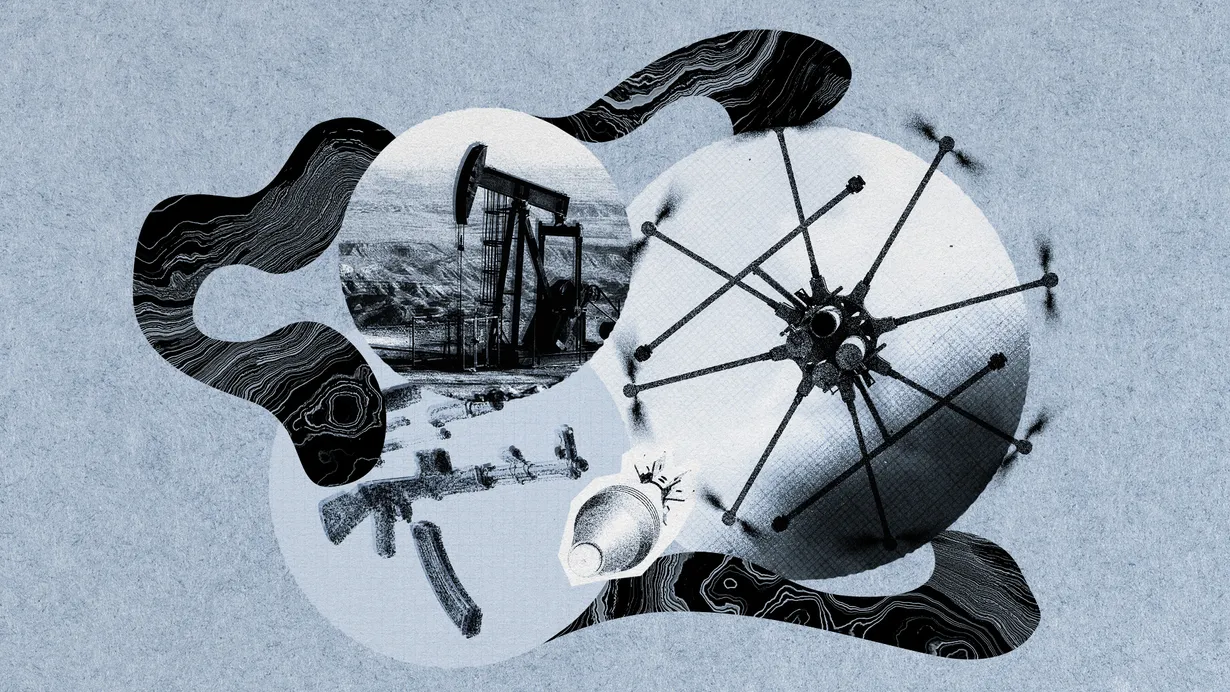
    Evening Review was written and edited by Theara Coleman, Nadia Croes, Scott Hocker, Justin Klawans and Summer Meza, with illustrations by Stephen Kelly and Julia Wytrazek.

    Image credits, from top: Illustration by Stephen Kelly / Getty Images / Shutterstock; Juan Barreto / AFP / Getty Images; Kevin Carter / Getty Images; Grove Atlantic / Penguin Random House / HarperCollins
     

    Recent editions

    • Morning Report

      Maduro tells court he was ‘kidnapped’

    • Evening Review

      Venezuela’s power vacuum

    • Morning Report

      Trump gambles on regime change

    VIEW ALL
    TheWeek
    • About Us
    • Contact Future's experts
    • Terms and Conditions
    • Privacy Policy
    • Cookie Policy
    • Advertise With Us
    • FAQ
    Add as a preferred source on Google

    The Week is part of Future US Inc, an international media group and leading digital publisher. Visit our corporate site.

    © Future US, Inc. Full 7th Floor, 130 West 42nd Street, New York, NY 10036.