The Week The Week
flag of US
US
flag of UK
UK
https://cdn.mos.cms.futurecdn.net/flexiimages/jacafc5zvs1692883516.jpg

SUBSCRIBE & SAVE

Less than $3 per week

Sign in
  • View Profile
  • Sign out
  • The Explainer
  • The Week Recommends
  • Newsletters
  • Cartoons
  • From the Magazine
  • The Week Junior
  • Student Offers
  • More
    • Politics
    • World News
    • Business
    • Health
    • Science
    • Food & Drink
    • Travel
    • Culture
    • History
    • Personal Finance
    • Puzzles
    • Photos
    • The Blend
    • All Categories
  • Newsletter sign up Newsletter
  • The Week Evening Review
    A credit interest cap, Mississippi’s education wins, and Greenland’s mining challenges

     
    TODAY’S BIG QUESTION

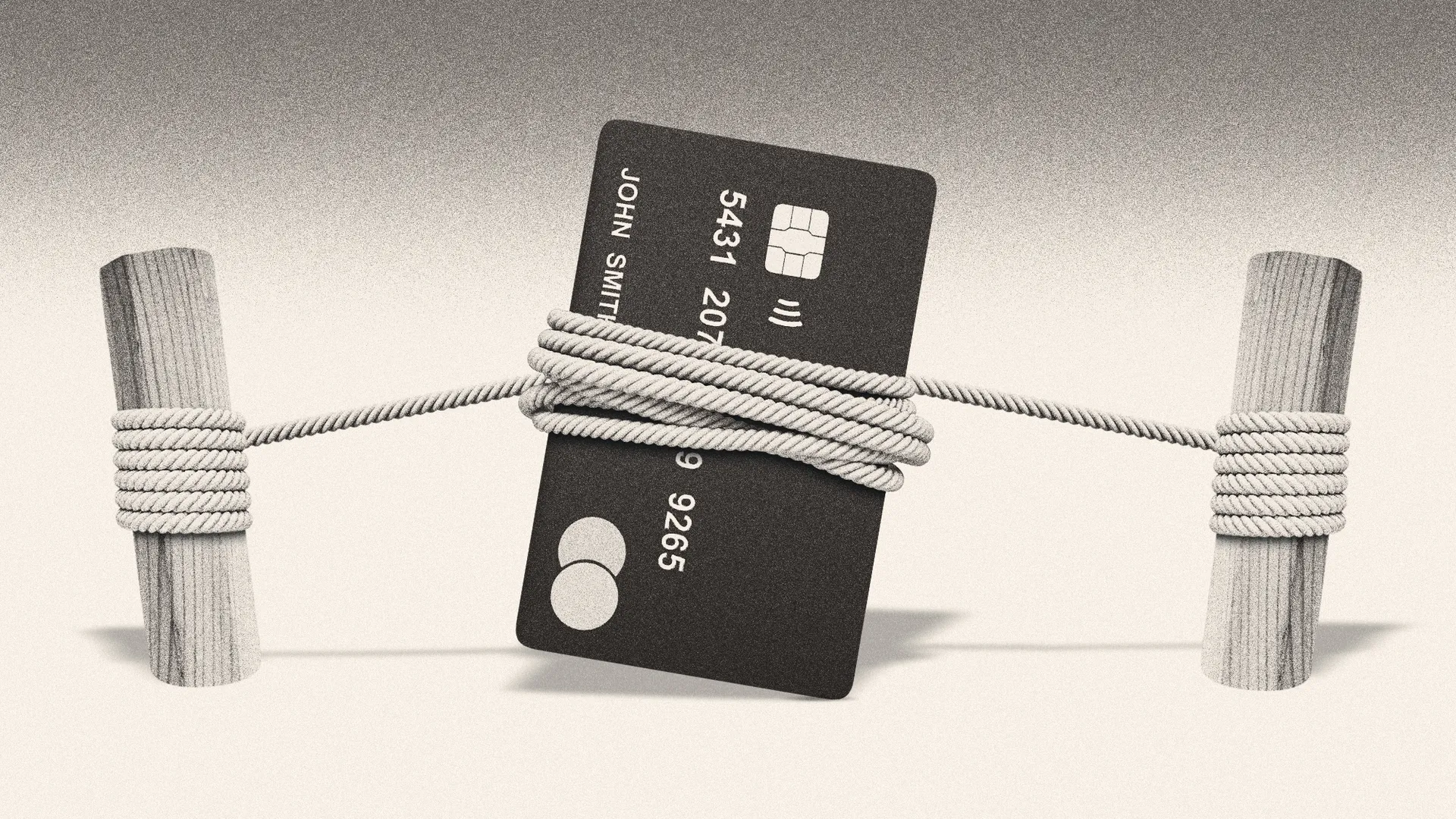
    Will Trump’s credit card rate limit help consumers?

    President Donald Trump wants to make it more affordable for Americans to go into debt. The president says banks should cap credit card interest at 10% for a year — an idea that elicits some applause from borrowers and a lot of consternation from finance companies.

    Trump’s proposed cap could “save Americans billions of dollars,” said Axios, but banks “warn of consumers losing access to credit.” The idea has drawn support from progressives but also some conservatives. Banking lobbyists have “freaked out,” however. The proposal emerges as card rates have jumped to “record levels,” hitting highs of 21% during the last quarter of 2025. 

    What did the commentators say?
    Industry groups say the cap would spark a “severe pullback in lending” because it would make credit cards unprofitable, said Reuters. The Electronic Payments Coalition said more than 80% of credit card accounts would be “closed or severely restricted.” But credit card profit margins are “absolutely massive,” said Brian Shearer of the Vanderbilt Policy ​Accelerator. “There really is some fat to cut."

    Credit companies have “behaved as loan sharks,” said Cheryl K. Chumley at The Washington Times. In the recent past, cards “capped at around 12%,” but that was before banks started “soliciting college students as customers.” As a result, Americans are “ensnared” in debt and the “only clear winners have been the banks.” A cap would force lenders to tighten lending standards. “The truth is some people just shouldn’t have credit cards.”

    There is a reason credit cards “carry high rates when granted to risky debtors,” said Charles C.W. Cooke at the National Review. Interest rates are “inextricably tied” to the risk of lending money to people less able to afford debt payments. A cap would mean fewer Americans would be able to get credit cards. That might produce the populist affordability backlash that Trump is trying to avoid.

    What next?
    The financial industry is girding to fight Trump’s proposal, said CNBC. If banks are forced to “reduce the supply of credit,” said JPMorgan Chase CFO Jeremy Barnum, it would be bad for the “wider economy.” Senate Majority Leader John Thune (R-S.D.), who has voiced skepticism about Trump’s idea, said to Politico that a floor vote on the proposal is probably coming at “some point.”


    IN THE SPOTLIGHT

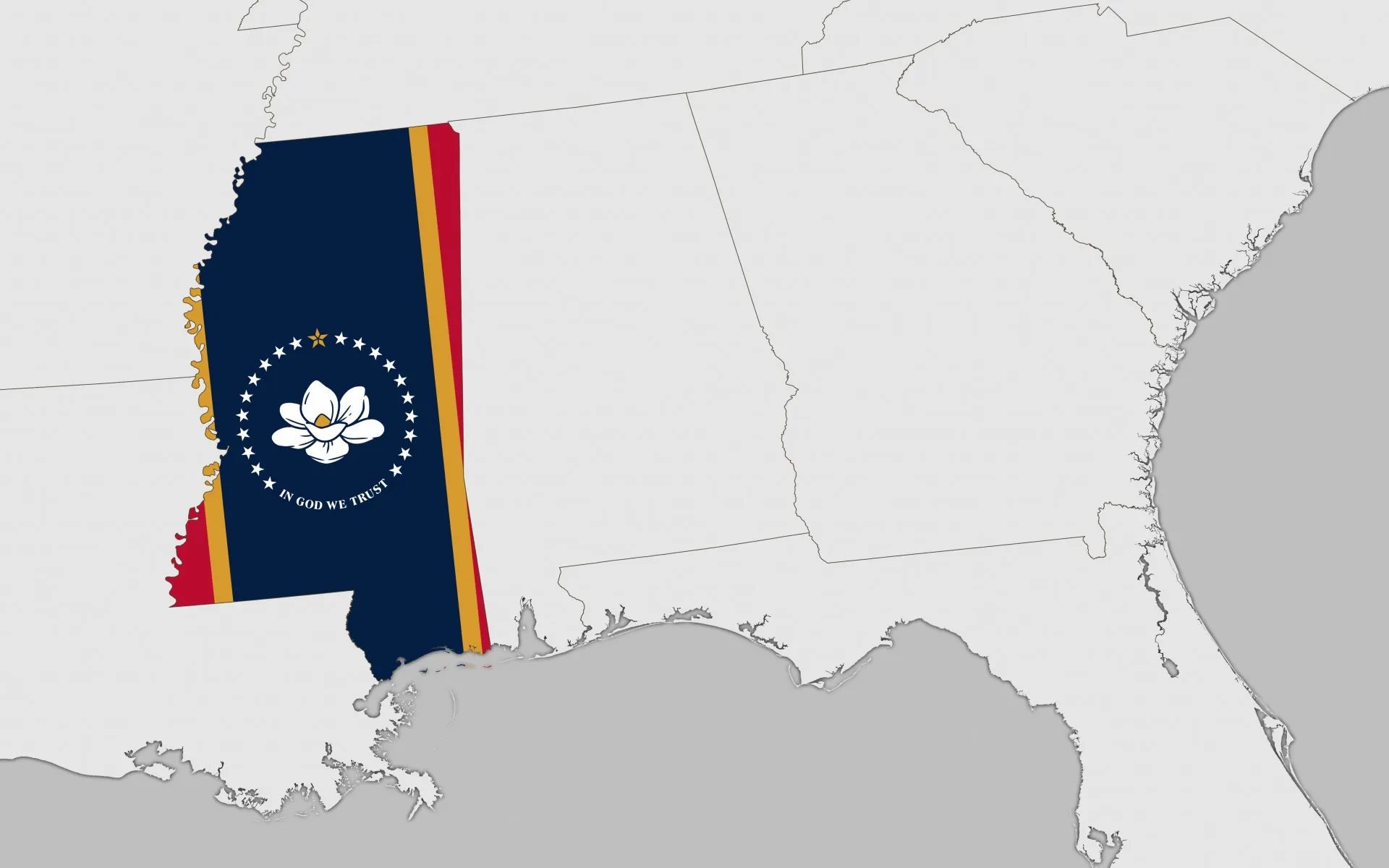
    How Mississippi moved from the bottom to the top in education

    Mississippi’s upward progress has made it the center of conversation in the education world over the past few years. How did one of the poorest states manage such significant jumps in statistics?

    Climbing the ranks
    Mississippi has risen from 49th in the country on national tests in 2013 to a top 10 state for fourth-grade reading levels in 2024, “even as test scores have fallen almost everywhere else,” said The New York Times. Adjusted for poverty and other demographic factors, Mississippi ranks first in fourth-grade reading and math and is at or near the top in eighth-grade reading and math, according to the Urban Institute.

    The state’s overall education ranking rose to 16th nationally last year, its “highest ever,” said the International Business Times. Mississippi’s low-income fourth graders “now perform better than those in every other state.​”

    How it happened
    The turnaround has many wondering how Mississippi, with its “low education spending and high child poverty,” managed such a change, said the Times. It did not rely on common proposals such as “reducing class sizes or dramatically boosting per-student funding.” Instead, the state made sweeping policy changes, including “changing the way reading is taught,” relying on an approach known as the science of reading. It is also “embracing contentious school accountability policies other states have backed away from.”

    Mississippi additionally “raised academic standards and started giving each school a letter grade, A to F,” said the Times. The state takes an “unusually strong role in telling schools what to do.” The Department of Education also deploys literacy and mathematics coaches in low-performing elementary schools. 

    Perhaps the most controversial policy is holding back third graders who cannot read proficiently. The state was able to enact changes, in part, because it has “weak teachers’ unions,” said the Times, which have “traditionally resisted accountability linked to standardized testing.”

    Next steps
    Mississippi is intensifying its efforts, with the education department planning to request $9 million from state lawmakers this year to “expand literacy coaching beyond the early elementary grades,” the Times said. Other states have “gone in the opposite direction” by “backing off accountability and lowering proficiency standards, sometimes in the name of equity.” Still, a handful of states, including Louisiana and Alabama, are “seeing promising results using a similar set of strategies as Mississippi.”


    QUOTE OF THE DAY

    ‘I don’t feel as though fate looks upon you often, and when it does, you better be ready to seize the opportunity’

    Autoworker TJ Sabula, who was suspended after yelling “pedophile protector” at Trump during a Ford plant visit, on having “no regrets whatsoever,” per The Washington Post. His shout prompted the president to mouth “f–k you” and give Sabula the middle finger.


    Statistic of the day

    $75M: The record prize money being offered at this year’s Australian Open. The famed tennis tournament is running now through Feb. 1. While the prize pot represents a 16% total increase from last year’s Australian Open, all singles and doubles Grand Slam players will get at least a 10% bump.


    the explainer

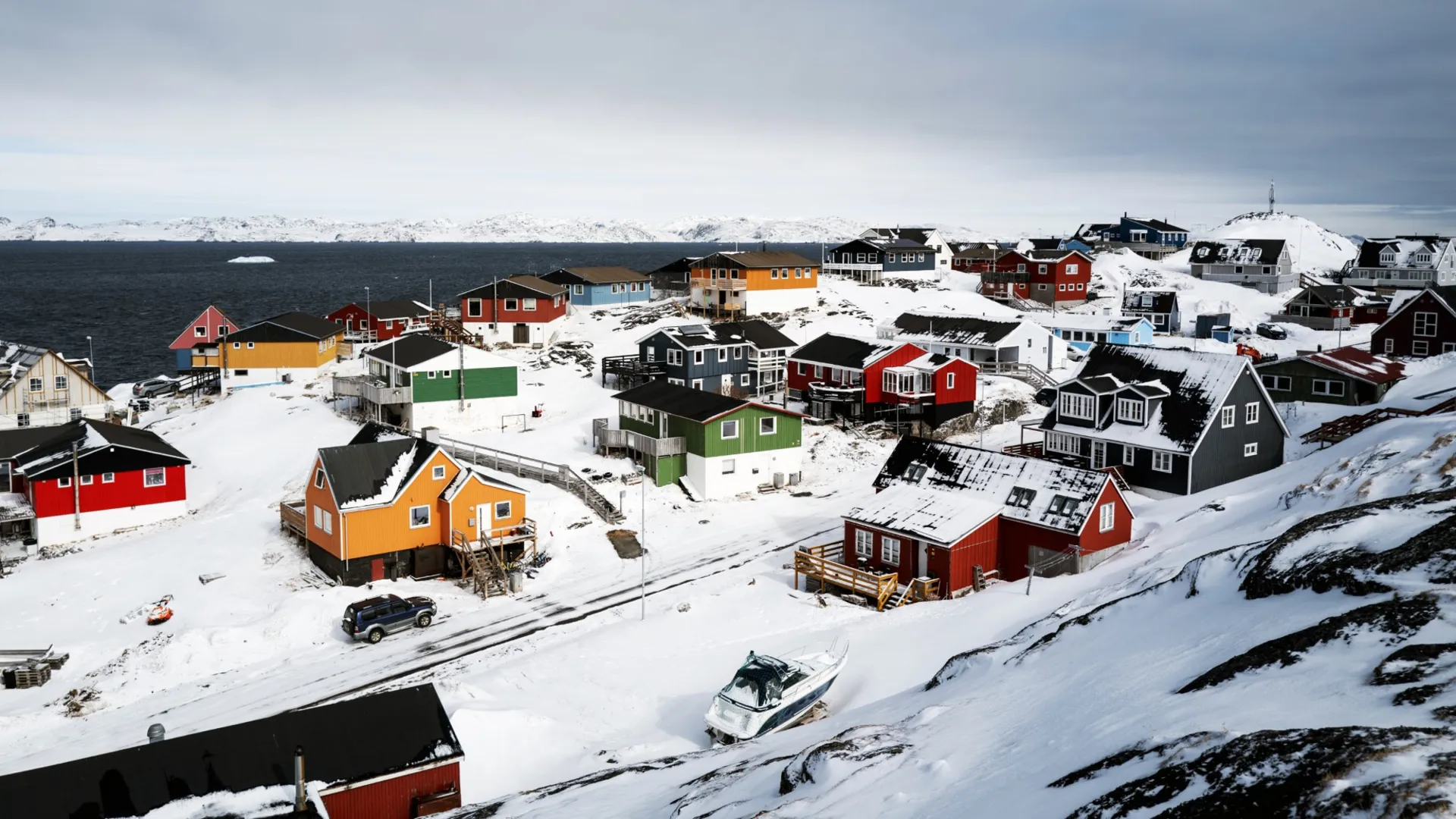
    Why Greenland’s resources are so hard to mine

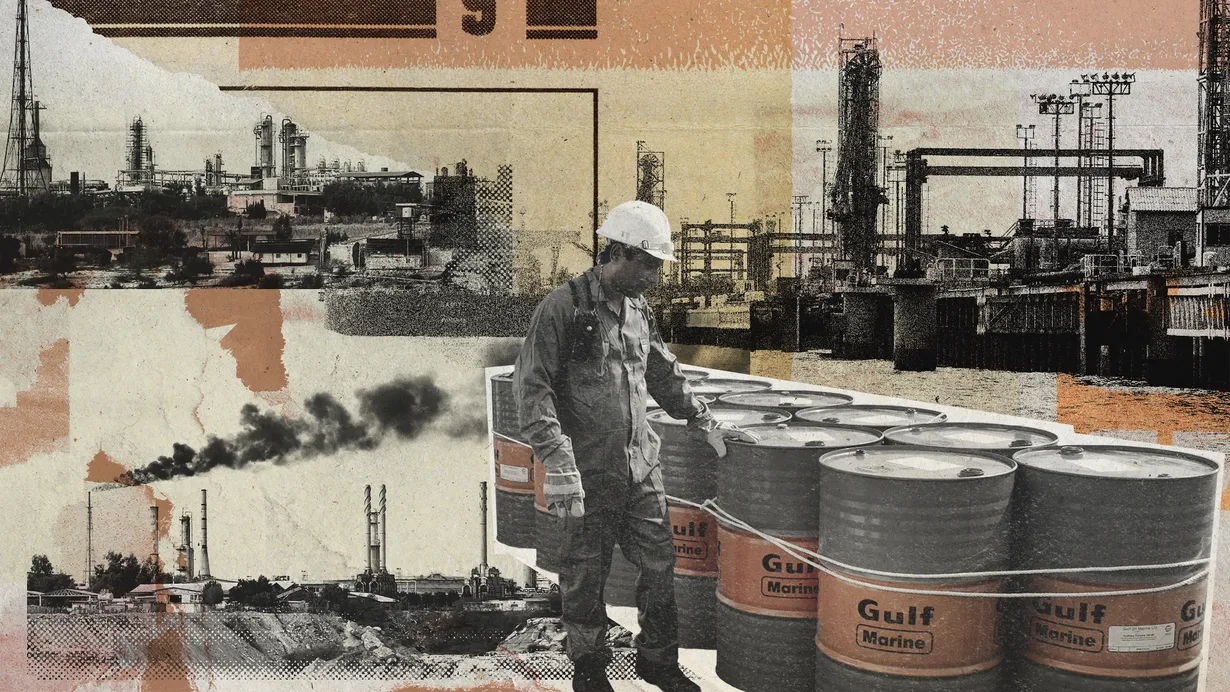
    President Donald Trump has renewed his efforts to take over Greenland, and tapping into the Danish territory’s natural resources is a key part of the strategy. But even if Trump were to make Greenland a U.S. territory (something Denmark vehemently opposes), experts say the island’s harsh climate and environment make mining Greenland an unachievable goal.

    What natural resources does it have?
    Greenland has significant supplies of rare earth elements. These “17 metals, with exotic-sounding names like terbium and neodymium, are vital for many everyday technologies,” said the BBC. Household items like televisions and smartphones “would not work without them.” Trump wants to tap into Greenland’s supply of rare earth minerals as part of an effort to overtake China, the country that currently “controls the world’s supply,” said Tony Sage, the CEO of Critical Metals, to the BBC.

    In addition, many “occurrences of graphite and graphite schist are reported from many localities on the island” of Greenland, said Reuters. Other minerals commonly found in the territory include diamonds, gold, nickel, titanium, tungsten and zinc, according to Greenland’s Mineral Resources Authority.

    Why is mining its resources so difficult?
    Most of Greenland’s natural resources are “located in remote areas above the Arctic Circle,” said CNN. About “80% of Greenland is covered with ice,” and mining the “Arctic can be five to 10 times more expensive than doing it elsewhere on the planet.”

    As a result, most of the efforts to mine Greenland’s minerals “generally haven’t advanced beyond the exploratory stage,” said The Associated Press. Even in southern Greenland, where the island is “populated, there are few roads and no railways,” said Diogo Rosa, an economic geology researcher with the Geological Survey of Denmark and Greenland, to the AP. Many of these remote areas don’t have consistent electricity. As of now, Greenland only has one fully operational mine. 

    It is clear that the “Trump administration might want to dominate the Arctic, not least to gain relative power over Russia and China,” said Lukas Slothuus, a research fellow at the University of Sussex, at The Conversation. But given the mining challenges, any “natural resource extraction is unlikely to feature centrally.”


    Good day 🏋️

    … for gym rats. Working out is as good as medicine in relieving symptoms of depression, a study by an independent network of researchers has found. Exercise, even light to moderate, was “as effective as pharmacological treatments or psychological therapies,” Andrew Clegg, a professor at the University of Lancashire in the U.K., said to NPR.


    Bad day 🤑

    … for mayoral legacies. Former New York City mayor Eric Adams has been accused of a meme coin scam after launching a cryptocurrency token whose value cratered shortly after its debut. The “NYC Token” was flagged for activity that resembled a “rug pull,” in which a coin’s backers suddenly sell off investments, leaving the token with little to no value.


    Picture of the day

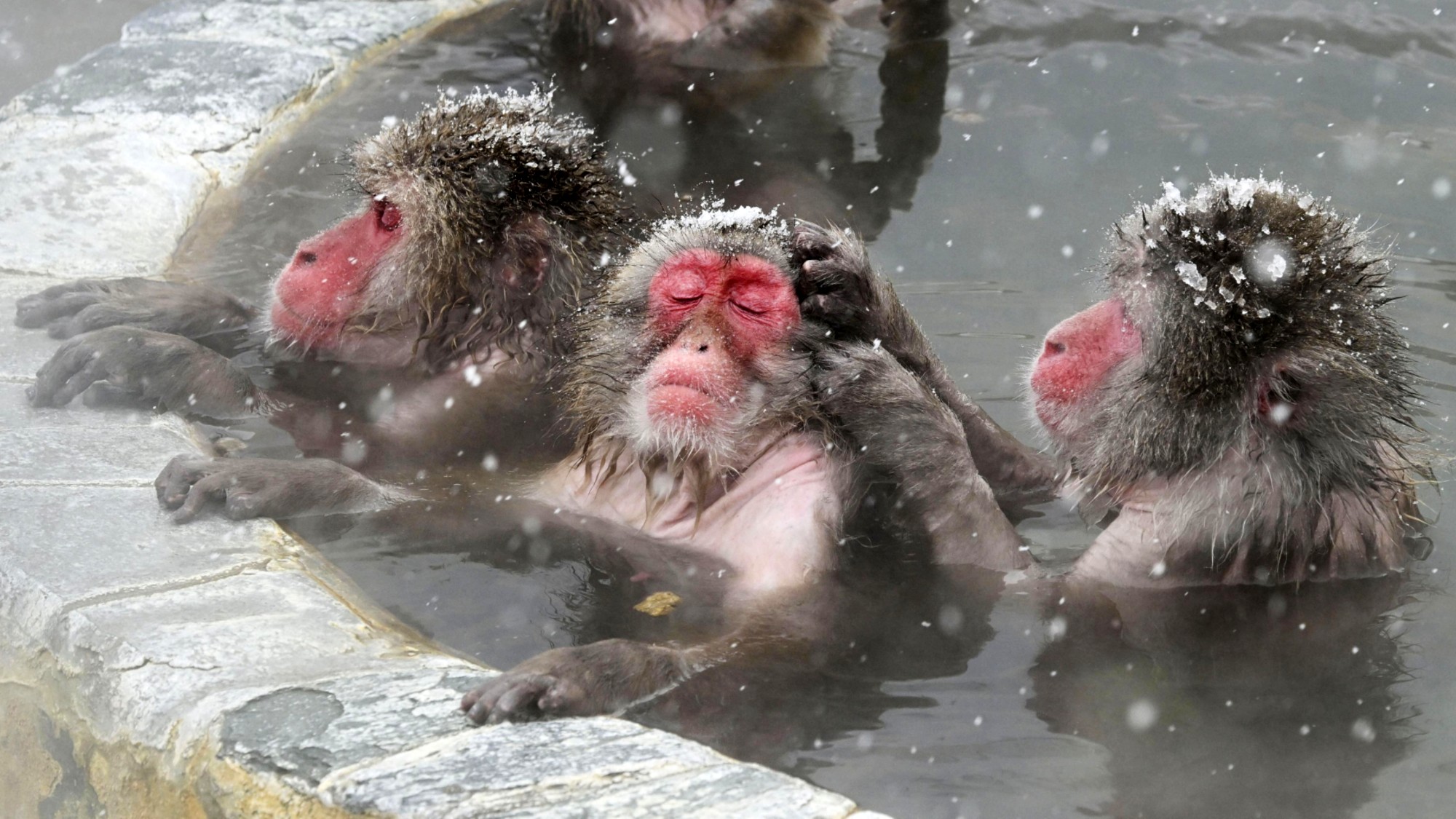
    Blowing off steam

    Macaques soak in an open-air hot spring at Hokkaido’s Hakodate Tropical Botanical Garden. Japan’s northernmost island has been hit by heavy snow and strong winds in recent days, causing chaos for its human residents and visitors.
    BJ Warnick / Newscom / Alamy Live News


    Puzzles

    Daily sudoku

    Challenge yourself with The Week’s daily sudoku, part of our puzzles section, which also includes guess the number 

    Play here


    The Week recommends

    Snowy escapes for a magical winter 

    Not everyone dreams of escaping the cold during the winter months. Whether lounging in luxury in Finland or snowshoeing through the Austrian Alps, these winter breaks are perfect for champions of chilly weather.

    Bled, Slovenia
    Slovenia’s Lake Bled is beautiful in every season, but this “fairy-tale destination” is especially stunning during the winter months, said Red magazine. The area has plenty of opportunities for ice skating and skiing, and a walk up to Bled Castle is rewarded with “fantastic views of the snowy scenery.” It’s also well worth taking a stroll around the lake to marvel at the “pretty island” in the middle. This is about as “romantic as snowy escapes get.”

    Helsinki, Finland
    While the Nordic capital is the perfect place to experience Finnish charm, the city has been “stymied by a lack of suitable places to stay,” said The Times. Enter Hotel Maria. The military quarters turned five-star hotel is “what happens when 19th-century architecture meets pared-back design.” It’s home to an “array of pools,” steam rooms and saunas. Head to the lobby for a meeting with the resident “experience concierge,” who will advise you to try that “Finnish essential: a harbor ice dip and sauna.”

    Lech, Austria
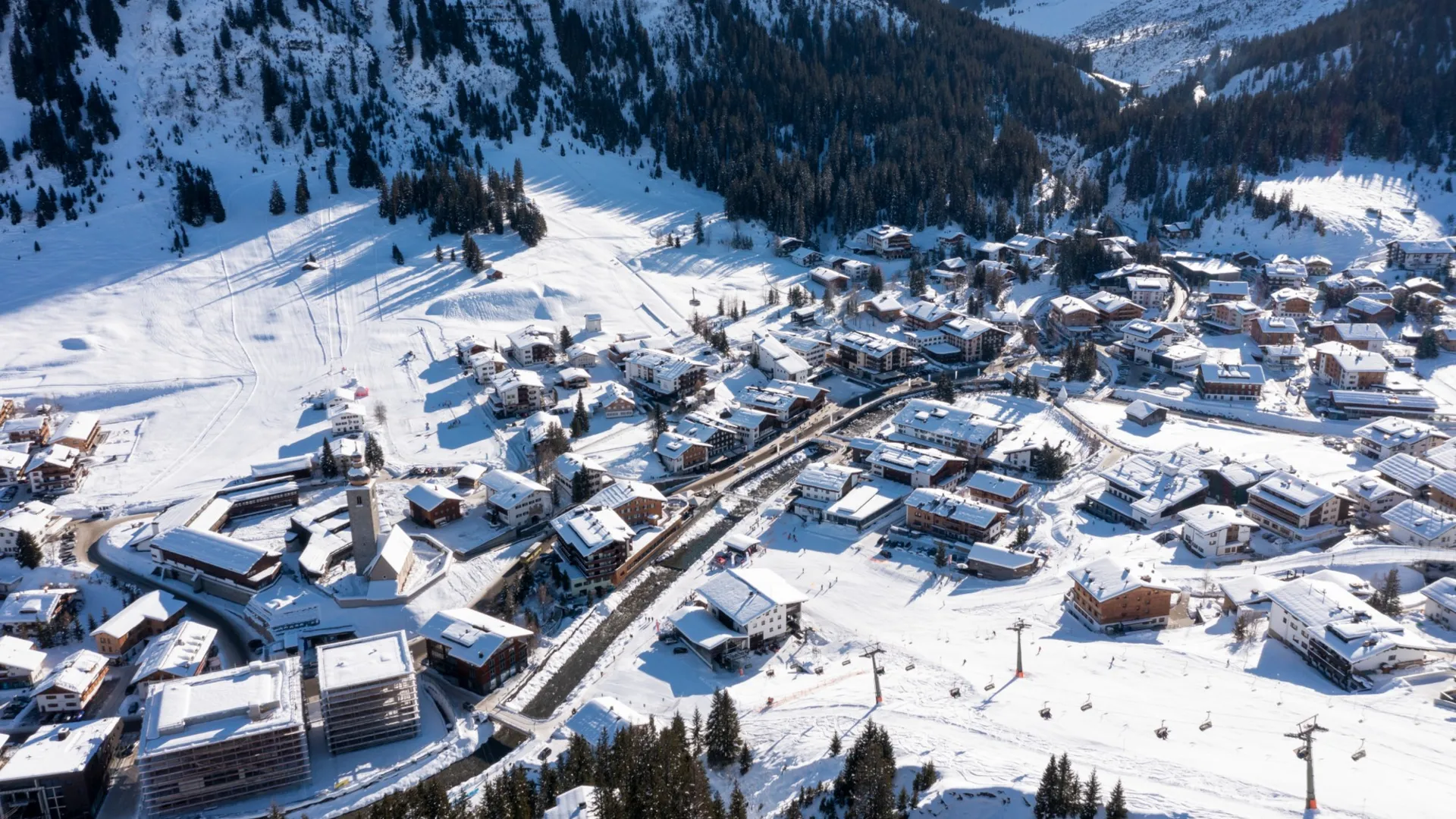
    “Few places can beat Austria for snowy landscapes, and there’s plenty of Tirolean countryside to explore away from the busy ski resorts,” said The Guardian. And Ramble Worldwide’s weeklong guided snowshoeing walk is the perfect way to explore the Austrian Alps (pictured above). The tour includes lunches in “traditional mountain hutten” and a “torchlit evening walk, with plenty of warming gluhwein.”

    Read more


    WORD OF THE DAY

    perfidy

    Disguising military forces as civilian ones to fool adversaries. The Pentagon reportedly used an aircraft painted to look like a civilian plane in its September attack on an alleged drug boat, which killed 11 people. The act may constitute a war crime under armed conflict standards, according to The New York Times.


    Poll watch

    Nine in 10 Americans use the internet daily, including 41% who use it almost constantly, according to a Pew Research Center poll. Adults ages 18 to 29 and Asian Americans are the demographic groups most likely to use the internet almost constantly, with 63% and 59% respectively saying they do so.


    INSTANT OPINION

    Today's best commentary

    ‘Stephen Miller wants us to fear him’
    Arwa Mahdawi at The Guardian
    If “you want to understand what’s happening in the U.S. right now, and what is likely to happen next, don’t just focus on Trump. Rather, pay close attention to Trump’s deputy chief of staff, Stephen Miller,” says Arwa Mahdawi. Miller is the “driving force behind the Trump administration’s most extreme policies.” What “people like Miller want most of all is for us to fear them; that’s why they’re all so obsessed with talking about strength and force and power.”

    ‘You know what might help us sleep better? Fewer scary studies about lack of sleep.’
    Vinay Menon at the Toronto Star
    Don’t “read studies about sleeping if you want to get a good night’s sleep,” says Vinay Menon. Science has “tricked us with a false promise: thinking about sleep will help us sleep. It does the opposite.” At a “time when the world has entered a chaos moon phase, the last thing your brain needs is an internal narrator freaking you out.” There “should be a moratorium on all sleep studies until the news isn’t so disturbing.”

    ‘Working more doesn’t make you more productive’
    Joe O’Connor and Jared Lindzon at Time
    Historically, the “worker who logged the most hours at work was an organization’s most valuable employee. But that isn’t necessarily the case anymore,” say Joe O’Connor and Jared Lindzon. As “AI promises to transform how we work, and the four-day workweek movement gains steam, it is time to admit once and for all that working more does not make you more productive.” Amid an “emphasis on hours over outcomes, workers are under constant pressure to forgo their rightfully earned time off.”


    Evening Review was written and edited by Theara Coleman, Anya Jaremko-Greenwold, Alex Kerr, Justin Klawans, Joel Mathis and Summer Meza, with illustrations by Stephen Kelly and Julia Wytrazek.

    Image credits, from top: Illustration by Stephen Kelly / Shutterstock / Getty Images; Janos Varga / Getty Images; Carsten Snejbjerg / Bloomberg / Getty Images; Kemter / Getty Images
     

    Recent editions

    • Morning Report

      Prosecutors quit over Good investigations

    • Evening Review

      Putting the pressure on defense firms

    • Morning Report

      Minnesota sues over ‘federal invasion’

    VIEW ALL
    TheWeek
    • About Us
    • Contact Future's experts
    • Terms and Conditions
    • Privacy Policy
    • Cookie Policy
    • Advertise With Us
    • FAQ
    Add as a preferred source on Google

    The Week is part of Future US Inc, an international media group and leading digital publisher. Visit our corporate site.

    © Future US, Inc. Full 7th Floor, 130 West 42nd Street, New York, NY 10036.