The Week The Week
flag of US
US
flag of UK
UK
https://cdn.mos.cms.futurecdn.net/flexiimages/jacafc5zvs1692883516.jpg

SUBSCRIBE & SAVE

Less than $3 per week

Sign in
  • View Profile
  • Sign out
  • The Explainer
  • The Week Recommends
  • Newsletters
  • Cartoons
  • From the Magazine
  • The Week Junior
  • Student Offers
  • More
    • Politics
    • World News
    • Business
    • Health
    • Science
    • Food & Drink
    • Travel
    • Culture
    • History
    • Personal Finance
    • Puzzles
    • Photos
    • The Blend
    • All Categories
  • Newsletter sign up Newsletter
  • The Week Evening Review
    ‘Sell America’ trading, Dems go ‘dark woke,’ and a copper mine dispute

     
    TODAY’S BIG QUESTION

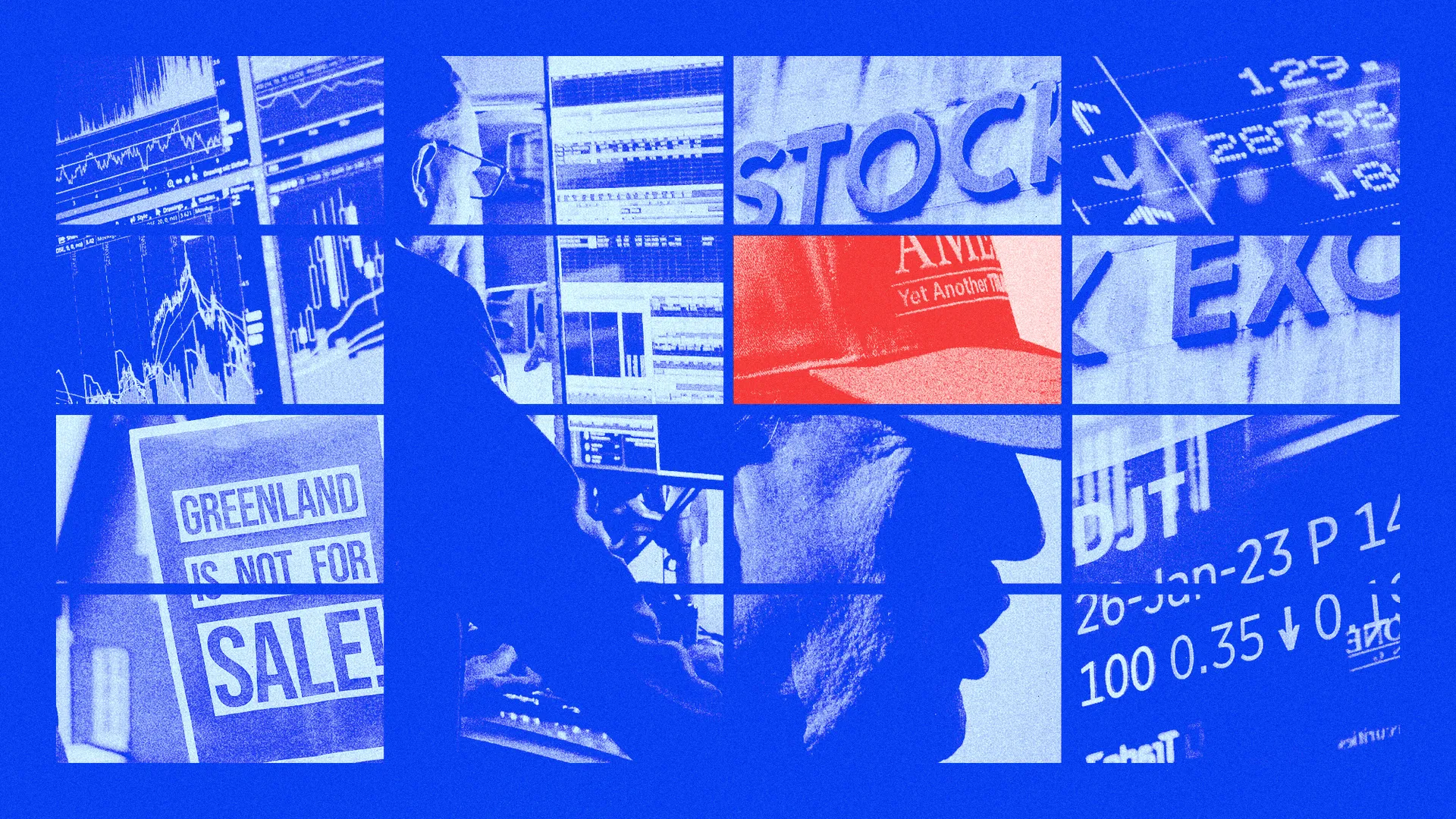
    Did markets’ ‘Sell America’ force Trump to backpedal?

    President Donald Trump threatened a massive new trade war against Europe in his bid to acquire Greenland. And the financial markets immediately tanked. Then yesterday, he backed down.

    Trump dropped his tariff threats after meeting with European leaders in Switzerland, said CNN. NATO leaders agreed to a “framework of a future deal” on Greenland, Trump said on Truth Social. But the preliminary agreement came the day after “bond yields spiked and stocks sank” as investors registered the alarm over Greenland and raised fears of a surge in “Sell America” trading, said Politico. 

    Some observers saw an old pattern at play in the president's sudden backpedaling. Trump is “being mocked for another ‘TACO’ (‘Trump always chickens out’) moment,” likely because he was “spooked by the result of his own actions,” said CNN.

    What did the commentators say?
    The Greenland adventure has investors newly wary, said the Financial Times. The president’s unpredictability is “chipping away at the credibility of U.S. institutions,” said Altaf Kassam at State Street Investment Management. Others are more willing to stick it out, confident in the long-term trajectory of the U.S. economy. “We have seen plenty of bluster from Trump before,” said Mark Dowding at RBC BlueBay Asset Management.

    Investors are “struggling” to adjust to the “fundamental shifts in the world’s geopolitical tectonic plates,” said Jamie McGeever at Reuters. How can the markets price in the “end of NATO and the U.S.-Europe alliance” or the rise of a “multipolar world” divvied up between the U.S., Russia and China? Financial markets had maintained “relative calm” in the face of all that instability. This week’s market sell-off, though, was a sign that the “calm is fracturing.”

    What next?
    Europe is quietly lining up its weapons for the next trade war, if it comes. The continent owns $8 trillion of U.S bonds and equities, making Europe the “world’s biggest lender to the U.S.,” said Fortune. If Trump is willing to disrupt longstanding alliances in pursuit of his aims, it’s “not clear why Europeans would be as willing to play this part,” said Deutsche Bank’s George Saravelos.

    Yesterday’s news seemed to calm the markets, said CNBC. Tuesday’s “Sell America” trading “reversed on Wednesday,” with the Dow Jones Industrial Average surging nearly 600 points after Trump announced the Greenland deal.


    QUOTE OF THE DAY

    ‘We got the moon. I think we own it. I know we own it. And when the world changes, we change.’ 

    Fox News host Jesse Watters, on “The Five,” regarding Trump’s threats to annex Greenland and how the U.S. “always secures our interests, economically, militarily, either by force or purchase.” He added, “Globalism is dead. We have to protect our own supply lines.”


    THE EXPLAINER

    ‘Dark woke’: what it means and how it may help Dems

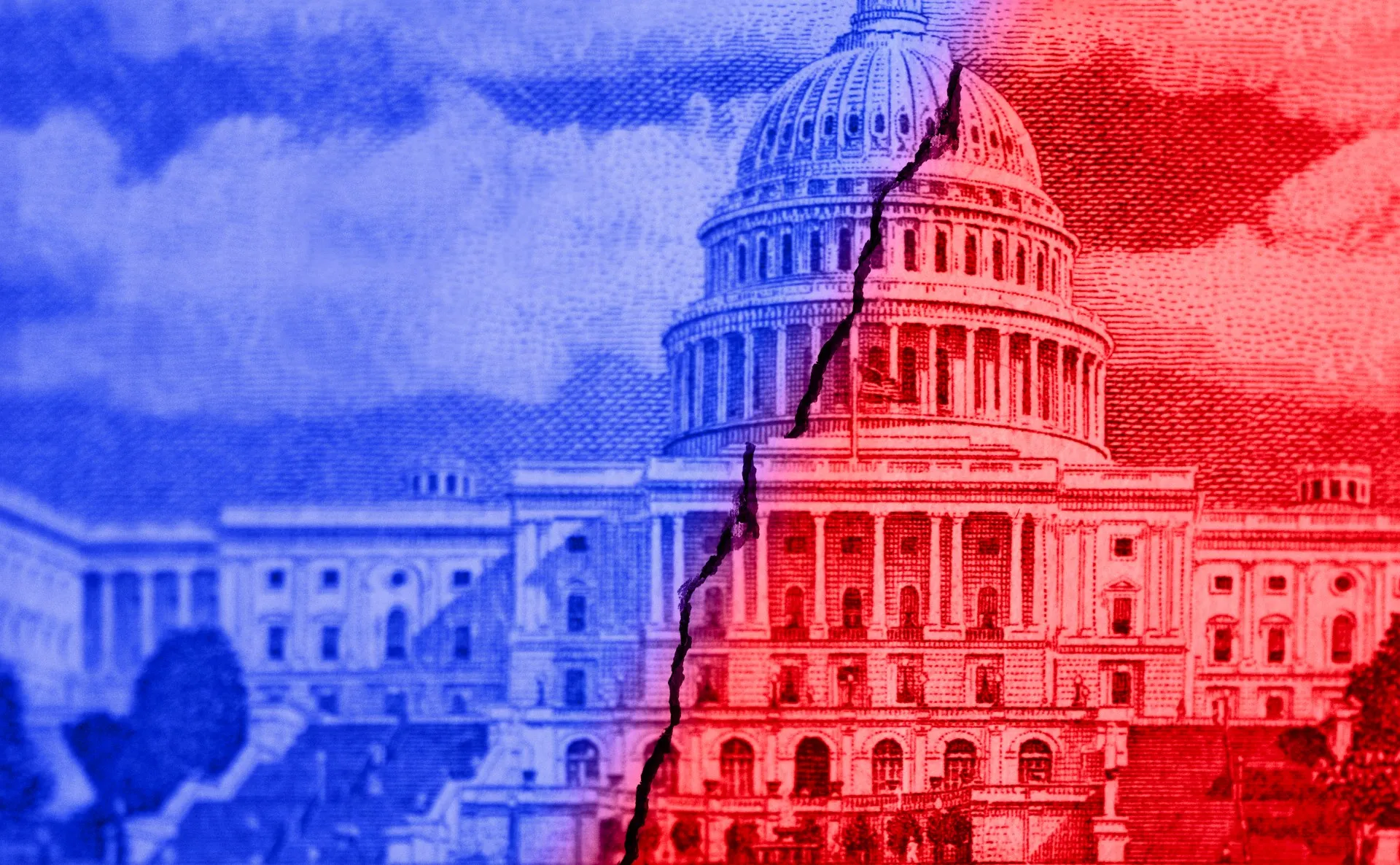
    The dynamic between politicians has been shifting lately as some Democrats embrace more confrontational, crass tactics from across the aisle. As the left ramps up for the midterm elections, some are willing to try less polite forms of communication, an approach known in online circles as dark woke.

    What defines dark woke?
    Party insiders say that Democratic politicians have been encouraged to “embrace a new form of combative rhetoric” aimed at “winning back voters who have responded to President Donald Trump’s no-holds-barred version of politics,” said The New York Times. This is an attempt to “step outside the bounds” of “political correctness” and “requires being crass but discerning, rude but only to a point.” Examples include California Gov. Gavin Newsom’s aggressive meme warfare and Texas Rep. Jasmine Crockett’s “alliterative insults.”

    Republicans have “essentially put Democrats in a respectability prison,” said Bhavik Lathia, a communications consultant, to the Times. There’s an “extreme imbalance in strategy that allows Republicans to say stuff that really grabs voters’ attention,” while Democrats are “stuck saying boring pablum.” That has shifted with stunts like Newsom showing off knee pads today that he suggested were for leaders “selling out” to the Trump administration, said CNBC.

    The objective is to subvert the “virtue policing, the polite ‘when they go low, we go high’ posturing,” said Kieran Press-Reynolds at GQ. The left is now trying to “go Joker mode to make Democrats cool again.”

    Will it boost Democrats?
    Some Democrats are all for the harsher rhetoric. Being “raw and unapologetic and unabashed about our beliefs is something our base really wants,” said Chi Ossé, a New York City councilman, to the Times.

    Others say there’s a “line that Democrats should be sure to toe as they ramp up their attacks,” said the Times. You do not have to be “cruel to be sharp,” said Annie Wu Henry, a communications strategist, to the outlet. 

    For some, the Democrats’ new focus on viral dark woke posts rings hollow. It could “serve as a cathartic release for the many jaded progressives fed up with the tame grandstanding and insipid inertia of their party’s leaders,” said Press-Reynolds. But right now, it “mostly feels like an algorithmic fad built on quick thrills, destined to become cringe.” It’s a “meme, not a movement.”


    Statistic of the day

    8 years, 4 months, 19 days: The amount of time the world has gone without a confirmed nuclear test, according to the Union of Concerned Scientists. This marks the longest global period without a nuclear test since the first detonation of a nuclear weapon in 1945.


    IN THE SPOTLIGHT

    Panama and Canada’s dispute over a copper mine

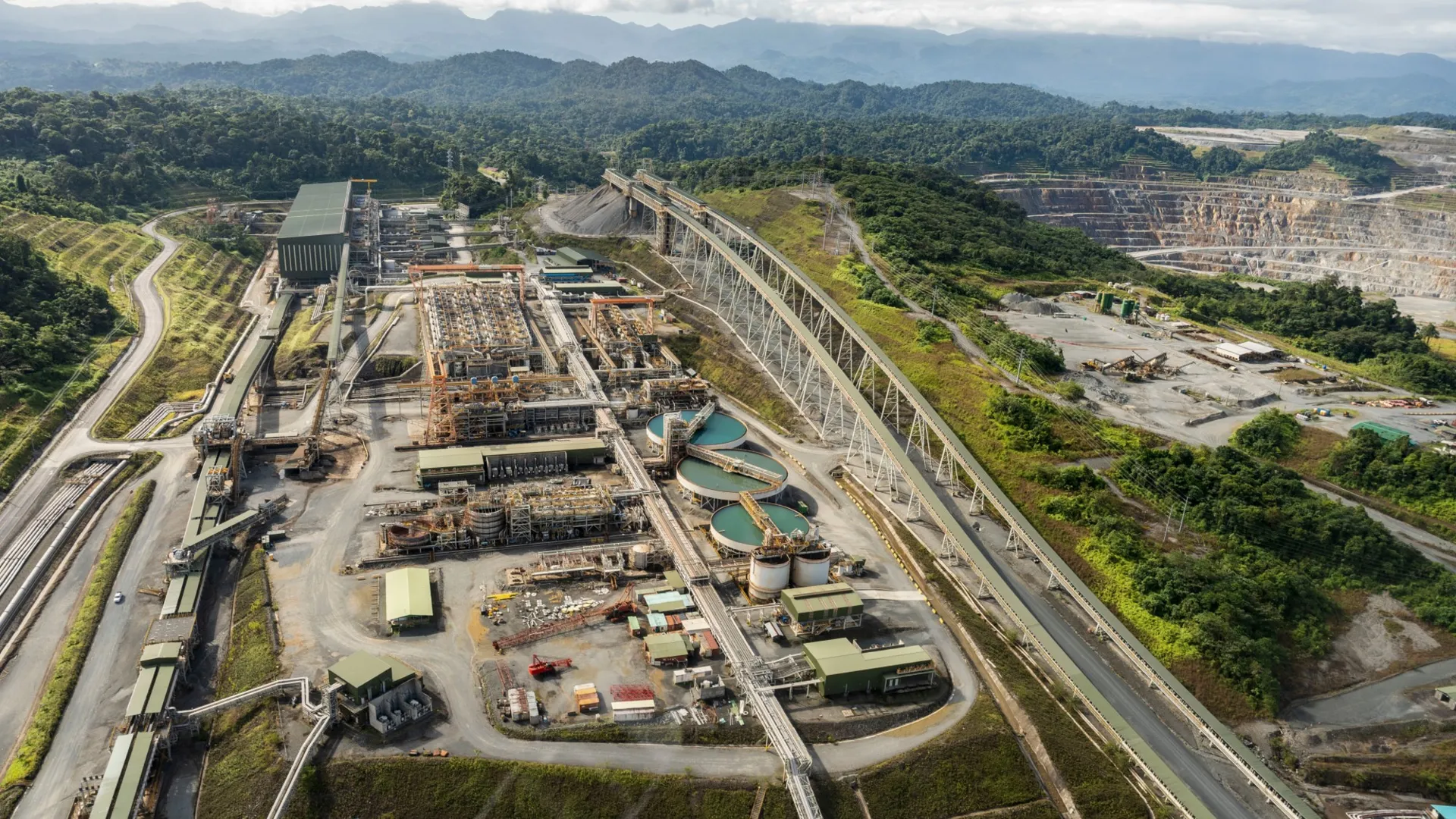
    The two countries have been negotiating on a copper mine that could have profound implications for the global resources market. The Cobre Panama mine, operated by Canadian mining company First Quantum, has been closed since 2023 following a ruling by Panama’s Supreme Court. While First Quantum seems open to allowing some operations to resume, the site remains mired in controversy.

    The plan
    Panamanian President José Raúl Mulino said that he will announce his decision about whether to reopen the mine by June. The country “halted operations” at the mine because its “government concession was deemed unconstitutional,” said The Independent. The closure also came amid protests by environmental groups.

    The original decision to shutter the mine weighed heavily on Panama’s economy, as it “accounted for nearly 5% of Panama's gross domestic product the last year it operated,” said The Independent. Regardless of what happens next, First Quantum has welcomed a plan to “allow the removal and processing of stockpiled ore” at the site, said Reuters.

    This plan, announced by Mulino, would help “mitigate the environmental and operational risks” associated with running the mine, said Reuters. But officials have also made it clear that the processing of stockpiles is “not a reopening of the mine,” said First Quantum in a statement. 

    ‘Significant lift’
    Given the contentious circumstances of the mine’s closure, Panama now faces a “delicate balancing act” in the region, said Bloomberg. But Panama could also be receiving some assistance from a neighbor to the south. Chilean President-elect José Antonio Kast has offered to help with the mine, which could “lend credibility given Chile’s status as the world’s largest copper producer.” 

    If Panama were to choose to fully reopen the Cobre Panama mine, it would provide a “significant lift to Panama’s economy and to First Quantum,” said Bloomberg. This could also help give a boost to the copper economy, as the operation is set to “account for nearly 2% of global supply.” Continuing negotiations between Panama and Canada are “pending the outcome of an audit assessing the condition of the facilities and environmental risks.”


    Good day 🎥

    … for Black filmmaking. Ryan Coogler’s critically acclaimed vampire thriller, “Sinners,” has become the first movie to be nominated for 16 Academy Awards. The Oscars it’s nominated for include best picture, director (Coogler), leading actor (Michael B. Jordan), supporting actor (Delroy Lindo), supporting actress (Wunmi Mosaku) and, for the first time as a category, casting.


    Bad day 🥃

    … for alcohol producing. A historic downturn in demand for scotch, whiskey, cognac and tequila is leaving drink makers with stockpiles of unsold spirits. Companies including Diageo, Pernod Ricard and Rémy Cointreau are halting or scaling back production in response to the decline blamed on changing consumer habits, economic pressures and global trade tensions.


    Picture of the day

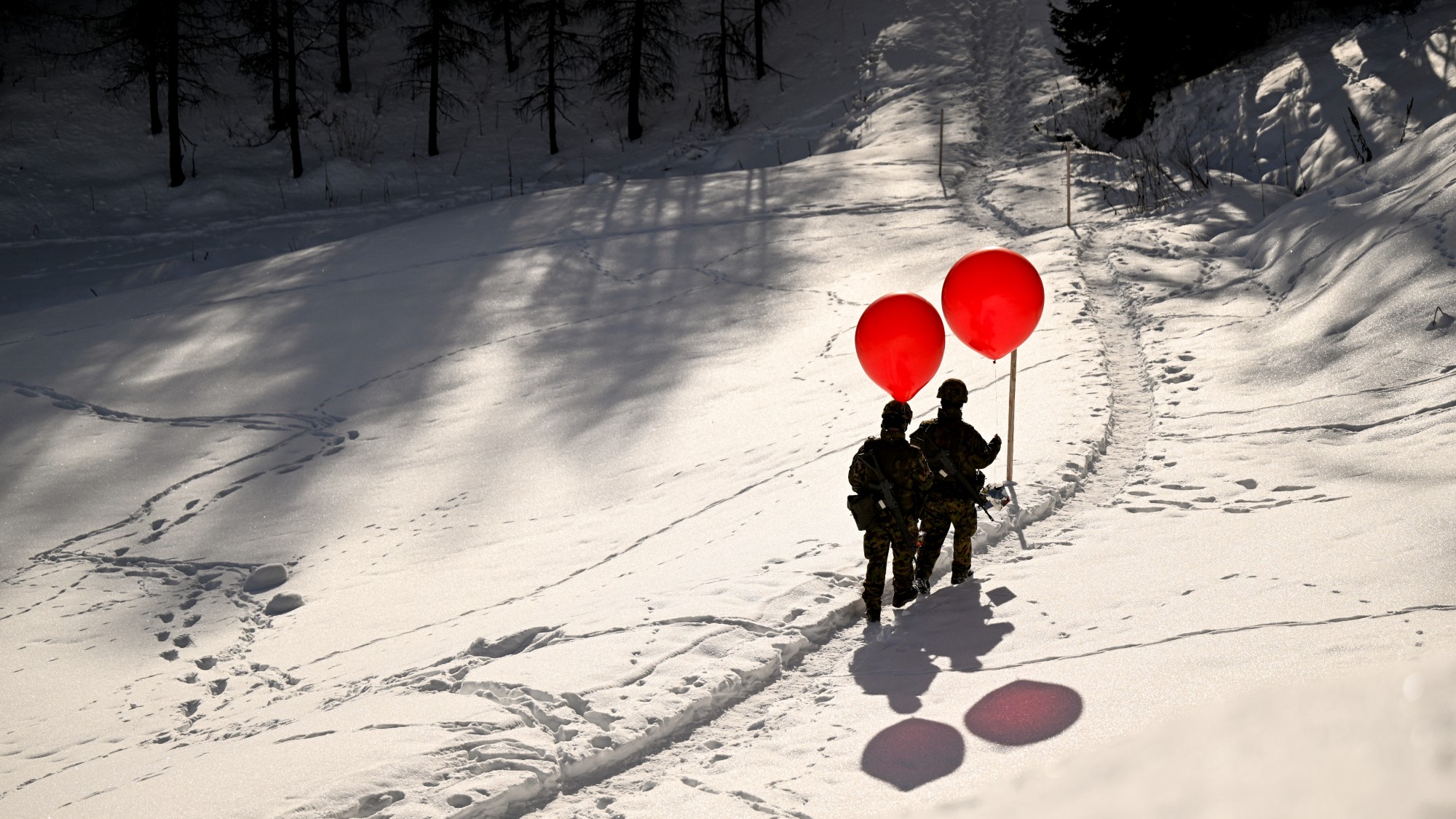
    Political climate

    Soldiers holding weather balloons march through snow in Davos, Switzerland, where the World Economic Forum’s summit draws to a close tomorrow. This year’s meeting included a panel discussion on integrating AI into weather forecasting.
    Ina Fassbender / AFP / Getty Images


    Puzzles

    Daily sudoku

    Challenge yourself with The Week’s daily sudoku, part of our puzzles section, which also includes guess the number

    Play here


    The Week recommends

    Best biopic movies of this century (so far)

    Despite largely removing suspense, one of the key elements of drama, biopics are a consistent box office draw and a reliable source of award nominations. Whether the subjects are still-ubiquitous figures or individuals whose fame dimmed with the passage of time, true stories allow audiences to reflect on the role that cultural and political giants played in history.

    ‘Selma’ (2014)
    Chronicling a pivotal period in the civil rights movement and in Martin Luther King Jr.’s life, “Selma” portrays the tumultuous events that led to the march across the Edmund Pettus Bridge. David Oyelowo’s riveting turn as a cross-pressured, deeply human MLK anchors the film. Director Ava DuVernay’s film shows the “evolution of change while beaming a spotlight on the stunted growth of that which has not changed” in the present day, said Odie Henderson at Roger Ebert. (Pluto TV)

    ‘Christine’ (2016)
    Rebecca Hall’s heart-wrenching portrayal of Christine Chubbock, the Sarasota TV reporter who shot and killed herself during a July 15, 1974, broadcast, fuels this unnerving look at one person’s tragic unraveling. This “masterful piece of filmmaking” is “vivid, intense and artful” as it sets up the tragic ending that everyone knows is coming, said Noel Murray at IndieWire. (Tubi)

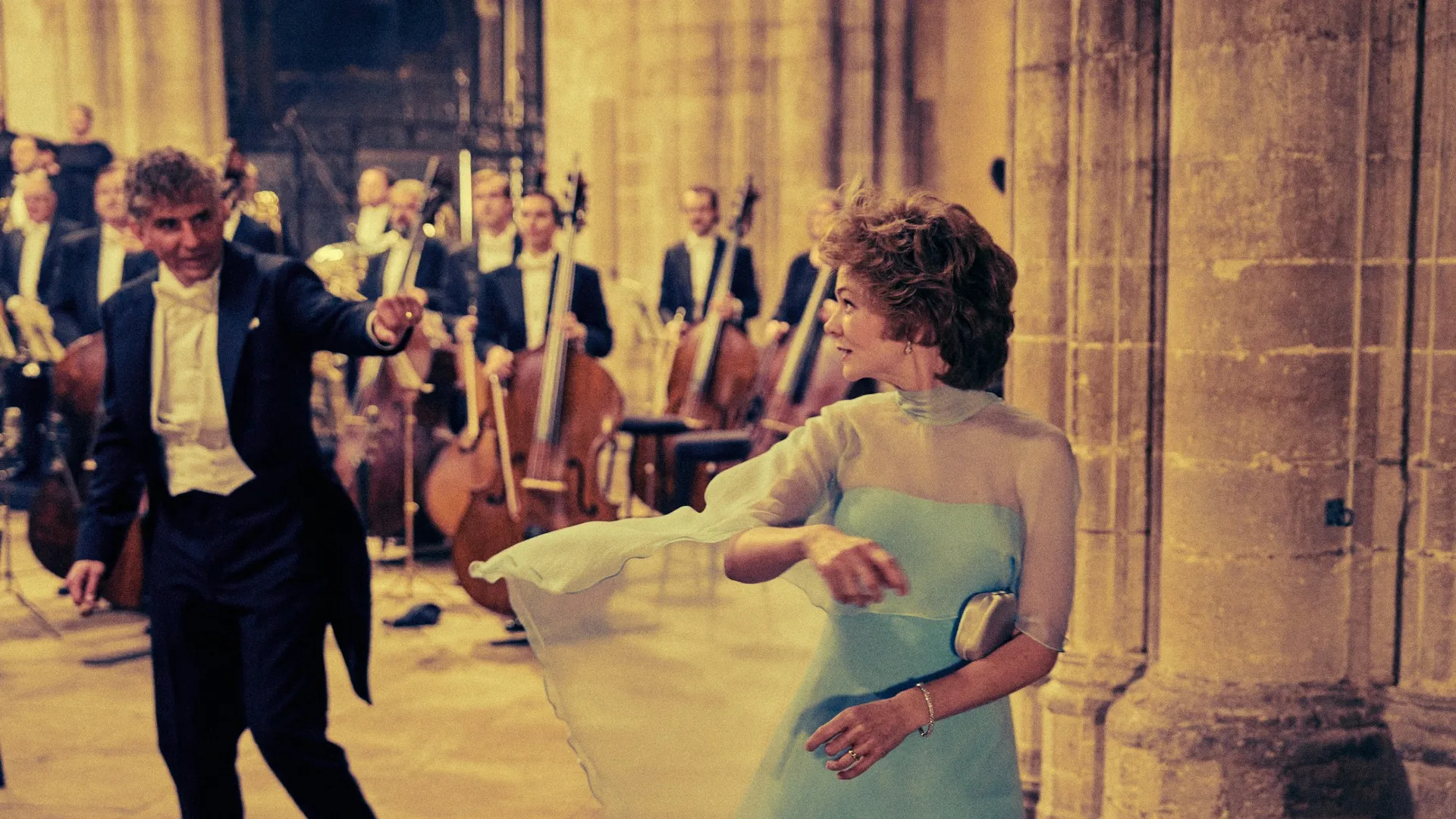
    ‘Maestro’ (2023)
    Bradley Cooper directs and stars as Leonard Bernstein in this ambitious portrayal of the influential mid-20th-century composer, conductor and writer. Carey Mulligan shines as Bernstein’s wife, Felicia. This “worthy tribute to one of the greatest figures in the American musical canon” is anchored by “two fiercely committed performances” that make the couple’s love feel “achingly real,” said Marlow Stern at Rolling Stone. (Netflix)

    Read more


    Poll watch

    Nearly two-thirds of Democrats (65%) think the U.S. is losing ground in scientific achievements — a 28-point increase from 2023, according to a Pew Research Center survey. Of the 5,111 adults polled, only 32% of Republicans agree.


    WORD OF THE DAY

    glyphosate

    The active ingredient in weed killer Roundup at the center of a decades-long debate over its potential to cause cancer. The U.S. Supreme Court has decided to hear the appeal from Roundup’s manufacturer over lawsuits alleging it failed to warn consumers about glyphosate’s dangers.


    INSTANT OPINION

    Today's best commentary

    ‘The World Cup is out of reach for many. The hope lies outside the stadiums.’
    Leander Schaerlaeckens at The Guardian
    If the “shocking ticket prices for the actual World Cup will make it exclusive and inaccessible,” something like a “shadow World Cup may nevertheless emerge,” says Leander Schaerlaeckens. With a “wall built around the genuine article, scalable only by a bundle of money, a kind of bootleg version may be fashioned out of the scraps and flashes of the tournament.” It may be a “lowercase world cup, as it were, consisting of fan fests and open training sessions and pretournament warmup matches.”

    ‘Mamdani might actually pull off universal child care in NYC’
    Sara Pequeño at USA Today
    When New York City Mayor Zohran Mamdani presented universal child care as “part of his campaign platform,” some thought it was a “remarkable goal and a far-fetched one,” says Sara Pequeño. But it seems that “dream is closer to reality and the entire country may be better for it.” If “all goes well, this program could cement the city as a guiding light for other metropolitan areas looking to retain talent and keep parents, particularly moms, in the workforce.”

    ‘The “Mississippi marathon” is teaching kids to read’
    Rahm Emanuel at The Wall Street Journal
    Mississippi “chose to spend less time on topics that dominate Washington’s education agenda and instead maintained a focus on what happens inside the classroom,” says Rahm Emanuel. It “restored phonics-based systems that rigorous scientific studies have shown to work” and “constructed a system to train teachers so that they are effective at teaching students to read.” Rather than “discarding public schools or educator accountability, the rest of America should adopt a model that has been proven to work.”


    Evening Review was written and edited by Theara Coleman, Nadia Croes, David Faris, Scott Hocker, Anya Jaremko-Greenwold, Justin Klawans, Joel Mathis and Summer Meza, with illustrations by Stephen Kelly and Julia Wytrazek.

    Image credits, from top: Illustration by Stephen Kelly / Getty Images; Douglas Rissing / Getty Images; Walter Hurtado / Bloomberg / Getty Images; Jason McDonald / Netflix
     

    Recent editions

    • Morning Report

      Trump backs down on Greenland grab

    • Evening Review

      Washington debates ‘Abolish ICE’

    • Morning Report

      Trump expands Minnesota fight to political leaders

    VIEW ALL
    TheWeek
    • About Us
    • Contact Future's experts
    • Terms and Conditions
    • Privacy Policy
    • Cookie Policy
    • Advertise With Us
    • FAQ
    Add as a preferred source on Google

    The Week is part of Future US Inc, an international media group and leading digital publisher. Visit our corporate site.

    © Future US, Inc. Full 7th Floor, 130 West 42nd Street, New York, NY 10036.