Sign up to get Today’s Best Articles in your inbox
Join 350,000+ subscribers and keep yourself informed with a selection of
The Week’s most interesting, enlightening and entertaining stories - plus daily puzzles.
You are now subscribed
Your newsletter sign-up was successful
Want to add more newsletters?
An account already exists for this email address, please log in.
The 8 best biopic movies of the 21st century (so far)
Not all true stories are feel good tales, but the best biopics offer insight into broader social and political trends
Despite largely removing suspense, one of the key elements of drama, biopics are a consistent box office draw and a reliable source of award nominations. Whether the subjects are still-ubiquitous figures or individuals whose fame dimmed with the passage of time, true stories allow audiences to reflect on the role that cultural and political giants played in history while enjoying performances that range from imitation to homage.
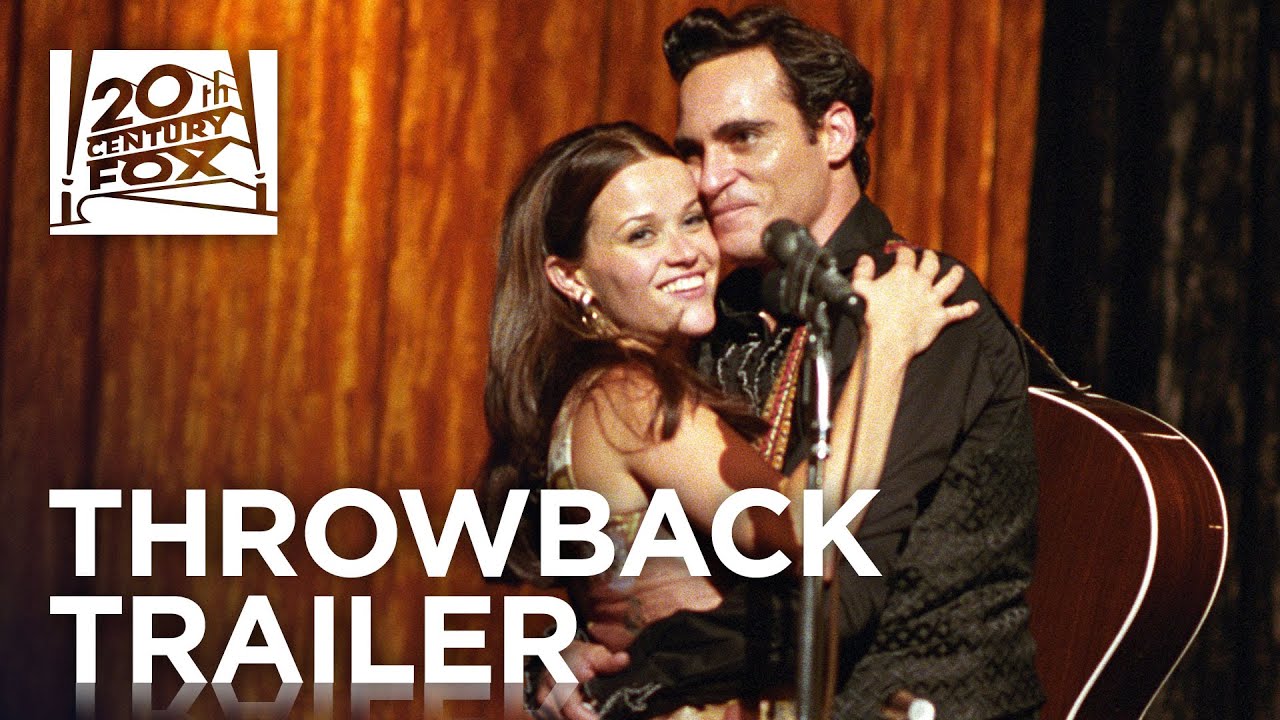
‘Walk the Line’ (2005)
Walk The Line | #TBT Trailer | 20th Century FOX - YouTube
Released just two years after Johnny Cash’s death during a major revival of interest in Americana music in general and his work in particular, director James Mangold’s film follows the country star (Joaquin Phoenix) from his troubled Arkansas boyhood through his rise to stardom, his romance with June Carter (Reese Witherspoon) and his struggles with substance abuse.
Witherspoon and the enigmatic Phoenix both more than capably performed their own vocals for the film, and “Jackson,” one of the duets on the soundtrack, is a standout. The movie’s “sturdy themes like struggle, reconciliation and redemption” are driven home by leads whose impressive performances are “less about mannerisms than emotional storytelling,” said Chris Norris at Film Comment. (Prime)
The Week
Escape your echo chamber. Get the facts behind the news, plus analysis from multiple perspectives.
Join more than 350,000 subscribers and keep yourself informed with a selection of The Week’s most interesting, enlightening and entertaining stories - plus daily puzzles.
Join more than 350,000 subscribers and keep yourself informed with a selection of The Week’s most interesting, enlightening and entertaining stories - plus daily puzzles.
Billionaire Mark Zuckerberg, whose Meta empire including Facebook and Instagram has nearly 4 billion global users, is a public figure reviled by many who view his apps’ algorithms as a major contributing factor to radicalization, polarization and violence around the world. But when “The Social Network” was released in 2010, social media was still a relatively new presence in our lives.
Jesse Eisenberg plays Zuckerberg as a Harvard undergraduate, following the story from Facebook’s early days to the ensuing legal battles with co-founders and rivals. Director David Fincher controversially depicted Zuckerberg as an “egomaniacal antihero.” And while upon release it felt almost “too pessimistic in the way it examined the birth of one of the biggest social media sites,” today it feels “grimly prescient,” said Maya Phillips at The New York Times. (Prime)
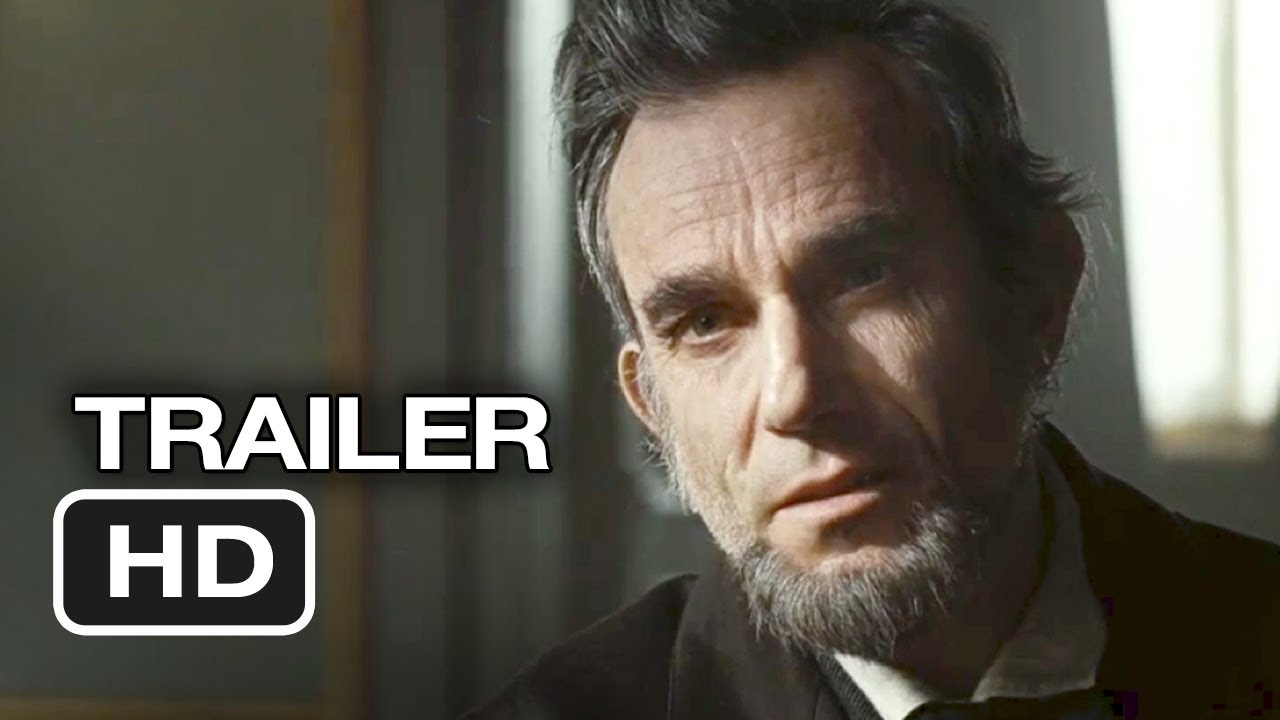
‘Lincoln’ (2012)
Lincoln Official Trailer #1 (2012) Steven Spielberg Movie HD - YouTube
Set mostly in 1865 as the bloody Civil War is coming to a conclusion, director Steven Spielberg’ film focuses both on Abraham Lincoln’s private life with his depressed wife, Mary Todd Lincoln (Sally Field), and their children, as well as on the push to pass the 13th Amendment to the Constitution, outlawing slavery.
Daniel Day-Lewis’ “grave embodiment” of the 16th president “carries this picture beyond wigs and false beards and political processes,” said Brian Eggert at Deep Focus Review. The two-and-a-half hour film is “refreshingly intellectual and unconventional for a Hollywood historical biography.” At a time when the public’s appraisal of America’s political leadership and institutions is in crisis, “Lincoln” offers a reminder of what gifted leaders working in the public’s interest can achieve — and what stands in their way. (Prime)
Sign up to get Today’s Best Articles in your inbox
A free daily email with the day’s biggest news and analysis – and the best features from TheWeek.com
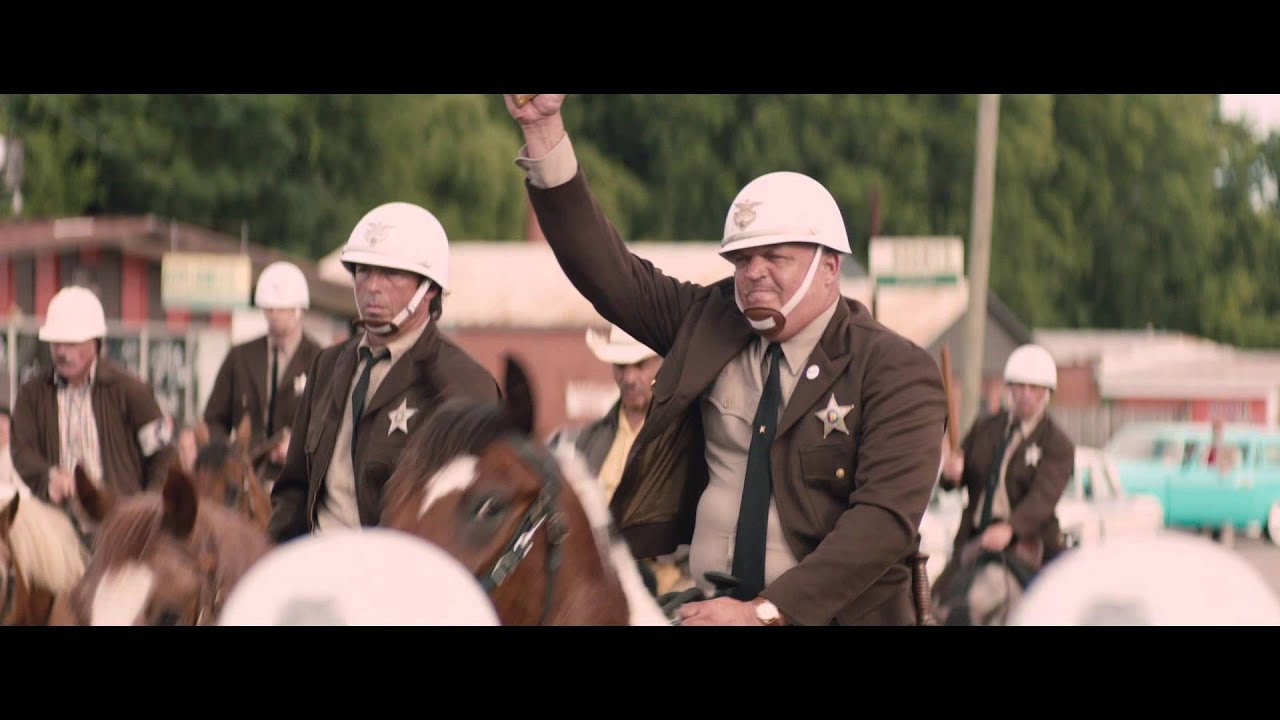
Chronicling a pivotal period in the civil rights movement and in Martin Luther King, Jr.’s life, “Selma” portrays the tumultuous events that led to the Selma march across the Edmund Pettus Bridge. David Oyelowo’s riveting turn as a cross-pressured, deeply human MLK anchors the film, which punctures the feel-good gloss of our historical memory and reminds viewers that even this most crucial of movements was beset by infighting between his Southern Christian Leadership Conference and the more radical Student Nonviolent Coordinating Committee, harassed by the FBI and beseeched by President Lyndon Johnson (Tom Wilkinson) to temper their demands and be patient.
By “suggesting that the reverence for Dr. King was bestowed on a person no different than any of us,” director Ava DuVernay’s film “shows the evolution of change while beaming a spotlight on the stunted growth of that which has not changed” in the present day, said Odie Henderson at Roger Ebert. (Pluto TV)
‘Christine’ (2016)
Christine Official Trailer 1 (2016) - Rebecca Hall Movie - YouTube
Rebecca Hall’s heart-wrenching portrayal of Christine Chubbock, the Sarasota TV reporter who shot and killed herself during a July 15, 1974, broadcast, fuels this unnerving look at one person’s tragic unraveling. The lonely, driven Chubbock lives with her mother (J. Smith-Cameron) and struggles to get meaningful stories approved by the station manager, Michael (Tracy Letts), who pushes for the kind of sensationalism that sells.
Nursing an unrequited crush on George (Michael C. Hall), one of the anchors, Chubbock’s personal anguish metastasizes right under the noses of her friends and co-workers. While the meaning of director Antonio Campos’ film is open to interpretation, it works best as a character study of unmanaged depression and isolation. This “masterful piece of filmmaking” is “vivid, intense and artful” as it sets up the tragic ending that everyone knows is coming, said Noel Murray at IndieWire. (Tubi)
‘I, Tonya (2017)’
I, Tonya Trailer #1 (2017) | Movieclips Trailers - YouTube
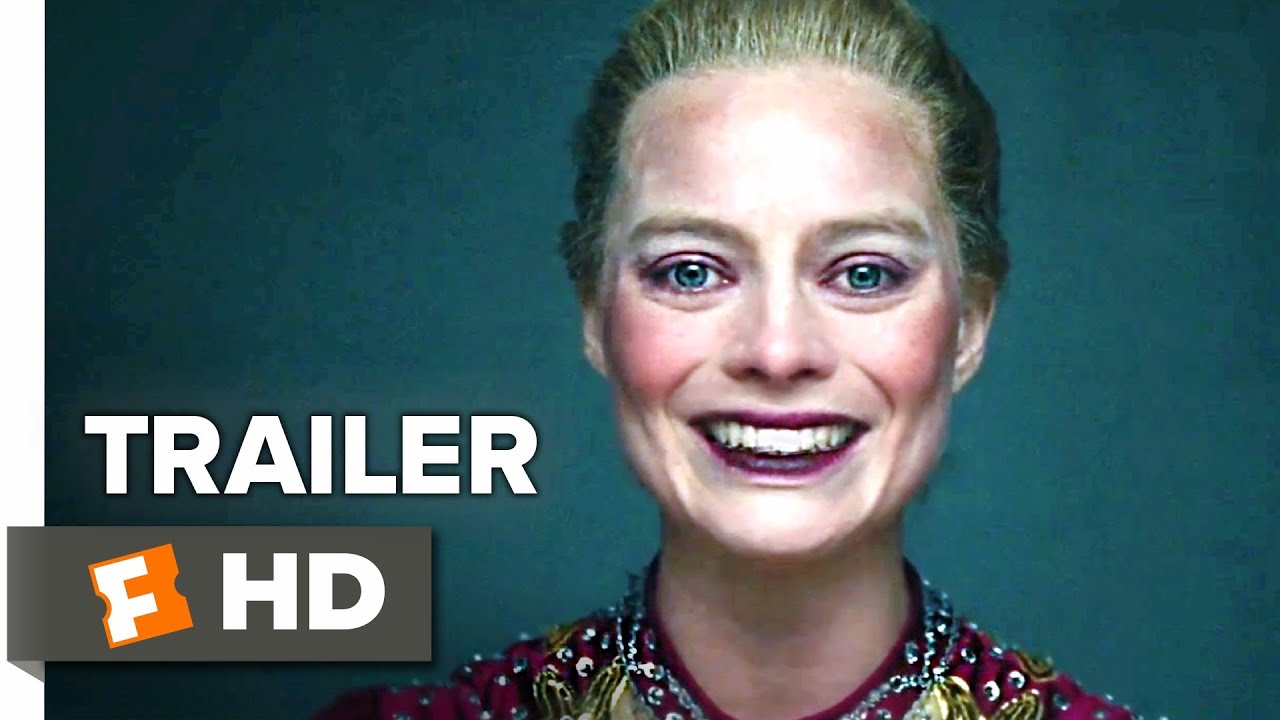
Director Craig Gillespie’s most important choice was also the boldest — casting the glamorous Australian actress Margot Robbie as the dishonored Olympic figure skater Tonya Harding, whose involvement in the 1994 attack on her rival, Nancy Kerrigan, masterminded by her husband Jeff Gillooly (Sebastian Stan), ended her career.
Harding always stuck out as a working class girl in a sport mostly populated by wealthy athletes with the family resources to throw at travel and training, and Gillespie’s film lingers on the contrast. Robbie’s Harding is “desperately sympathetic, even if she may not be the most trustworthy of narrators,” in a film that deftly employs “black humor, while never undermining the authenticity of the characters or detracting from the abuse that runs through the story,” said Nikki Baughan at Sight and Sound. (Tubi)
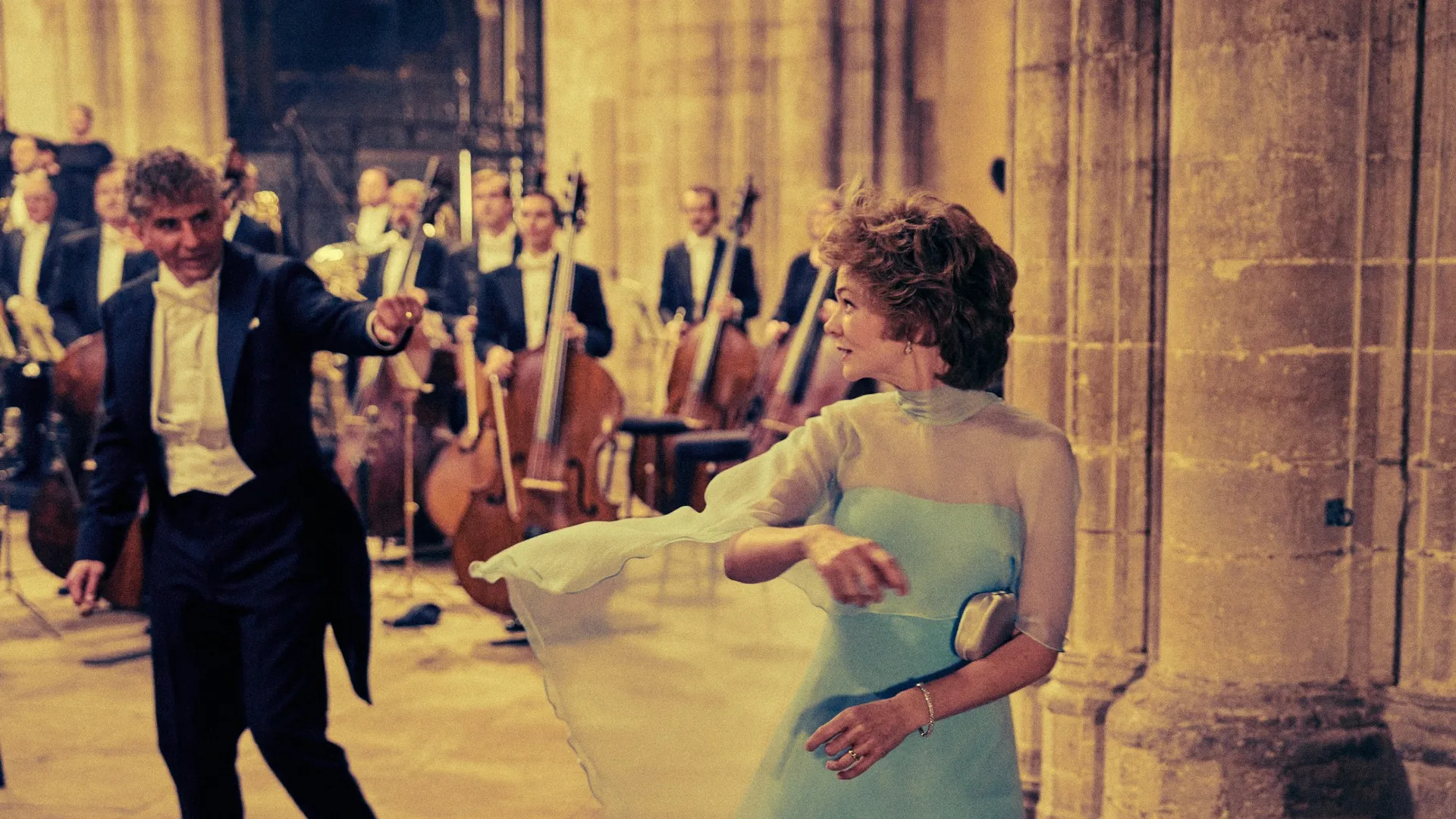
Bradley Cooper directs and stars as Leonard Bernstein in this ambitious portrayal of the influential mid-20th century composer, conductor and writer. Carey Mulligan shines as Bernstein’s wife, Felicia, who tolerates his substance abuse and his many dalliances with young men and endures his inability to do anything but attract all the attention in any room he walks into.
Framed by a 1987 interview when Bernstein was 70, the film is composed as a series of vignettes and flashbacks, sometimes depicted with a touch of magical realism. A “worthy tribute to one of the greatest figures in the American musical canon,” the movie is anchored by “two fiercely committed performances” that make the couple’s love feel “achingly real,” said Marlow Stern at Rolling Stone. (Netflix)
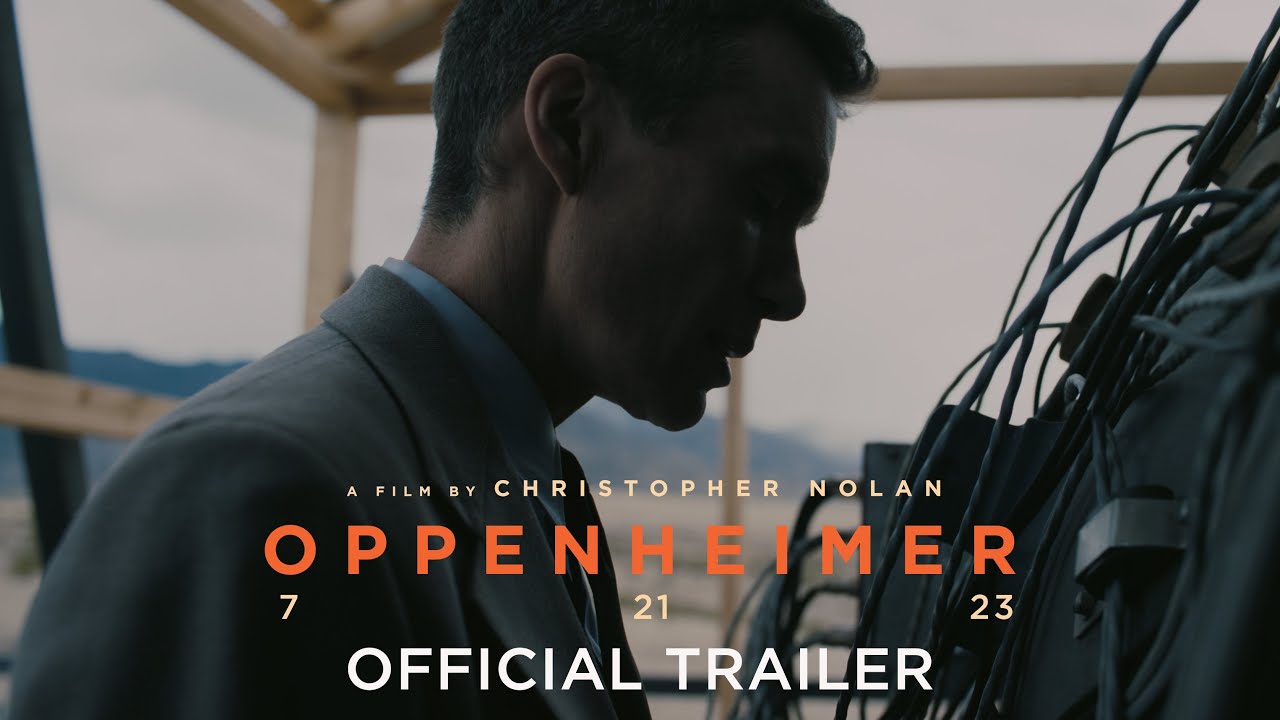
World powers have made the fateful decision to increase and modernize their nuclear arsenals rather than pursue abolition. Unsurprisingly, this has led to a renewed interest in Armageddon films, like director Christopher Nolan’s critically-lauded portrait of J. Robert Oppenheimer (Cillian Murphy), the scientist who spearheaded the Manhattan Project.
The film, told in Nolan’s signature non-linear style, touches on Oppenheimer’s early career, his critical role in racing to produce the first atomic bombs, and then his persecution during the Red Scare of the 1950s. The “well-researched and detailed screenplay, masterful directing, awe-inspiring special effects and editing, and an A-list cast” made it the highest-grossing biographical film of all time, said Garry Murdock at Toronto Film School. (Prime)
David Faris is a professor of political science at Roosevelt University and the author of "It's Time to Fight Dirty: How Democrats Can Build a Lasting Majority in American Politics." He's a frequent contributor to Newsweek and Slate, and his work has appeared in The Washington Post, The New Republic and The Nation, among others.


![THE SOCIAL NETWORK - Official Trailer [2010] (HD) - YouTube](https://img.youtube.com/vi/lB95KLmpLR4/maxresdefault.jpg)



 talking pointsA leadership power vacuum may await Republicans
 QUOTE OF THE DAY‘What kind of culture looks at sexual violence and sees an opportunity for profit? This is rape culture. And it should disturb every single one of us.’
 today’s big questionHow long can US consumers continue their spending spree?