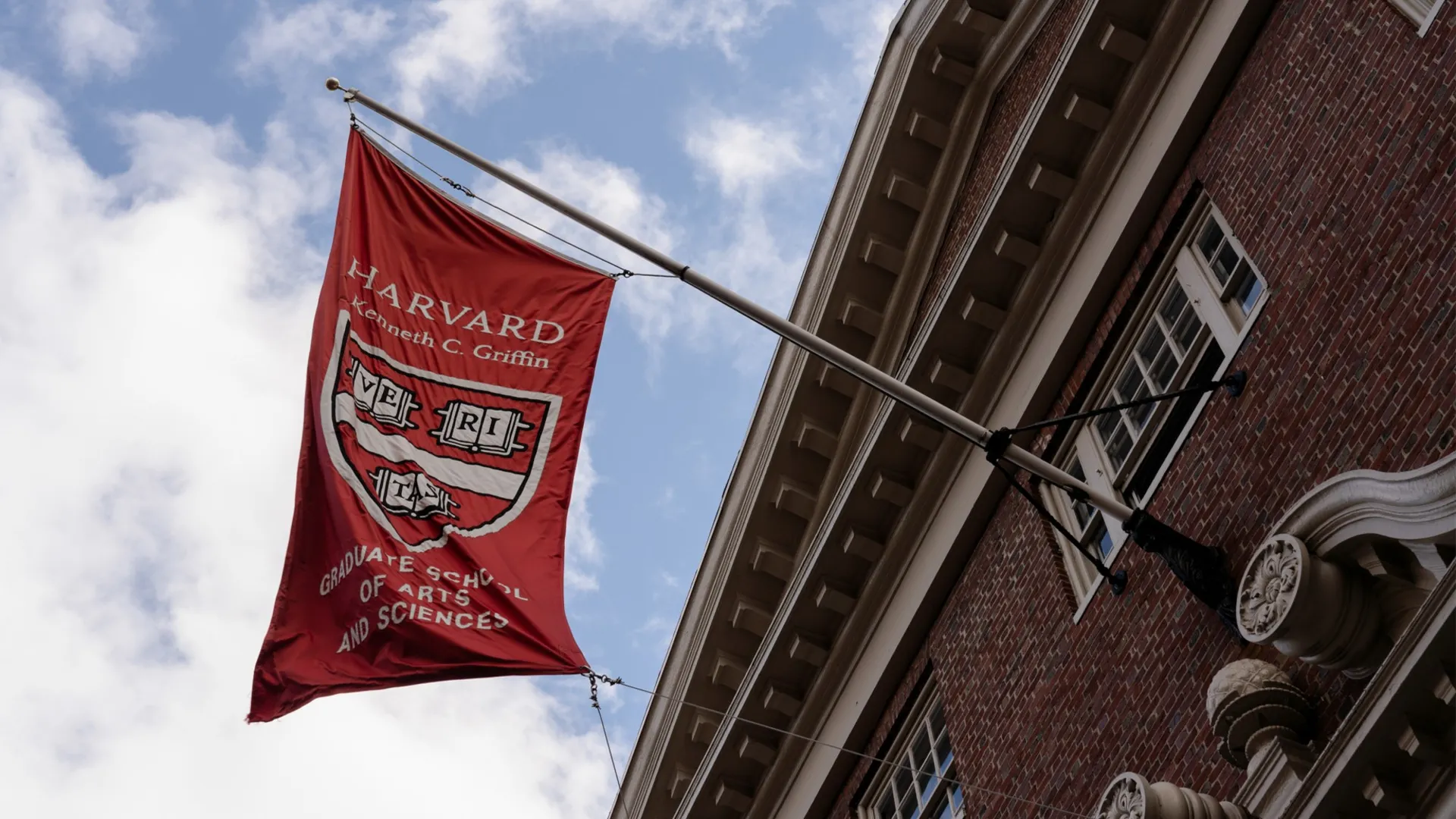
American higher learning is considered among the best in the world, but recent rankings show the top of the food chain may be changing. While U.S. schools still dominate most lists, foreign universities have been slowly superseding them. And with the Trump administration’s continued attacks on higher education, the trend may be here to stay.
Which universities are considered the best?
Six major rankings use a variety of factors to determine the best universities. These vary but include the number of research publications, the “success and employment records of graduates, the perceived quality of the faculty,” measures of scholarly quality, and general institutional reputation, among other variables, said Forbes.
In the “initial iteration of each system, an American university was ranked first in the world,” said Forbes, with Harvard University and the Massachusetts Institute of Technology taking the various rankings’ top spots. But in the “most recent rankings, we see different outcomes. In four of the systems, the number of top-10 spots occupied by U.S. universities declined.” Notably, Chinese universities have been replacing many American institutions on these lists.
One of these lists' most recent editions ranks China’s Zhejiang University first and Harvard third, with “12 of the following 13” based in China, said The Daily Beast. In another, more than 60 U.S. universities fell in the rankings.
Why are foreign schools gaining steam?
It’s largely due to a global reordering, which comes as the Trump administration has been “slashing research funding to American schools that depend heavily on the federal government to pay for scientific endeavors,” said The New York Times. President Donald Trump’s policies “did not start the American universities’ relative decline, which began years ago, but they could accelerate it.” U.S. universities also strive to attract foreign students but are facing challenges from “travel bans and an anti-immigration crackdown that has swept up international students and academics.”
The disparity between people who can afford higher education could also be a factor. The data shows that “access for talented students from families outside the traditional ‘elite’ is much more restricted than it ought to be,” said Time. And students from “wealthy backgrounds are heavily overrepresented: More than 15% come from families in the top 1% of the U.S. national income distribution.” |