The Week The Week
flag of US
US
flag of UK
UK
https://cdn.mos.cms.futurecdn.net/flexiimages/jacafc5zvs1692883516.jpg

SUBSCRIBE & SAVE

Less than $3 per week

Sign in
  • View Profile
  • Sign out
  • The Explainer
  • The Week Recommends
  • Newsletters
  • Cartoons
  • From the Magazine
  • The Week Junior
  • Student Offers
  • More
    • Politics
    • World News
    • Business
    • Health
    • Science
    • Food & Drink
    • Travel
    • Culture
    • History
    • Personal Finance
    • Puzzles
    • Photos
    • The Blend
    • All Categories
  • Newsletter sign up Newsletter
  • The Week Evening Review
    Significant Epstein redactions, targeting Susan Rice, and AI in higher education

     
    In the Spotlight

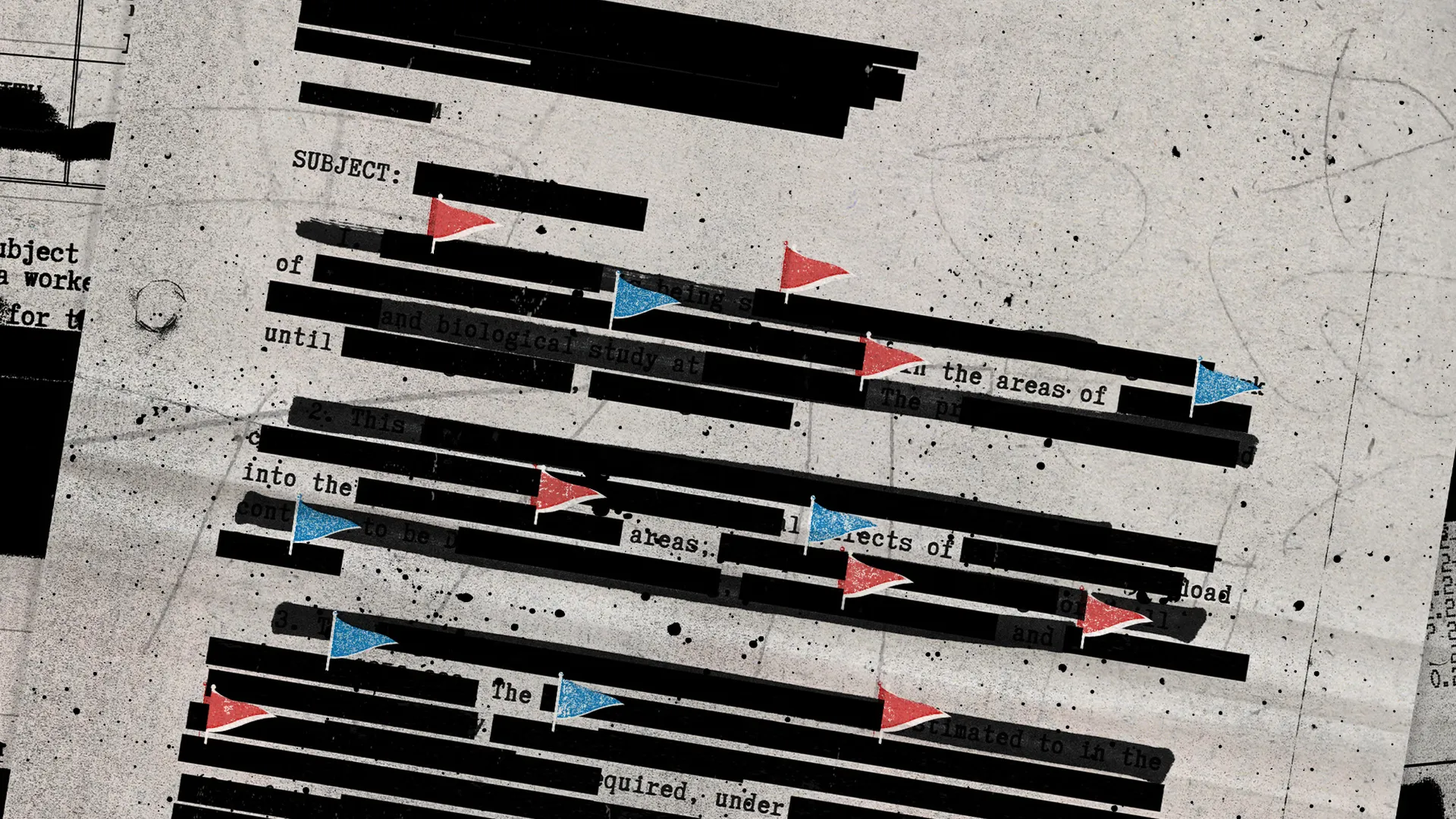
    Redactions in Epstein files raise bipartisan red flags

    President Donald Trump’s long association with deceased sex offender Jeffrey Epstein is well-documented. Less publicly acknowledged, however, are uncorroborated allegations that Trump sexually abused a minor while in Epstein’s orbit, particularly after “more than 50 pages of FBI interviews, as well as notes from conversations,” with a woman who accused Trump of assault were found missing from the Justice Department’s Epstein files release, said NPR. As lawmakers identify what was redacted and why, the furor over Trump’s Epstein associations seems unlikely to die down.

    ‘Covering up direct evidence’
    At the center of the growing scandal are allegations from an unidentified woman who claimed she was forced into a sexual encounter with Trump by Epstein “around 1983, when she was around 13 years old,” said NPR. Congressional investigators determined the tranche of missing documents by “matching public files with case files listed in the evidence” made available to Epstein co-conspirator Ghislaine Maxwell’s legal team, said Politico.

    The focus on the missing documents is “misleading the public,” said the Justice Department on X. Democrats are merely “manufacturing outrage” even though “nothing has been deleted.” Just one day later, however, the DOJ said it’s “currently reviewing files” that were allegedly withheld, and items deemed improperly redacted “will of course” be published.

    While it’s unclear why the materials were missing, their absence “deepens questions” about how the Justice Department has handled the legally mandated Epstein file releases, said The New York Times. The law directing the publication of documents allows redactions to protect victims but “expressly prohibited” officials from blocking publication to avoid “embarrassment, reputational harm or political sensitivity to public figures.”

    Democrats plan to “open a parallel investigation” into the allegations against Trump and the DOJ redactions, said House Oversight Committee Ranking Member Rep. Robert Garcia (D-Calif.) in a statement. The Justice Department appears to be “covering up direct evidence of a potential assault” by the president.

    New narrative
    Trump has personally “evaded the crosshairs of credible allegations in the Epstein files” in part thanks to “misdirection, public confusion and excessive redactions from his own DOJ,” said journalist Roger Sollenberger, one of the first reporters to identify the missing material, on Substack. But the allegations “contradict the narrative” that Trump has “not been credibly accused of wrongdoing in the Epstein saga.”


    QUOTE OF THE DAY

    ‘The Bureau of Prisons would rather we be entertained than educated. The system is broken.’

    Former Theranos CEO Elizabeth Holmes, in an X post while serving time for fraud, on her prison allowing people to stay up to watch the BET Awards (which aired in June) but not Trump’s State of the Union address on Tuesday


    TODAY’S BIG QUESTION

    Why is Trump going after Netflix’s Susan Rice? 

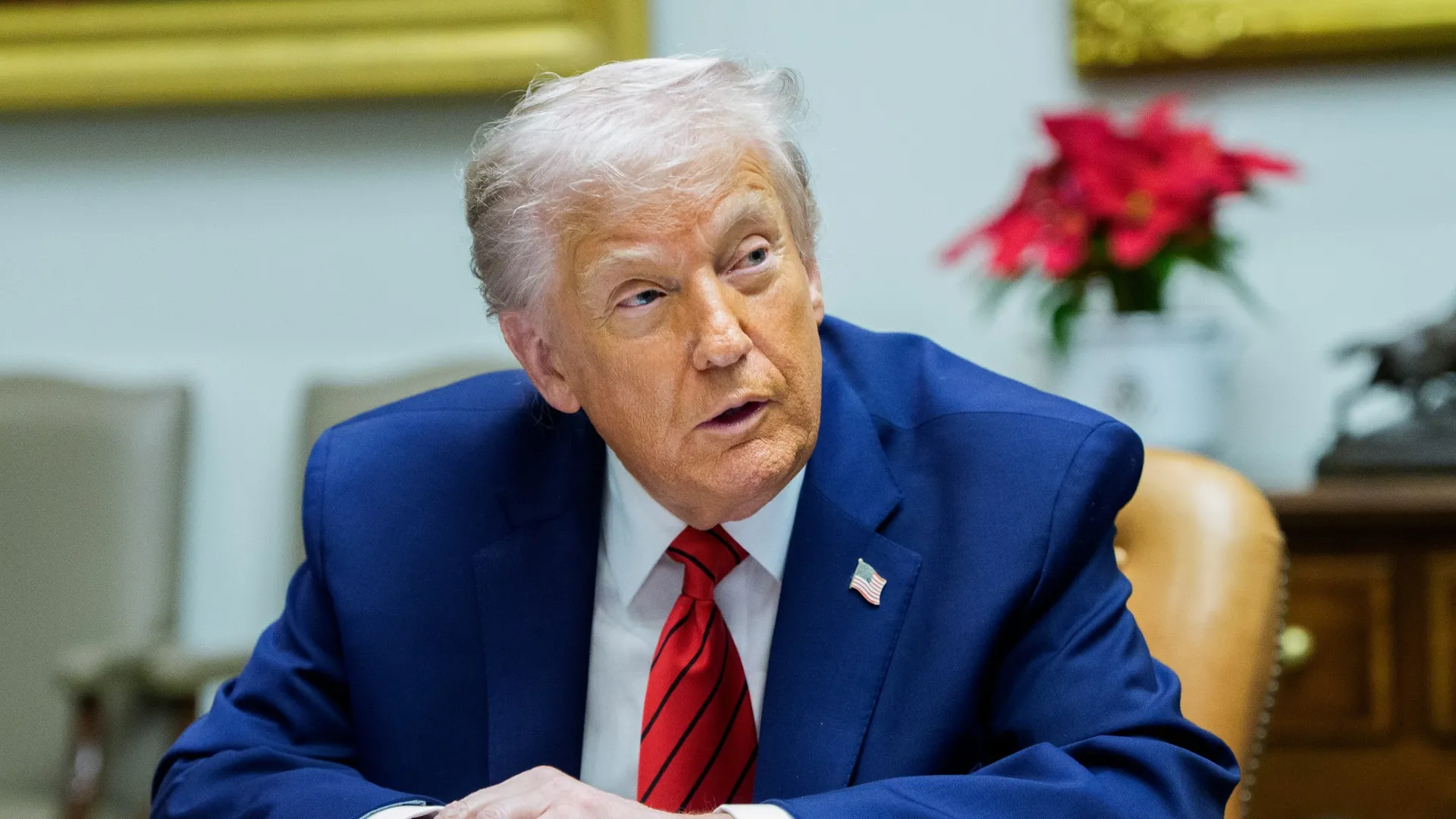
    President Donald Trump is not the sort of old-fashioned Republican who believes businesses should operate unfettered from government interference. Instead, he’s now telling Netflix to fire a prominent board member who worked for the Obama administration.

    The streaming giant will “pay the consequences” if it does not fire Susan Rice from its board “immediately,” Trump said on Sunday. But Democrats will not “forgive and forget” companies that bend to Trump, said Rice, the former ambassador to the U.N. under former President Barack Obama, in a recent podcast. This earned Trump’s ire. Rice has “no talent or skills — purely a political hack!” he said on Truth Social.

    The controversy comes as Netflix is trying to acquire Warner Bros. Discovery (WBD) in an $83 billion deal while fending off a rival bid from Trump-friendly Paramount Skydance. Trump does not have “direct authority to kill media deals,” said Axios, but his comments “could still have an impact on investors and regulators” who must approve the Netflix deal.

    What did the commentators say?
    Trumpism “closely resembles state-run capitalism,” Steve Benen said at MS Now. The president wants a say in “what private companies charge, their profit margins, the salaries of their executives,” and even personnel matters. If Trump wants to derail Netflix’s bid for WBD, he’s “in a position to do so.”

    The president is demanding Rice be fired because she “exercised her First Amendment right to criticize him,” Marc Elias said at Democracy Docket. Netflix “now has a choice” to make. The company can “stand behind a distinguished board member” or “fire her at the despotic demand” of the president.

    What next?
    WBD has deemed a "sweetened bid" from Paramount Skydance to be superior to Netflix's offer, said The Associated Press. Netflix has four business days to counter, and regulators could still step in. Netflix CEO Ted Sarandos is working to prevent that. He will attend meetings at the White House next Thursday to discuss the WBD bid.


    Statistic of the day

    $200 billion: The amount that India hopes to invest in data centers over the next few years to make the country a hub for artificial intelligence, according to its minister for electronics and information technology. The push comes as governments worldwide “race to harness AI’s economic potential,” said The Associated Press.


    the explainer

    AI’s increasing presence on campus

    As artificial intelligence increasingly entrenches itself in society, universities are no exception. From clubs and classes to professional events, AI companies have made themselves staples on campus, and it’s not just the use of their technology to cheat in class. Many also worry that AI could influence higher education in new and potentially destructive ways.

    How is AI being pushed at universities?
    Google has worked with Purdue University, California Community Colleges and other schools to “offer AI courses, certificates and products,” while OpenAI has launched a “consortium with 15 leading research institutions,” said The Wall Street Journal. And Microsoft is “offering eligible students 12-month subscriptions to its AI productivity tools at no cost.”

    In addition, Anthropic has partnered with CodePath, the country’s “largest provider of collegiate computer science education,” to “redesign its coding curriculum as AI reshapes the field,” said the company. The initiative will put AI tools like Claude Code at the “center of its courses and career programs,” with a focus on institutions that “cater to low-income and first-generation college students.”

    AI clubs are popping up on campuses throughout the nation. These are not just intended for computer science and STEM students. At least 16 law schools have founded AI clubs as “future lawyers seek to understand the rapidly expanding technology and how it will affect their careers,” said Reuters.

    What’s in store for higher education?
    Companies across industries have “pushed their employees to adopt AI tools, and many are now asking in job interviews how prospective hires use the technology,” said the Journal. “Three-quarters of employers expect the new graduates they hire to have used AI tools, though most say colleges haven’t prepared them sufficiently.” 

    But as more students embrace AI, educators have become increasingly worried about cheating. Some students are “turning to a new group of generative AI tools called humanizers,” which “scan essays and suggest ways to alter text so they aren’t read as having been created by AI,” said NBC News. In response, companies “such as Turnitin and GPTZero have upgraded their AI detection software, aiming to catch writing that has gone through a humanizer.”

    This is a troubling sign that the “technopoly is thriving,” said Ronald Purser at Current Affairs. Students “aren’t being taught to think more deeply but to prompt more effectively.”


    Good day 🐴

    … for Italian horses. A bipartisan parliamentary group in Italy will propose a ban on horse meat. Under the draft bill, horses, donkeys and mules would be classified as pets, making it a criminal offense to kill them for carne di cavallo, of which Italy is currently one of Europe’s leading consumers.


    Bad day 👴

    … for older men. The forever chemicals known as PFAS accelerate aging in men who are 50 to 65, according to a study in the journal Frontiers in Aging. Women eliminate certain PFAS faster than men due to pregnancy, breastfeeding and menstrual blood loss, earlier studies have found.


    Picture of the day

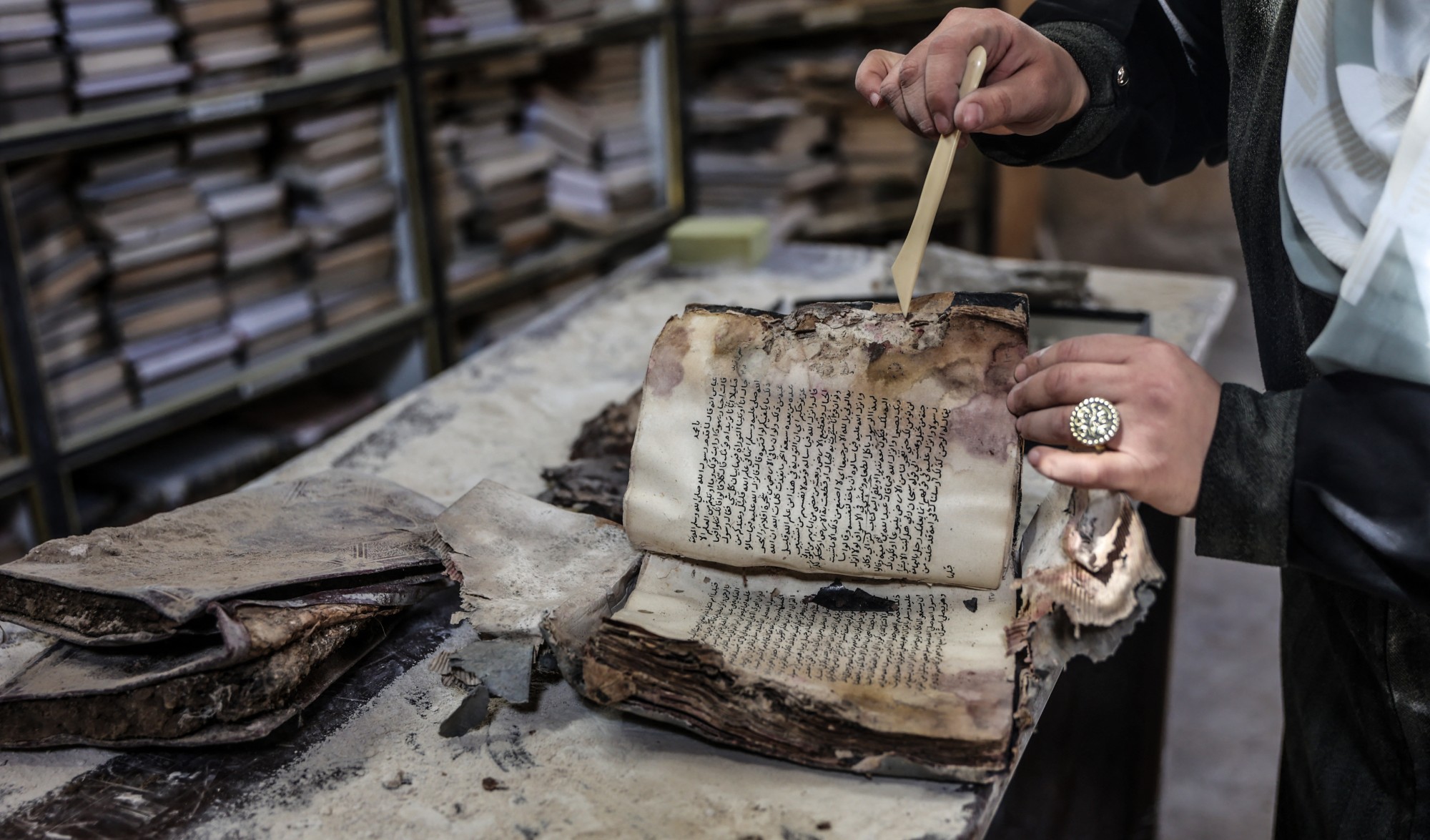
    Turning the page

    A volunteer examines a charred book in Gaza City’s Great Omari Mosque, where work has begun to restore volumes and manuscripts damaged in Israeli air strikes. Before the invasion, the mosque’s library held about 20,000 books, of which fewer than 4,000 remain.
    Omar Al-Qattaa / AFP / Getty Images


    Puzzles

    Daily sudoku

    Challenge yourself with The Week’s daily sudoku, part of our puzzles section, which also includes guess the number

    Play here


    The Week recommends

    The best sports TV shows of all time

    Competitive sports are a reliable foundation for solid comedy and drama. And the great thing about these superb shows is that you don’t need to know much of anything at all about sports to enjoy them.

    ‘Sports Night’ (1998-2000)
    Creator Aaron Sorkin’s short-lived but beloved cult classic followed the hosts and producers of a fictional nightly sports recap show trying to compete with ESPN’s pioneering “SportsCenter.” The result was “unadulterated Sorkin, with all of his strengths and none of his weaknesses,” said Ciara Moloney at Paste Magazine. (Prime Video)

    ‘GLOW’ (2017-19)
    The 1980s-set “GLOW” (pictured above) gave us three superb seasons of wrestling and drama before Netflix axed it. Alison Brie is Ruth Wilder, a Los Angeles aspiring actor whose career is going nowhere. She accepts an invitation to audition for the Gorgeous Ladies of Wrestling, where she’s cast along with her estranged friend, Debbie Eagan (Betty Gilpin), and directed by aging film director Sam Sylvia (Marc Maron). Their exploits create a “quiet and simple masterpiece that deserves to be the most popular show on television,” said Matt Gannon at TV Wasteland. (Netflix)

    ‘Brockmire’ (2017-20)
    A decade after a drunken on-air meltdown caused him to lose his job as a major league baseball announcer, Jim Brockmire (Hank Azaria) returns stateside to take a job with the woebegone minor league Morristown Frackers. The show works both as a “snapshot of this aging oddity of Americana and a universal story about a washed-up person coming to terms with himself,” said Sonia Saraiya at Variety. (Netflix)

    Read more


    Poll watch

    Almost three in four adults (76% of men, 68% of women) across 140 countries in 2025 believe women in their country are treated with respect and dignity, according to a Gallup survey. In the U.S., 67% of men agree compared to only 46% of women. The U.S. is tied for the fourth-largest gender gap in the world. 


    INSTANT OPINION

    Today’s best commentary

    ‘The real revolution is not giving up on democracy or on each other’
    Kerry Sautner at The Philadelphia Inquirer
    This is “not a season for rose-tinted nostalgia nor is it a time to ignore the difficulties of the past year,” says Kerry Sautner. The “challenges we have faced have been real and impossible to dismiss,” but “cynicism is not a solution, and disengagement is not patriotism.” American democracy is a “glorious, unfinished experiment,” but it “does not sustain itself. It requires constant care, tension, participation and belief.” Not “giving up on democracy looks like staying in the game.”

    ‘There’s no military solution to Mexico’s cartel problem’
    Antonio De Loera-Brust at Foreign Policy
    Mexico killed El Mencho at President Claudia Sheinbaum’s orders,” but in “taking action against a major cartel leader,” Sheinbaum is “walking a tightrope,” says Antonio De Loera-Burst. The White House “welcomed Mexico’s attack” on El Mencho and was “quick to claim its share of the credit for El Mencho’s elimination,” but the “benefit to ordinary Mexicans is far less clear.” As long as “money can be made selling drugs, eliminating one cartel boss merely means ensuring his replacement.”

    ‘In monster snowstorms or blistering heat, workers need protection’
    Terri Gerstein at The Hill
    As climate change “causes ever more dangerous storms, workers need protection in extreme weather of all kinds,” says Terri Gerstein. “Very low and very high temperatures both present serious dangers,” but in “most of the U.S., however, there are no specific rules requiring employers to take basic and common-sense measures to keep workers safe. This needs to change.” With the Trump administration’s “hostile approach toward worker safety, state and local governments will have to take the lead.”


    WORD OF THE DAY

    jestermaxxing

    A slang term to describe being overly silly to gain attention from women. Jestermaxxing is popular on incel forums and with followers of Clavicular, the influencer known as the leader of the looksmaxxing movement, and is increasingly referenced in social media captions of videos from third parties known as clippers.


    Evening Review was written and edited by Theara Coleman, Nadia Croes, David Faris, Scott Hocker, Justin Klawans, Joel Mathis, Summer Meza, Devika Rao and Rafi Schwartz, with illustrations by Stephen Kelly and Julia Wytrazek.

    Image credits, from top: Illustration by Julia Wytrazek / Shutterstock; Bloomberg / Getty Images; Andrii Dodonov / Getty Images; Erica Parise / Netflix
     

    Recent editions

    • Morning Report

      US and Cuba clash over speedboat shootout

    • Evening Review

      Escalating in Iran?

    • Morning Report

      Trump sells success in State of the Union

    VIEW ALL
    TheWeek
    • About Us
    • Contact Future's experts
    • Terms and Conditions
    • Privacy Policy
    • Cookie Policy
    • Advertise With Us
    • FAQ
    Add as a preferred source on Google

    The Week is part of Future US Inc, an international media group and leading digital publisher. Visit our corporate site.

    © Future US, Inc. Full 7th Floor, 130 West 42nd Street, New York, NY 10036.