The Week The Week
flag of US
US
flag of UK
UK
https://cdn.mos.cms.futurecdn.net/flexiimages/jacafc5zvs1692883516.jpg

SUBSCRIBE & SAVE

Less than $3 per week

Sign in
  • View Profile
  • Sign out
  • The Explainer
  • The Week Recommends
  • Newsletters
  • Cartoons
  • From the Magazine
  • The Week Junior
  • Student Offers
  • More
    • Politics
    • World News
    • Business
    • Health
    • Science
    • Food & Drink
    • Travel
    • Culture
    • History
    • Personal Finance
    • Puzzles
    • Photos
    • The Blend
    • All Categories
  • Newsletter sign up Newsletter
  • Brand Logo
    Peace with Iran, redistricting punt and Trump’s intelligence muddle

     
    TODAY’S IRAN WAR story

    Trump and Iranian president sign 60-day truce

    What happened
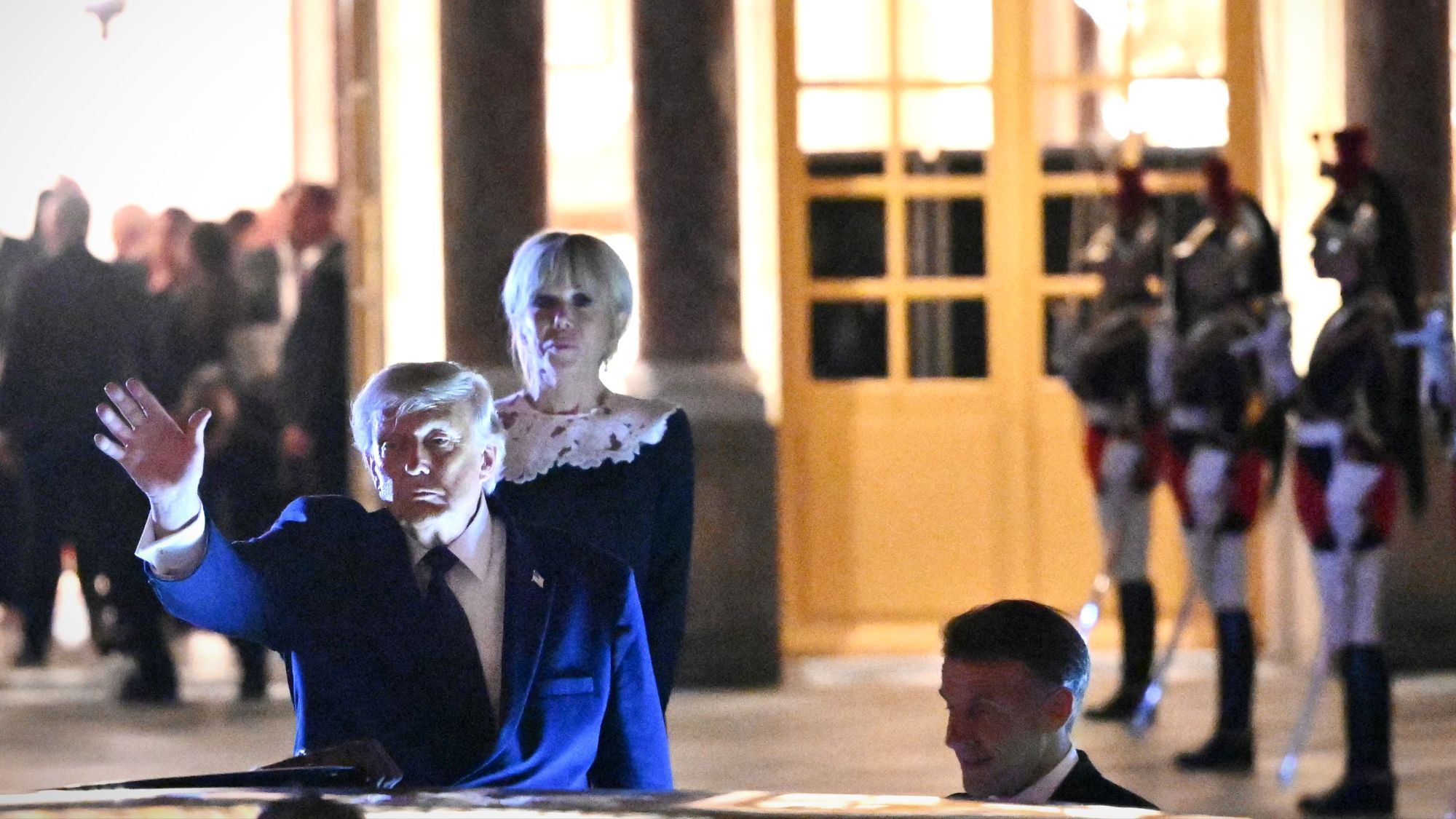
    President Donald Trump and Iranian President Masoud Pezeshkian yesterday signed a memorandum of understanding to open the Strait of Hormuz, allow Iran to sell oil on the global market, start unfreezing its assets and begin 60 days of negotiations on Tehran’s nuclear program and “at least” $300 billion for Iran’s “reconstruction and economic development.” 

    The text of the 14-point agreement was read to reporters by a U.S. official yesterday, and Iran later released a similar version. Pakistani Prime Minister Shehbaz Sharif, a key mediator, said the agreement was in “force with immediate effect.”

    Who said what
    The agreement would mostly “restore the status quo before the war,” The Associated Press said. Except the text suggests Iran might “negotiate some permanent way to exercise sovereignty” over the strait, including new shipping “fees,” after 60 days, David Sanger said in The New York Times. Overall, the Iranians have “emerged from a confrontation with the world’s most powerful military” intact and “with much to celebrate.”

    “Everything we sought to achieve through military action, we obtained several times over through negotiation,” Iranian lead negotiator Mohammad Baqer Qalibaf said on state television. The deal is “very strong,” Trump told reporters at a G7 summit in France. “Most people seem to be very happy.” Critics of the deal, including many Republicans, are “stupid and bad people,” he said. But "if I don’t like it, we’ll go back to shooting at them, dropping bombs.”

    What next?
    Instead of a planned signing ceremony in Geneva tomorrow, Vice President JD Vance and other Trump envoys will “attend three days of negotiations with their Iranian counterparts” in Lucerne, The Wall Street Journal said


    TODAY’S ELECTIONS story

    Georgia Republicans rebuff 2028 redistricting push

    What happened
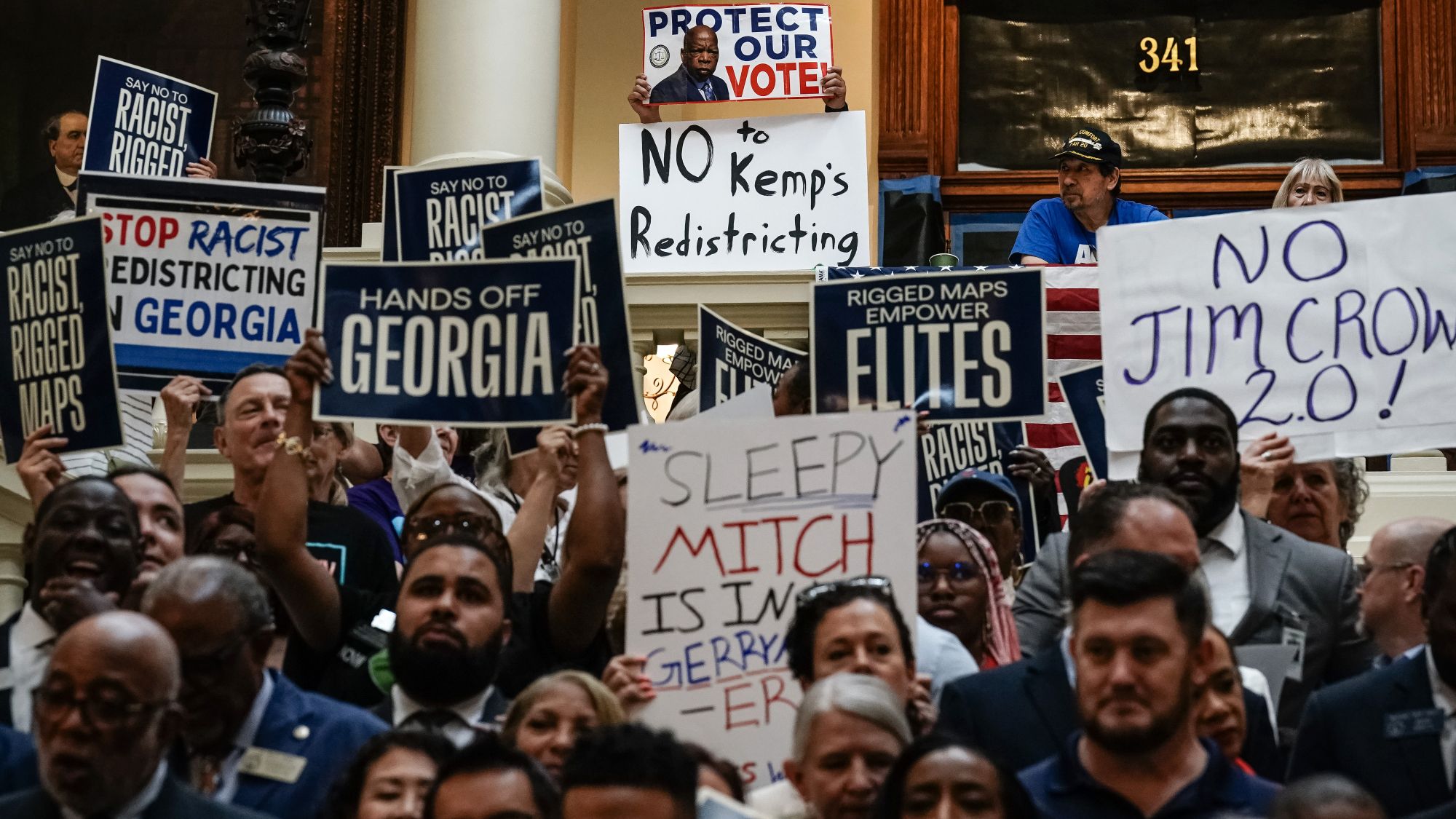
    Georgia’s Republican state lawmakers yesterday rejected Gov. Brian Kemp’s (R) calls to immediately redraw the state’s political map to erase one or two majority-Black congressional districts before the 2028 elections. Kemp had called yesterday’s special legislative session to make Georgia the latest Southern state to redistrict after the Supreme Court gutted the last main pillar of the Voting Rights Act.

    Who said what
    The decision “marked a setback for both Kemp and President Donald Trump,” who started the national redistricting war to improve GOP odds of keeping control of Congress, The Associated Press said. Georgia Republican legislative leaders “cited a desire for a more methodical process that included greater input from voters and a better understanding” of the legal challenges, The New York Times said. But the redistricting retreat, The Atlanta Journal-Constitution said, followed “weeks of mounting pressure from Democrats, voting rights groups and even some uneasy Republicans who warned that reopening redistricting could energize Democratic voters” in the increasingly competitive state. 

    What next?
    Kemp and other Georgia Republicans said they weren’t giving up on the redistricting. The Supreme Court “left no doubt that we would need to draw new maps,” Senate President Larry Walker III (R) said at a news conference. “The question was when.”


    TODAY’S INTELLIGENCE Story

    Trump pulls intel nominee, demands voting law

    What happened
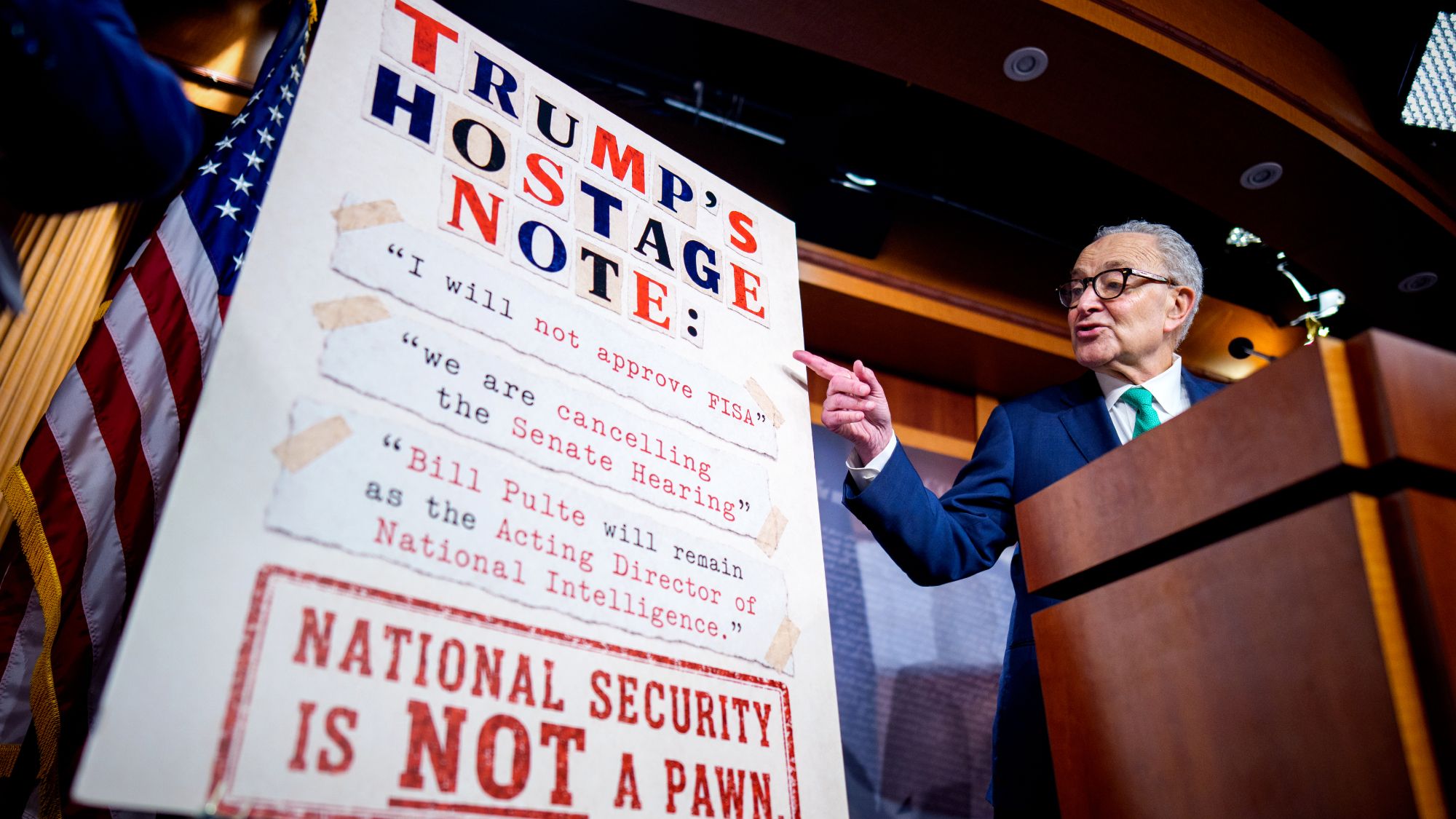
    President Donald Trump yesterday scuppered plans by Senate Republicans to quickly confirm his nominee for director of national intelligence, Jay Clayton, and reauthorize a lapsed critical spying tool. Posting on social media from a G7 summit in France, Trump said he was canceling Clayton’s confirmation hearing, hours before it was set to begin, until the Senate confirmed his controversial replacement as the U.S. attorney in Manhattan. And “to add a slight bit of intrigue,” Trump added, he would not sign a reauthorization of FISA’s Section 702 surveillance tool until the Senate approved voter-eligibility legislation that doesn’t have the votes to pass. 

    Who said what
    Trump’s set of “extraordinary” dictates “makes it more likely that his temporary pick for the intelligence job,” top housing official Bill Pulte, takes over tomorrow, The Associated Press said. Senators had been “rushing to get Clayton confirmed by the end of the week, to get ahead of Pulte’s scheduled start,” The Wall Street Journal said. Pulte is an unqualified “sycophant,” Sen. Thom Tillis (R-N.C.) said, and Trump is “undermining our ability to produce the results that he wants.”

    What next?
    Trump is “presumably happy for the highly partisan Pulte to have access to powerful spying tools for 210 days,” The Washington Post said in an editorial, as Senate Republicans decide “how much humiliation they are willing to tolerate.”


    It’s not all bad

    AI could help doctors detect early warning signs of breast cancer up to six years before diagnosis, according to new research published in Radiology. Scientists used AI-based radiology systems to study 88,963 mammograms of 31,000 patients taken over a 10-year span. Cancer prediction scores were higher on average for people eventually diagnosed with breast cancer and lower for those who did not have cancer. Analyzing these scores could “potentially” allow for “earlier intervention,” study co-author Fredrik Strand told Good News Network.


    Under the radar

    Autistic kids are getting off-label stem cell treatments

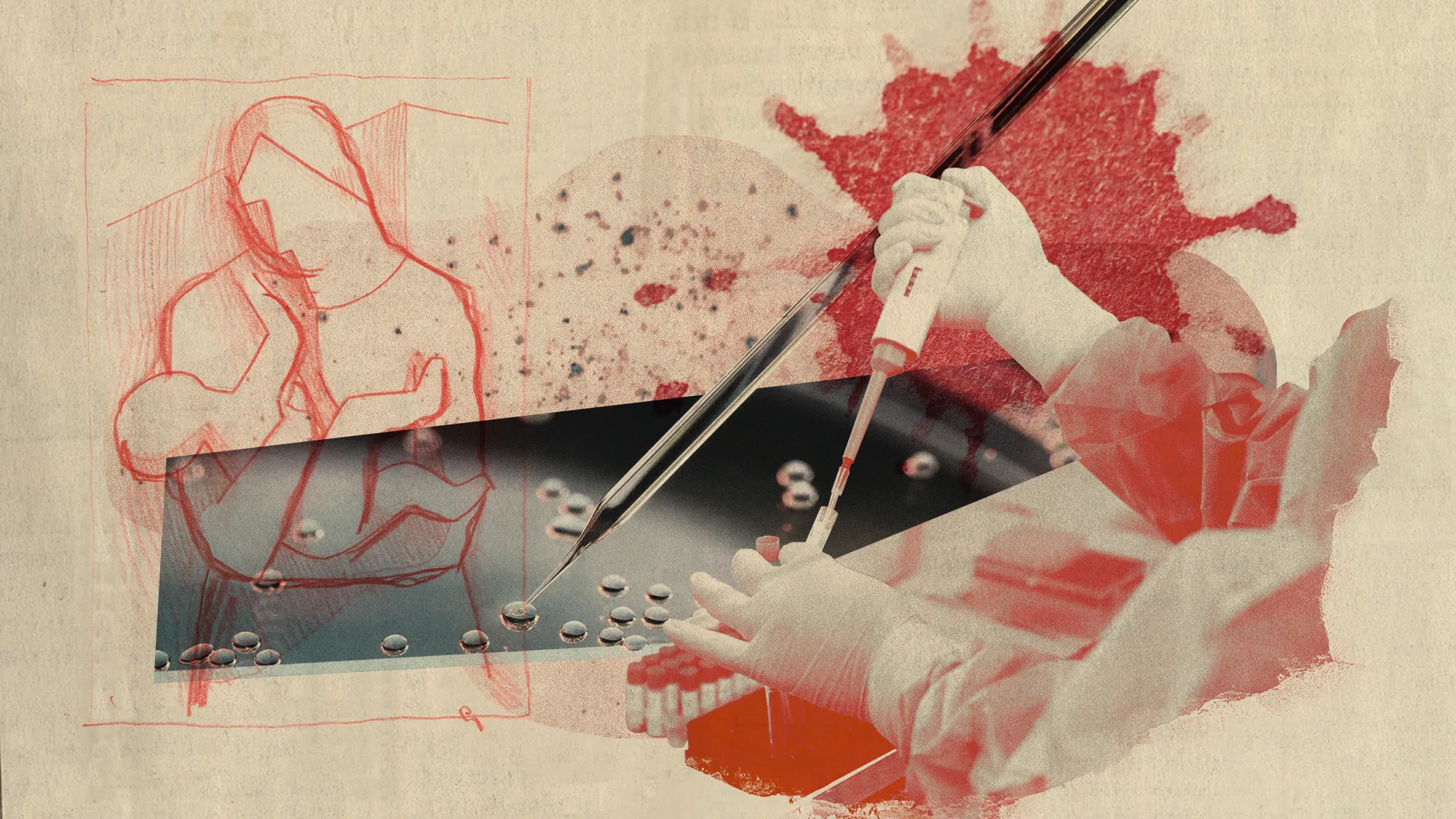
    Relaxed protocols and standards at the Department of Health and Human Services have led to an increase in clinics offering experimental stem cell treatments for children with autism. Although the procedures are not approved by the Food and Drug Administration, kids “as young as 18 months old” are getting injections at clinics in Florida, Texas and elsewhere in the “growing market,” said The Guardian. 

    The procedure involves sedating the child before administering intravenous doses of millions of stem cells “commonly derived from human umbilical cords harvested at birth,” said The Guardian. Sometimes, the doctors providing the treatment have “no scientific expertise in autism or child development.” But stem cell clinics are “finding an influential ally” in Health Secretary Robert F. Kennedy Jr., and policy changes could be coming. 

    Several clinics prominently cite a preliminary Duke University study involving 25 autistic children that “suggested possible improvements following umbilical cord stem cell infusions,” said Trial Site News. But a “larger and more rigorous follow-up trial” involving 180 children failed to “demonstrate significant improvements in core autism symptoms compared with placebo controls.” Researchers concluded that the evidence “does not currently support routine use” of stem cell therapies for autism.

    Parents seeking out unapproved stem cell therapies are “not irrational,” said Trial Site News. Most are “navigating difficult realities” with “limited options and enormous responsibility.” But families “don’t need untried, expensive” treatments, said clinical social worker Jennifer Cork at Psychology Today. “They need affordable therapies” and other help, and for Kennedy to “remember that autistic people are human beings, not lab rats.”


    On this day

    June 18, 1812

    President James Madison signed Congress’ declaration of war on Great Britain, beginning the War of 1812. During the conflict, which lasted nearly three years, the British destroyed several buildings in Washington, D.C., and future President Andrew Jackson gained national prominence. An 1815 treaty restored the status quo between the two nations.


    TODAY’S newspaperS

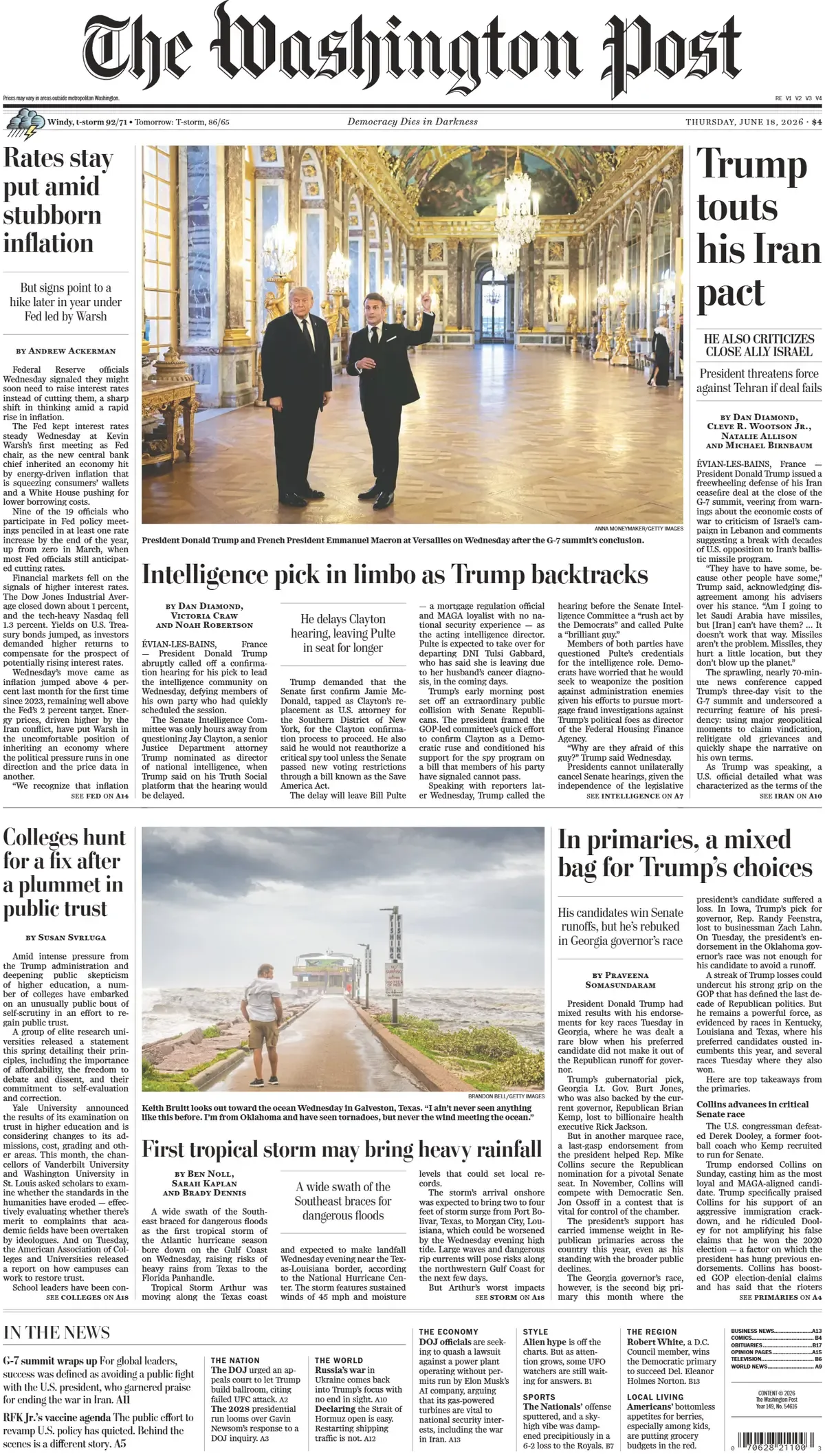
    ‘Trump lashes out’

    “Trump says deal to end war is signed,” the Houston Chronicle says on Thursday’s front page. “Iran deal gives the mullahs $300B,” The Minnesota Star Tribune says. “Trump lashes out at critics of deal as details emerge,” The New York Times says. “Trump says he could still restart Iran war,” says The Sacramento Bee. “Intelligence pick in limbo as Trump backtracks,” The Washington Post says. “Fed holds interest rates steady as officials signal an increase,” The Wall Street Journal says. “Amid inflation,” new Fed chair Kevin Warsh “offers no rate cut — and no hints,” says The Boston Globe. “UN chief to world: Step up in Haiti,” says the Miami Herald. “Tennessee law mandates sick immigrant kids reported to ICE,” says USA Today.

    ► See the newspaper front pages


    Tall tale

    Phoning it in

    Video of a South Korean municipal worker calling into a meeting from a roller coaster went viral online, but there’s a twist. The clip shows Nam Young-sik with an image of his home office in the background, and his boss asking him why his hair is blowing in the wind. But by the end, it’s clear this is a tourism promotion campaign. Still, “Nam really was recording his portion from a roller coaster,” Futurism said. So “at least somebody finally had a little fun at an all-hands meeting.”


    Morning Report was written and edited by Nadia Croes, Catherine Garcia, Scott Hocker, Anya Jaremko-Greenwold, Justin Klawans, Rafi Schwartz, Peter Weber and Kari Wilkin, with illustrations by Stephen Kelly and Julia Wytrazek.

    Image credits, from top: Mandel Ngan / AFP via Getty Images; Elijah Nouvelage / Bloomberg via Getty Images; Andrew Harnik / Getty Images; Illustration by Julia Wytrazek / Getty Images
     

    Recent editions

    • Evening Review

      Will the economy rebound postwar?

    • Morning Report

      Georgia GOP deals Trump a win, loss

    • Evening Review

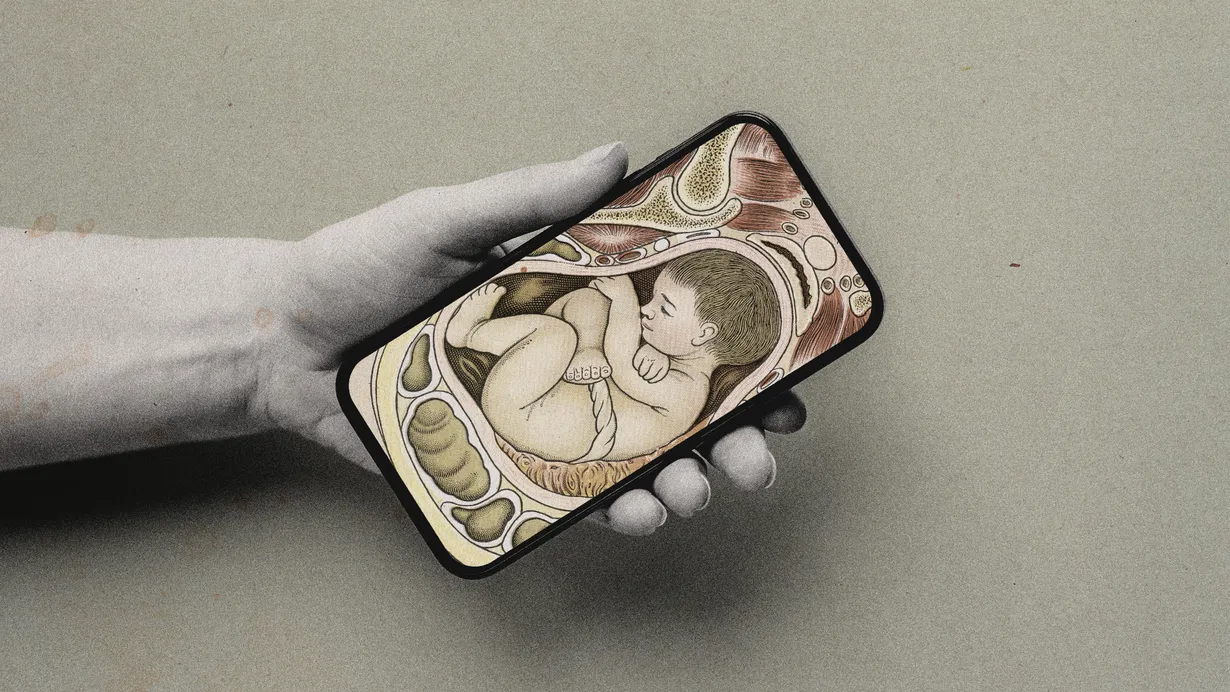
      Are iPhones to blame for the baby decline?

    VIEW ALL
    TheWeek
    • About Us
    • Contact Future's experts
    • Terms and Conditions
    • Privacy Policy
    • Cookie Policy
    • Advertise With Us
    • FAQ
    Add as a preferred source on Google Add as a preferred source on Google

    The Week is part of Future US Inc, an international media group and leading digital publisher. Visit our corporate site.

    © Future US, Inc. Full 7th Floor, 130 West 42nd Street, New York, NY 10036.