The Week The Week
flag of US
US
flag of UK
UK
https://cdn.mos.cms.futurecdn.net/flexiimages/jacafc5zvs1692883516.jpg

SUBSCRIBE & SAVE

Less than $3 per week

Sign in
  • View Profile
  • Sign out
  • The Explainer
  • The Week Recommends
  • Newsletters
  • Cartoons
  • From the Magazine
  • The Week Junior
  • Student Offers
  • More
    • Politics
    • World News
    • Business
    • Health
    • Science
    • Food & Drink
    • Travel
    • Culture
    • History
    • Personal Finance
    • Puzzles
    • Photos
    • The Blend
    • All Categories
  • Newsletter sign up Newsletter
  • The Week’s Saturday Wrap
    The Democrats’ mess in Maine, what AI will never have, and a dangerous new wellness fad

     
    controversy of the week

    Platner: Anatomy of a Democratic disaster

    Graham Platner’s “reputation is in tatters,” said George F. Will in The Washington Post, and “so should be the reputations of all those national figures” who tried to make him a U.S. senator. For months, Democrats stuck by the 41-year-old political novice, primary voters’ choice to challenge Maine’s longtime GOP Sen. Susan Collins in November, despite a steady drip of scandals. They weren’t fazed by his troubling Reddit posts, the Nazi chest tattoo, his habit of sexting women not his wife, or claims of physical abuse by an exgirlfriend. It took one ex’s claim that Platner showed up drunk at her house in 2021 and raped her to dislodge him from “the warm embraces” of left-wing populists such as Sens. Bernie Sanders and Elizabeth Warren, leaving Platner little choice but to end his “ludicrous-from-the-start” campaign. Democrats would have you believe they turned on Platner because of the rape accusation, said Nick Catoggio in The Dispatch — an accusation that Platner, in a “mopey, 11-minute” exit video, called “all false.” In truth, they looked at his sinking poll numbers and reports that this supposedly working-class oysterman was actually the privately schooled son of a successful attorney, who sold his oysters mostly to his mother’s upscale restaurant. As Democrats scramble to find a new nominee for a race that could decide control of the Senate, what lessons can they learn from this “Frankenstein-tier experiment gone wrong?” 

    They can start by accepting the need to vet their candidates, said Michelle Goldberg in The New York Times. Platner was discovered and groomed for the spotlight by a pair of progressive operatives, Daniel Moraff and Leanne Fan, who were “so infatuated with his identity—a gruff, handsome oysterman with social democratic politics—that they failed to do their due diligence.” This was Platner’s first run for office, yet they skipped the standard $20,000 background check for a budget-friendly “expedited” version that didn’t find the many skeletons in his closet. These are the corners you cut when you “fall in love too easily,” said Renée Graham in The Boston Globe. Why bother vetting when in this gravel-voiced Marine combat veteran they’d been handed the perfect “white working-man whisperer” to sell socialism to the masses?

    The truth is darker than that, said Monica Potts in The New Republic. When Platner’s “questionable treatment of women” started coming to light, his boosters did more than defend him. They celebrated his “checkered history” as proof of Platner’s “authenticity,” that he was, in the words of independent journalist Ken Klippenstein, not a “smoothgroin” politician. In defending Platner, Democratic elites revealed their disdain for blue-collar voters, said Noah Rothman in National Review. A binge-drinking, womanabusing, Nazi-curious liar, they clearly thought, is “just what you get when you meet the American working class where they live.”

    Platner was a “train wreck,” said Perry Bacon in The New Republic, but it wasn’t crazy to think an unconventional outsider might resonate with Maine’s white, rural electorate. Maybe not, said The New York Times in an editorial, but Platner’s initial appeal “was never really about oysters or facial hair.” He won June’s primary by 50 points because, unlike many Democratic candidates, he seemed to stand for something beyond simply opposing President Trump—he spoke with “conviction” about fixing “an economy that seems rigged for the powerful.” The lesson of Platner is not that the party needs to find scandal-free saviors, but rather that it should find a “purpose.”


    VIEWPOINT

    The beauty of human oddity

    “There is one human superpower that artificial intelligence is unlikely to emulate: the capacity for individuality and idiosyncrasy, and the authenticity it yields. Without having to experience the struggle of wrestling with complexity, collaborating with others, and integrating unwelcome feedback, LLMs invariably short-circuit something that we humans value very deeply. A surprisingly large proportion of life is spent on meandering, inefficient searches, which are one of the roots of human creativity. A conventional AI model is designed to converge on a ‘normal’ answer. Eccentricity and uniqueness will always place human creation above machine fabrication.”

    Nicholas A. Christakis in The Washington Post 


    briefing

    The peptide craze

    Americans are injecting themselves with unregulated chemicals to boost their health. Is that safe?

    What are peptides? 
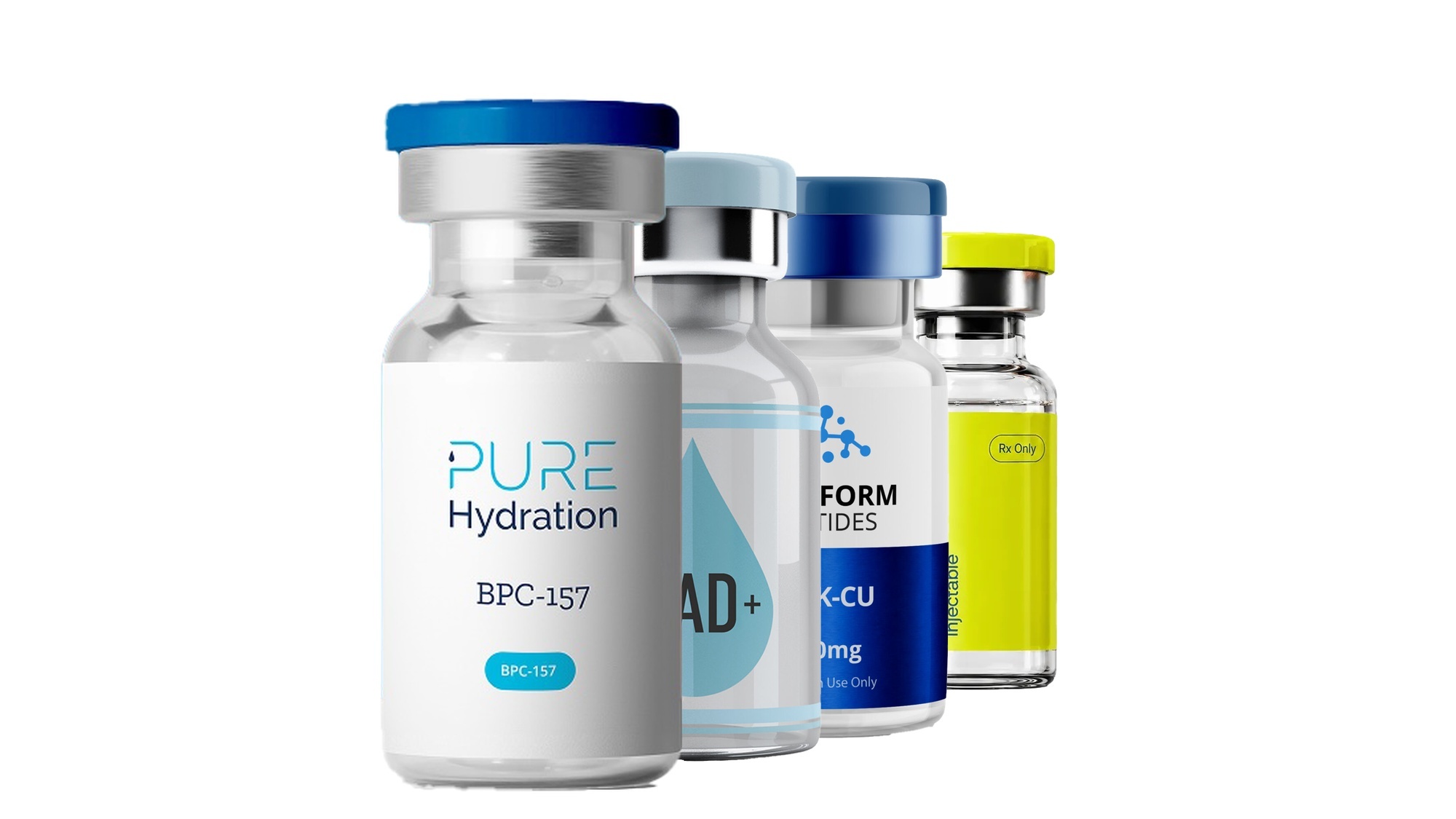
    These short chains of amino acids are found naturally in the body and act as useful messengers, telling cells when to repair damaged tissue, produce hormones, reduce inflammation, and more. Scientists have turned a number of peptides into safe and effective drugs, including insulin, which moves sugar from blood into cells, and GLP-1 (the P stands for peptide), which helps regulate appetite and is used in weight-loss medications such as Ozempic. But a growing number of Americans are now taking peptides that, unlike those drugs, haven’t undergone a rigorous testing and approval process. Administered via self-injection, these chemicals are claimed to result in thicker hair, increased libido, greater muscle mass, better skin, heightened focus, and more. Their seemingly miraculous properties have been praised by tech CEOs, podcaster Joe Rogan, and celebrities such as Gwyneth Paltrow, Jennifer Aniston, and Kim Kardashian, who says her daily regimen “changed my life.” But many doctors are alarmed by a craze that has thousands of people injecting themselves with substances of dubious origin and whose long-term effects are unknown. “It’s unfounded and reckless,” said Eric Topol, director of the Scripps Research Translational Institute.

    How big is the industry? 
    Investors believe it’s a $1-billion-to-$3-billion-a-year market, but hard figures are elusive, because most peptides are sold on the quasi-legal gray market. Some are prescribed by doctors and dispensed by compounding pharmacies, which produce tailored medications. Others, which are legal to buy but not approved for use in humans, are sourced from Chinese labs and labeled “for research purposes only.” According to U.S. customs data, imports of Chinese hormone and peptide compounds hit $328 million in the first nine months of 2025, double the total for the same period of 2024. The wild success of GLP-1 drugs, which raised awareness of peptides, has partly fueled the boom, along with growing interest among the wealthy in biohacking—using regimens and supplements to improve the body’s performance and longevity— and glowing testimonials from social media influencers and peptide converts. “I hear it all day, every day: ‘This changed my life,’” said Amanda Kahn, a New York City–based doctor nicknamed the “peptide princess.”

    Why do people take peptides? 
    For a legion of reasons. Proponents of GHK-Cu, a peptide found in human plasma, say it boosts collagen production and improves hair and skin. NAD+, touted by Paltrow as “one of my biggest wellness tools,” is claimed to benefit energy levels and memory. Many peptide fans talk about the makeup of their “stack,” or regimen of daily shots. Combine BPC-157 and TB-500 and you get the Rogan-touted “Wolverine stack,” named after the self-healing Marvel Comics mutant superhero. Iván Pol, a celebrity facialist, says a daily stack including GHK-Cu and BPC-157 has raised his energy, dropped his cholesterol, and lowered his body fat. Hassan Sleiman, a 45-year-old roofing contractor in Michigan, claims a regimen of seven peptides has eased body pains and boosted his vitality. At the University of California, Santa Barbara, says 22-year-old student Ryan Roberts, “everybody does them.” The long-term health risks of this experimentation are not yet known, but doctors are worried about higher cancer risk.

    Can peptides increase the risk of cancer? 
    A recent study by University of Utah researchers found BPC-157 could promote the growth of tumor cells; TB-500 has been shown to speed tumor growth in lab animals. Doctors note that none of these peptides have scientifically proven benefits. People taking them are “becoming lab rats,” said Adam Taylor, a professor of anatomy at Lancaster University in the U.K. Users, even enthusiastic ones, have reported side effects including hair loss, blurred vision, rashes, and dizziness; two women who got peptide injections at an antiaging festival in Las Vegas last year were hospitalized with swollen tongues, elevated heart rates, and breathing trouble. Adding to doctors’ worries are concerns about purity and dosing, because users typically buy from websites selling unregulated Chinese product— some of which comes from plants that previously produced the deadly opioid fentanyl. Irregularities and contamination are common. Still, one high-profile peptide enthusiast wants to make it easier to get peptides: Health Secretary Robert F. Kennedy Jr.

    What is Kennedy doing?
    A self-declared “big fan” of peptides, he has pledged to end their “aggressive suppression” by the FDA. Under former president Joe Biden, the agency classified 19 peptides as unsafe and barred compounding pharmacies from producing and selling them. Later this month, an FDA advisory panel will meet to discuss seven of the chemicals, including those in the Wolverine stack, and issue recommendations. Since at least seven of the panel’s 14 members have ties to the peptide industry or clinics promoting them, it’s expected they’ll advise removing the restrictions—even though FDA scientists in June recommended against doing so, citing insufficient evidence on the peptides’ effectiveness and safety.

    What will happen if the ban is lifted?
    It will likely set off a multibillion-dollar gold rush among potential sellers. Among those poised to profit is the San Francisco-based telehealth firm Hims & Hers Health, which last year acquired a peptide-manufacturing facility in Menlo Park, Calif.; the company’s stock price spiked nearly 50% in April in anticipation of possible FDA action. Kennedy and other proponents say removing the restrictions will boost production at reliable, FDA-inspected facilities and open the door to the research critics say is lacking. But critics fear the FDA’s stamp of approval will simply legitimatize the use of unproven substances whose dangers may only become apparent in coming years. “We’re all holding our breath a little bit,” said Peter Koshland, who teaches clinical pharmacy at UC San Francisco, “and just hoping that nobody gets hurt.”




    Only in America

    The U.S. Forest Service has criticized a new gambling platform whose users bet on California wildfires. Wyldfyre.io—slogan: “You can’t predict fire. But you can trade on it”—says its crowdsourced market will help improve wildfire forecasting. While Wyldfyre currently allows only simulated bets, with “real money coming soon,” the USFS says any system that could incentivize people to bet on potential fires that they then start is “not compatible with our mission.”


    It wasn’t all bad

    A dog recovering from epilepsy on Long Island has formed an unlikely and miraculous bond with a household duck. The Cannarelli family’s golden retriever, Barley, lost her playfulness after starting treatment in 2024. But when the family brought home an American Pekin duckling, a friendship instantly developed. Every morning, Barley would go to the duck’s outdoor pen, which has a wind-protected shed and a small pool. They often wrestle playfully and spar over food. “Louie has no idea he’s a duck,” said Tori Cannarelli. “He thinks he’s a dog.” The pair are now inseparable. And the family says the relationship has brought the old, joyful Barley back. “Maybe she was lonely, I’m not really sure,” Cannarelli said.


    talking points

    Republicans: Rebooting the Red Scare

    Thirty-five years after the Soviet Union collapsed, “communism is on the march again,” said Cathy Young in The Bulwark. So claims President Trump, who’s doing his best to “stir up panic” by casting a handful of recent wins by leftists in Democratic primaries as a full-blown communist takeover. There’s “a resurgence of the communist menace in our land,” he said earlier this month at Mount Rushmore, claiming that “godless,” “evil” communists are a bigger threat to the U.S. than “Pearl Harbor or even 9/11.” Trump invoked communism 81 times in a recent two-week period—and he’s not “alone in claiming to see red.” Those sounding the alarm include Vice President JD Vance and House Speaker Mike Johnson, who’s said “Marxists and communists” pose “a serious threat to our whole system of government.” Of course Trump is “reaching for the communist scare card,” said Robert Reich in his Substack newsletter. The affordability crisis is accelerating, his Iran war is a “debacle,” and his immigration crackdown is hugely unpopular. “He has no other cards left to play.”

    I don’t hear any pushback from the Democratic Socialists ascendant on the Left, said Lauren Veldhuizen in National Review. New York City Mayor Zohran Mamdani and newly minted NYC Democratic congressional candidate Darializa Avila Chevalier “deny the communist epithet,” but haven’t “actively condemned communism as an ideology.” Both routinely rail against capitalism, and just a few years ago Avila Chevalier was calling Karl Marx’s Capital a “must-read” on social media and bemoaning the lack of Lenin in her local library. If it walks like a duck and talks like a duck, “it’s probably a duck, even if that duck assures you that it’s just a socialist.”

    America is indeed veering toward communism—under Trump, said Jackie Calmes in the Los Angeles Times. “A hallmark of communism is government ownership of companies.” Well, over the past year Trump has used billions of taxpayer dollars to buy shares for the government in a growing list of companies, including U.S. Steel, Intel, and nuclear power company Westinghouse. That’s just one reason his “redbaiting won’t work,” said Paul Waldman in Public Notice. In Trump’s mind it’s still the 1980s, when “Ronald Reagan was taking it to the Russkies.” But for most Americans communism is “a story out of history books or a fading memory.” Meanwhile, Trump has been tarnishing capitalism by championing an economic system that he’s further “rigged in favor of powerful interests.” Voters “may not be itching for communism,” but at this point “a little socialism may not sound so bad.”


    people

    How Wilde became a villain

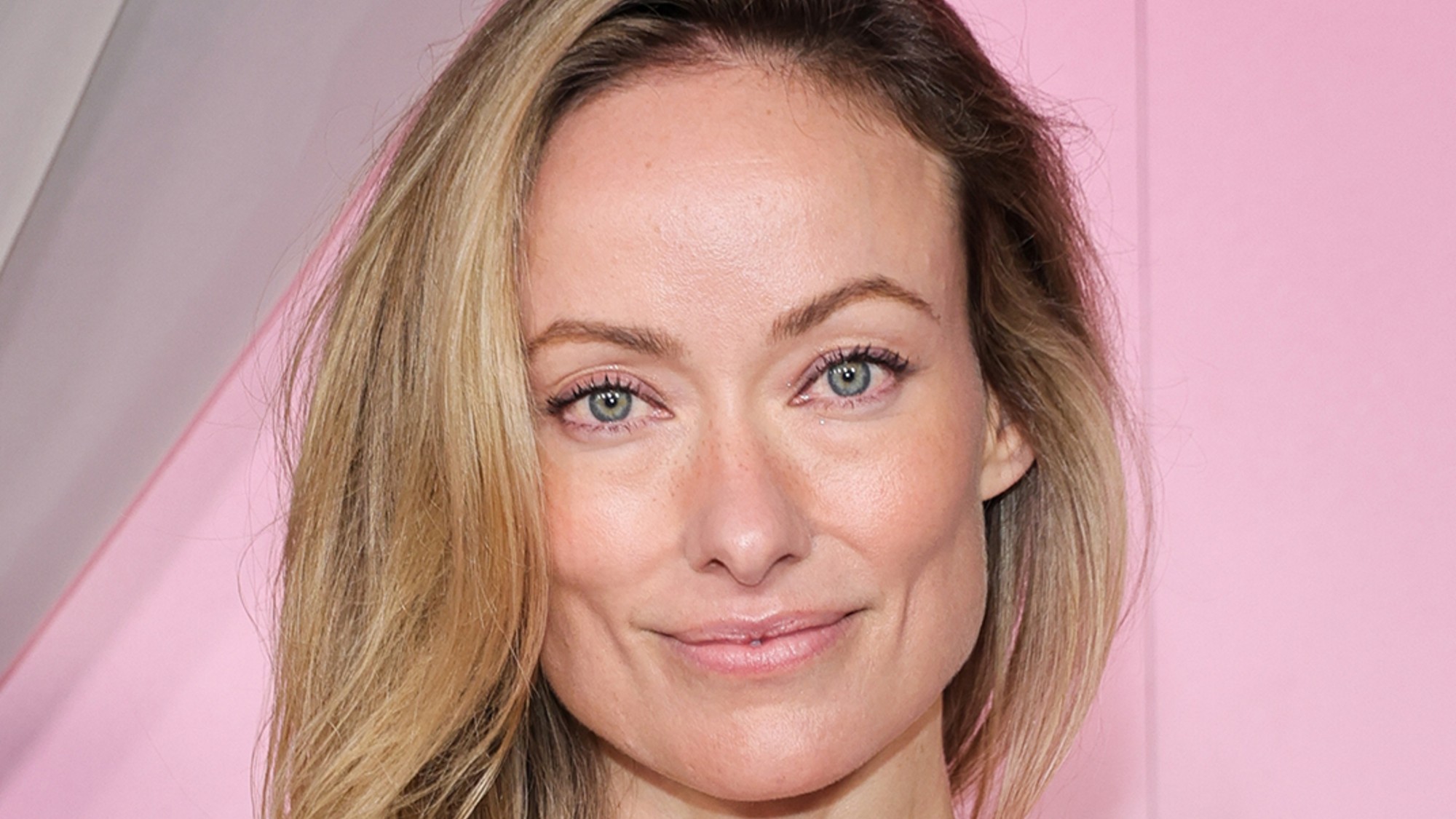
    In 2022, Olivia Wilde found herself at the heart of a tabloid storm, said Monica Corcoran Harel in New York. Her second feature as director, Don’t Worry Darling, had just hit theaters and was being panned by critics. But it’s what happened off-screen that spurred the press frenzy. Tabloids reported that the actress and filmmaker, now 42, was dating her decade-younger co-star, singer Harry Styles, and had clashed with lead actress Florence Pugh. Wilde doesn’t regret her two-year relationship with Styles, which she calls “loving and wonderful,” but denies all rumors of a feud with Pugh. “I have never had a screaming match on my set. I was never not available on set. I wanted to be like, ‘None of this is true.’” But studio executives, she says, insisted she stay stoic. “I was told, ‘Don’t say a f---ing word. Just go out there and smile.’” It didn’t work. The way she was perceived by the public, says Wilde, changed almost overnight from “object of desire” to “full-on villain. Like Cruella.” Wilde ended up stepping back for a few years to rebuild herself and do some therapy. She also traveled, often alone, visiting Ireland, climbing mountains in Bhutan, and exploring Maui. On those treks, she got back to a “baseline” by interacting with people who had no idea who she was. “I tell my female friends to take themselves on road trips. You meet strangers. You introduce yourself as who you are.”


    Saturday Wrap was written and edited by Theunis Bates, Chris Erikson, Bill Falk, Allan Kew, Bruno Maddox, Tim O’Donnell, and Zach Schonbrun.

    Image credits, from top:  C-SPAN, Getty (2)
     

    Recent editions

    • Evening Review

      The forced collapse of clean energy

    • Morning Report

      Smoky skies

    • Evening Review

      Trump’s favorite measure of success

    VIEW ALL
    TheWeek
    • About Us
    • Contact Future's experts
    • Terms and Conditions
    • Privacy Policy
    • Cookie Policy
    • Advertise With Us
    • FAQ
    Add as a preferred source on Google Add as a preferred source on Google

    The Week is part of Future US Inc, an international media group and leading digital publisher. Visit our corporate site.

    © Future US, Inc. Full 7th Floor, 130 West 42nd Street, New York, NY 10036.