The Week The Week
flag of US
US
flag of UK
UK
https://cdn.mos.cms.futurecdn.net/flexiimages/jacafc5zvs1692883516.jpg

SUBSCRIBE & SAVE

Less than $3 per week

Sign in
  • View Profile
  • Sign out
  • The Explainer
  • The Week Recommends
  • Newsletters
  • Cartoons
  • From the Magazine
  • The Week Junior
  • Student Offers
  • More
    • Politics
    • World News
    • Business
    • Health
    • Science
    • Food & Drink
    • Travel
    • Culture
    • History
    • Personal Finance
    • Puzzles
    • Photos
    • The Blend
    • All Categories
  • Newsletter sign up Newsletter
  • The Week Evening Review
    Clean energy’s fall, the WNBA’s political discourse, and Old Masters’ comeback

     
    TODAY’S BIG QUESTION

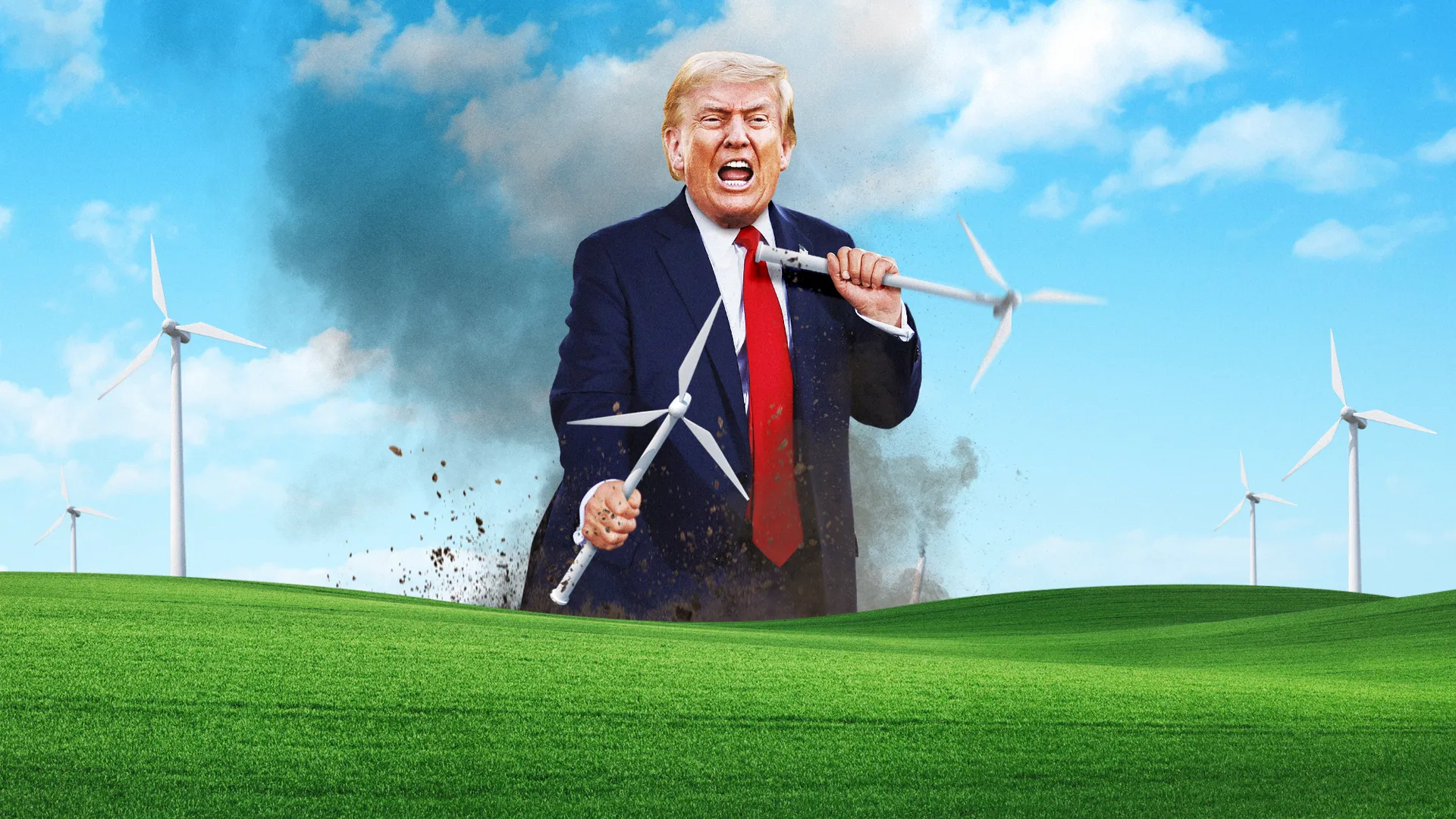
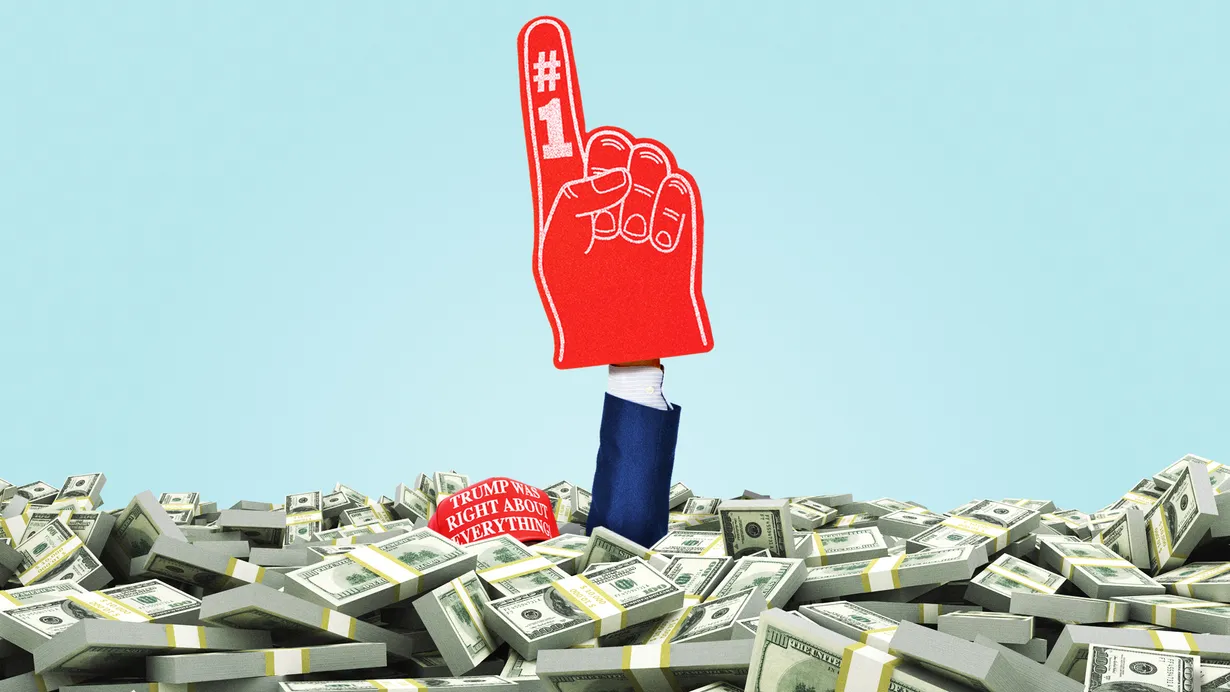
    How much does Trump’s war on clean energy cost?

    The Trump administration has been on a crusade against clean energy, and the costs are adding up. The White House has spent billions to steer energy companies away from wind power while simultaneously increasing coal subsidies. U.S. taxpayers, meanwhile, are dealing with ever-rising electricity bills and gas prices.

    What did the commentators say?
    Trump is “forcing higher bills” on American energy consumers, said former Washington Gov. Jay Inslee to The Guardian. The administration has “directly spent $2.7 billion of taxpayer money,” said the outlet, paying energy companies to “cancel a total of eight offshore wind projects” while at the same time “pouring $1.125 billion into boosting coal” by retrofitting and expanding capacity at older coal-powered power plants. 

    Those and other White House changes to energy policies “could lead to households paying an average of $460 extra per year for energy costs” by 2035, said Newsweek, citing a new report from the think tank Energy Innovation. Administration officials dispute that estimate. Trump has “rolled back burdensome regulations and bolstered U.S. energy production to lower prices for American families,” said a spokesperson to Newsweek. 

    In 2024, the president “promised to cut electric bills in half,” said CNN. But the Energy Innovation report shows that he’s “doing the opposite.” Electricity bills have “spiked nationwide by 7.4% since last fall,” and more than a dozen states are experiencing “double-digit increases year-over-year.” Coal power is “more expensive than natural gas and renewables,” which will result in even “higher power bills for consumers.”

    What next?
    More than 200 clean-energy projects have been canceled since the start of 2025, said Fast Company. The thwarted production has cost roughly “half a million jobs” and tens of billions in lost growth and tax revenues. But the clean-energy economy has not “come to a stop.” More than 90% of new power plants in 2025 were solar, wind or battery plants, and the number is expected to grow this year. Because of Trump’s crackdown, however, the “pace is much slower than it otherwise would have been.” 

    Green power sources will “continue to grow,” said Michael Timberlake, of the nonprofit E2, to Fast Company. But White House energy policies will cause the U.S. to “miss out on a lot of investments and a lot of manufacturing opportunities.”


    QUOTE OF THE DAY

    ‘There are so many people in this administration that have some weird, intense homoerotic feelings toward men while also being incredibly homophobic.’

    Rep. Becca Balint (D-Vt.), to a reporter at MeidasTouch, on Defense Secretary Pete Hegseth’s announcement about testing testosterone levels in service members. They are “hate-mongering” and “fear-mongering about the LGBTQ community,” she added. They “pretend that that’s not what it’s about.”


    Talking points

    Are politics stunting the WNBA’s popularity?

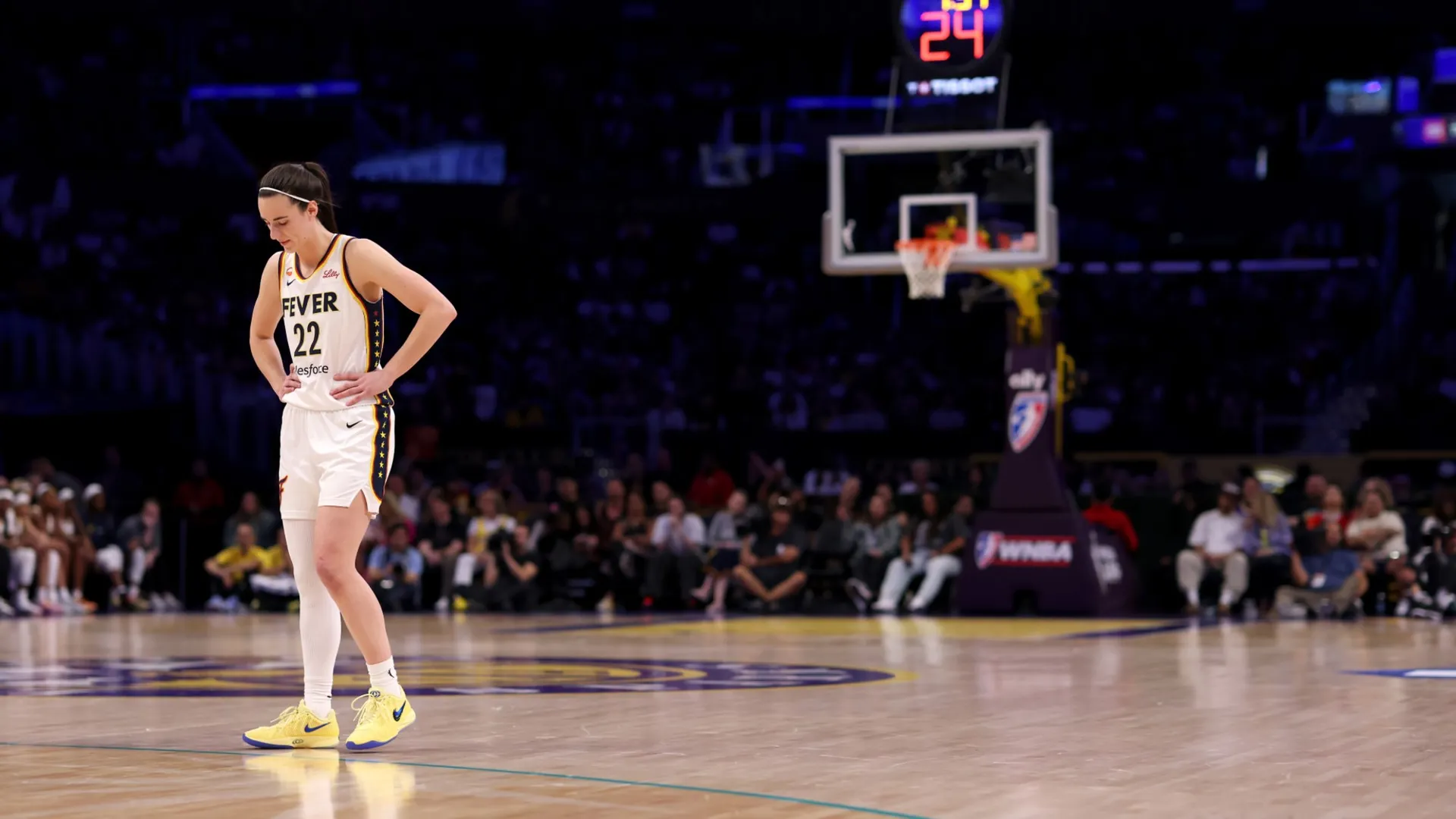
    This should be a golden age for the WNBA. The Indiana Fever’s Caitlin Clark helped push the league to new heights of popularity, and players are making more money than ever. But controversies are plaguing the league, Clark has become an unwilling symbol of racial polarization, and GOP members of Congress are entering the fray.

    ‘Losing control of its story’
    The House Republican Study Committee this month asked the WNBA to “investigate the on-court treatment” of Clark, said The Hill. The popular player has been “hip-checked, poked in the eye and struck in the throat” by other players in game action that has gone “far beyond routine physical play,” said Rep. August Pfluger (R-Texas) in a letter to league officials, following a controversial flagrant foul on Clark by the Phoenix Mercury’s Alyssa Thomas.

    It was the latest in a series of conservative complaints that “many WNBA players, particularly Black players,” are hostile to Clark, said Bobby Burack at Fox News. Clark has resisted being cast as an avatar in the culture wars. “People should not be using my name to push those agendas,” she said to reporters in 2024, per ESPN.

    The WNBA is “losing control of its own story” to “right-wing grifters” who have taken hold of the narrative surrounding its most popular player, said Seerat Sohi at The Ringer. The league has become “fertile ground for these types of shenanigans” because it surged into popularity at the same moment the country became “embroiled in a cultural, political and legal fight over the role of women in society.” 

    ‘Political football’
    “This isn’t fun,” said Candace Buckner at The Athletic. Clark’s ascendance was supposed to be “magic” for sports fans “watching, celebrating and obsessing over women’s sports.” The “justifiable anger” over the foul sparked “racial attacks” and death threats against Thomas, set off a new round of controversy over WNBA officiating, and even prompted commentary from President Donald Trump. It’s all a lot for basketball fans who “just want a little fun.”

    It’s “incredibly unfair” that Clark has become a “bit of a political football,” said NBA Commissioner Adam Silver yesterday at the Game Plan Summit, per ESPN. The upside is that Clark has helped “significantly increase” the league’s popularity, said the outlet. The downside is that “race, officiating and politics” are dominating the conversation.


    Statistic of the day

    53,000: The number of immigrants deported or repatriated by South Africa in the “space of a month” in a “crackdown by authorities” that has coincided with a “series of sometimes violent protests against illegal migration,” said The Associated Press. More than 80% of the migrants sent home are from Malawi, according to South African Justice Minister Mmamoloko Kubayi.


    THE EXPLAINER

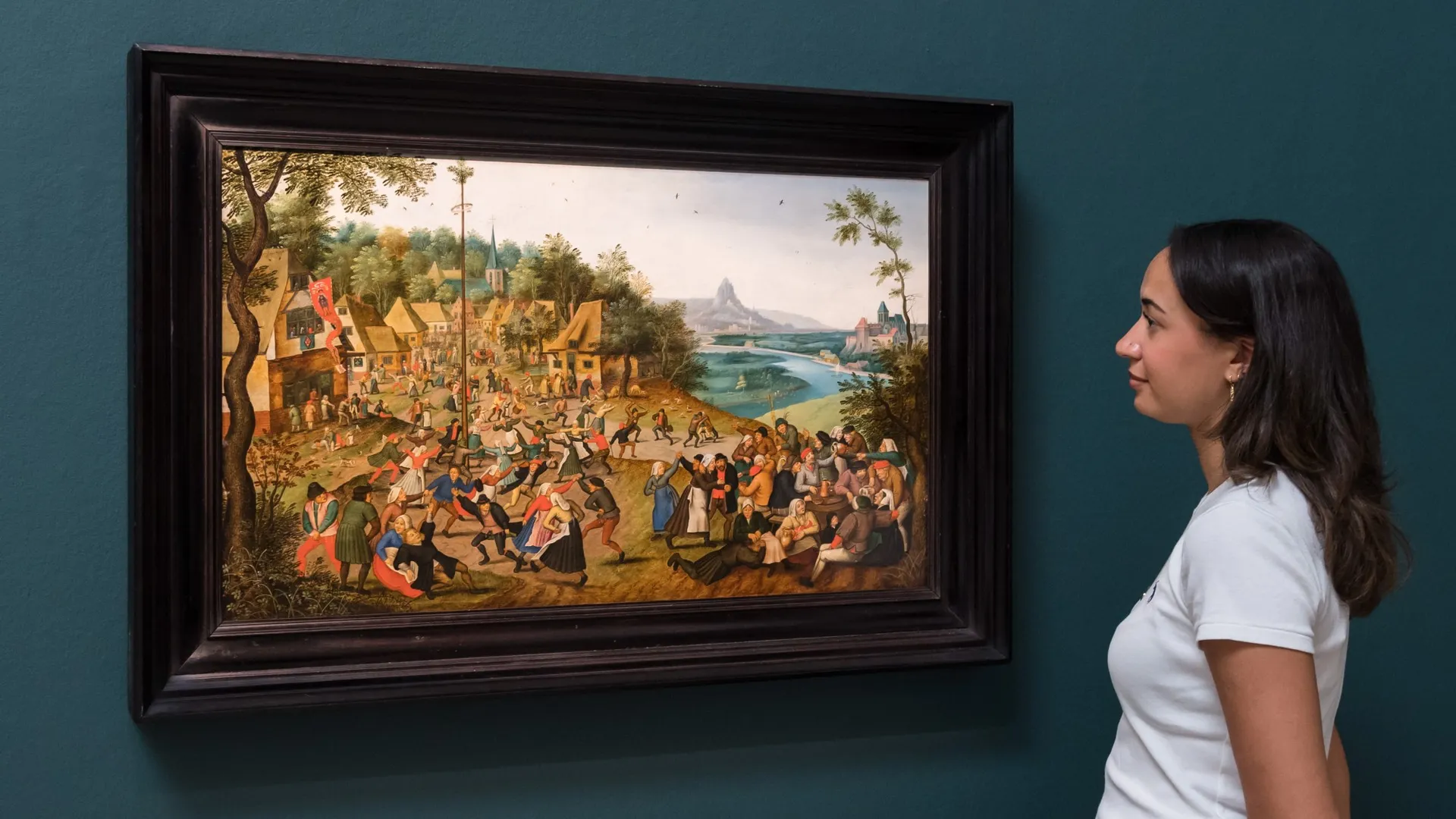
    Old Masters paintings are seeing a renaissance

    Until the 1980s, Old Masters, paintings typically completed before 1850, “ruled the art world,” said The Economist. But then collectors began to see the “centuries-spanning” category as “too old-timey,” turning instead to more modern and Impressionist art. But now art experts are noticing a rise in Old Masters’ sales again and dramatic changes in the attitudes of collectors and artists alike.

    ‘Primed to connect’
    Old Masters have had “new life breathed into them,” said The Economist. In 2025, global sales of the paintings reached $1.2 billion, “30% higher than a year earlier.” And it’s younger buyers who are “showing more enthusiasm.”

    The contemporary art market has been showing “signs of volatility,” causing collectors to turn to Old Masters that are more “stable and significantly less expensive,” said The Economist. There’s also an element of “scarcity” that makes them more attractive, as higher numbers of the older paintings enter museum collections with each passing year.

    Portraits and figurative art are particularly “in vogue” because they are so “Instagrammable,” said The Economist. People are drawn to what appears to be a “simpler life (if you ignore the revolutions, plagues and awful dentistry of past eras).” And they are so used to seeing pictures of people online that observers are “primed to connect to painted ones.”

    ‘Embraced’ by emerging artists
    In the past, lesser-known artists would imitate bigger names — in effect, “art historical name-dropping” — to improve the “gravity and market confidence” of their works, said J. Cabelle Ahn at Artnet. Cynics would call the modern-day evoking of the Old Masters style a form of “reference-baiting.” 

    But one of the main reasons for this “trans-historical escalation” is “technological unease,” said Ahn. Not only do artists fear being eclipsed by AI, but there’s also a movement to explore “foundational concepts like meaning and originality in the endless sea of information.”

    In addition to being “back in a big way” for collectors, figurative painting is being “embraced” by large numbers of emerging artists “keen to demonstrate their skills,” said Chloe Stead at the Financial Times. This could be guided by materials and neglected older techniques, appearing “new.” Oil paint became popular in the Netherlands in the 12th century, and now for artists seeking to create realistic images, there’s “no better alternative.”


    Good day ☄️

    … for primitive discoveries in New Jersey. Chemistry from an alien world has been found in a meteorite that crashed into a house in New Jersey in 2024. Researchers have now studied the remaining fragments of that meteorite and found “preserved material from near the surface of a primitive asteroid,” said The Independent.


    Bad day 🌫️

    … for Black communities in Tennessee. Elon Musk’s company xAI has installed 59 natural gas turbines for its Colossus 2 data center in Tennessee without securing federal clean-air permits. Potential emissions are “far beyond the threshold that would require a federal permit,” said Reuters, and would be released near “predominantly Black communities already estimated to be suffering disproportionately high rates of lung disease.”


    Picture of the day

    Boulevard of broken pipes

    Utility repair workers stand near a sinkhole on Los Angeles’ Sunset Boulevard after a broken water main flooded the surrounding streets in West Hollywood, California. The incident sent thousands of gallons of water rushing down streets in the early morning hours.
    Mario Tama / Getty Images


    Puzzles

    Daily sudoku

    Challenge yourself with The Week’s daily sudoku, part of our puzzles section, which also includes guess the number

    Play here


    The Week recommends

    The best coming-of-age movies of all time

    The messy, confusing, glorious process of becoming an adult has been the backbone of countless wonderful movies, with some of them, like the underrated 1986 drama “Lucas,” currently lost to the streaming world. While everyone surely has their favorite, these beautiful films capture the highs and lows of moving from one phase of life to the next.

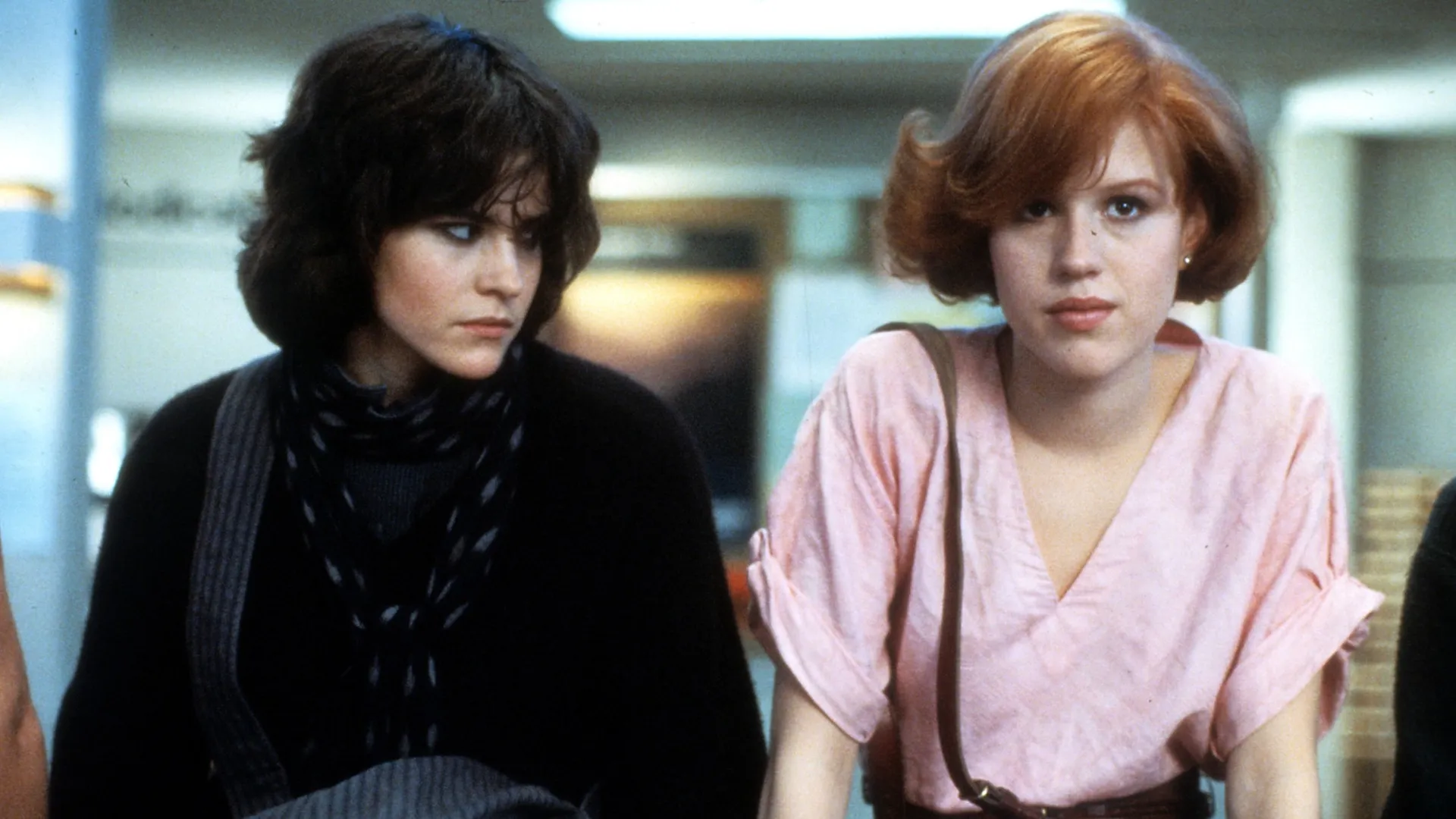
    ‘The Breakfast Club’ (1985)
    In this classic movie (pictured above), a group of suburban Chicago high school malcontents from rival cliques are forced to spend a long Saturday detention together. Director John Hughes’ “simple one-location talkie” brings Generation X’s “submerged angst to the surface” in a movie that’s “still the definitive ’80s teen movie,” said Simon Crook at Empire. (Netflix)

    ‘Pariah’ (2011)
    Adepero Oduye is Alike, a 17-year-old girl whose conservative parents’ marriage is falling apart around her in their Brooklyn apartment. Alike knows she’s a lesbian but hasn’t told anyone. A tremendous turn from the then-unknown Oduye helps carry this quietly powerful film. It’s a “tender, sporadically goofy, yet candid examination of emergent identity,” making it the “finest coming-of-age movie I have seen in years,” said Ella Taylor at NPR. (Netflix)

    ‘Boyhood’ (2014)
    There may never be another film like director Richard Linklater’s stunning ‘Boyhood.” Linklater followed the same group of actors over the course of 12 years, with a total of just 39 days of filming. Through its unique structure, this “beautiful, simple and ambitious” movie lovingly “creates the closest thing to a real experience as few motion pictures ever have,” said Brian Eggert at Deep Focus Review. (Netflix)

    Read more


    Poll watch

    China (46%) is seen more positively than the U.S. (36%) in most of the 36 countries surveyed for the Pew Research Center’s Global Attitudes survey. While many still lack confidence in Chinese President Xi Jinping, more people believe in him (31%) than they do in Trump (21%). Americans’ nearest neighbors — Canadians and Mexicans — also view China more positively.


    INSTANT OPINION

    Today’s best commentary

    ‘I see my father in the fathers killed by ICE’
    Ingrid Rojas Contreras at Time
    “As a Latina, it’s impossible for me not to see my father when I think” of the men killed by ICE, says Ingrid Rojas Contreras. “In them, I see men who wanted nothing but a better life for their children.” Families “like mine can’t help but feel their families’ pain.” To “grieve is to take stock of what we have lost” and “can lose” and to “spend time deconstructing the harmful narratives that cause our grief.”

    ‘America’s trillion-dollar failure’
    Ro Khanna at Foreign Affairs
    The media’s Department of Defense coverage has “focused on military parades, high-profile firings and lectures about haircuts,” says Rep. Ro Khanna (D-Calif.). A “less-acknowledged but just as worrisome development has been progressively undermining the U.S. military: Defense acquisition remains stubbornly slow and wildly over budget.” The Pentagon “needs to be as nimble as it is strong or it risks losing its ability to respond to global hot spots and to deter great-power conflict.”

    ‘When did sports get so loud?’
    Ellen Cushing at The Atlantic
    Baseball is “wall-to-wall stimulation,” and in this way, baseball is “explicitly following other sports, which were earlier to invest in state-of-the-art multifactor sound systems, huge screens and sophisticated lighting schemas,” says Ellen Cushing. Many organizations are “focusing not on season-ticket-holding diehards but on more casual fans who want a big night out, are willing to pay for it and may need to be guided through a game with aural or visual cues about how to feel at any given moment.”


    WORD OF THE DAY

    zigzagger

    A person who procrastinates because they are “pulled from one thing to another, depending on what catches their attention,” said The Times. The term is one of nine distinct types identified for a new taxonomy of procrastination created by Itamar Shatz, a social scientist at the University of Cambridge. 


    Evening Review was written and edited by Will Barker, Theara Coleman, Nadia Croes, David Faris, Scott Hocker, Justin Klawans, Joel Mathis and Summer Meza, with illustrations by Stephen Kelly and Julia Wytrazek.

    Image credits, from top:  Illustration by Stephen P. Kelly / Getty Images / Shutterstock; Katelyn Mulcahy / Getty Images; Wiktor Szymanowicz / Future Publishing / Getty Images; Universal Pictures / Archive Photos / Stringer / Getty Images
     

    Recent editions

    • Morning Report

      Smoky skies

    • Evening Review

      Trump’s favorite measure of success

    • Morning Report

      Grilled on the Hill

    VIEW ALL
    TheWeek
    • About Us
    • Contact Future's experts
    • Terms and Conditions
    • Privacy Policy
    • Cookie Policy
    • Advertise With Us
    • FAQ
    Add as a preferred source on Google Add as a preferred source on Google

    The Week is part of Future US Inc, an international media group and leading digital publisher. Visit our corporate site.

    © Future US, Inc. Full 7th Floor, 130 West 42nd Street, New York, NY 10036.