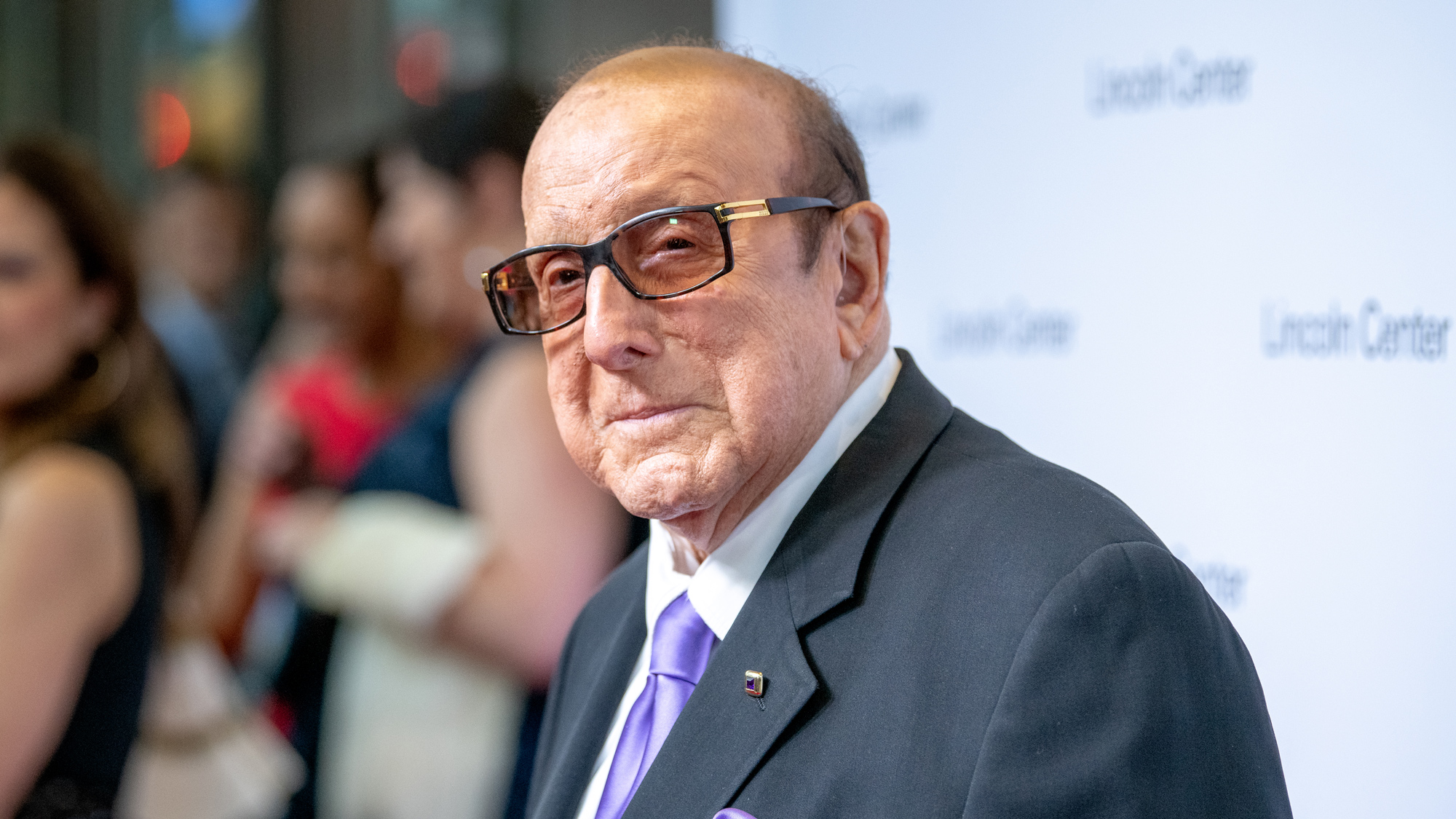
The music mogul who had a golden ear
Clive Davis didn’t fit in at the Monterey International Pop Festival, the kickoff to the 1967 “Summer of Love.” In his khakis and tennis sweater, he was an obvious square among the hippies smoking and swaying as artists like Jimi Hendrix and the Grateful Dead took the stage. Yet the newly minted president of Columbia Records recognized that music was about to change forever when he watched a wild new singer deliver her explosive, soulful rendition of “Ball and Chain.” Though his label specialized in jazz, classical, and Broadway, the enraptured Davis rushed to sign Janis Joplin, politely declining her suggestion that they cement the deal with a roll in the hay. The man who would become famous for finding rock and pop’s greatest talents had made his first major discovery. “I realized this was going to be the future,” said Davis. “I could feel it in my bones.”
Davis “never intended to lead a life in music,” said CNN.com. The son of an electrician, Clive Jay Davis was raised in Brooklyn’s Crown Heights, studied political science at New York University, and received a full scholarship to Harvard Law. Hired by Columbia Records as a lawyer in 1960, a series of reorganizations saw him appointed to the label’s top job. Davis soon demonstrated an “almost supernatural gift for talent spotting,” said The Guardian (U.K.). In the years after Monterey, he brought the label a dazzling array of hitmakers, including Bruce Springsteen, Billy Joel, and Neil Diamond. His career was briefly derailed by the drugola scandal in the early 1970s, when federal investigators accused record execs of bribing DJs with drugs to get airplay. While Davis was never charged, the financial investigation turned up a failure to pay taxes on $8,800 of vacation expenses, and Columbia fired him.
But Davis landed on his feet, said The New York Times. Taking over the failing Bell record label and rechristening it Arista, he “quickly scored a No. 1 hit” with Barry Manilow’s “Mandy.” Soon he’d built a roster that included Patti Smith and the Kinks and oversaw career revivals for soul legends Aretha Franklin and Dionne Warwick. In 1983, he signed 19-year-old Whitney Houston, turning her eponymous debut into one of the most successful albums in music history. In later years, Davis worked with talents such as Alicia Keys and Kelly Clarkson and remained active in the music industry until his death, throwing a legendary annual Grammys party. “It remains exciting,” he said in 2013. “I’m still looking for the next thing, the next artist.”
|