
An “ethics earthquake” hit Congress two weeks ago, said Zachary Schermele in USA Today, and it’s only intensifying. The first tremor was the resignation of Rep. Eric Swalwell, the seven-term California Democrat and a leading candidate to be the state’s next governor, after he was accused of sexual assault and misconduct by multiple women. The married father of three says the accusations—including that he raped two women—are “false” and “lies.”
Just hours after Swalwell quit, Rep. Tony Gonzales (R-Texas), who admitted an affair with a female aide who later died by suicide, also resigned. In both cases, a bipartisan coalition of female lawmakers had signaled they were moving toward expulsion votes, but this “#MeToo moment” seems part of a broader reckoning, Schermele said. Rep. Sheila Cherfilus-McCormick (D-Fla.) resigned last week after the House Ethics Committee found her guilty of spending millions of Covid relief dollars on her 2022 election. And pressure is mounting on Rep. Cory Mills (R-Fla.), who’s being investigated over allegations of domestic violence, revenge porn, and campaign finance violations; he denies any wrongdoing.
The Week
Escape your echo chamber. Get the facts behind the news, plus analysis from multiple perspectives.

Sign up for The Week's Free Newsletters
Join more than 350,000 subscribers and keep yourself informed with a selection of The Week’s most interesting, enlightening and entertaining stories - plus daily puzzles.
Join more than 350,000 subscribers and keep yourself informed with a selection of The Week’s most interesting, enlightening and entertaining stories - plus daily puzzles.
-
-
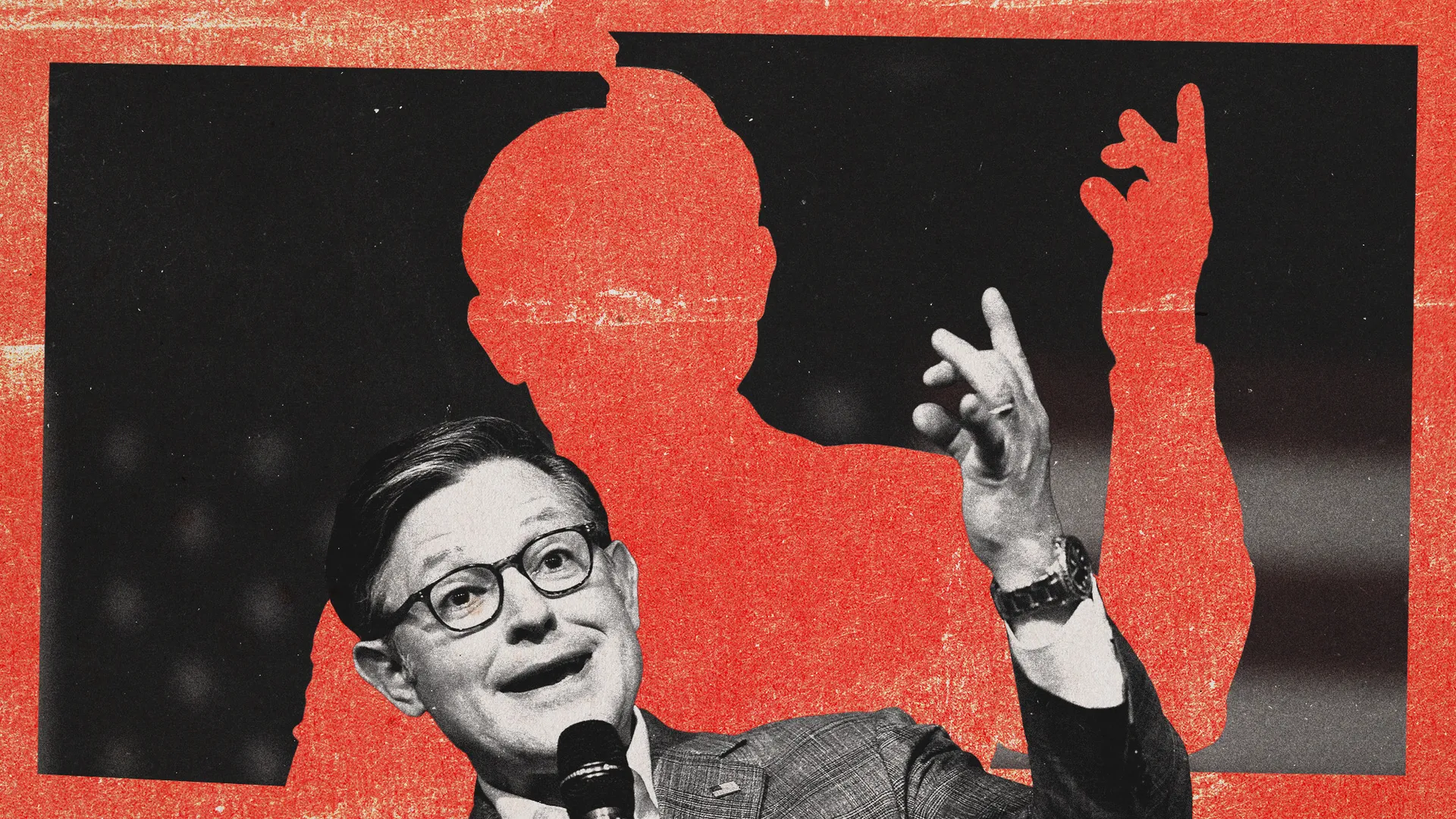 talking pointsA leadership power vacuum may await Republicans
 -
 QUOTE OF THE DAY‘What kind of culture looks at sexual violence and sees an opportunity for profit? This is rape culture. And it should disturb every single one of us.’
 -
 today’s big questionHow long can US consumers continue their spending spree?
-
-
-
talking pointsA leadership power vacuum may await Republicans
-
QUOTE OF THE DAY‘What kind of culture looks at sexual violence and sees an opportunity for profit? This is rape culture. And it should disturb every single one of us.’
-
today’s big questionHow long can US consumers continue their spending spree?
-