Russian diplomat resigns over war in Ukraine: 'So ashamed'
A free daily email with the biggest news stories of the day – and the best features from TheWeek.com
You are now subscribed
Your newsletter sign-up was successful
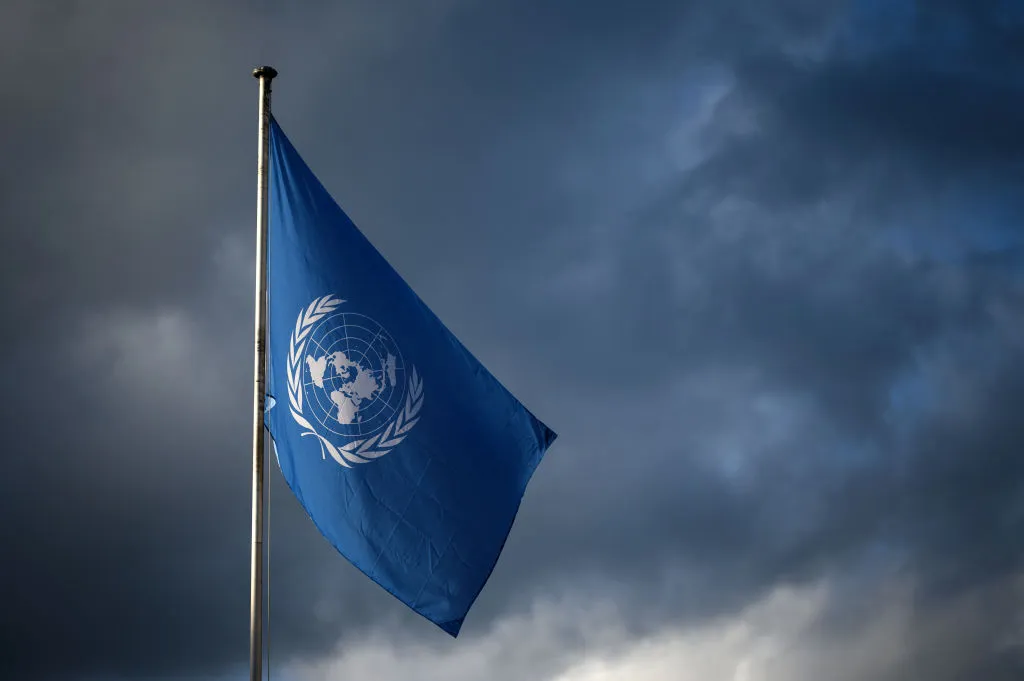
Boris Bondarev, a Russian diplomat at the United Nations office in Geneva, resigned from his post on Monday in protest of the Kremlin's invasion of Ukraine.
"For 20 years of my diplomatic career I have seen different turns of our foreign policy, but never have I been so ashamed of my country as on Feb. 24 of this year," Bondarev wrote in his resignation message, which was also shared on LinkedIn.
"The aggressive war unleashed by Putin against Ukraine and in fact against the entire Western world is not only a crime against the Ukrainian people but also, perhaps, the most serious crime against the people of Russia, with a bold letter Z crossing out all hopes and prospects for a prosperous free society in our country," Bondarev continued.
The Week
Escape your echo chamber. Get the facts behind the news, plus analysis from multiple perspectives.
Sign up for The Week's Free Newsletters
From our morning news briefing to a weekly Good News Newsletter, get the best of The Week delivered directly to your inbox.
The statement is one of the most powerful Kremlin critiques to come from a Russian diplomat or official since the war began, The Washington Post notes.
Those at the helm of the invasion just want to "remain in power forever," Bondarev added, before criticizing Russian Foreign Minister Sergey Lavrov, who he said went from a respected individual to "a person who constantly broadcasts conflicting statements and threatens the world."
"The Ministry has become my home and family," the now ex-diplomat concluded. "But I simply cannot any longer share in this bloody, witless and absolutely needless ignominy. Job offers are welcome …"
A free daily email with the biggest news stories of the day – and the best features from TheWeek.com
Brigid Kennedy worked at The Week from 2021 to 2023 as a staff writer, junior editor and then story editor, with an interest in U.S. politics, the economy and the music industry.
-
Film reviews: ‘Send Help’ and ‘Private Life’Feature An office doormat is stranded alone with her awful boss and a frazzled therapist turns amateur murder investigator
-
Movies to watch in Februarythe week recommends Time travelers, multiverse hoppers and an Iraqi parable highlight this month’s offerings during the depths of winter
-
ICE’s facial scanning is the tip of the surveillance icebergIN THE SPOTLIGHT Federal troops are increasingly turning to high-tech tracking tools that push the boundaries of personal privacy
-
What is ‘Arctic Sentry’ and will it deter Russia and China?Today’s Big Question Nato considers joint operation and intelligence sharing in Arctic region, in face of Trump’s threats to seize Greenland for ‘protection’
-
What would a UK deployment to Ukraine look like?Today's Big Question Security agreement commits British and French forces in event of ceasefire
-
Did Trump just end the US-Europe alliance?Today's Big Question New US national security policy drops ‘grenade’ on Europe and should serve as ‘the mother of all wake-up calls’
-
Is conscription the answer to Europe’s security woes?Today's Big Question How best to boost troop numbers to deal with Russian threat is ‘prompting fierce and soul-searching debates’
-
Trump peace deal: an offer Zelenskyy can’t refuse?Today’s Big Question ‘Unpalatable’ US plan may strengthen embattled Ukrainian president at home
-
Vladimir Putin’s ‘nuclear tsunami’ missileThe Explainer Russian president has boasted that there is no way to intercept the new weapon
-
The Baltic ‘bog belt’ plan to protect Europe from RussiaUnder the Radar Reviving lost wetland on Nato’s eastern flank would fuse ‘two European priorities that increasingly compete for attention and funding: defence and climate’
-
How should Nato respond to Putin’s incursions?Today’s big question Russia has breached Nato airspace regularly this month, and nations are primed to respond