More cities are banning sledding, thanks to lawsuits

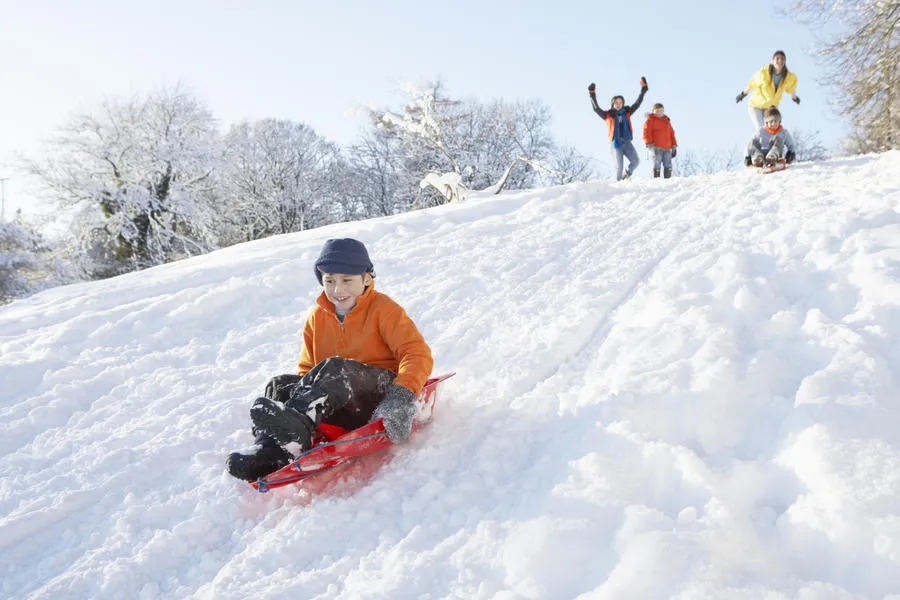
With much of the U.S. bracing for snow and arctic temperatures this week, Dubuque, Iowa, is becoming the latest in a string of U.S. cities to ban or sharply limit sledding in public parks. The reason? Liability. The Dubuque City Council points to some large court losses in the past 10 years, like the 5-year-old girl who won a $2 million judgment against Omaha, Nebraska, after a paralyzing sledding accident, or the man in Sioux City, Iowa, who got $2.75 million from the city after injuring his spine by sledding into a sign.
Some cities are only banning sledding on certain hills, or posting signs warning people that they sled at their own risk. But banning sledding entirely offers greater legal protection, The Associated Press says. Not that enforcing bans is easy: Omaha, for example, now pads signposts and puts hay bales around trees to protect sledders from themselves, after people routinely ignored a ban on a popular sledding hill.
The Week
Escape your echo chamber. Get the facts behind the news, plus analysis from multiple perspectives.

Sign up for The Week's Free Newsletters
Join more than 350,000 subscribers and keep yourself informed with a selection of The Week’s most interesting, enlightening and entertaining stories - plus daily puzzles.
Join more than 350,000 subscribers and keep yourself informed with a selection of The Week’s most interesting, enlightening and entertaining stories - plus daily puzzles.
