Jon Stewart explains today's 'childish and cynical' Congress by cynically abusing a child's cartoon

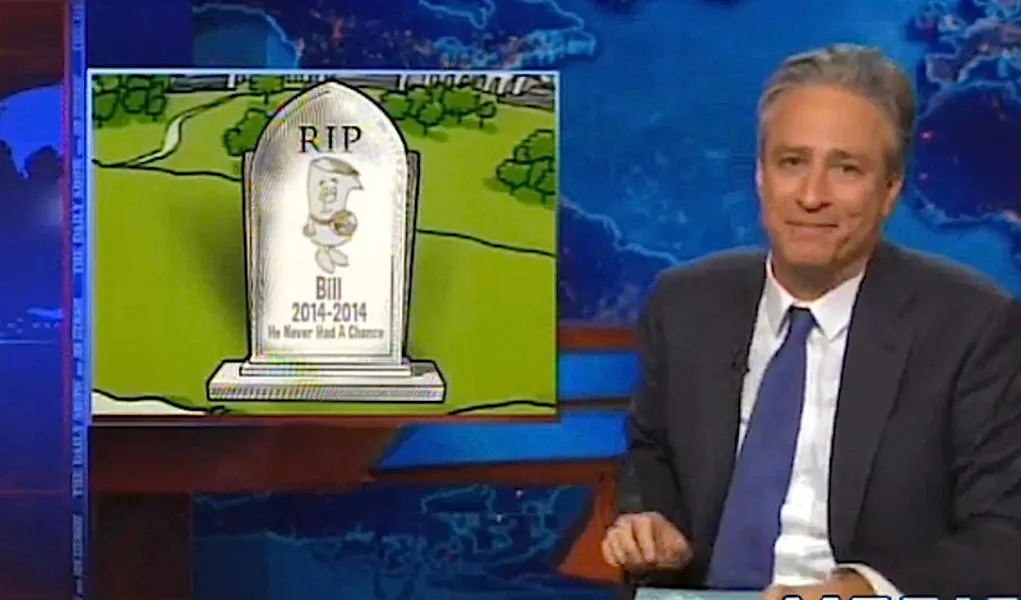
The 113th Congress will go down as the least productive in U.S. history, but it's not like they're doing nothing on Capitol Hill, Jon Stewart said on Tuesday night's Daily Show. The "feckless" Senate Democrats and "obstructionist" House Republicans have been using their control of their respective chambers to schedule votes that are politically embarrassing to the other party, then using those votes in campaign ads. Stewart explains the process in detail in a new pox-on-both-Houses segment, "How a Bill Becomes an Ad," keying off the famous Schoolhouse Rock song.
"Right now, you're probably saying to yourself, 'I can't believe how childish and cynical our Congress has become,'" Stewart said. "Well, don't throw up yet." It turns out that Senate Republicans have a new tactic: Agree to debate doomed Democratic bills to eat up the legislative clock. Stewart trots out a crude analogy:
The Week
Escape your echo chamber. Get the facts behind the news, plus analysis from multiple perspectives.

Sign up for The Week's Free Newsletters
Join more than 350,000 subscribers and keep yourself informed with a selection of The Week’s most interesting, enlightening and entertaining stories - plus daily puzzles.
Join more than 350,000 subscribers and keep yourself informed with a selection of The Week’s most interesting, enlightening and entertaining stories - plus daily puzzles.



