The Supreme Court just opened the campaign-spending floodgates
Mark Wilson/Getty Images

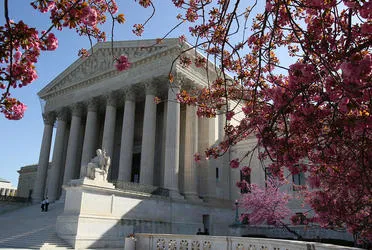
In a landmark decision that could lead to even more expensive federal elections, the Supreme Court on Wednesday struck down longstanding limits on the aggregate amount of money individuals may donate to federal candidates and campaigns in a given election cycle.
In a 5-4 decision in the case of McCutcheon v. Federal Election Commission, the court ruled that the two-year caps on donations to federal candidates and political action committees violated the First Amendment. But the court left in place limits on how much individuals can donate to single candidates in a given election cycle. Currently, individuals may donate up to $2,500 per candidate per election. The now-nixed aggregate limits capped donations to all federal candidates at $46,200, and set the bar on donations to PACs and party committees at $70,800.
The Week
Escape your echo chamber. Get the facts behind the news, plus analysis from multiple perspectives.

Sign up for The Week's Free Newsletters
Join more than 350,000 subscribers and keep yourself informed with a selection of The Week’s most interesting, enlightening and entertaining stories - plus daily puzzles.
Join more than 350,000 subscribers and keep yourself informed with a selection of The Week’s most interesting, enlightening and entertaining stories - plus daily puzzles.