Clinton Foundation to limit donations from foreign governments

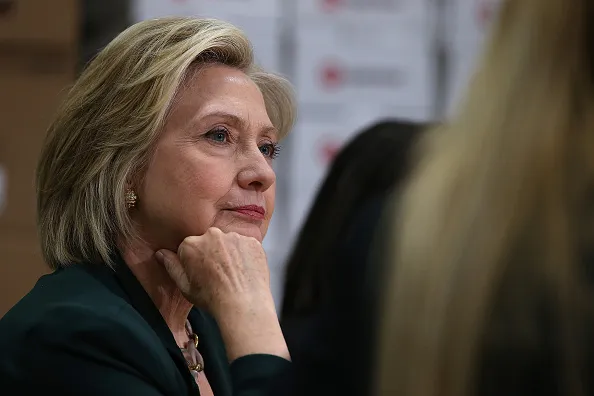
On Wednesday, the board of the Clinton Foundation voted to accept large donations from just a handful of foreign governments and to give regular updates on who is making contributions.
The new rules are more restrictive than the policies put in place when Hillary Clinton was secretary of state, The Washington Post reports. In a statement, the foundation announced that it will only accept hefty donations from the governments of Germany, Australia, the United Kingdom, the Netherlands, Canada, and Norway, all countries that have previously supported programs having to do with health, poverty, and climate change. Countries that have given in the past to a general program, including Saudi Arabia and Qatar, cannot make large donations.
The Week
Escape your echo chamber. Get the facts behind the news, plus analysis from multiple perspectives.

Sign up for The Week's Free Newsletters
Join more than 350,000 subscribers and keep yourself informed with a selection of The Week’s most interesting, enlightening and entertaining stories - plus daily puzzles.
Join more than 350,000 subscribers and keep yourself informed with a selection of The Week’s most interesting, enlightening and entertaining stories - plus daily puzzles.


