40 percent of Americans agree with Trump that 'both sides' were equally responsible for Charlottesville violence

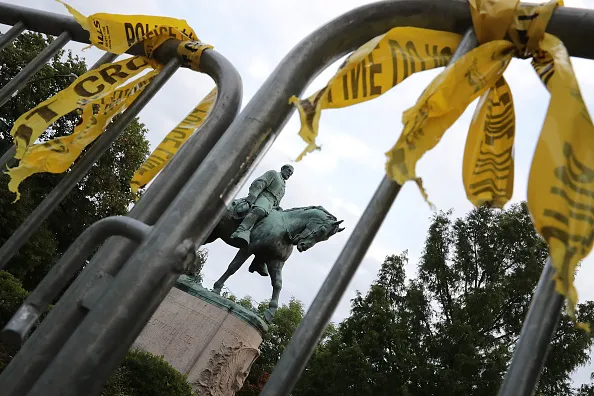
Four in 10 Americans believe that "both sides" were equally responsible for the violence in Charlottesville, Virginia, over the weekend, indicating that President Trump's comments at a combative press conference earlier this week resonated with more of the public than expected. Another 46 percent of Americans believe that far-right groups were most responsible for the violence, the SurveyMonkey poll found, whereas just 9 percent believe counter-protesters are most to blame.
Trump's choice to lay blame on "both sides" was heavily criticized by the media. "He is right that there are two sides: the vestigial tail of the Confederacy and the United States of America; the white supremacists and their targets; the president and the patriots," wrote Fast Company. Former Vice President Joe Biden tweeted, "There is only one side."
The Week
Escape your echo chamber. Get the facts behind the news, plus analysis from multiple perspectives.

Sign up for The Week's Free Newsletters
Join more than 350,000 subscribers and keep yourself informed with a selection of The Week’s most interesting, enlightening and entertaining stories - plus daily puzzles.
Join more than 350,000 subscribers and keep yourself informed with a selection of The Week’s most interesting, enlightening and entertaining stories - plus daily puzzles.