Losing can be smart business in pro sports. “Tanking” teams in the NBA and NFL sometimes bottom out now in order to position themselves for a better future. Critics say that undermines the competition that is the lifeblood of the games.
The NBA is looking at “new ways to combat tanking,” said ESPN. “Multiple teams” in recent years “either shut down players early or sat players for games” to give them a better shot at a higher draft pick. (Worse teams generally get higher picks and a better chance at the most talented new players.) The point of the proposals is to give middling or losing teams a “reason to continue to try to win games” down the stretch of an otherwise-lost season. Tanking is “an issue for our fans,” NBA Commissioner Adam Silver said earlier this year. “And so we’re paying attention to it."
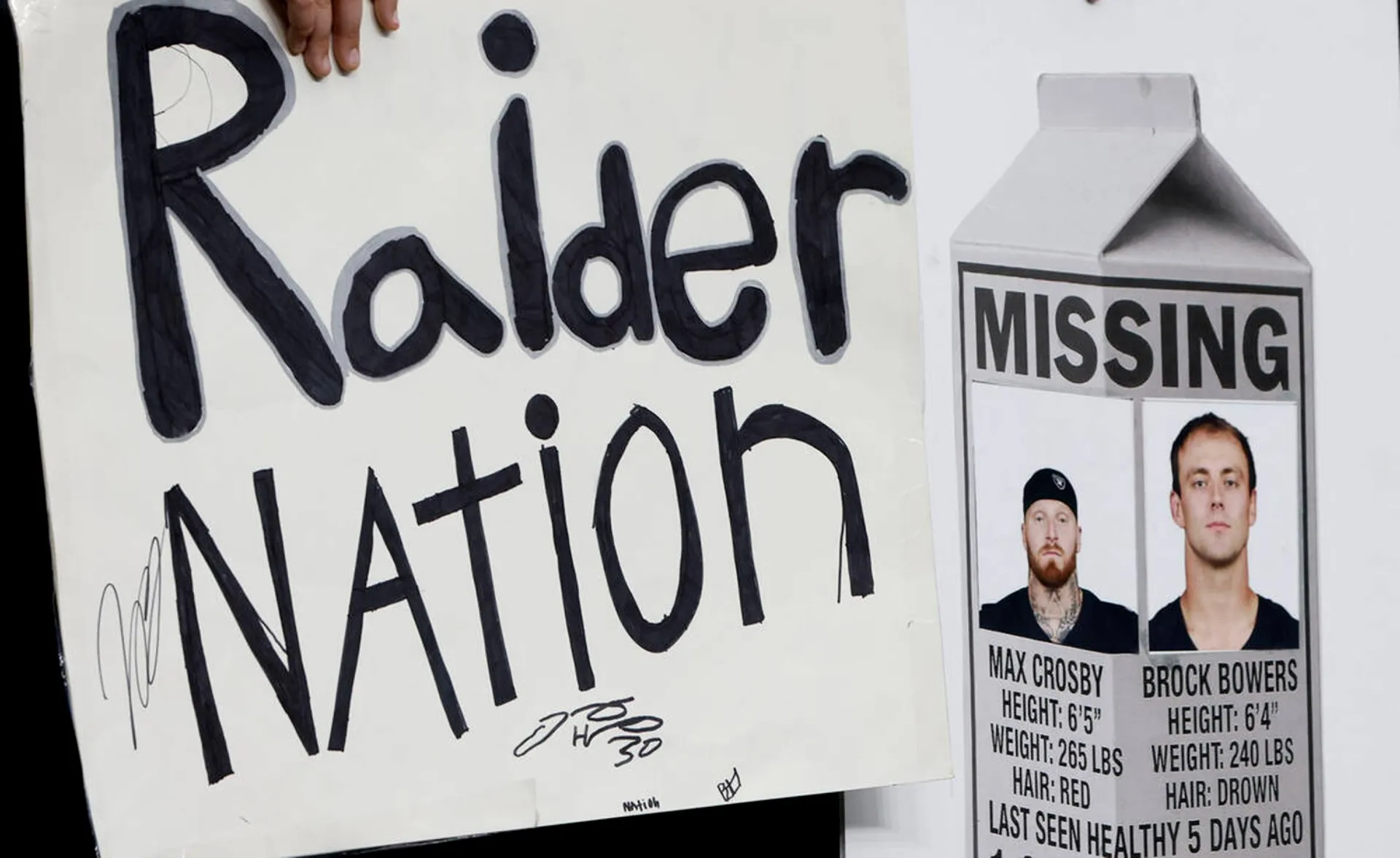
Sunday’s NFL game between the New York Giants and Las Vegas Raiders was labeled the “tank bowl” because the loser would have a clearer shot at the league’s No. 1 draft pick, said The Las Vegas Review-Journal. The Raiders sat out All Pro defensive end Maxx Crosby due to a supposed knee injury. Crosby posted pictures of himself playing basketball. “Extremely conflicted” Raiders fans breathed a “sigh of relief” when their team fell behind in a 34-10 loss. That did not sit well with players. If athletes are “purposely trying to lose, you’re messing up your career,” said defensive tackle Jonah Laulu.
The Week
Escape your echo chamber. Get the facts behind the news, plus analysis from multiple perspectives.
SUBSCRIBE & SAVE
Sign up for The Week's Free Newsletters
Join more than 350,000 subscribers and keep yourself informed with a selection of The Week’s most interesting, enlightening and entertaining stories - plus daily puzzles.
Join more than 350,000 subscribers and keep yourself informed with a selection of The Week’s most interesting, enlightening and entertaining stories - plus daily puzzles.
Latest Videos FromThe Week US
“This is professional sports, and trying to win should be paramount,” Eric Koreen said at The Athletic. Instead you see teams like the Washington Wizards and Utah Jazz “throw away seasons at a time” in the name of “long-term interests.” It is true that anti-tanking rules will make it more difficult for bad teams to get better. But it seems likely that “fewer teams will be as far away from success” if they stop trying to lose now for the possibility of getting better later. “There should be no incentive to lose — ever.”
One problem? “American fans want a somewhat level playing field” in their sports leagues, Sam Quinn said at CBS Sports. That is why the major sports leagues try to achieve “parity” by assigning higher draft slots to worse teams. But any plan to curb tanking will make it “harder for the worst teams to improve.” Pro sports could eliminate their drafts and treat rookie players as free agents who sign with the highest bidder, but that would “give big-market teams such a massive and unfair advantage” it would leave small-market teams behind.
What next?
One solution: Make teams play a “one-game playoff” for the rights to their league’s No. 1 draft pick, Jay Busbee said at Yahoo Sports. The USFL football league already did that in 2024 to create stakes between two teams with 1-8 records. The incentives ought to be on winning, and “football ought to be settled on the field.”