GOP Sen. Tom Cotton says farmers' tariff 'sacrifices' are nothing compared to the military's
A free daily email with the biggest news stories of the day – and the best features from TheWeek.com
You are now subscribed
Your newsletter sign-up was successful
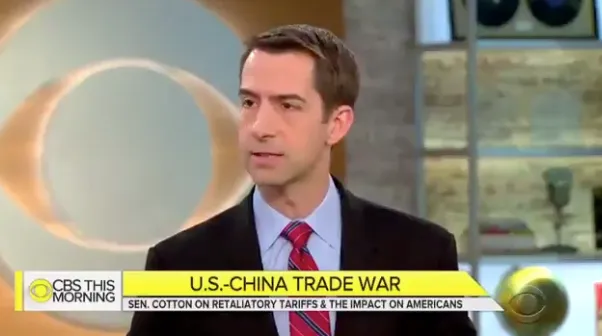
Sen. Tom Cotton (R-Ark.) is here to offer some unsolicited perspective.
The Arkansas senator thinks everyone needs to take a step back and look at the the bigger picture when it comes to President Trump's trade war with China — even if that bigger picture isn't exactly related to the issue at hand.
Sure, Americans — particularly American farmers — will bear the economic brunt of Trump's decision to increase tariffs and China's own retaliatory tariffs on $60 billion worth of imported U.S. goods. But in the grand scheme of things, Cotton says, it's a small price to pay, especially compared to the sacrifices that the men and women in the U.S. military make.
The Week
Escape your echo chamber. Get the facts behind the news, plus analysis from multiple perspectives.
Sign up for The Week's Free Newsletters
From our morning news briefing to a weekly Good News Newsletter, get the best of The Week delivered directly to your inbox.
Cotton's comparison between American farmers and soldiers seemingly came out of the blue during his interview on CBS This Morning. Though CBS News' Gayle King pointed out that the tariffs really have nothing to do with the military, he made the argument that the farmers he's talked to in Arkansas know that their short-term pain is part of a larger plan to keep America prosperous and secure. He said the farmers look at the military and are "willing to bear some of those sacrifices themselves."
A free daily email with the biggest news stories of the day – and the best features from TheWeek.com
Tim is a staff writer at The Week and has contributed to Bedford and Bowery and The New York Transatlantic. He is a graduate of Occidental College and NYU's journalism school. Tim enjoys writing about baseball, Europe, and extinct megafauna. He lives in New York City.