United States to pledge $4 billion in funding for global vaccine effort

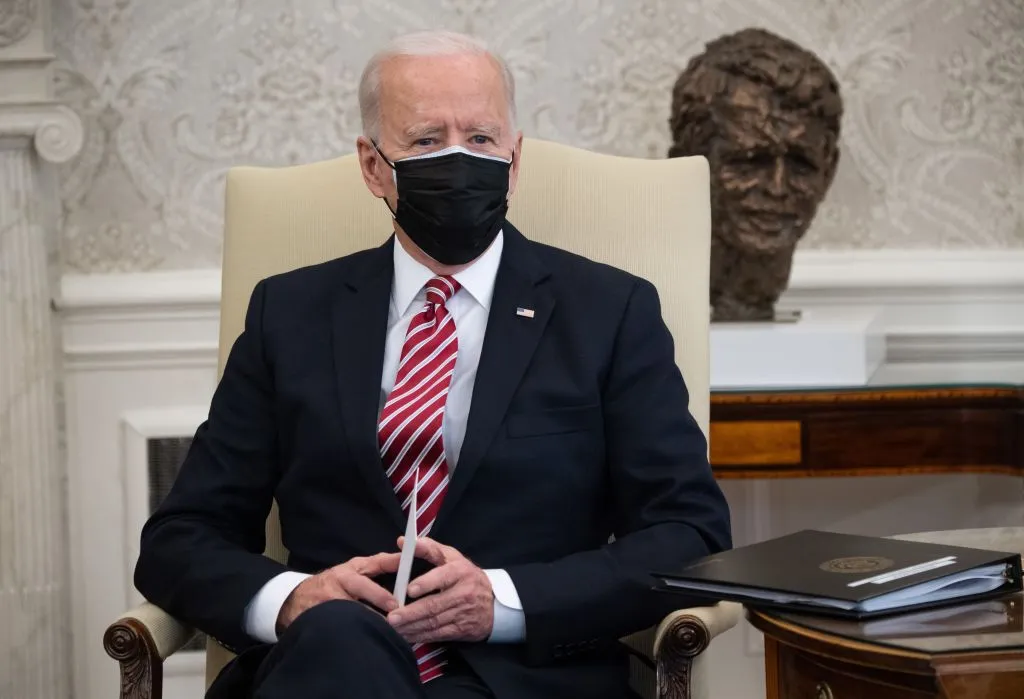
On Friday, President Biden will announce that the U.S. plans to give $4 billion in contributions to COVAX, the program working to distribute COVID-19 vaccines to low- and middle-income countries, senior administration officials told reporters on Thursday.
Biden will share the news during a Group of 7 meeting, the officials said, with the money coming in two waves — an initial $2 billion in funding will be released almost immediately, with $2 billion more distributed over the next two years.
The Week
Escape your echo chamber. Get the facts behind the news, plus analysis from multiple perspectives.

Sign up for The Week's Free Newsletters
Join more than 350,000 subscribers and keep yourself informed with a selection of The Week’s most interesting, enlightening and entertaining stories - plus daily puzzles.
Join more than 350,000 subscribers and keep yourself informed with a selection of The Week’s most interesting, enlightening and entertaining stories - plus daily puzzles.