Sign up to get Today’s Best Articles in your inbox
Join 350,000+ subscribers and keep yourself informed with a selection of
The Week’s most interesting, enlightening and entertaining stories - plus daily puzzles.
You are now subscribed
Your newsletter sign-up was successful
Want to add more newsletters?
An account already exists for this email address, please log in.
Nashville Zoo becomes new front against data centers
Animal activists are railing against the potential effects
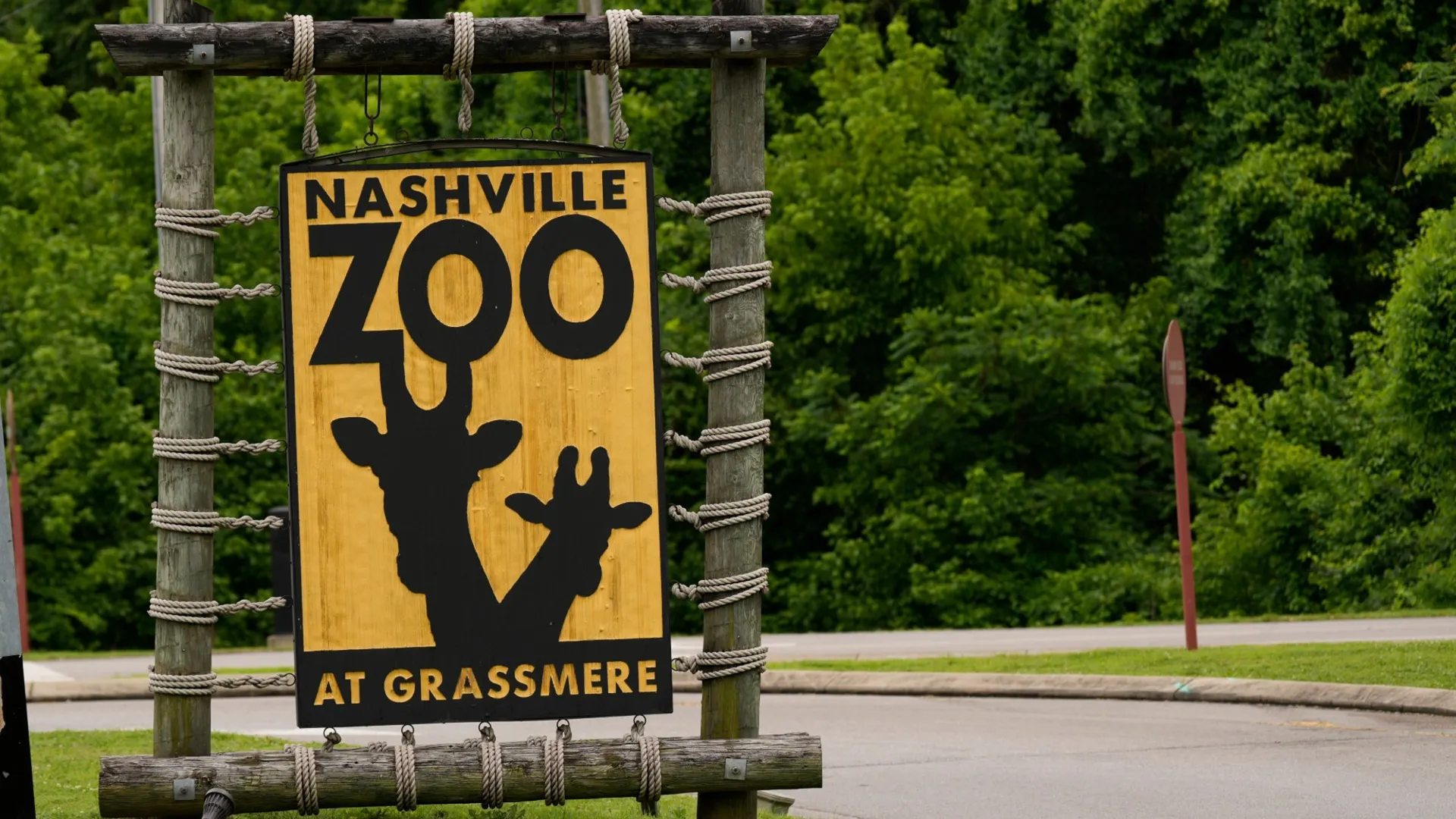
Across the country, people have been up in arms about the increasing ubiquity of AI data centers, but now a proposal to build a massive AI plant just steps from the Nashville Zoo has brought the subject of animal rights into the fray. As people in Nashville propose ways to stop the data center’s construction, the affected zoo animals could present a new wave of backlash against artificial intelligence.
‘Disrupt the environmental conditions’
The proposed data center, built by the Atlanta firm DC BLOX, would be located about 50 yards from the boundary of the Nashville Zoo, officials told NBC News, or just half a football field away. The zoo is “vehemently opposed to having a data center so close to animals” because the “noise could disturb its residents,” Nashville Zoo President and CEO Rick Schwartz said to NBC.
For many, the “focus of the brewing anger is how it might affect the zoo’s most endangered or prized species,” said The New York Times. Much of the concern involves the facility’s clouded leopards, a threatened species that represents one of the “crown jewels of the zoo’s conservation program.” The clouded leopard breeding enclosure would be “about 320 feet from the proposed data center’s property line.”
The Week
Escape your echo chamber. Get the facts behind the news, plus analysis from multiple perspectives.
Join more than 350,000 subscribers and keep yourself informed with a selection of The Week’s most interesting, enlightening and entertaining stories - plus daily puzzles.
Join more than 350,000 subscribers and keep yourself informed with a selection of The Week’s most interesting, enlightening and entertaining stories - plus daily puzzles.
Officials are “particularly concerned about the potential effect of light and noise from the data center, given that animals are more sensitive than humans,” Dr. Heather Schwartz, who oversees animal health at the Nashville Zoo, told the Times. The noise could “disrupt the environmental conditions critical not only for the clouded leopard breeding program but for the more than 3,000 animals that call the zoo home,” said CNN. The facility has launched a petition to stop the data center, which currently has over 500,000 signatures.
Demanding stronger regulations
Some are worried that a data center near the Nashville Zoo could spark a larger trend, and these data centers “can have real consequences for animals,” said animal news platform The Animal Reader. Such locations near populated areas have “cooling equipment, backup generators and bright security lighting” that “can disturb wildlife, especially nocturnal animals such as bats, owls and insects,” especially in areas with large animal populations.
This has made the zoo a new focus of the political fight against data centers. After the plan was announced, an “unprecedented crowd” showed up to Nashville’s planning commission meeting as “hundreds of residents turned out to oppose data centers,” said The Tennessean. Numerous speakers “urged city leaders to slow the industry’s expansion, adopt stronger regulations and stop a proposed South Nashville data center project next to the zoo that critics say is far larger than originally disclosed.”
The fight is the “latest example of data centers getting pushback in communities nationwide, as neighbors say they don’t want to live near them or object more broadly to the direction of the tech and AI industries,” said NBC. But even amid a “bipartisan push for regulation, as well as lawsuits and opposition to tax breaks,” DC BLOX is not backing down. “We look forward to working with local officials, community members and the Nashville Zoo to minimize local impacts and to assure that there will be no health risks to residents or animals,” the company told NBC.
Sign up to get Today’s Best Articles in your inbox
A free daily email with the day’s biggest news and analysis – and the best features from TheWeek.com
Justin Klawans has worked as a staff writer at The Week since 2022. He began his career covering local news before joining Newsweek as a breaking news reporter, where he wrote about politics, national and global affairs, business, crime, sports, film, television and other news. Justin has also freelanced for outlets including Collider and United Press International.